Overview
Ubud comprises fourteen distinct villages, each maintaining its own governance and cultural rhythm. Though it appears as a compact artistic hub, the area blends ancient traditions with modern wellness and culinary innovation. Its defining character is the harmonious integration of lush jungle, terraced rice paddies, and world-class arts. While central arteries have grown congested with tourism, surrounding hamlets preserve a serene pace. You will find that stepping a few blocks away from the main thoroughfare instantly transports you into quieter Bali, where temple ceremonies echo through the air and daily life unfolds at an unhurried tempo.
Top Attractions
- Sacred Monkey Forest Sanctuary: Wander through this ancient temple complex where macaques roam freely among intricate stone carvings and deep spiritual courtyards.
- Tegalalang Rice Terraces: These iconic stepped paddies showcase the centuries-old subak irrigation system. Arrive early to avoid crowds and witness the landscape in morning light.
- Goa Gajah (Elephant Cave): This archaeological site features a dramatic entrance, ancient bathing pools, and burial caves that reveal the region’s pre-Hindu heritage.
- Campuhan Ridge Walk: A scenic trail winding through emerald valleys, offering panoramic views of the river gorge and serving as an ideal morning exercise.
- Ubud Royal Palace: The heart of traditional Balinese architecture, this palace hosts nightly dance performances and functions as a living cultural center.
Food & Drink
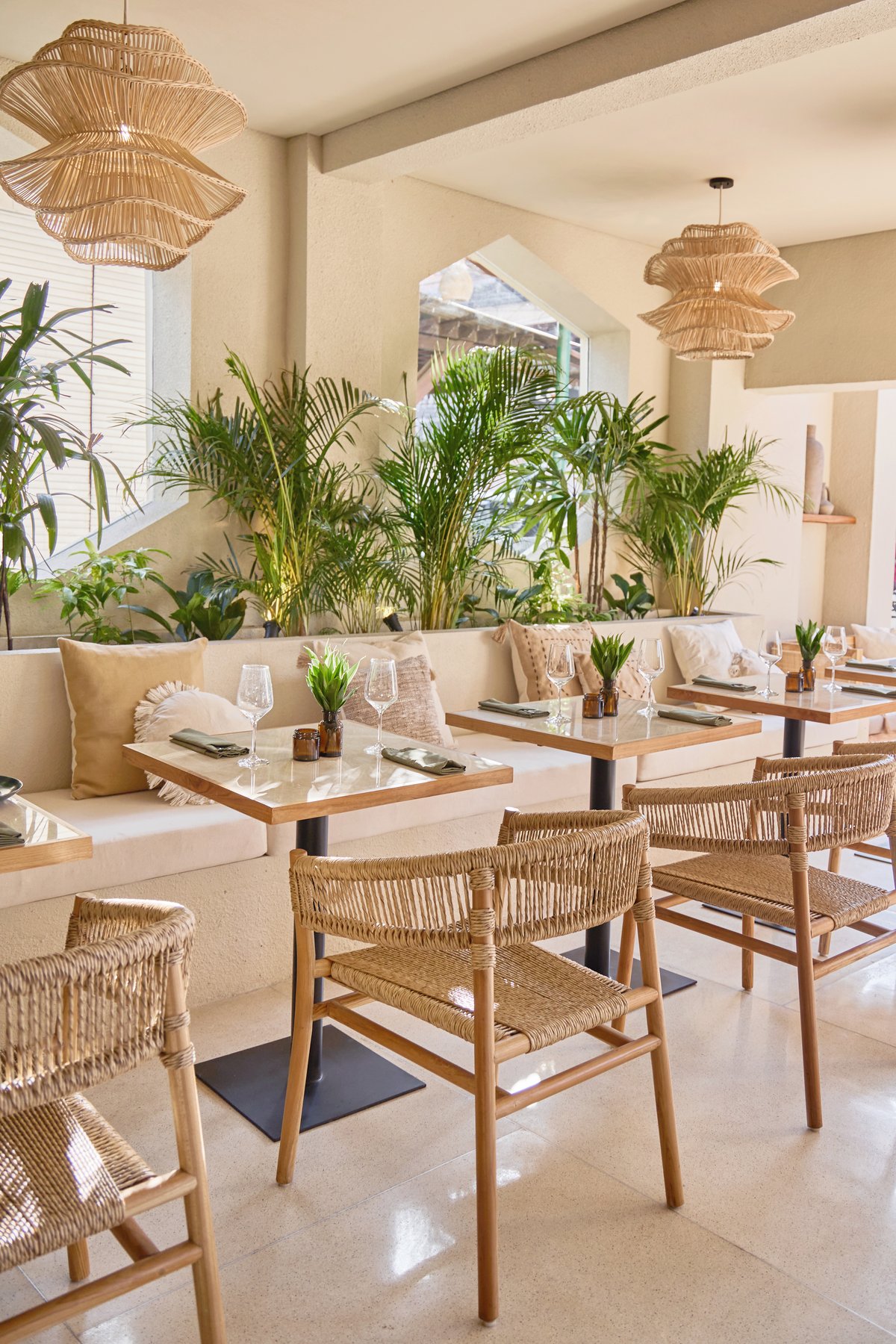
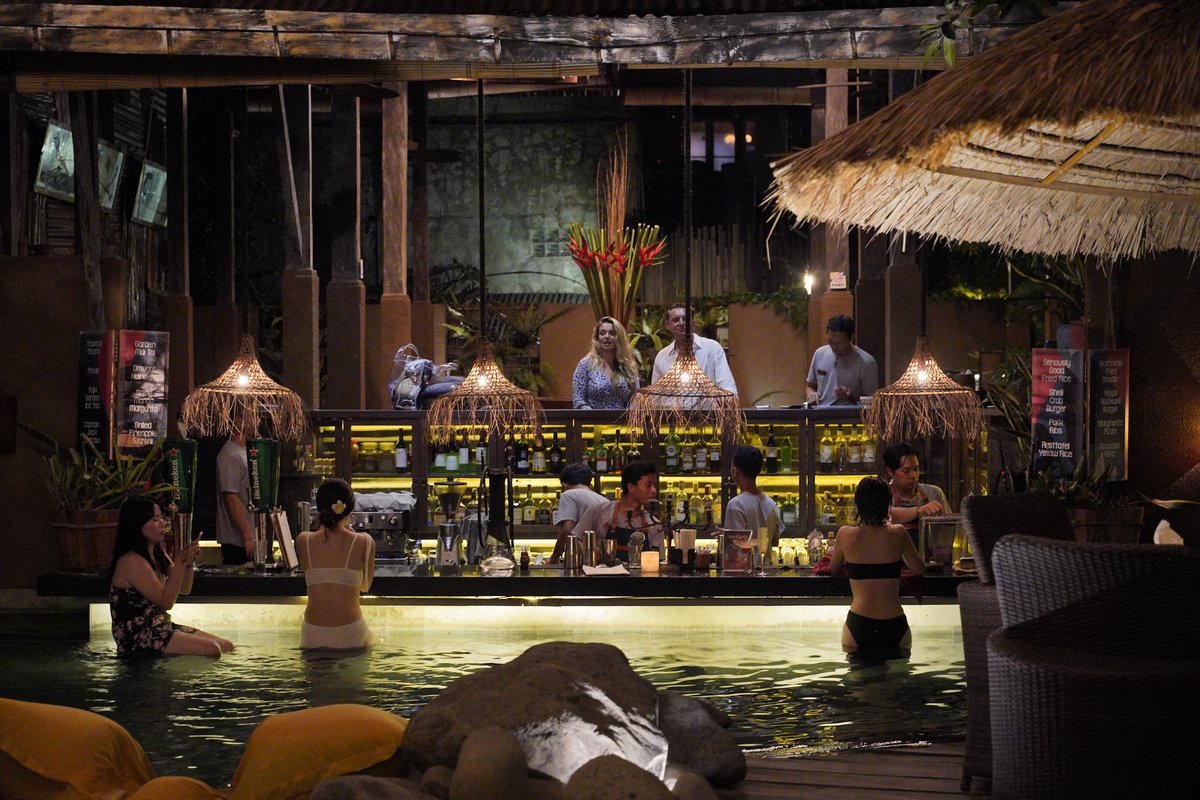
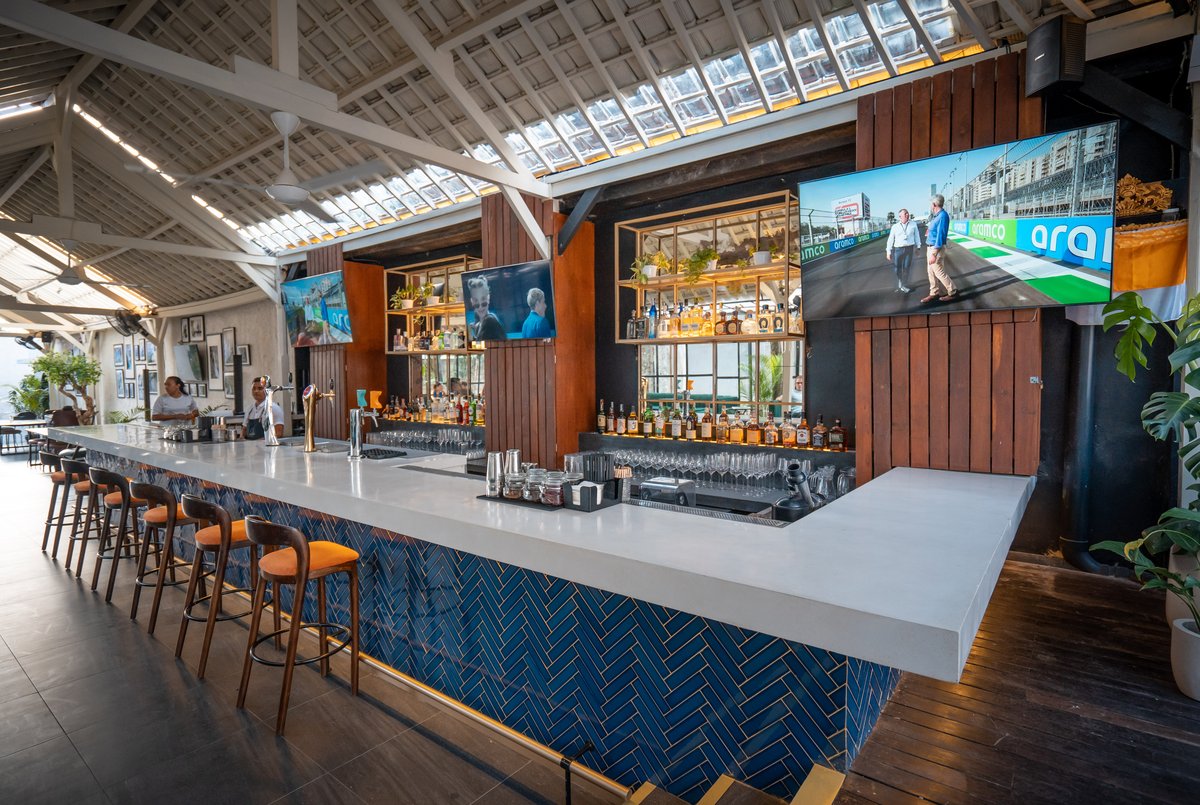
Ubud has earned a reputation as Bali’s culinary capital, offering everything from humble warungs serving nasi campur and rich babi guling to acclaimed restaurants specializing in plant-based cuisine. For coffee lovers, the town is a specialty roasting hub where you can sample locally grown Arabica. Nightlife follows a relaxed rhythm rather than a club scene. Strict local ordinances require all amplified music and live performances to conclude by 22:30, meaning evenings are best spent enjoying a quiet cocktail or a candlelit dinner. The highest concentration of restaurants clusters along the main street, but venturing into neighboring hamlets rewards you with quieter, equally exceptional options.
Getting There
Ubud has no airport, so you will fly into Ngurah Rai International Airport in southern Bali. The journey north takes approximately forty to sixty minutes by road. The most convenient options include booking a private transfer, hiring a reputable taxi, or using ride-hailing applications. Several shuttle services operate regular routes between the airport and Ubud, offering a cost-effective way to reach your accommodation. Public buses also stop in downtown Ubud, though schedules may not align with late-night arrivals.
Getting Around
Navigating Ubud requires a mix of walking and motorized transport. Central Ubud is highly walkable, and you can easily explore the palace area and local markets on foot. However, sidewalks are often obstructed by parked motorcycles or uneven pavement, so you must remain vigilant when crossing streets. Renting a scooter is the most flexible choice for longer distances, provided you hold a valid license and exercise caution. Ride-hailing apps connect you to local drivers at fixed rates, while private car hires offer a comfortable way to cover the wider region.
Best Time to Visit
Bali’s climate divides the year into two distinct seasons. The dry season, spanning April through October, offers sunny days and ideal conditions for outdoor exploration. The wet season, from November to March, brings frequent afternoon showers and lush vegetation. For cultural immersion, time your visit with major festivals. Nyepi, the Day of Silence, transforms the island into a hushed sanctuary where all activity ceases for twenty-four hours. Galungan and Kuningan, occurring every two hundred ten days, feature elaborate street decorations and traditional dances. The Ubud Writers & Readers Festival in October also attracts global literary figures.
Practical Tips
Carry Indonesian Rupiah in small denominations, as many local vendors do not accept cards. While the area is generally safe, petty theft can occur in crowded markets, so secure your belongings. Traffic remains the most common hazard; always wear a helmet on scooters and practice defensive walking. When visiting temples, you must wear a sarong and sash, usually provided at the entrance. Respect local customs by asking permission before photographing people and never step on sacred ground level offerings. Learning basic phrases like Terima kasih (thank you) and Permisi (excuse me) will significantly enhance your interactions.
Accommodation
Your choice of neighborhood will shape your experience. Staying in central Ubud places you within walking distance of restaurants and galleries, though you will contend with traffic noise. For a tranquil setting, consider accommodations along the river valleys or near the rice terraces, where you can wake to misty landscapes. Budget travelers will find clean hostels under twenty-five dollars, while mid-range boutique properties typically range from fifty to one hundred twenty dollars. Luxury villas with private pools start around two hundred and can exceed five hundred. Check-in and check-out times are generally flexible around 14:00 and 11:00, but early arrivals may incur extra fees.
Day Trips
Ubud serves as an excellent base for exploring Bali’s interior. A short drive takes you to Tirta Empul, a sacred water temple where you can observe traditional purification rituals. Further north, Gunung Kawi features ancient rock-cut shrines carved into a river gorge. If you seek volcanic landscapes, the Kintamani region provides stunning views of Mount Batur and the surrounding caldera. For a slower pace, the village of Sidemen offers pristine rice paddies, traditional weaving workshops, and fewer tourists. Each destination is easily accessible via private driver, allowing you to structure your days around your interests in culture, nature, or photography.