The Asia-Africa Monument is more than just a physical structure amidst the bustling city of Bandung; it is a magnificent historical symbol reflecting the spirit of unity and solidarity among Asian and African nations. Located at the heart of Indonesia's most historically significant street, Jalan Asia-Afrika, the monument stands firm as a silent witness to the 1955 Asia-Africa Conference (AAC). With high ratings from visitors and a reputation as a crucial historical tourism destination, it offers a profound experience for anyone who visits to learn, photograph, and reflect on Bandung's role in the global geopolitical landscape. The atmosphere surrounding the monument beautifully blends colonial architecture with modern elements, creating a unique and deeply meaningful ambiance.
📸 Fotogalerij
Why Visit This Place
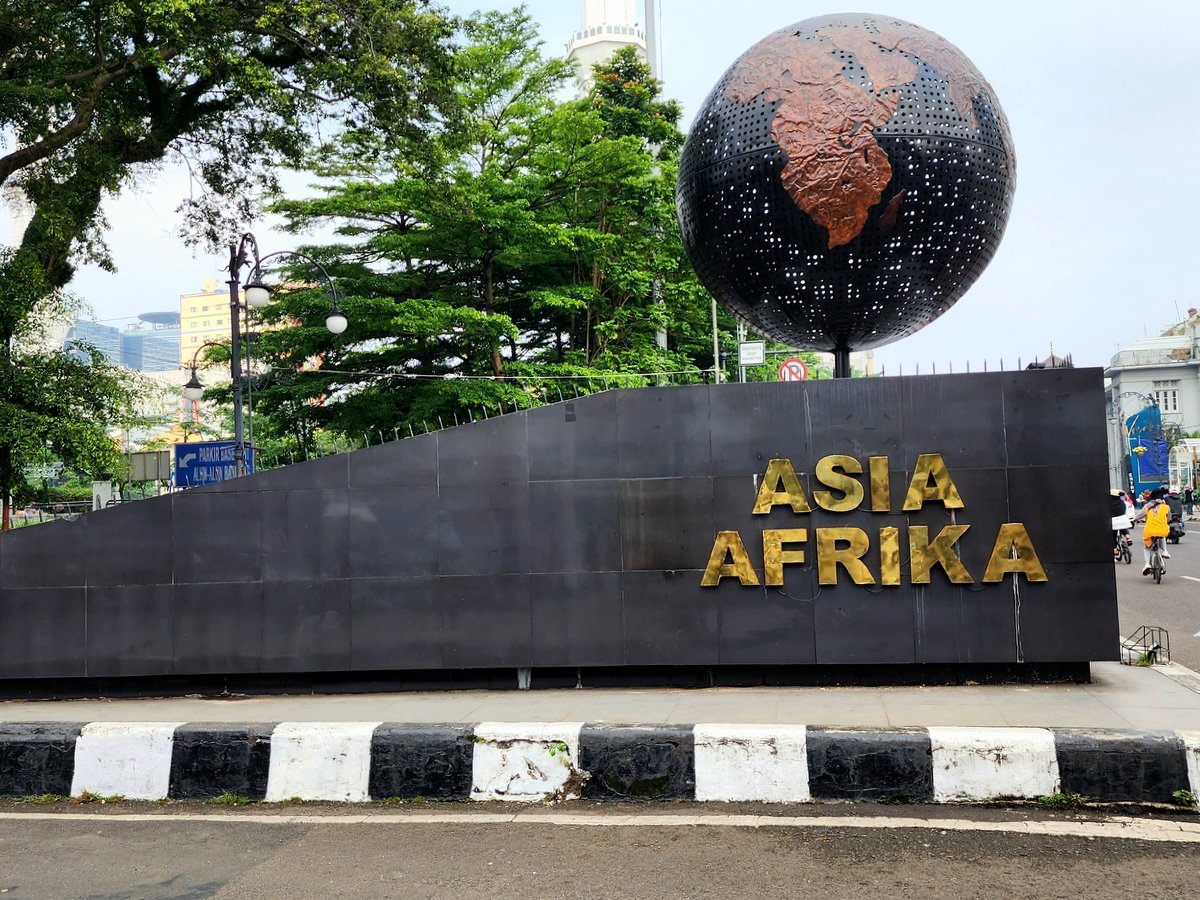
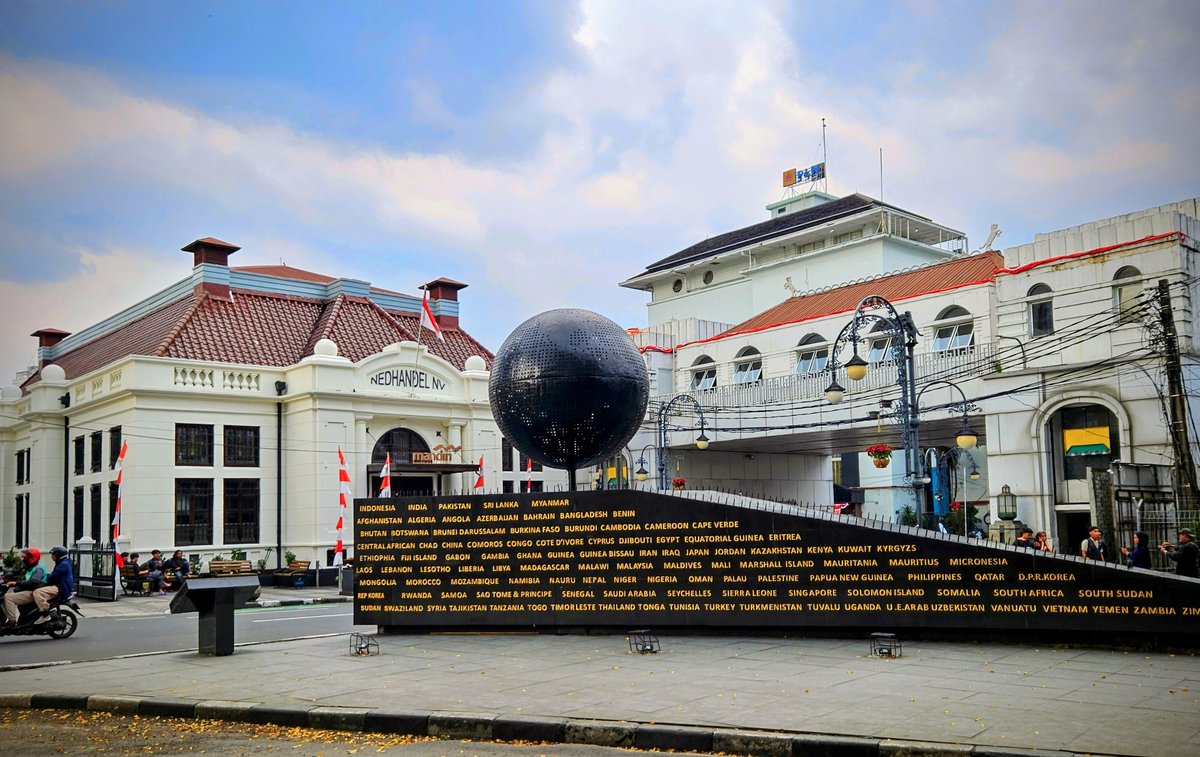
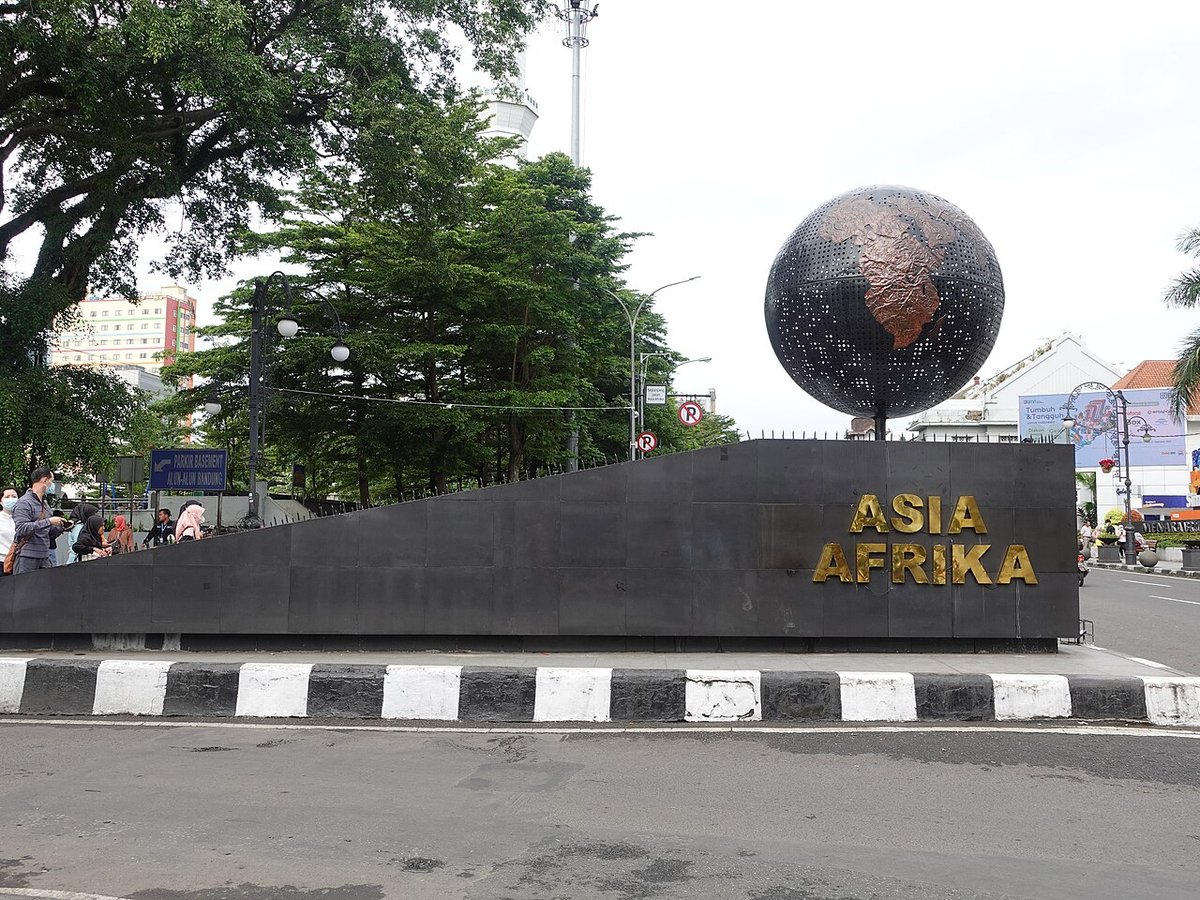
Visiting the Asia-Africa Monument is essential for any traveler seeking a deeper understanding of Indonesian history. The monument was specifically constructed to commemorate the inaugural Asia-Africa Conference held in Bandung in 1955. This event marked a historic moment where newly independent Asian and African nations gathered to advocate for solidarity and cooperation amid Cold War tensions. Consequently, the monument transcends a typical tourist attraction, standing instead as a symbol of international diplomacy rooted in developing nations. Another unique aspect lies in its highly symbolic architectural design. The structure takes the form of a globe supported from below by two hands, representing international cooperation and unity. The globe symbolizes a single world without racial or class divisions, while the supporting hands embody Asian and African solidarity in building a peaceful and just global order. As a clearly categorized historical landmark, it serves as a highly effective visual educational tool for younger generations to grasp the values of national sovereignty and resistance against imperialism.
Experiences to Enjoy
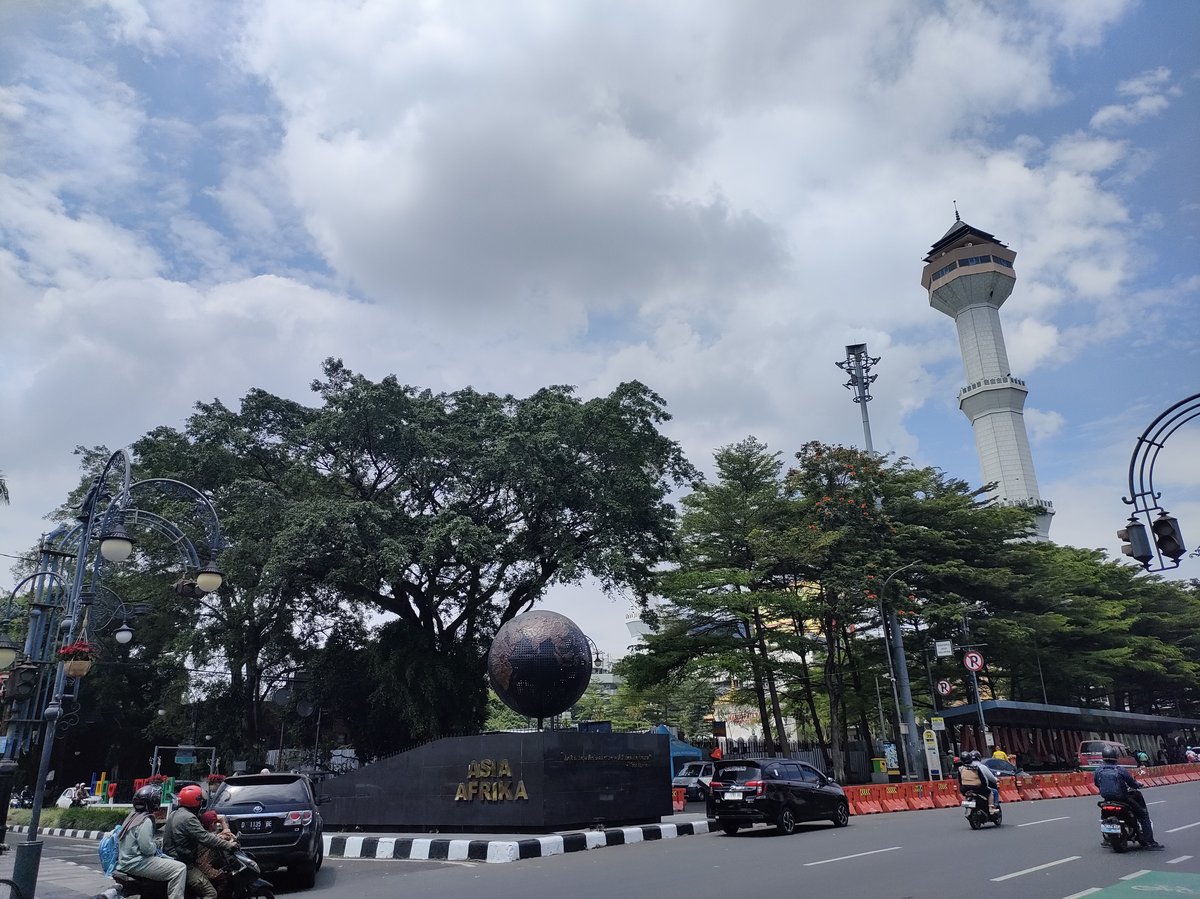
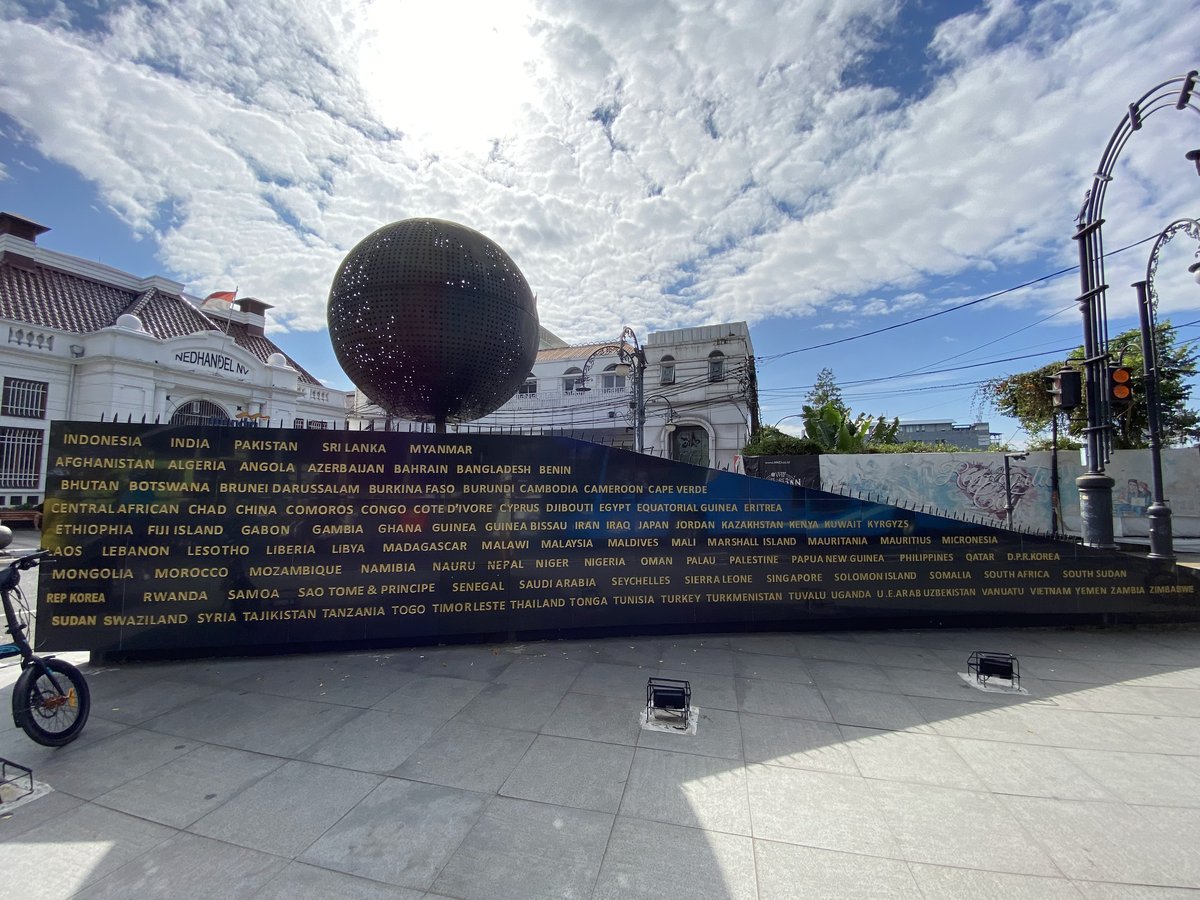
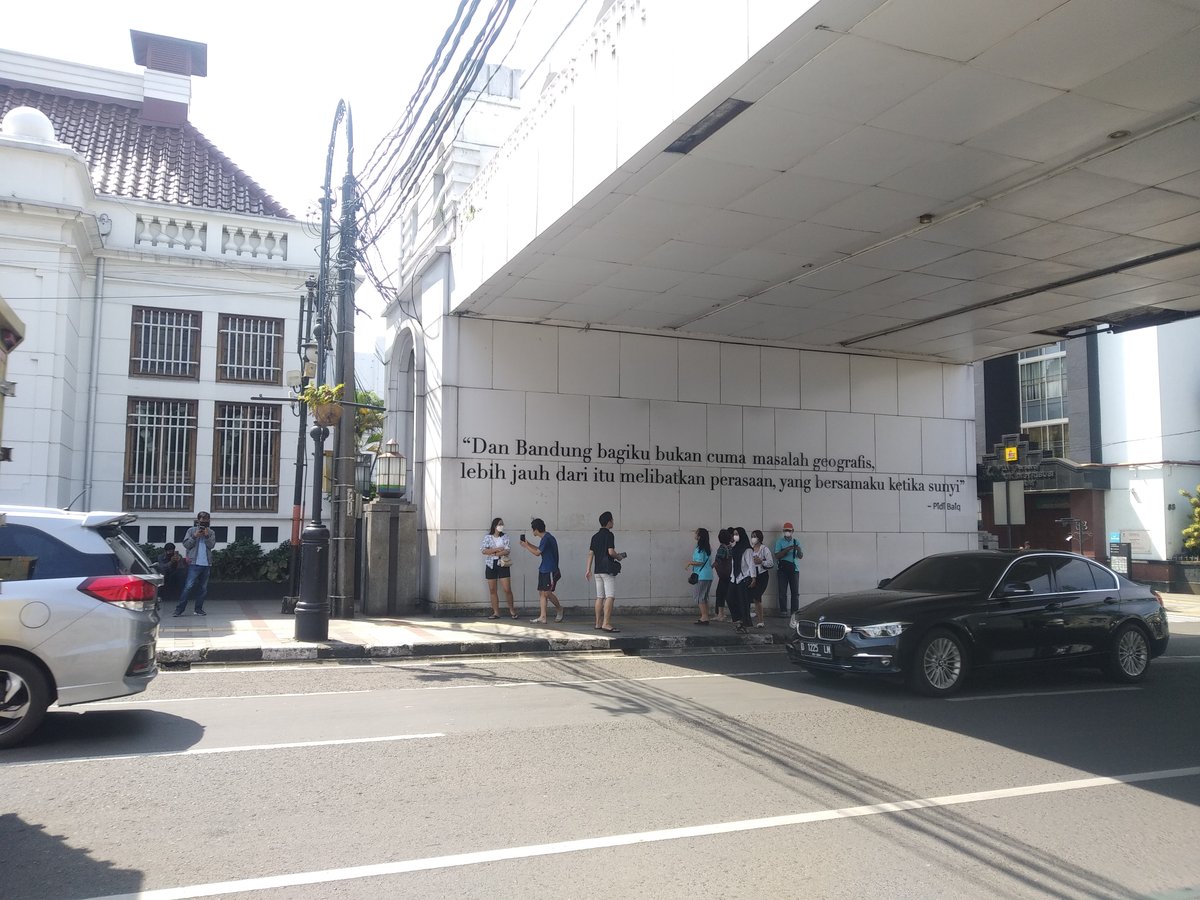
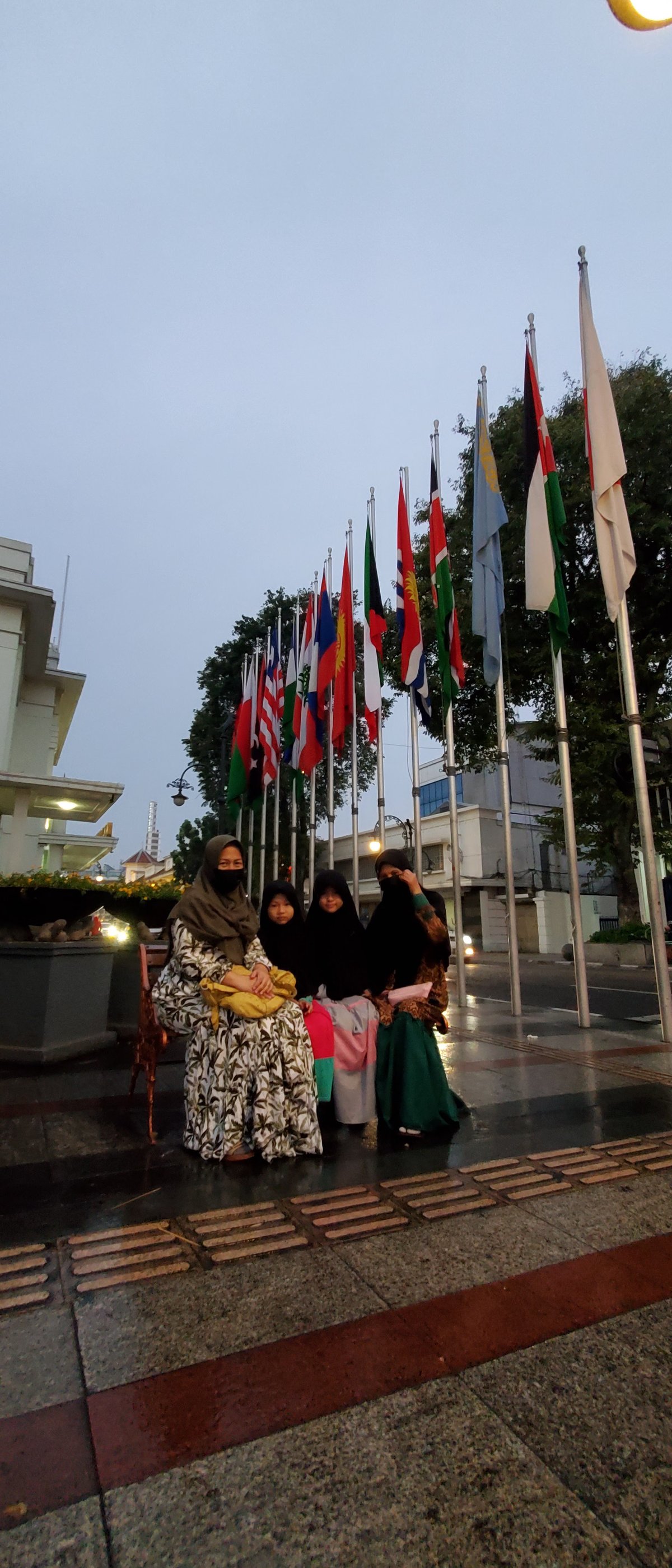
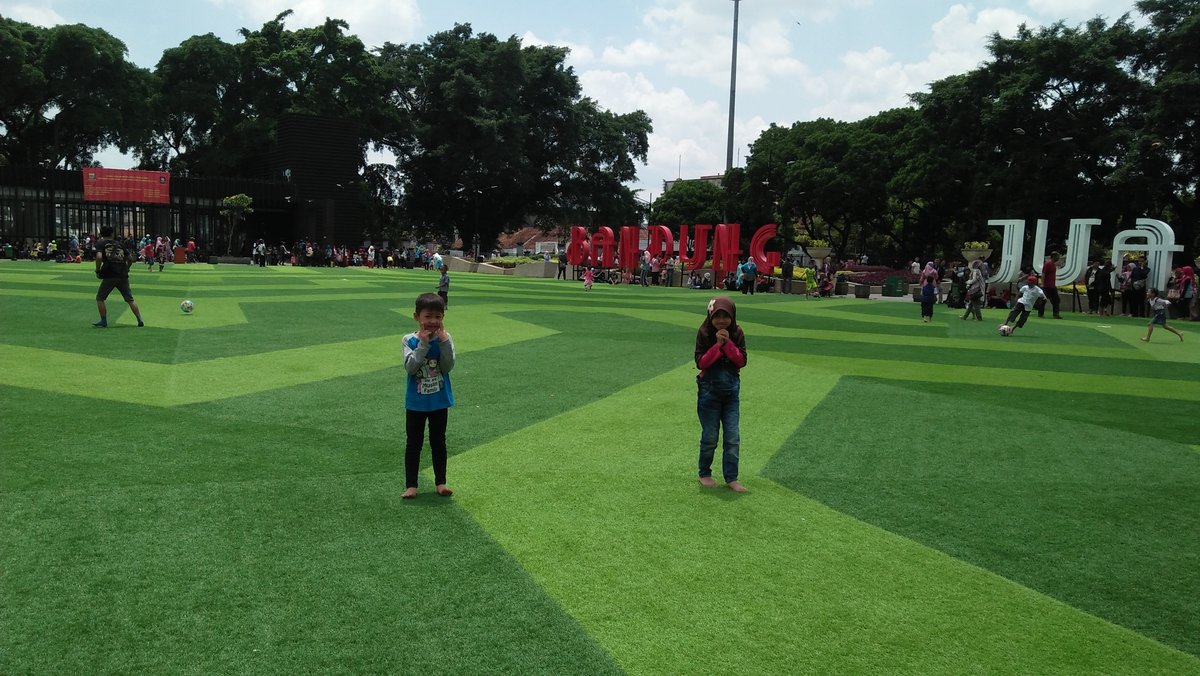
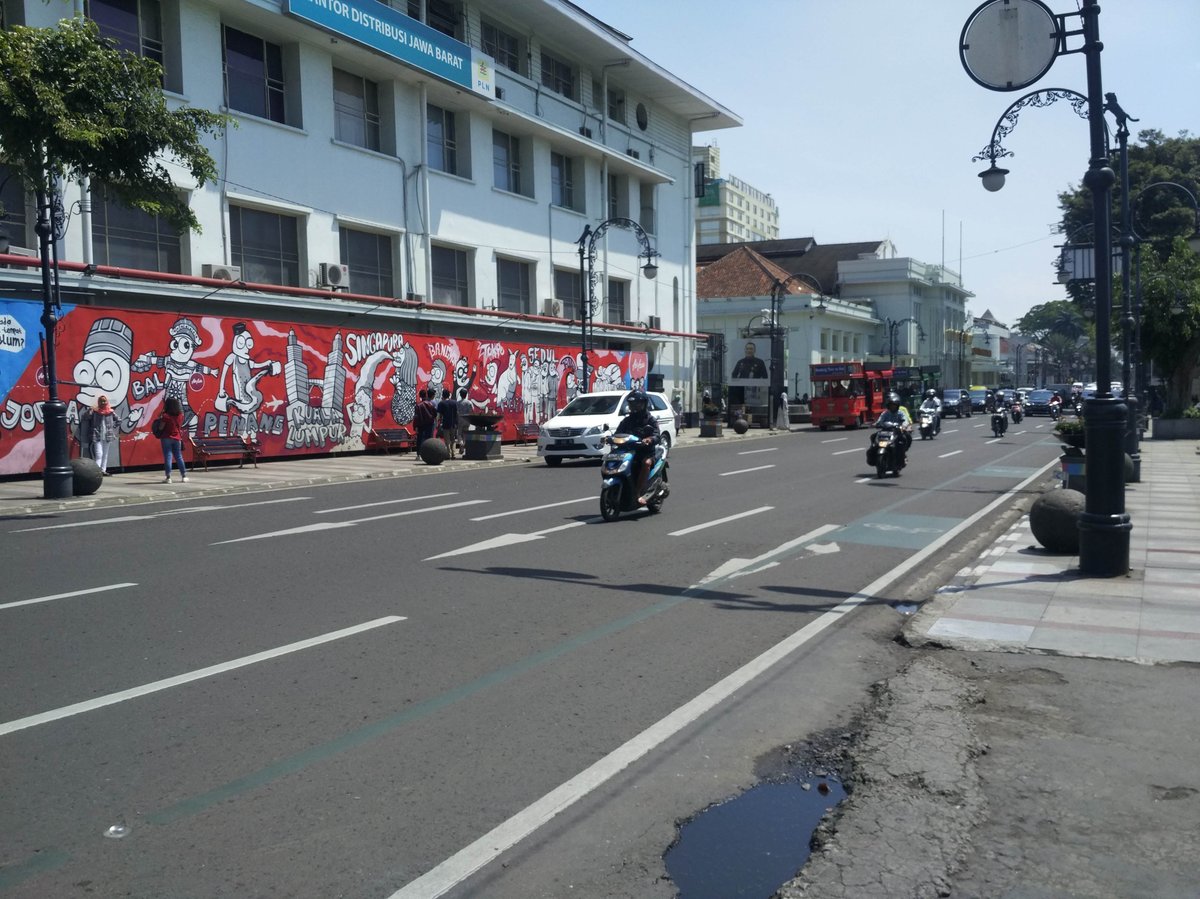
Upon arrival, you will be greeted by the towering monument, rendered with exceptionally precise detailing. You can admire the intricately carved Asia-Africa map on the globe, as well as read the names of participating countries engraved at its base. The monument's strategic location, situated between Alun-Alun Bandung and Gedung Asia-Afrika, allows you to conduct a comprehensive historical tour in a single visit. You can leisurely walk along the iconic Jalan Asia-Afrika, appreciating the surrounding colonial architecture that evokes a sense of traveling abroad. Visitors can also savor a romantic and serene atmosphere, particularly as streetlights illuminate the area in the late afternoon. This setting is ideal for capturing photographs against the backdrop of the majestic monument and its historic surroundings. Furthermore, the presence of a micro-library near the monument area enhances your experience, offering reading materials or a quiet retreat amidst the city. The site frequently serves as a hub for ceremonial events and historical pilgrimages, allowing you to experience a strong diplomatic and patriotic ambiance, especially if you are fortunate enough to visit during an AAC anniversary commemoration.
Operating Hours
One of the greatest advantages of the Asia-Africa Monument is its exceptional accessibility. The site is open 24 hours a day, seven days a week. This flexible operating schedule allows you to visit at a time that best suits your itinerary, whether in the morning to enjoy fresh air, during the day to study its history, or at night to experience a different city atmosphere. There are no time restrictions for visits, giving you ample opportunity to linger around the monument to capture the best photographic angles or simply enjoy the views.
Getting There
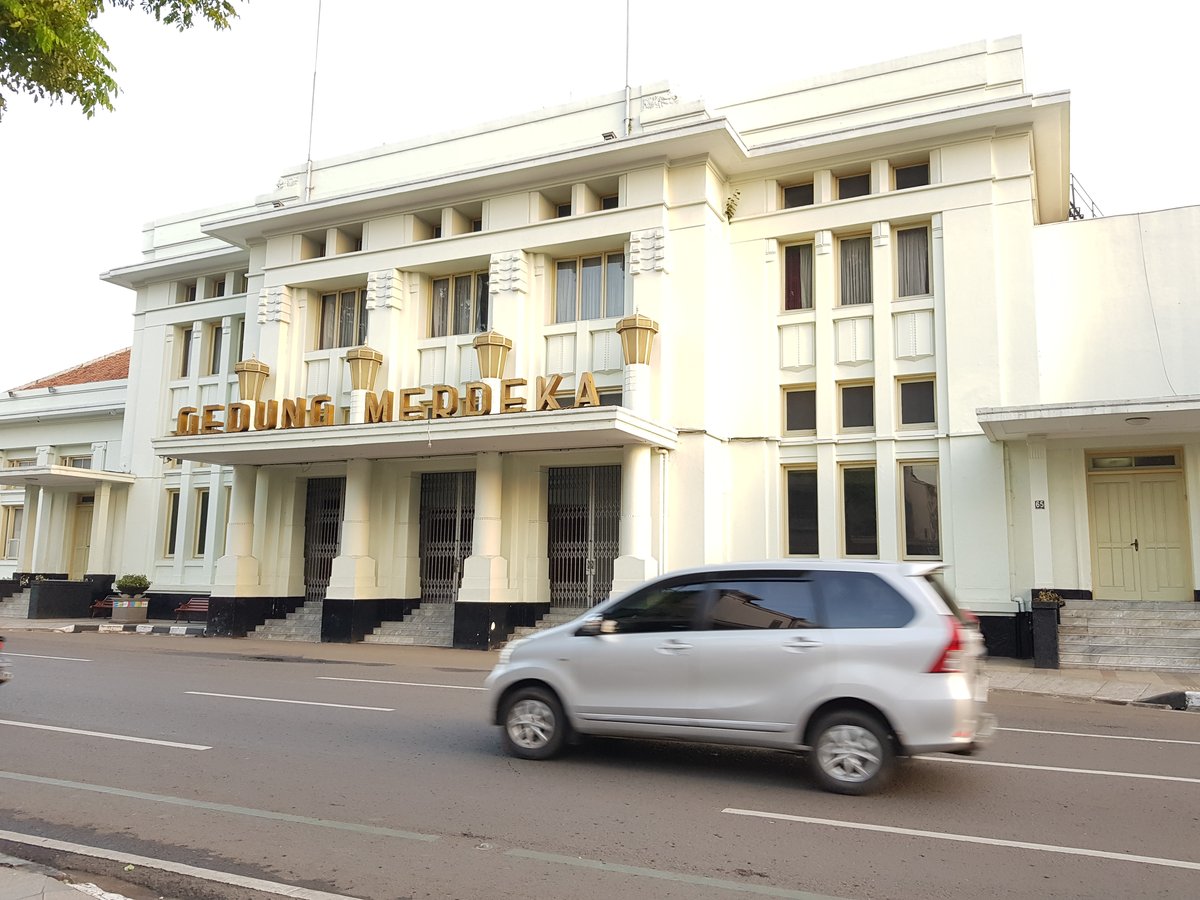
The Asia-Africa Monument is located at Jl. Asia-Afrika No. 84, Balonggede, Regol District, Bandung City, West Java 40251. This location is highly accessible due to its central position and status as one of Bandung's most renowned streets. You can reach the site using various modes of transportation, including private vehicles and public transit. If driving, the area around Jalan Asia-Afrika offers parking access, though you should exercise caution regarding limited parking spaces during peak hours. For those using ride-hailing services or taxis, you can easily request to be dropped off directly in front of the monument or at the nearby Gedung Merdeka area. Its excellent accessibility makes the monument a highly practical addition to your Bandung travel itinerary.
Practical Tips for Visitors
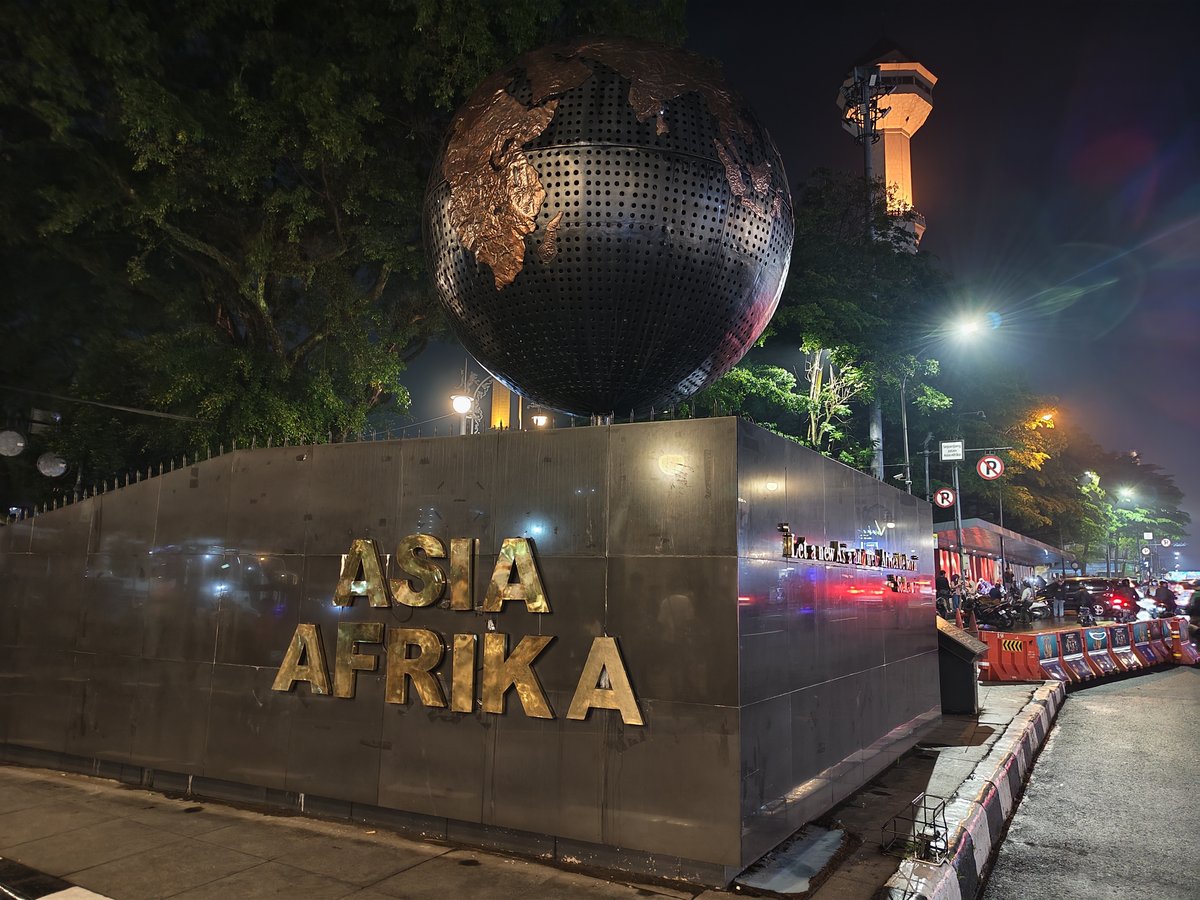
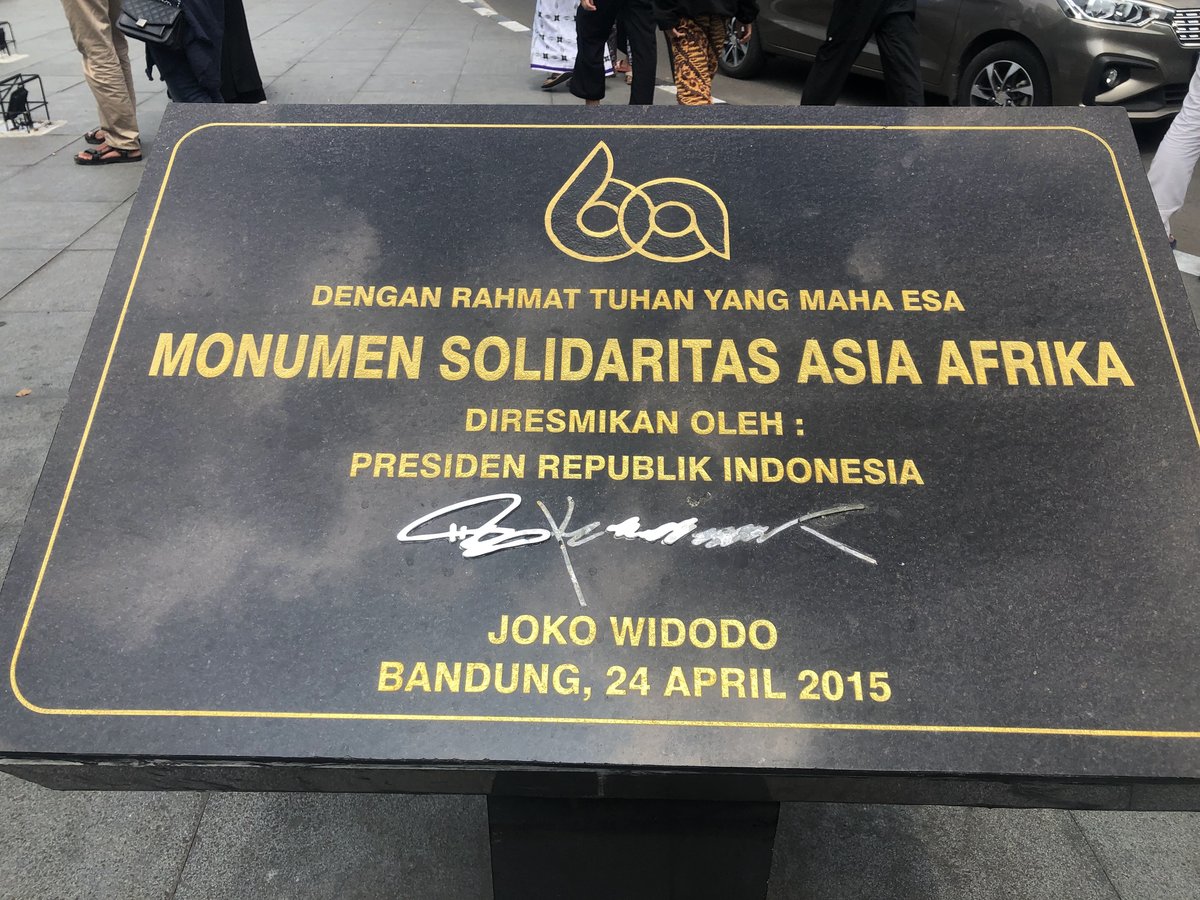
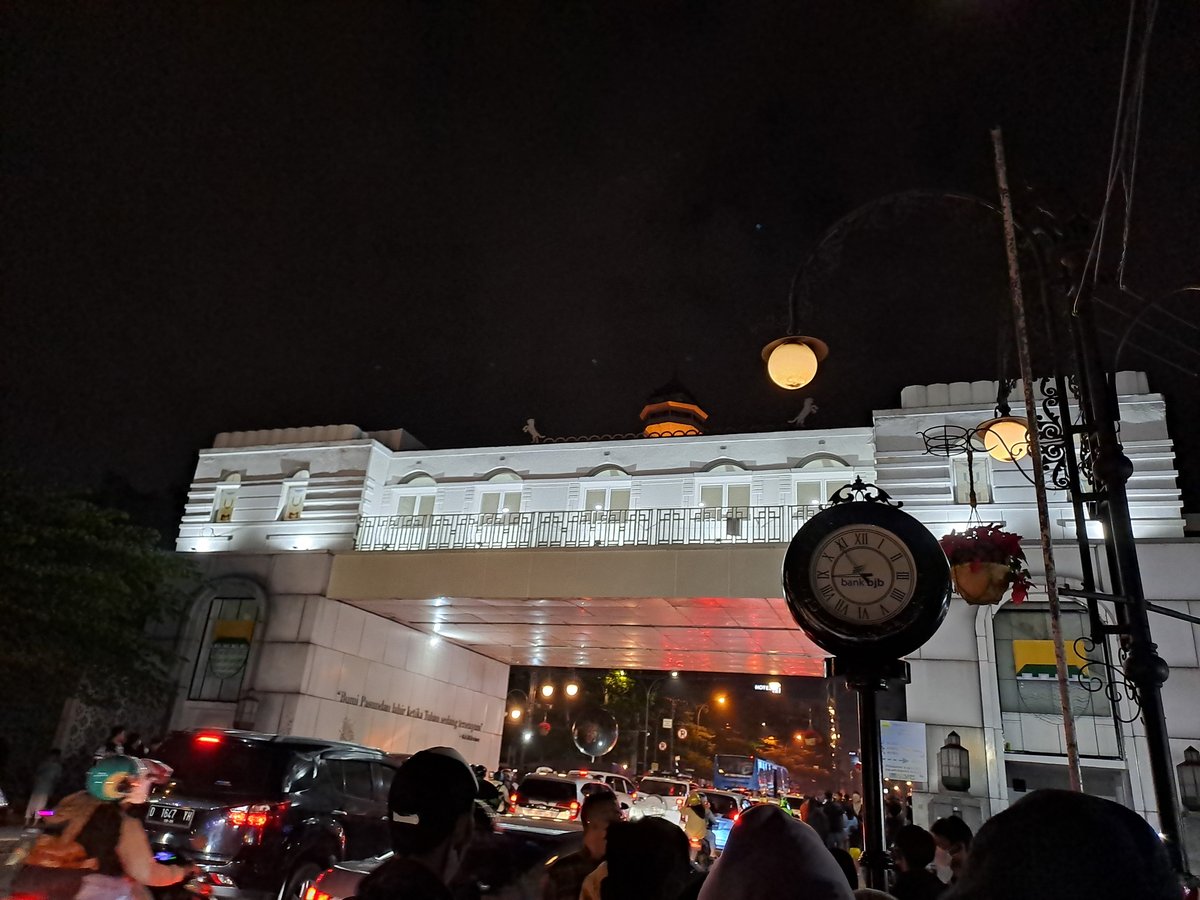
To ensure the best experience when visiting the Asia-Africa Monument, it is recommended to arrive in the late afternoon or evening. As noted in several reviews, the atmosphere becomes particularly serene and romantic once the city lights begin to glow, casting dramatic illumination on the monument and its surrounding colonial buildings. Wear comfortable clothing and sturdy walking shoes, as you will be covering considerable ground around the monument area and may wish to visit the nearby micro-library. Additionally, maintain cleanliness and show respect, as this is a significant historical site. Take time to read the informational plaques on the monument to gain full historical context, and be sure to capture photographs from multiple angles to preserve your visit.
Visitor Reviews
"A monument built to commemorate the first Asia-Africa Summit held in Bandung in 1955."
"The Asia-Africa Monument is a must-visit landmark when on Jalan Asia-Afrika. It features a globe with the Asia-Africa map, and the names of AA countries are inscribed at the bottom. The monument is situated between Alun-Alun Bandung and Gedung Asia-Afrika. A micro-library is also nearby and open to visitors."
"I always love the atmosphere around the Asia-Africa Monument. The colonial architecture makes you feel like you are abroad. It is most perfect to visit when the streetlights turn on; the ambiance is serene and romantic. There is an endless supply of photo spots!"
"The Asia-Africa Monument was built to commemorate the historic Asia-Africa Conference (AAC) held in Bandung from April 18–24, 1955. The monument stands as a symbol of: the unity of Asian and African nations, the anti-colonial and anti-racist spirit, and the solidarity of Third World countries."
The Asia-Africa Monument is a precious legacy of a rare historical moment when the voices of smaller nations gathered and resonated against colonialism, injustice, and racism. For those planning a trip to Bandung, ensure this monument remains a priority on your itinerary. With its rich history, symbolic design, and strategic location, it offers not only visual beauty but also valuable lessons on the importance of unity and diplomacy. Your visit to this site is a testament to your appreciation of national history and your hope for a fairer, more peaceful global future.