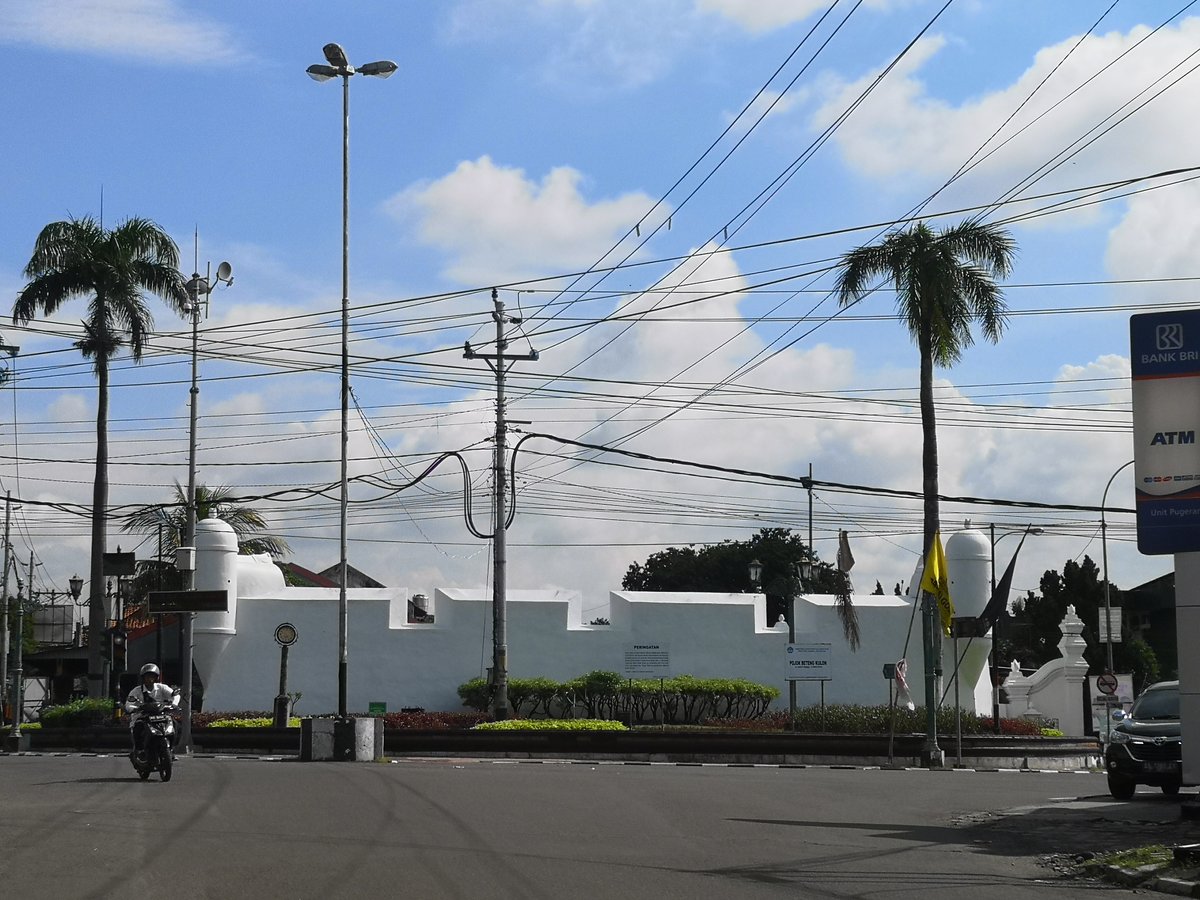
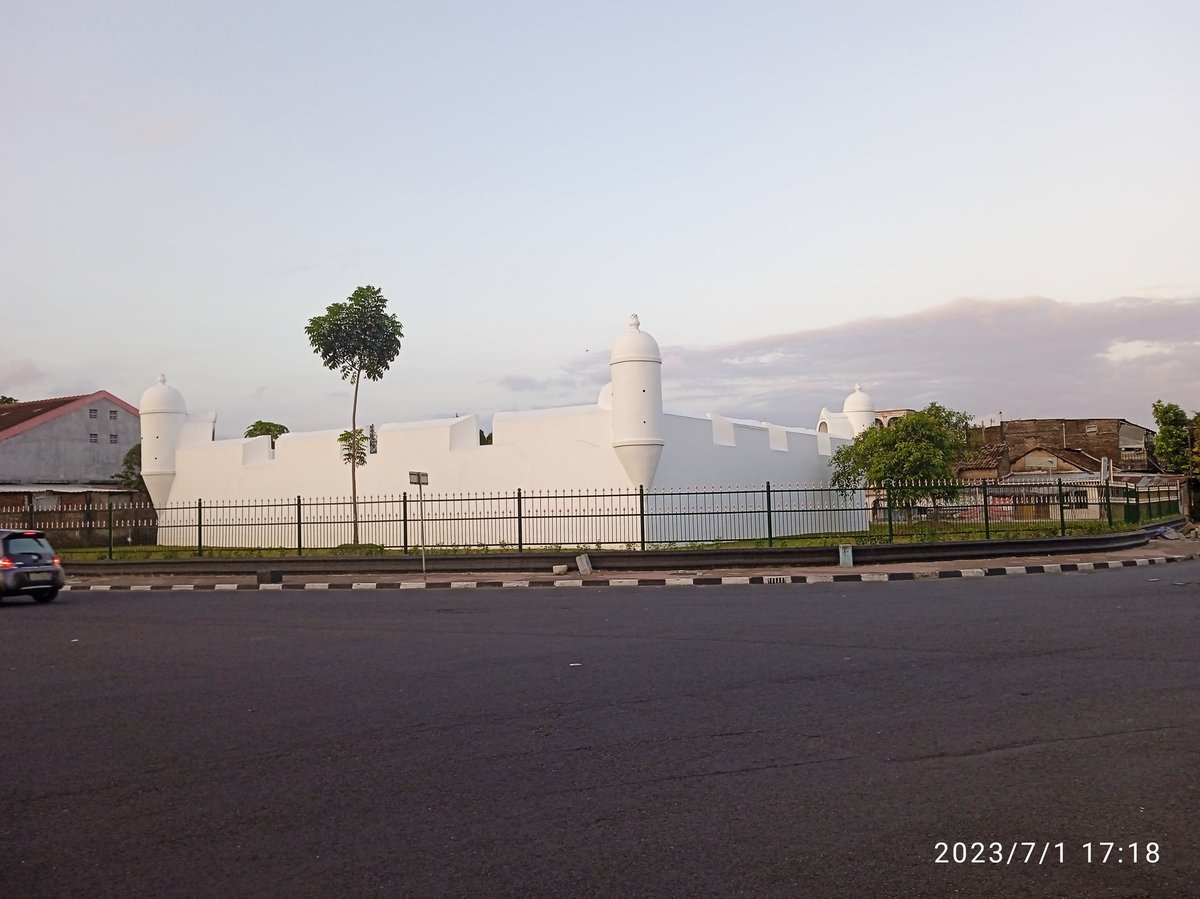
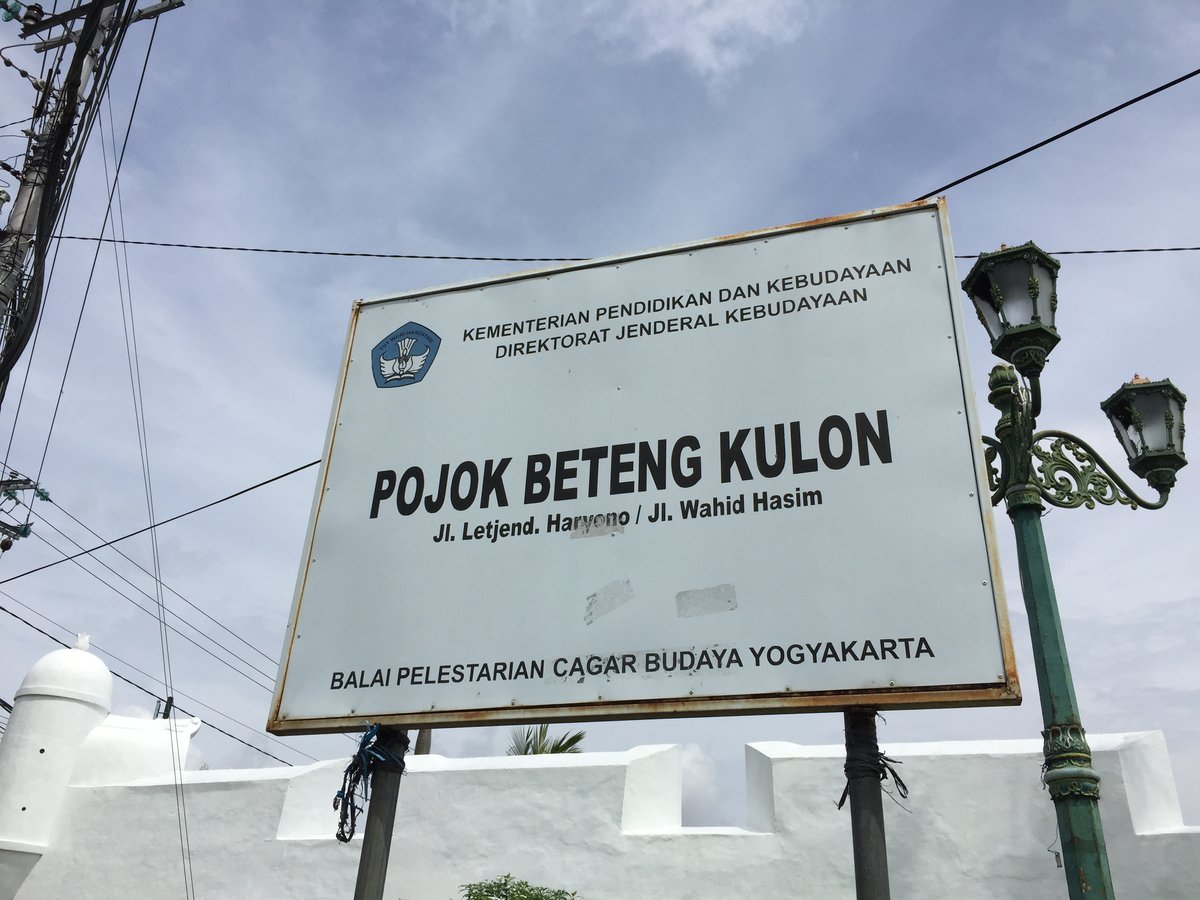
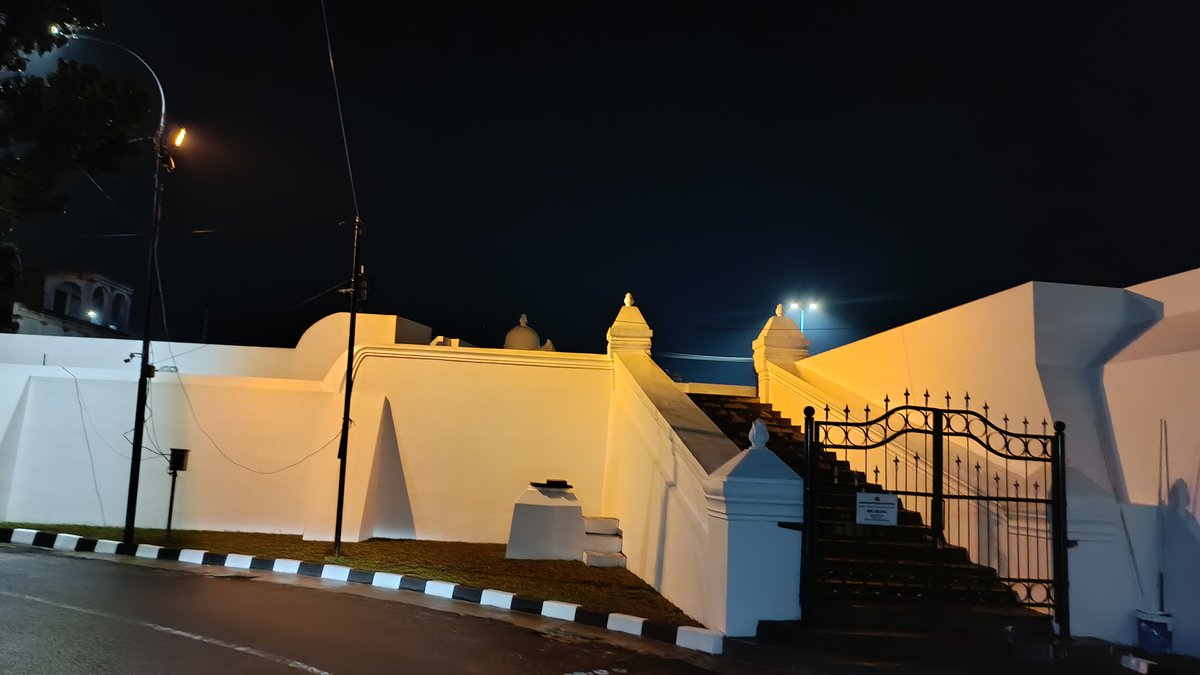
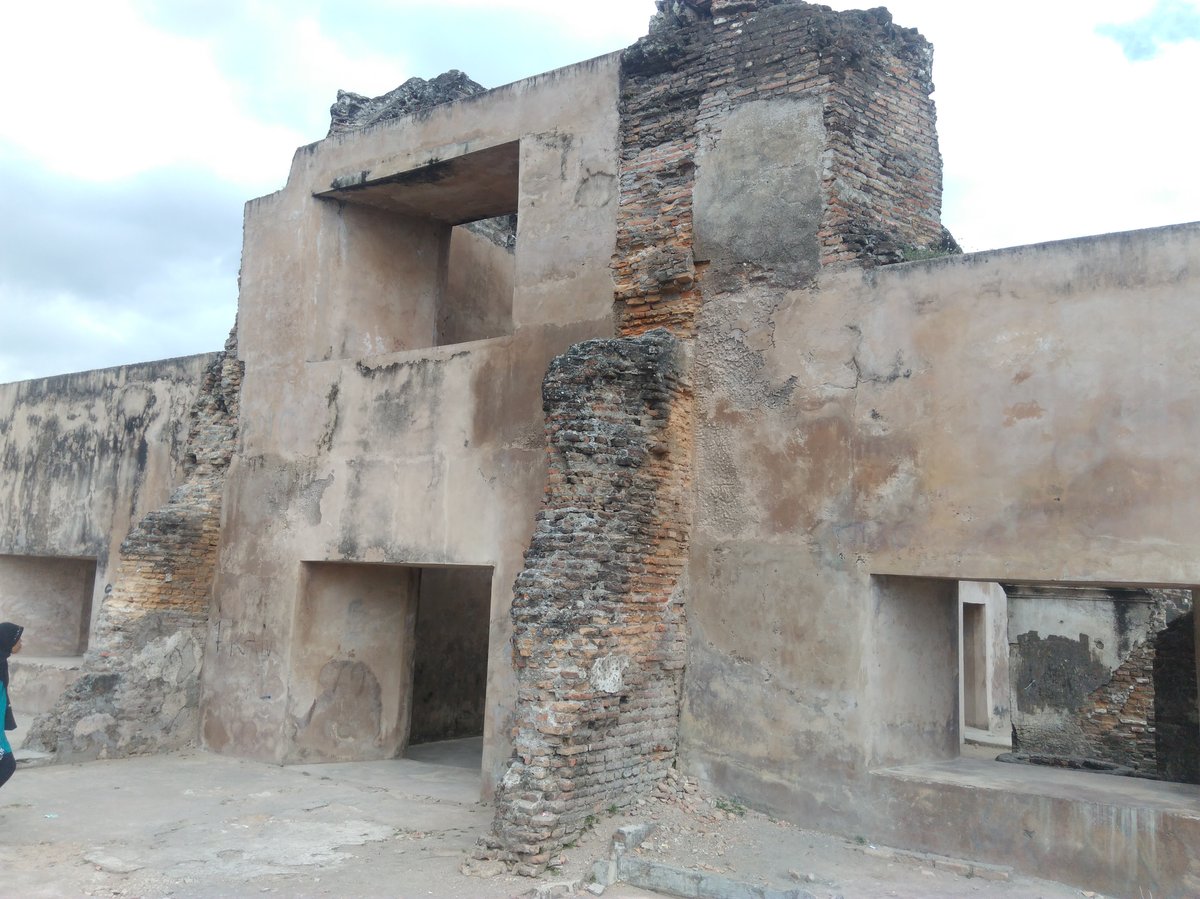
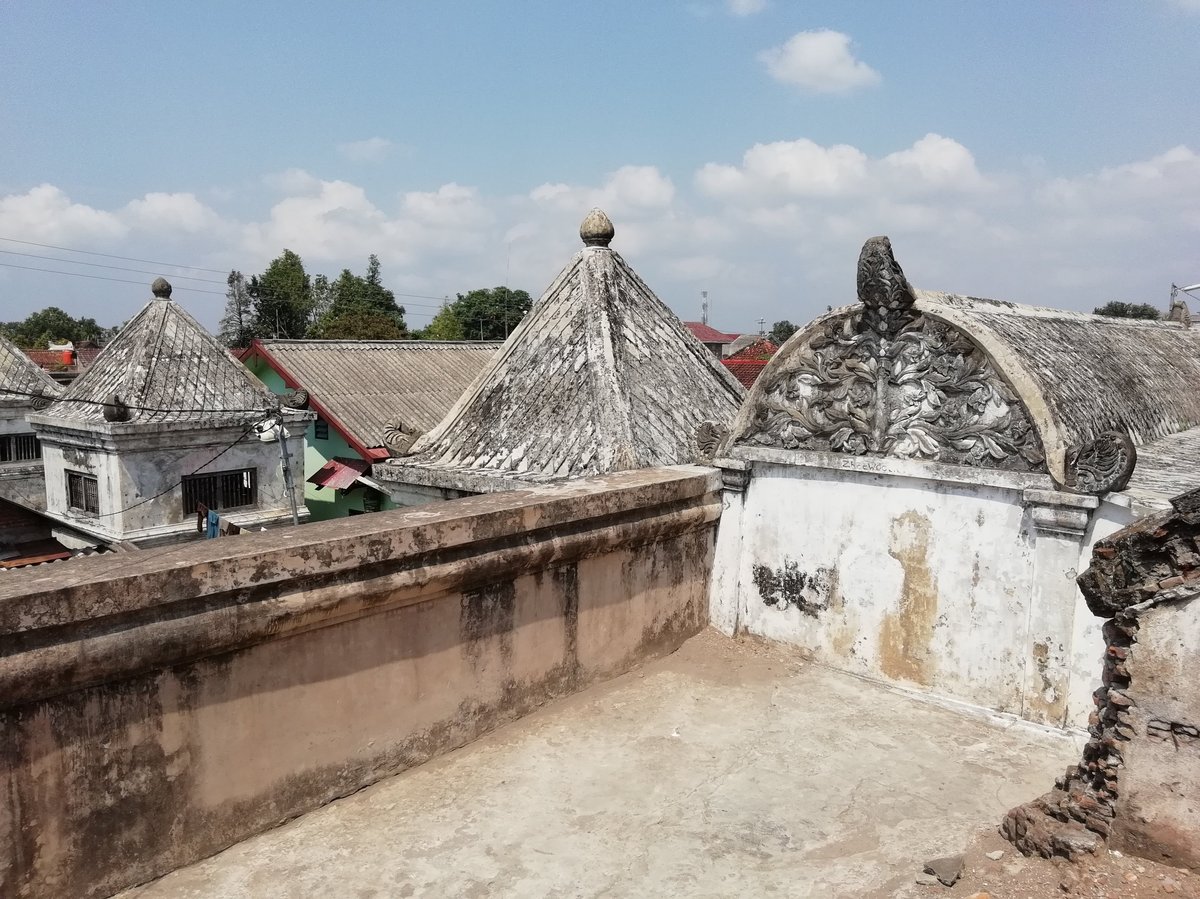
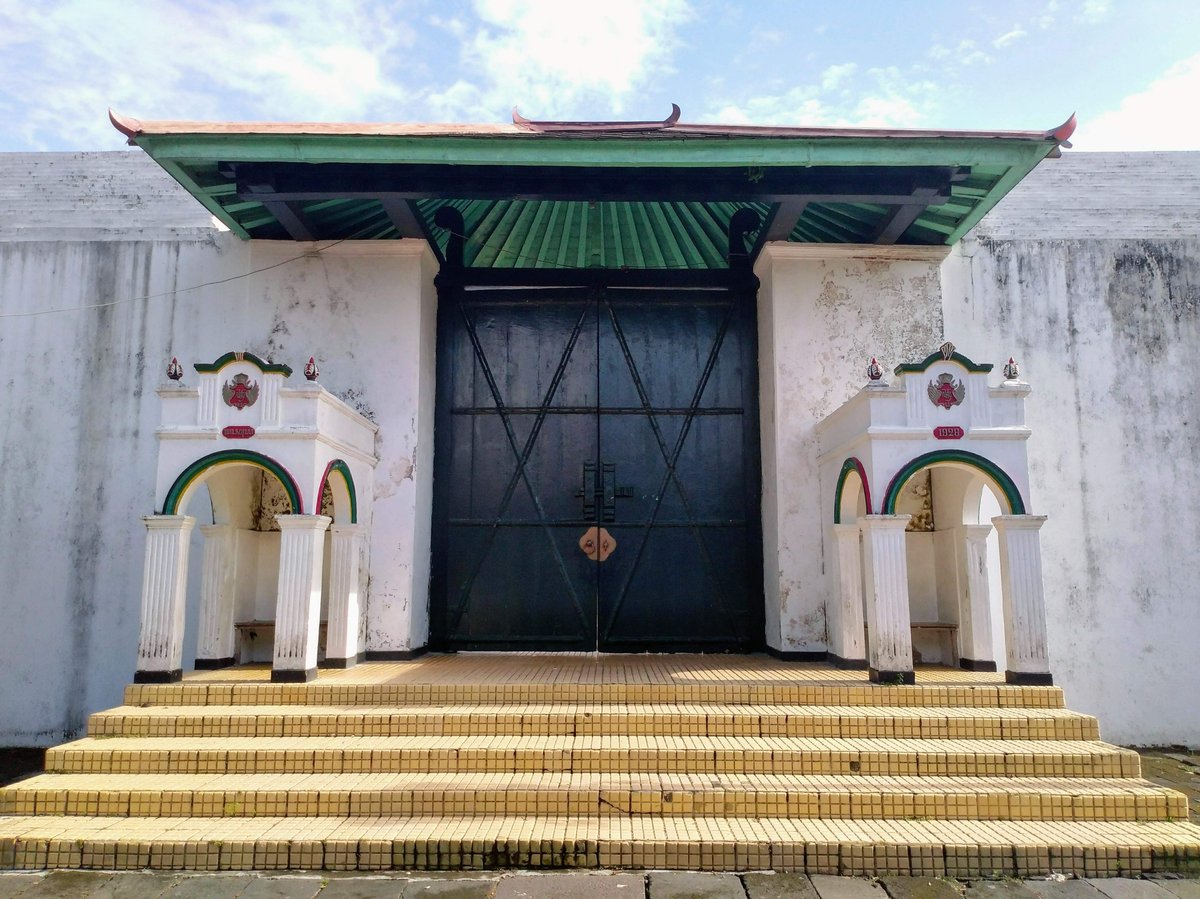
Standing majestically along Jalan Letjend. Haryono, Pojok Benteng Kulon presents a meticulously preserved panorama of 18th-century defensive architecture. As one of the four bastions surrounding the Yogyakarta Palace, this southwestern corner stands as a silent witness to centuries of Javanese struggle and history. Visitors are greeted by several-meter-high brick walls that have undergone comprehensive rehabilitation, projecting an imposing sense of strength while inviting curiosity about the stories etched into their surfaces. The tranquil surroundings, juxtaposed with the steady flow of city traffic alongside it, create a compelling contrast between historical heritage and the dynamic rhythm of modern Yogyakarta.
📸 写真ギャラリー
Why Visit This Site
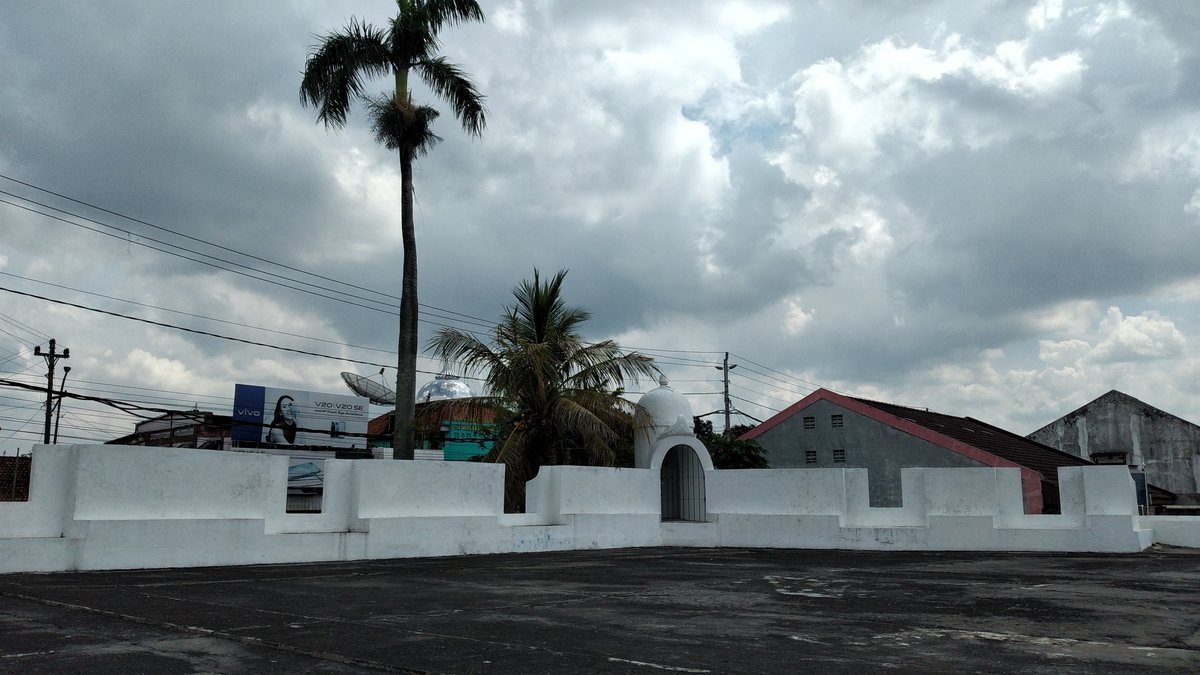
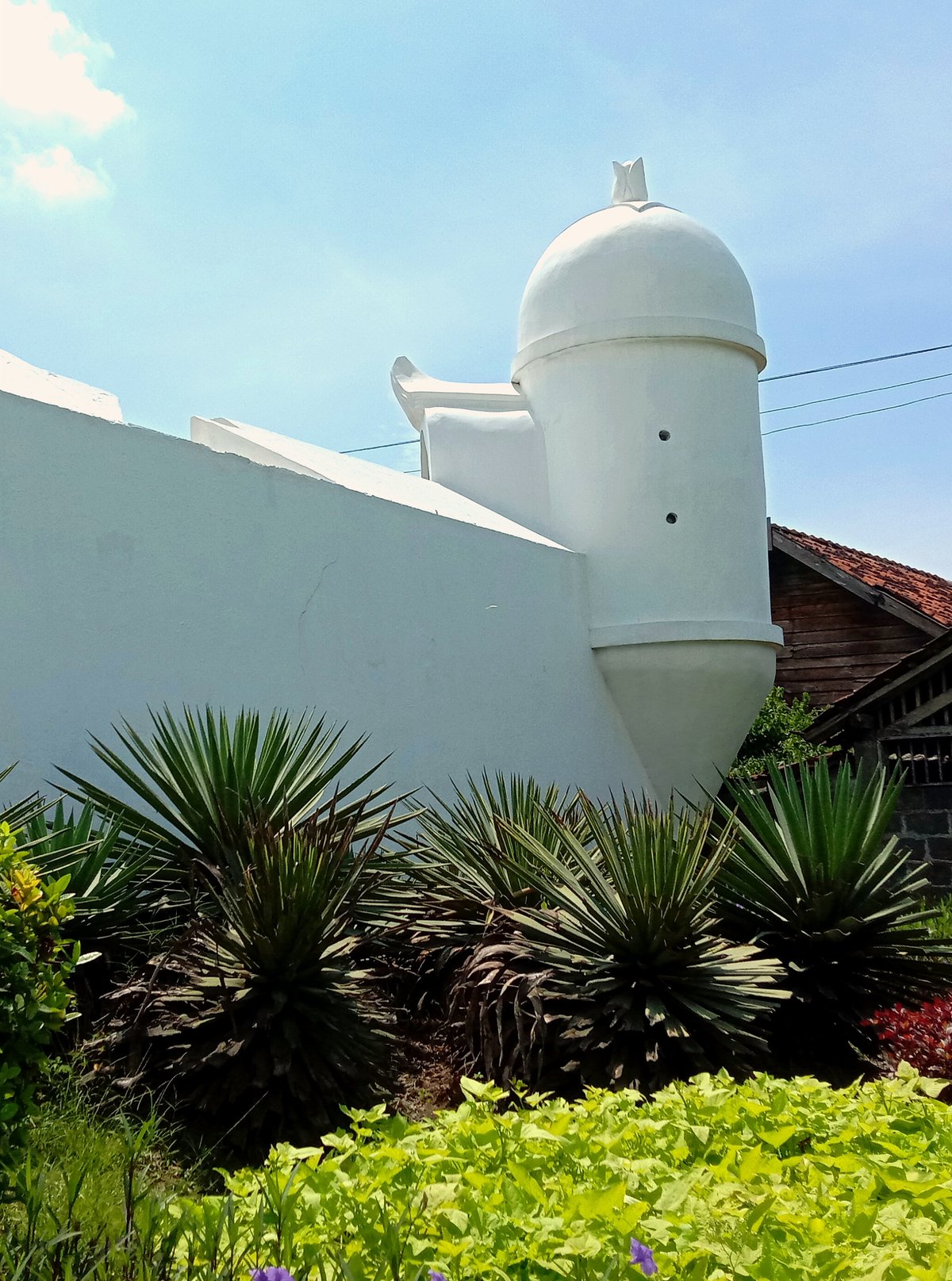
Pojok Benteng Kulon stands as one of the most well-preserved cultural heritage sites in the Yogyakarta Palace area. Constructed in the late 18th century by order of Sri Sultan Hamengku Buwono I following the 1755 Treaty of Giyanti, this bastion was erected to safeguard the administrative center of the Yogyakarta Sultanate from potential attacks. The palace fortress features a square layout with a defensive bastion at each corner. Pojok Benteng Kulon specifically served as a western watchtower for enemy surveillance, a strategic defensive point, and a positioning site for cannons and soldiers. During the Dutch colonial era, the fortification was also utilized as part of the security control system for the Yogyakarta region. Its historical significance is undeniable, given its role as a witness to major battles between the Yogyakarta Sultanate and the British forces, as well as the Java War (War of Diponegoro) led by Prince Diponegoro.
Visitor Experience
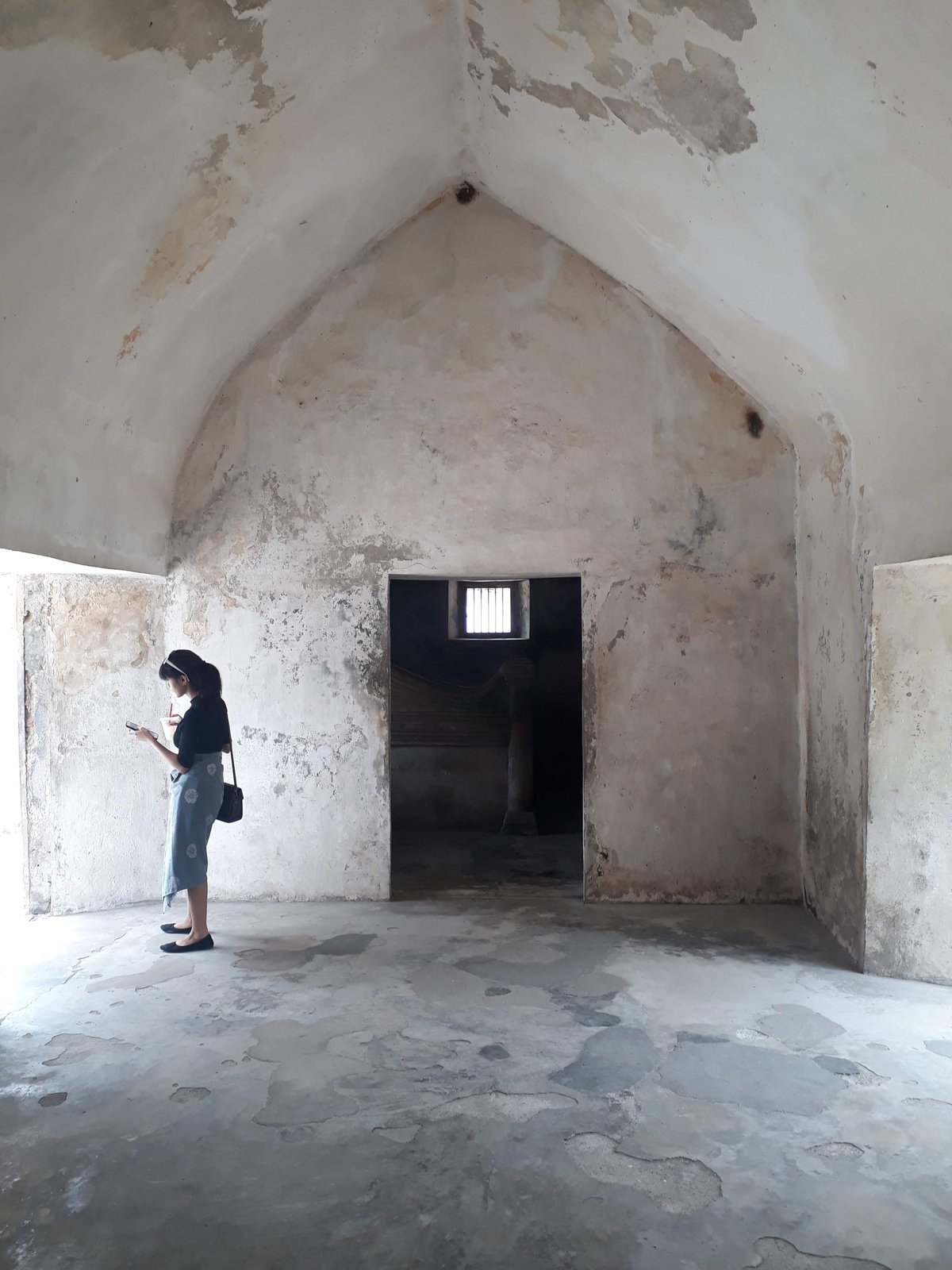
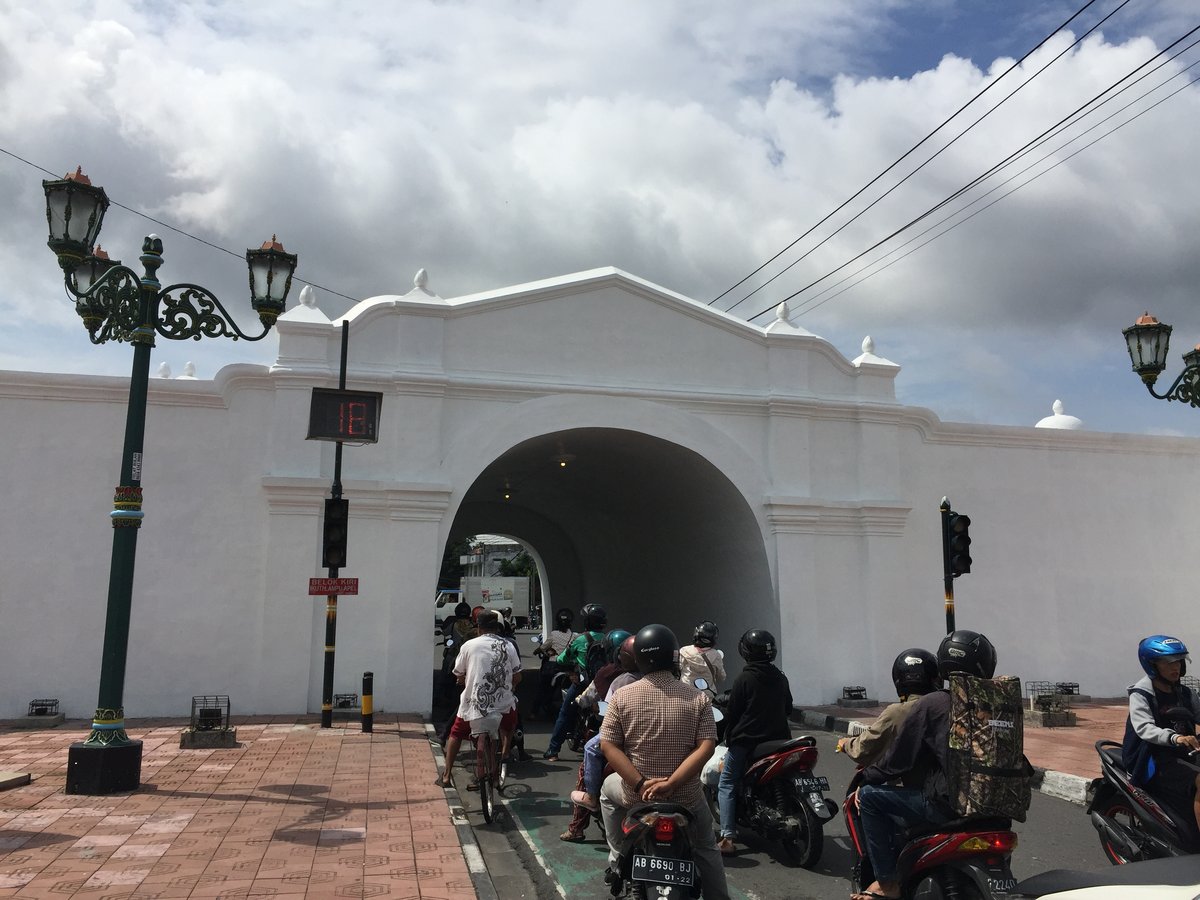
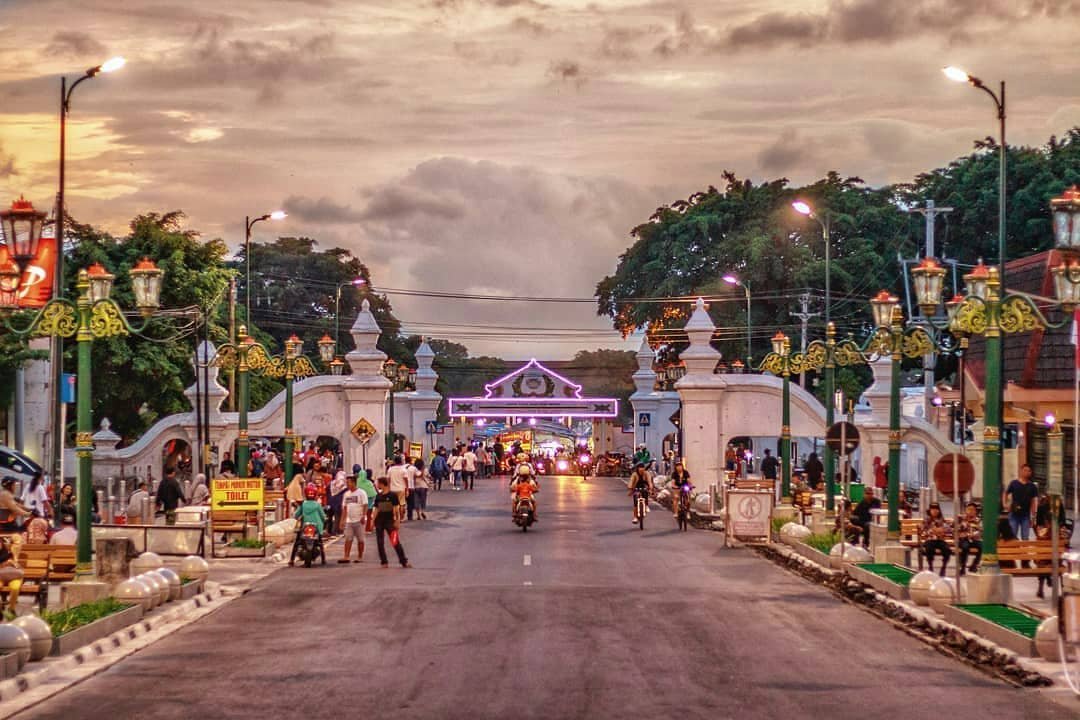
Visitors can enjoy a walking tour around the fortress walls to observe the meticulously maintained details of its defensive architecture. The completed revitalization of the defensive walls presents a stunning visual experience for guests. Many travelers opt for a leisurely walking route while exploring the area to uncover the historical traces preserved in every corner. You may also notice the four traffic lights at the intersection near the fort, originally five before one street was closed. Although access to the interior of the bastion is occasionally locked, you can still immerse yourself in the historical atmosphere by walking the perimeter and envisioning how this defensive position operated in its prime. For a deeper experience, it is recommended to research the historical narratives surrounding the Geger Sepehi uprising and other major conflicts prior to your visit.
Operating Hours
Pojok Benteng Kulon is open daily from 06:00 to 18:00 Western Indonesian Time (WIB). You may visit at your convenience during these hours, whether in the morning or approaching evening. Admission is free, allowing you to enjoy the site without additional costs.
Getting There
Pojok Benteng Kulon is located at Jalan Letjend. Haryono, Patehan, Kraton District, Yogyakarta City, Special Region of Yogyakarta 55142. The site sits near a major intersection connecting Jalan Bantul, Jalan Sugeng Jeroni, Jalan K.H. Wahid Hasyim, and Jalan M.T. Haryono. Access is straightforward and easily reachable via both public transportation and private vehicles. For those driving, the intersection area surrounding the fort provides ample parking space. From downtown Yogyakarta, the location is only about 1 to 2 kilometers away, making it a quick and convenient trip. If you are using ride-hailing services, you can set your pickup or drop-off point at the nearest main intersection. The official Yogyakarta Palace website at http://www.kratonjogja.id/ also serves as a valuable reference for additional information regarding access and activities within the palace grounds.
Practical Visitor Tips
It is advisable to visit Pojok Benteng Kulon in the morning to enjoy cooler temperatures and optimal natural lighting for photography. Wear comfortable footwear, as you will be walking around the extensive fortress perimeter. Note that access to the bastion interior may be restricted, so check current conditions before departing. Take time to research the history of the Yogyakarta Palace fortifications beforehand to enrich your experience. If you plan to visit alongside the Yogyakarta Palace, both sites can easily be combined into a single itinerary due to their proximity. Bring drinking water and use sun protection, particularly during midday hours.
Visitor Reviews
"The revitalization concept for these defensive walls is truly remarkable. I hope the next steps will include historical narratives, particularly regarding the Geger Sepehi uprising. I traveled all the way from Surabaya just to walk around the fortress walls, and I was highly impressed... It's a pity the bastion access is locked, so I couldn't go inside."
"Pojok Benteng Kulon (the southwestern corner) is exceptionally well-preserved, especially since the fortress walls have undergone rehabilitation. It would be even better if tourists could access it more easily. This Yogyakarta Palace fortress stands as a witness to many pivotal battles in Indonesian history, particularly the conflicts between the Yogyakarta Sultanate and the British, as well as during the Java War/War of Diponegoro."
"Pojok Benteng Kulon was constructed in the late 18th century, concurrent with the building of the Yogyakarta Palace following the 1755 Treaty of Giyanti. The fortification was erected by order of Sri Sultan Hamengku Buwono I to protect the administrative center of the Yogyakarta Sultanate. Today, Pojok Benteng Kulon serves as a cultural heritage site, a historical marker of the palace's defensive system, and an integral part of old Yogyakarta's urban identity."
"A leisurely walking route to observe historical traces. There are four traffic lights here; there used to be five, but one was removed after the street was closed, leaving four."
"Pojok Benteng Kulon (southwestern side) is located near the intersection connecting Jalan Bantul, Jalan Sugeng Jeroni, Jalan K.H. Wahid Hasyim, and Jalan M.T. Haryono. Previously, there was a road access on the eastern side of the fort to enter the interior, but it was closed in 2019 due to revitalization work."
Pojok Benteng Kulon stands as tangible proof that Yogyakarta is known not only as a city of culture and the arts, but also for its equally significant defensive architectural heritage. With a 4.5 rating from 1,827 reviews, the public's enduring interest in this site demonstrates that history remains a powerful magnet for travelers. Those planning a trip to Yogyakarta should not miss the opportunity to stand before these historic walls and reflect on the legacy of struggle left by their ancestors. This brief visit will offer a fresh perspective on the rich and complex historical dynamics of the Indonesian archipelago.