Often during historical tours on the Dieng Plateau, visitors' attention is drawn to two magnificent giants: Borobudur Temple and Prambanan Temple. However, hidden between them, precisely in Wanurejo Hamlet, Borobudur, Magelang, lies a historical site that offers its own tranquility and charm. This is Pawon Temple. As one of the three main temples forming the golden triangle of Hindu-Buddhist history in Central Java, Pawon Temple is frequently overlooked. Yet, for those with a deep interest in archaeology and classical Javanese architecture, this temple is a must-visit destination. Its simple yet profound presence delivers a distinct travel experience, far removed from the mass crowds often encountered at more famous sites.
📸 写真ギャラリー
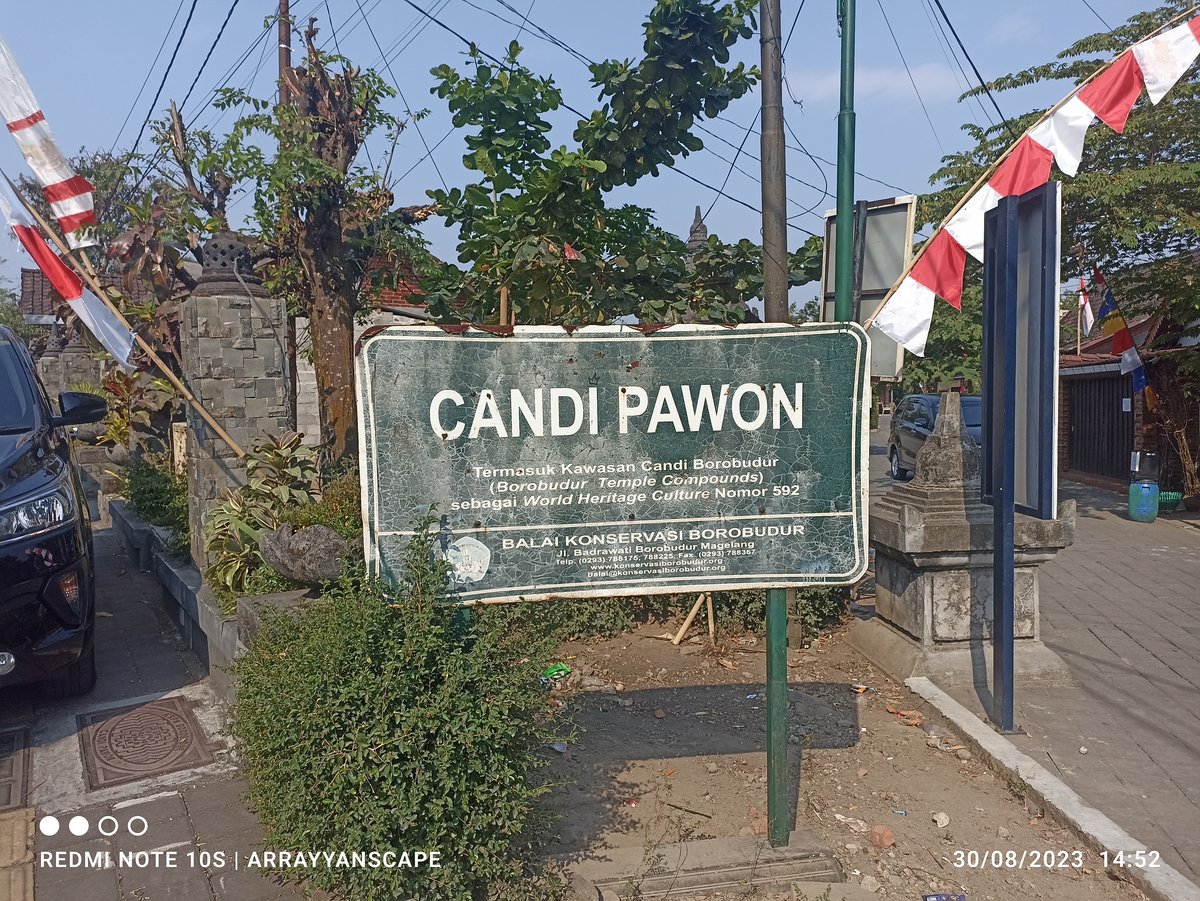
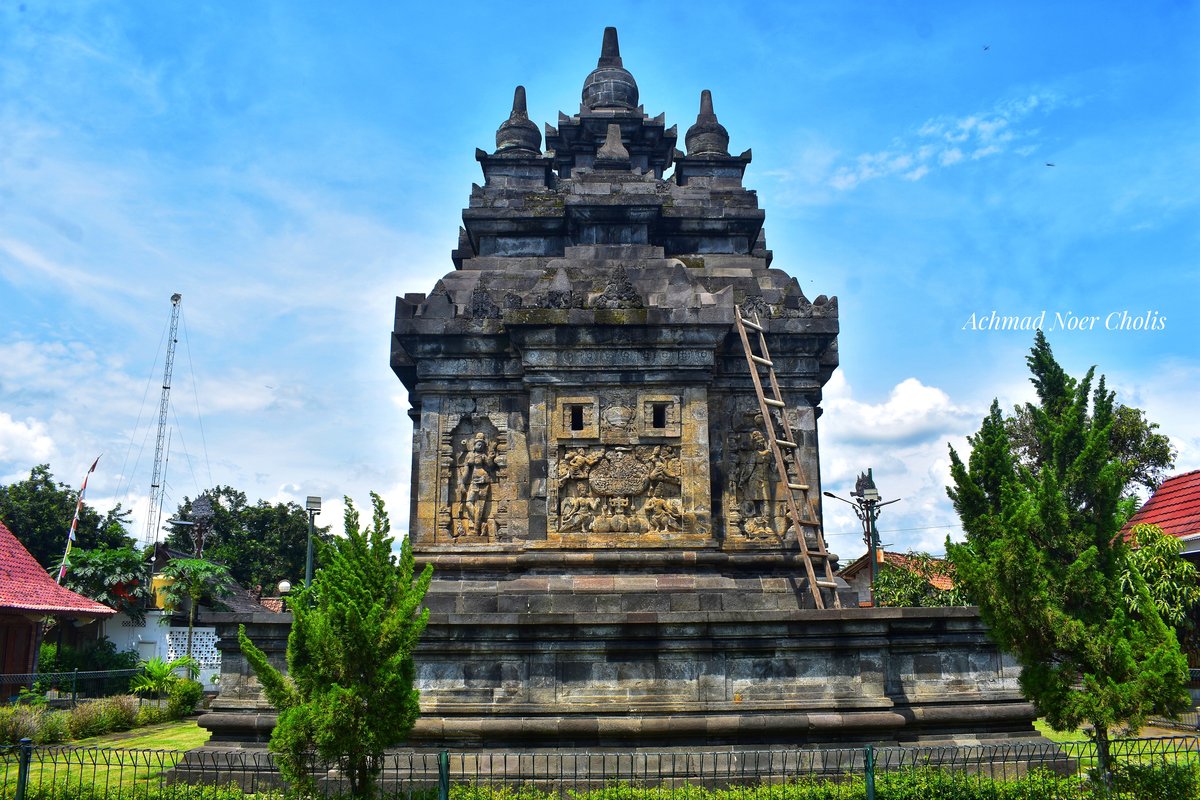
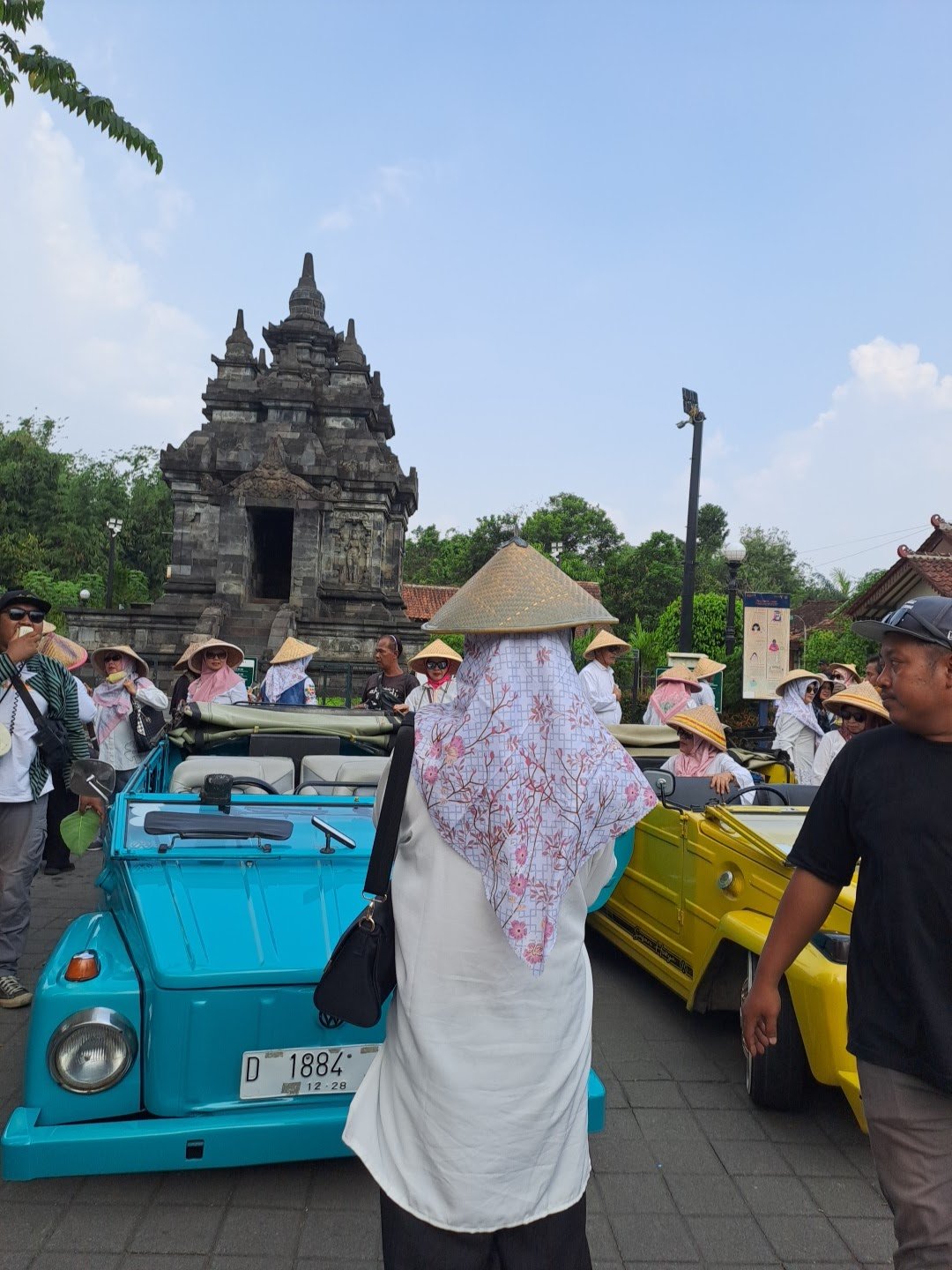
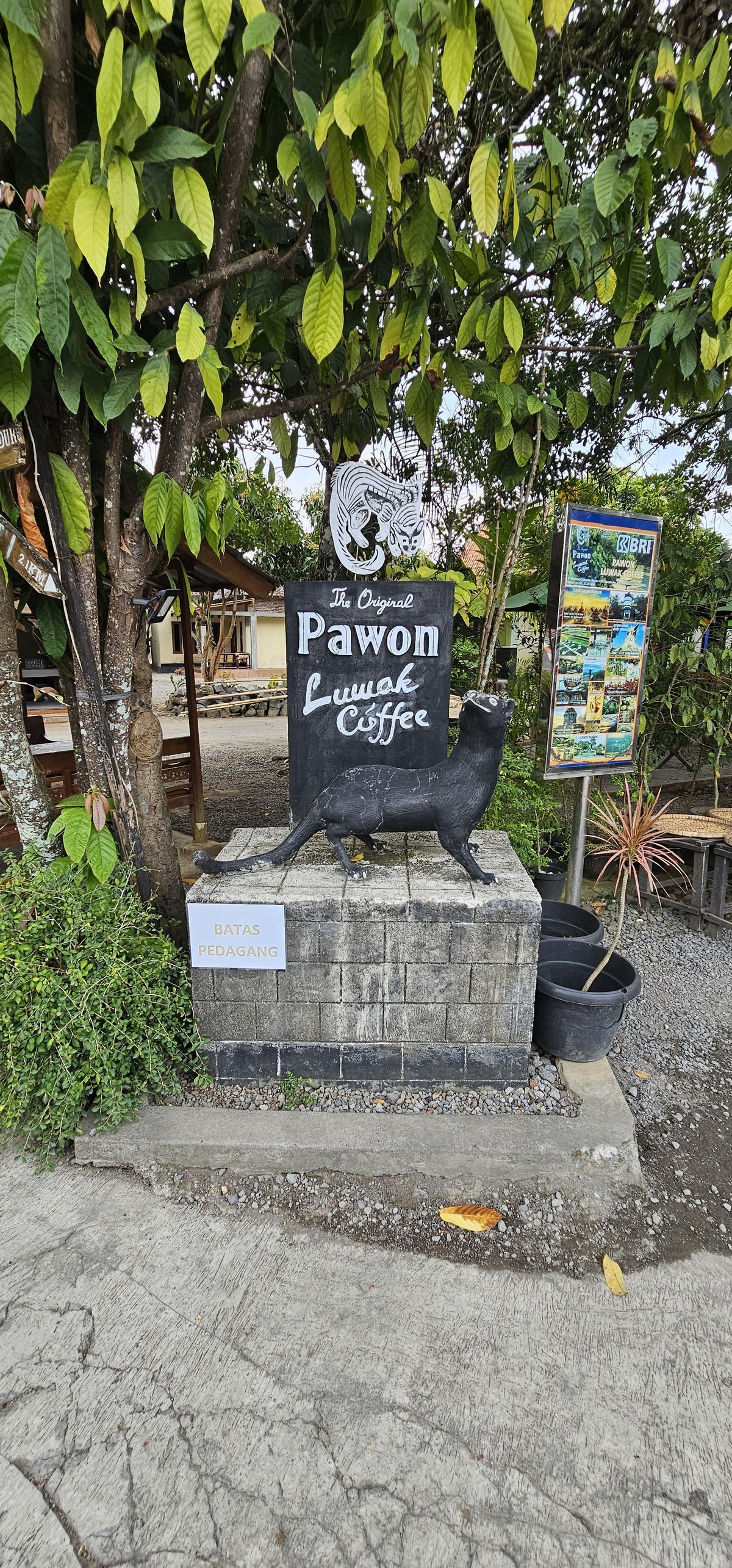
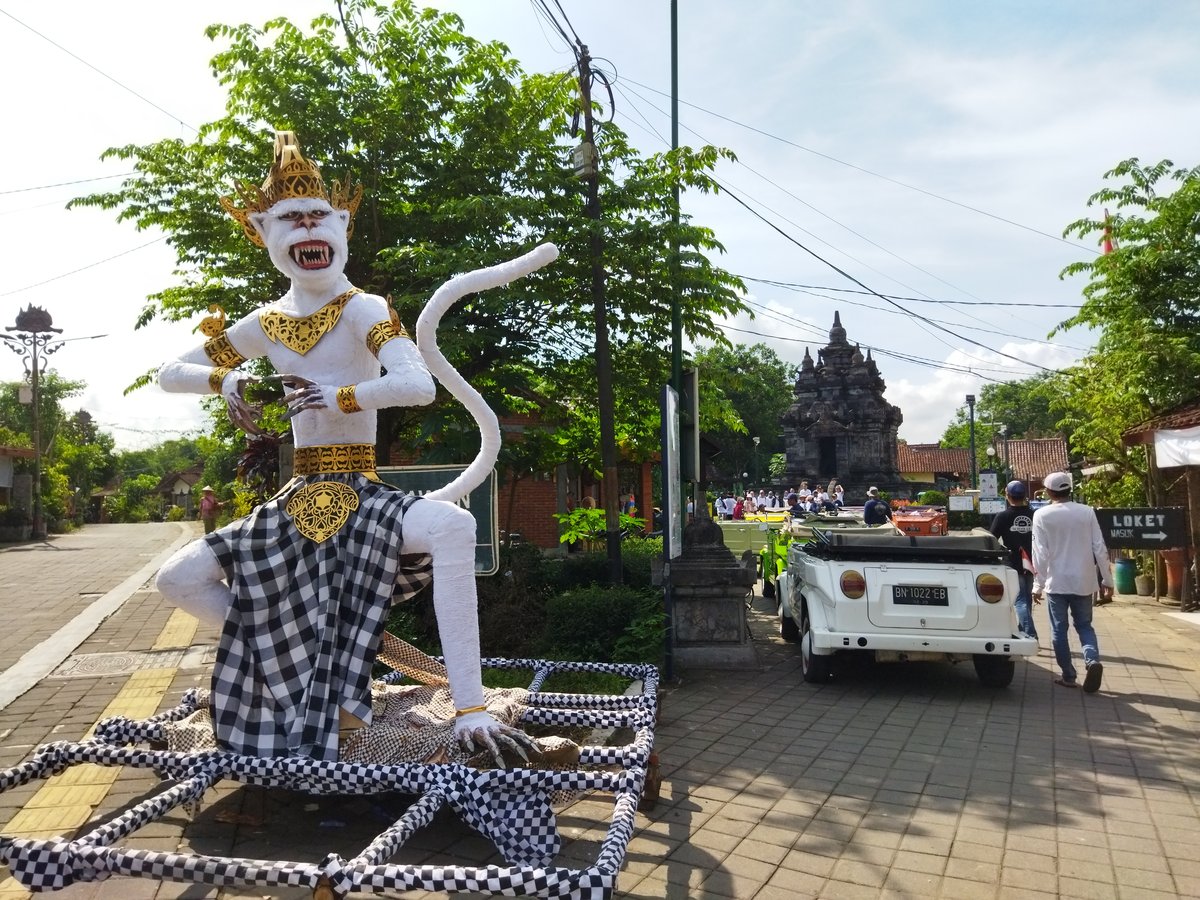
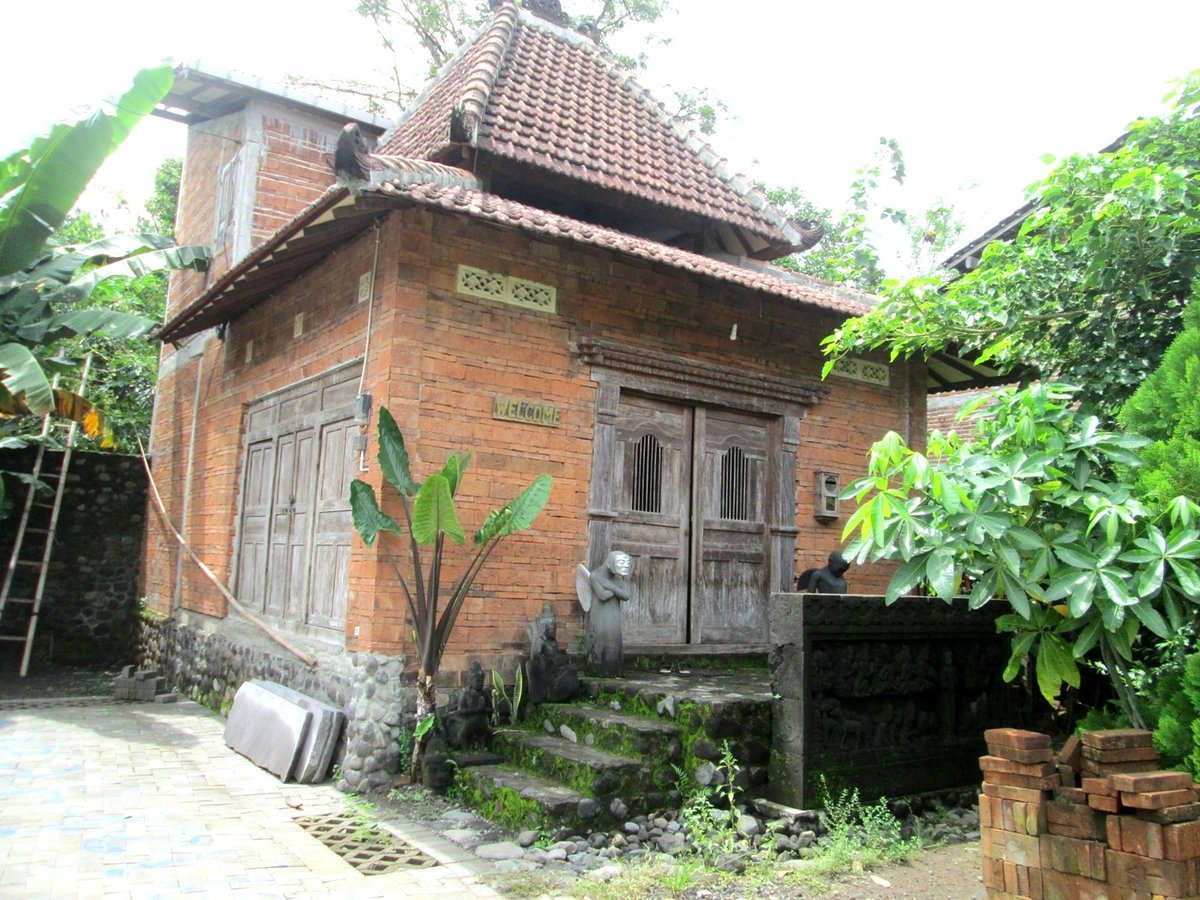
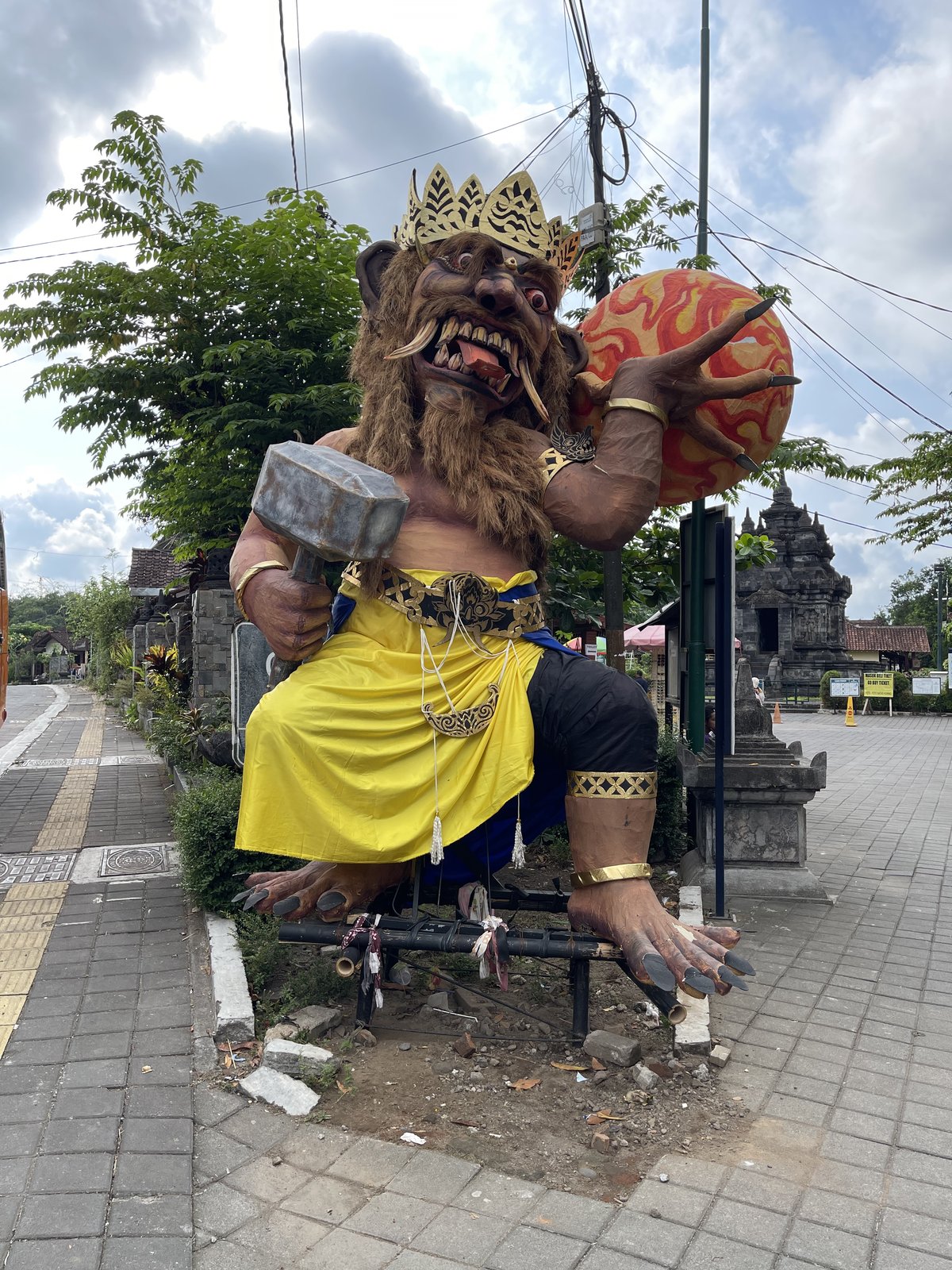
Why Visit This Place
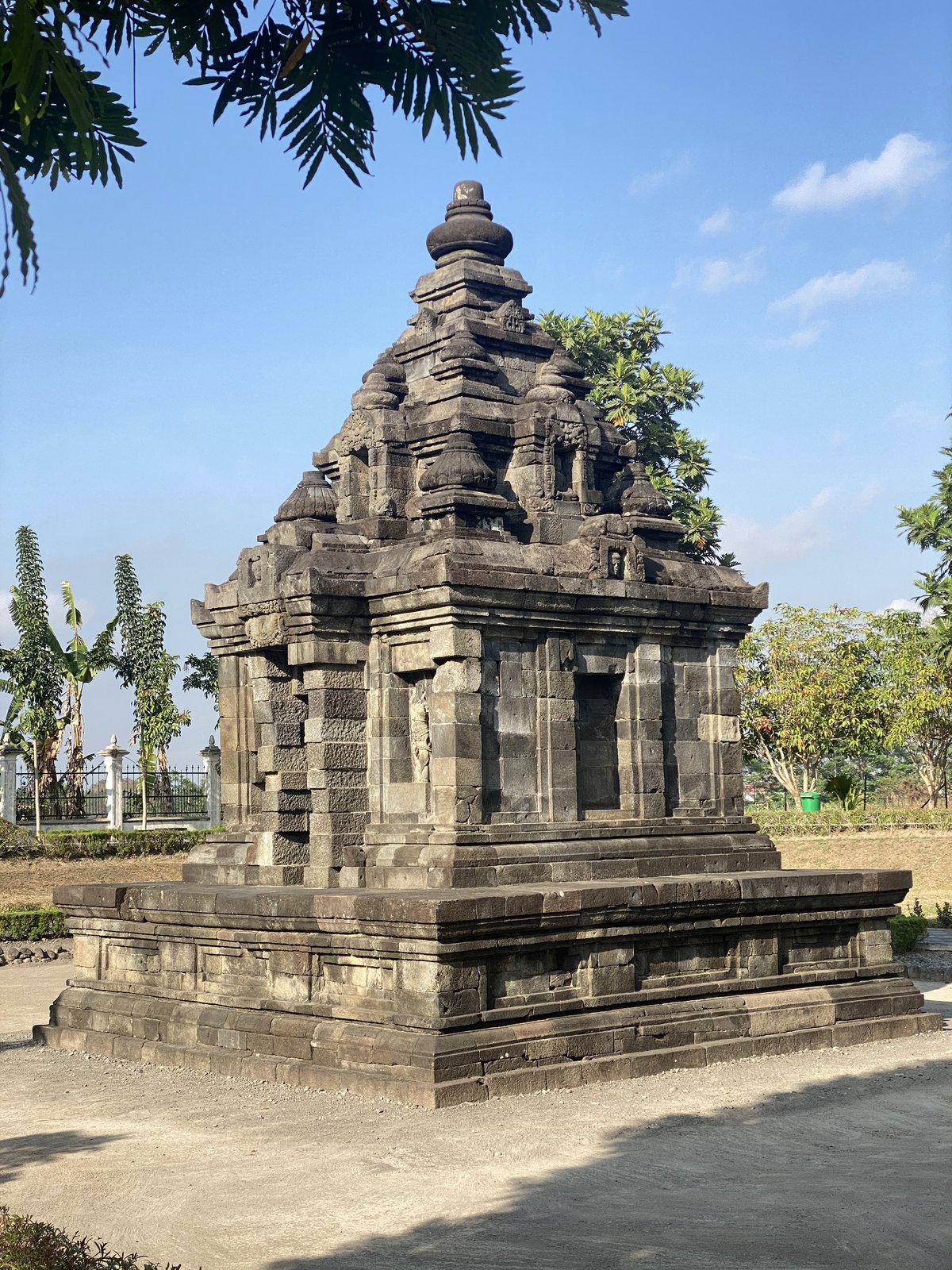
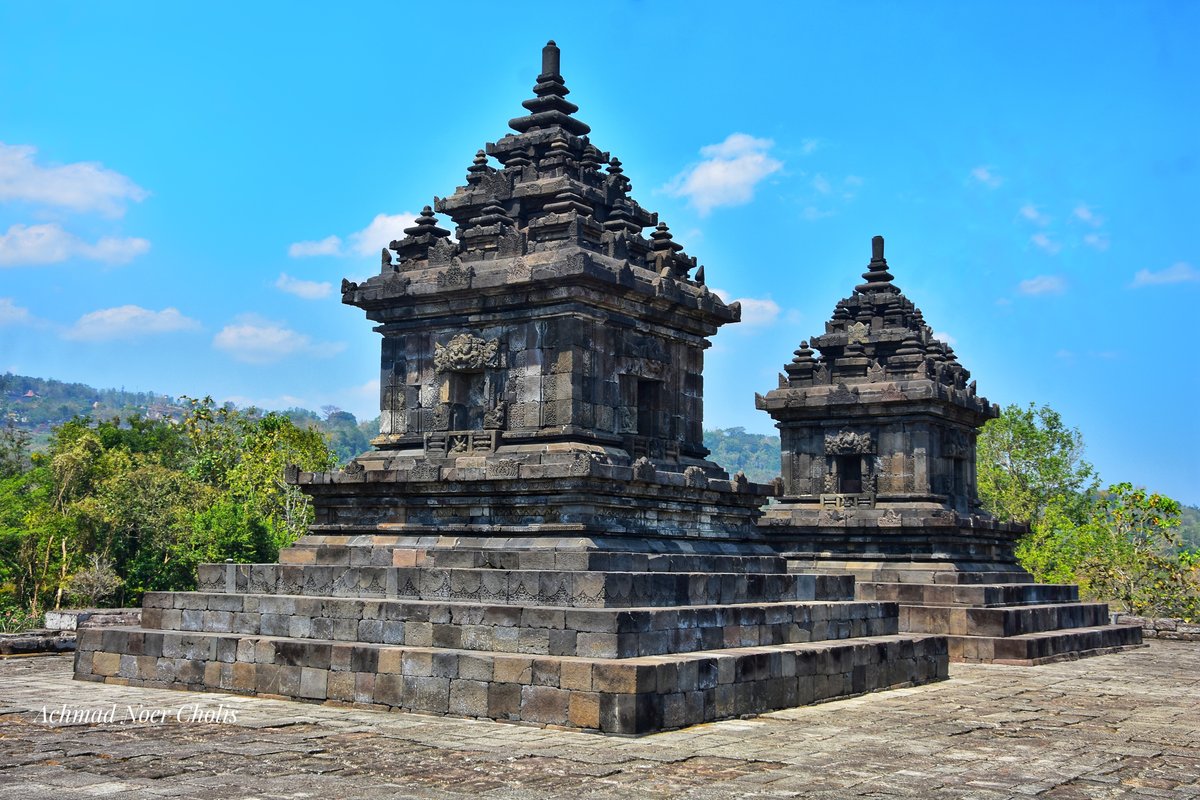
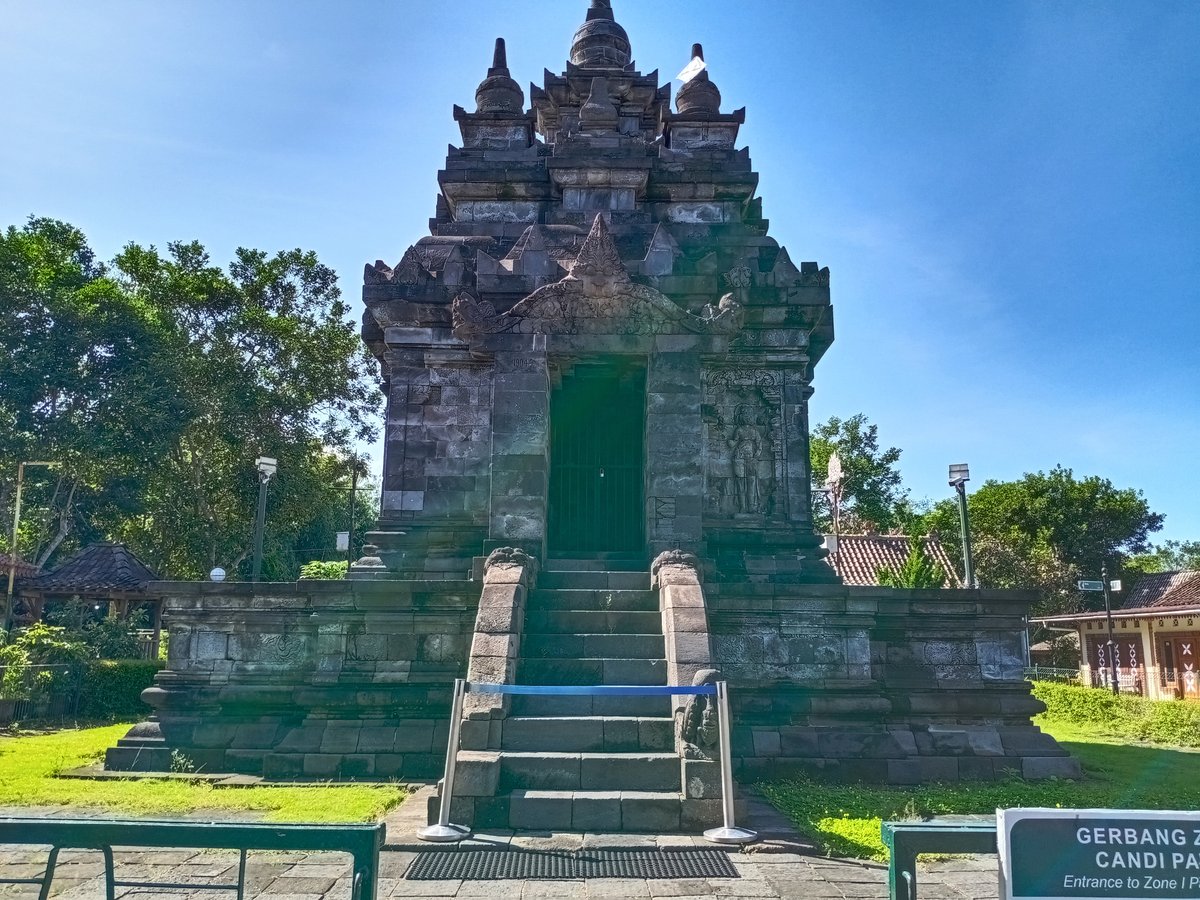
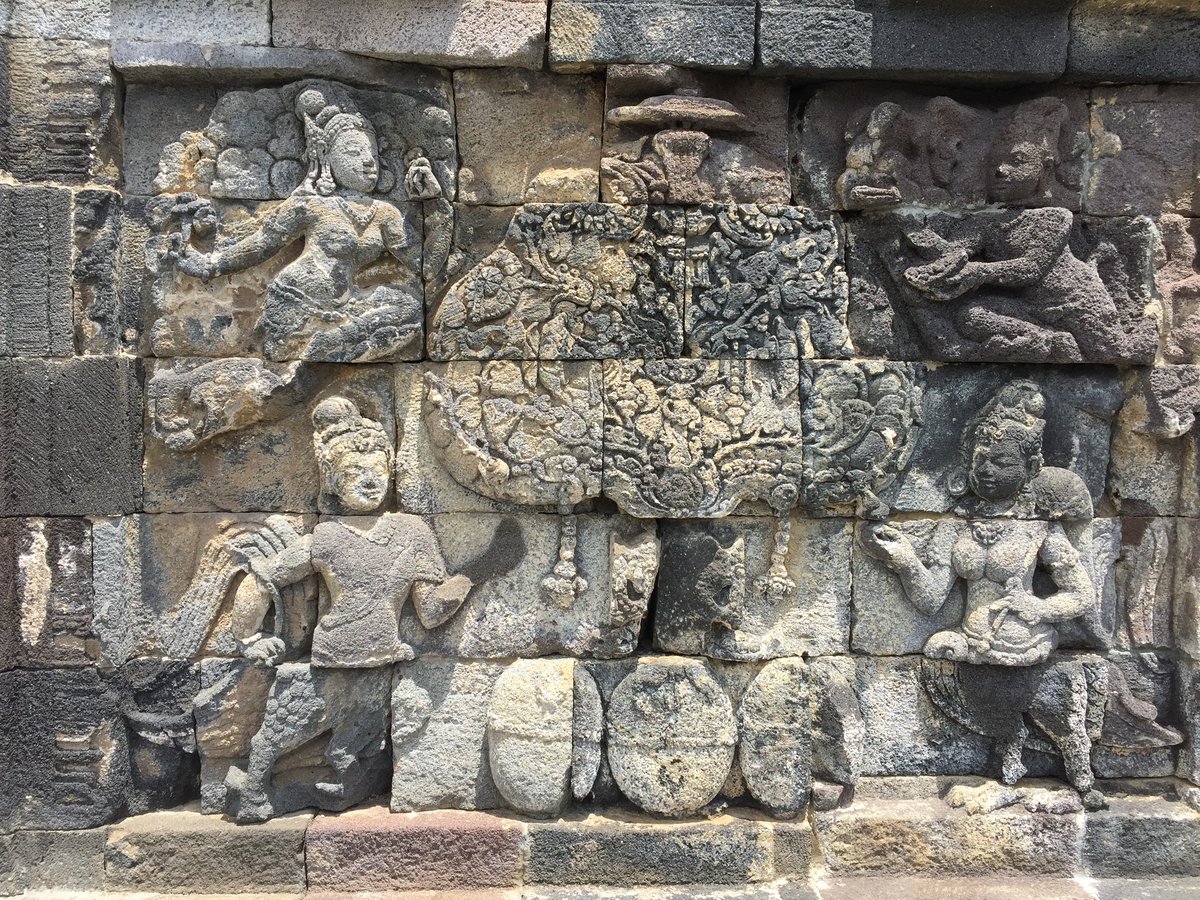
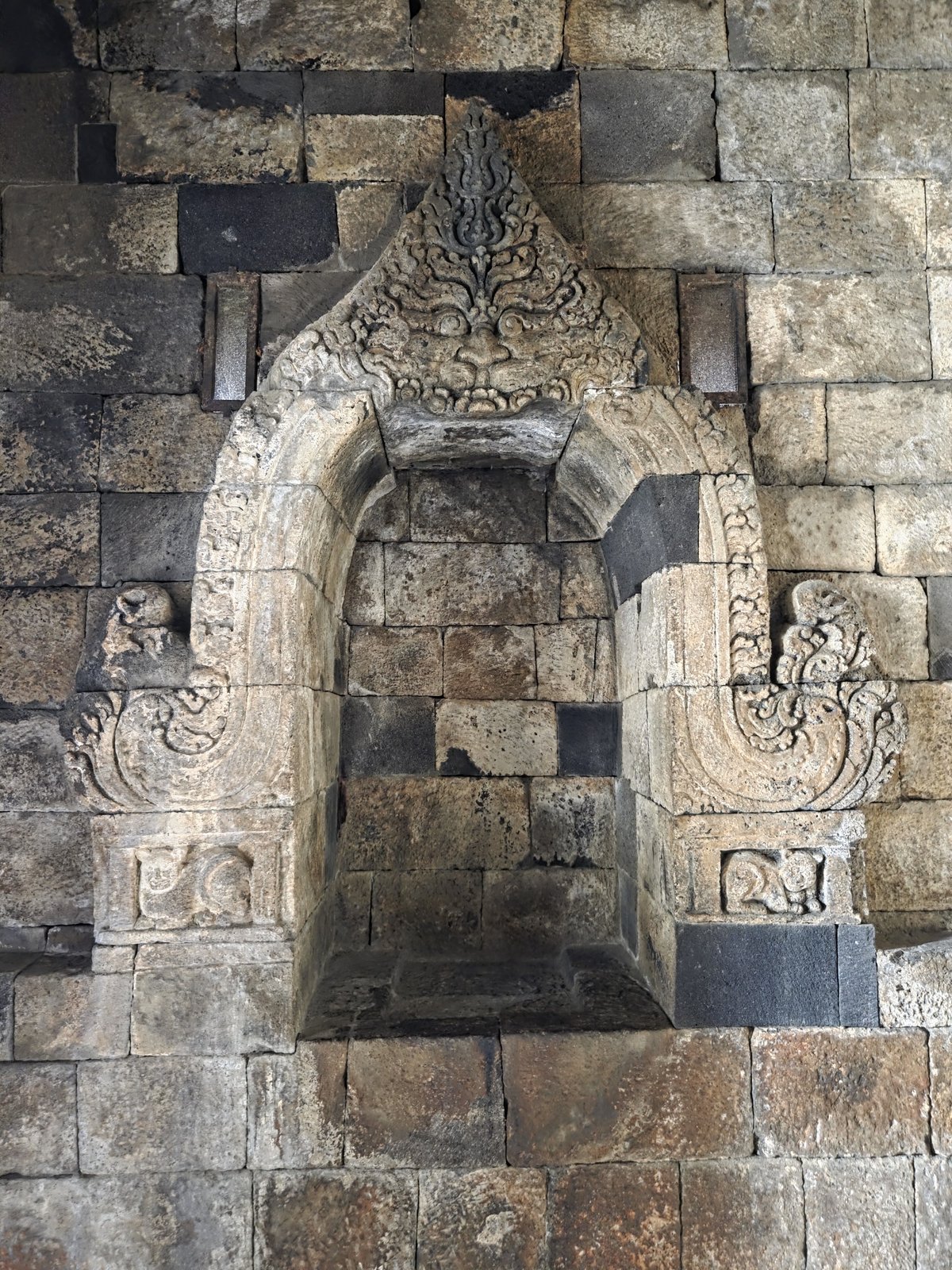
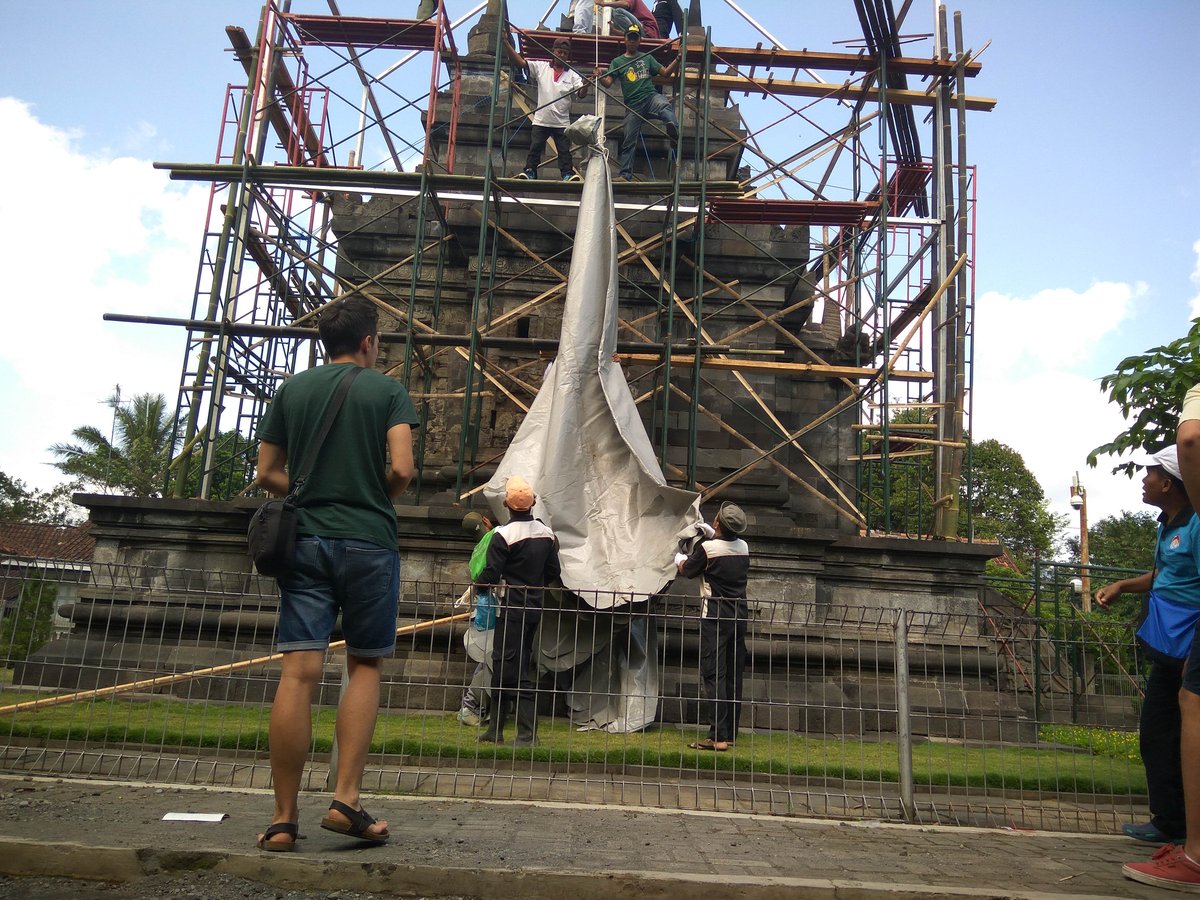
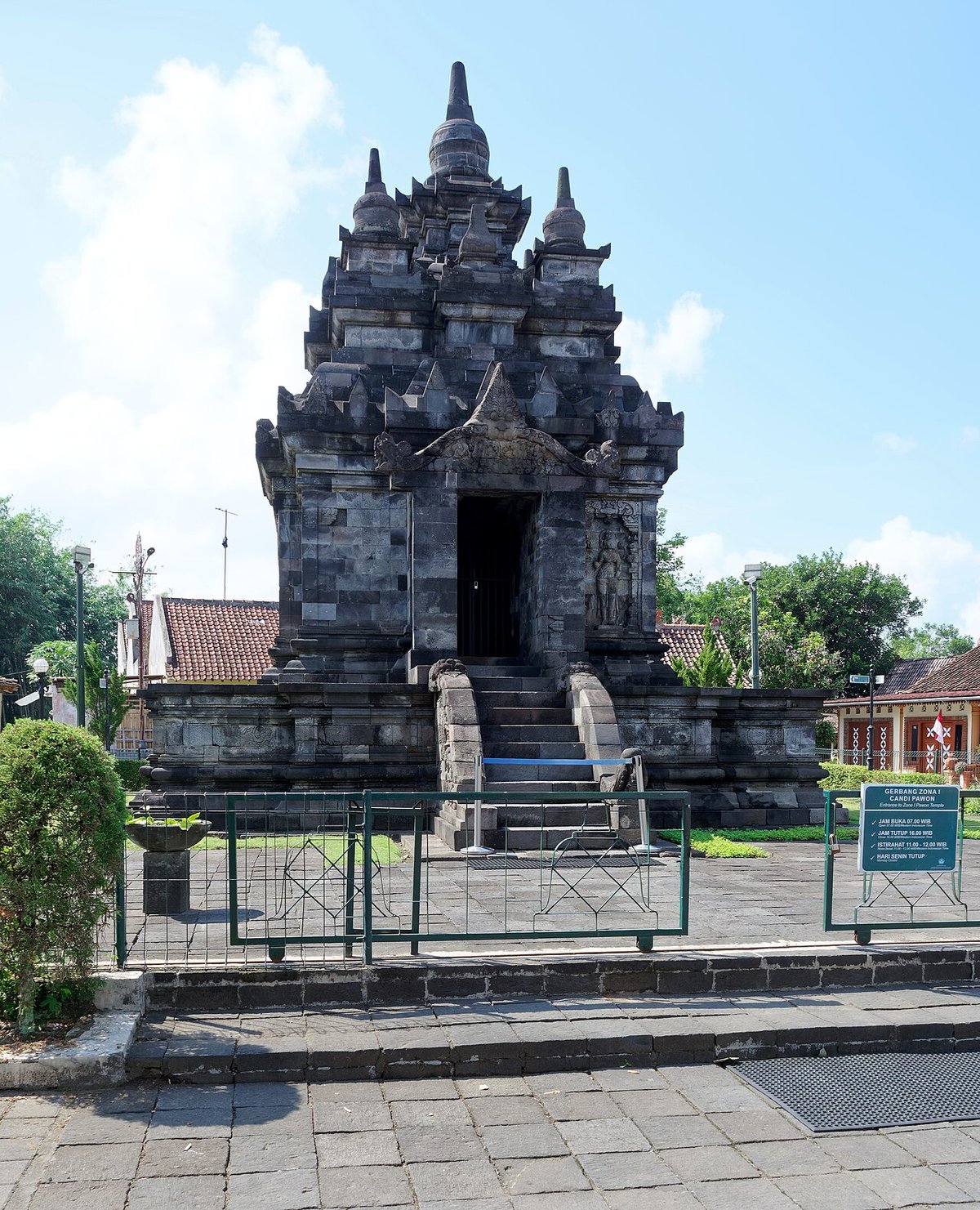
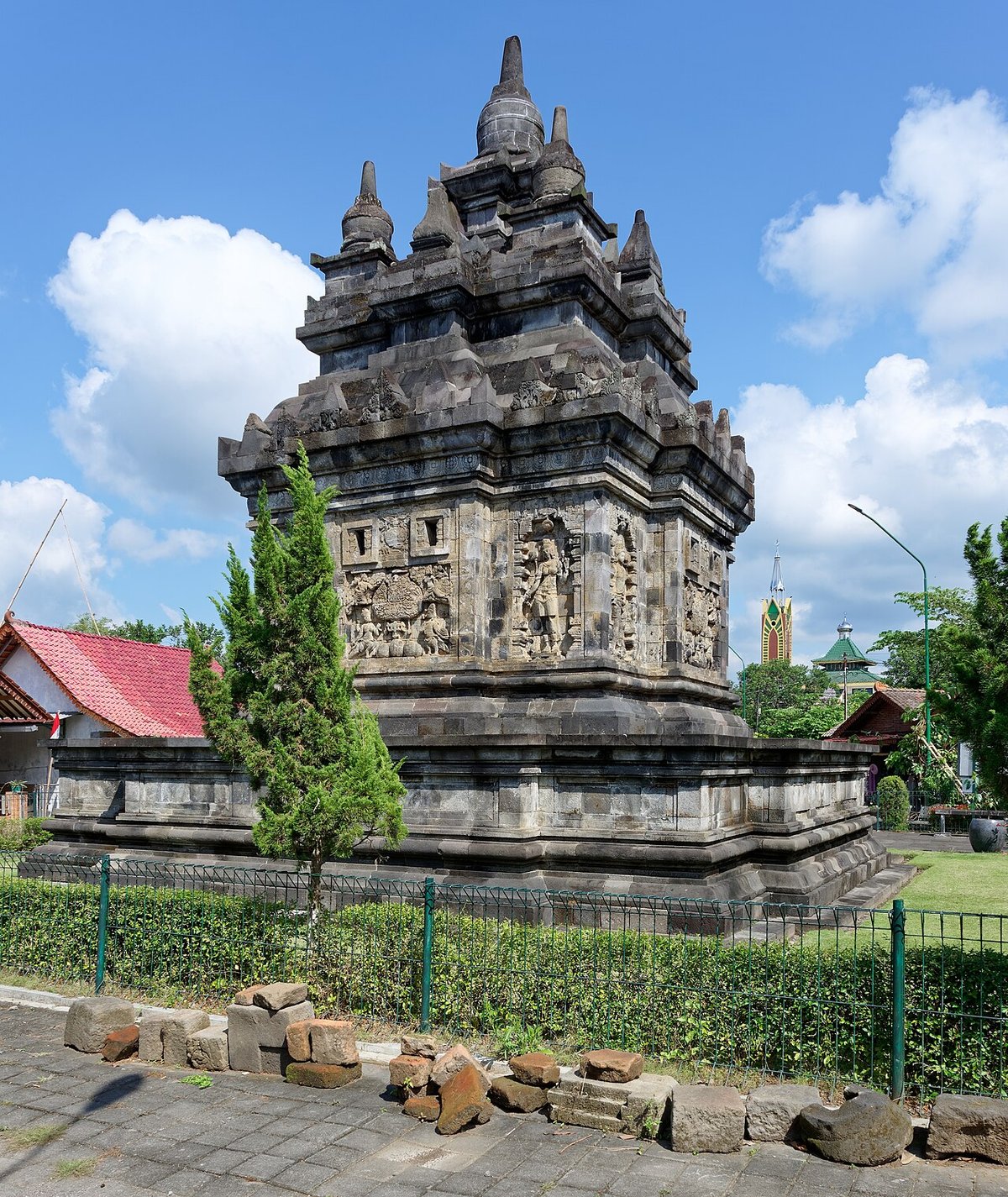
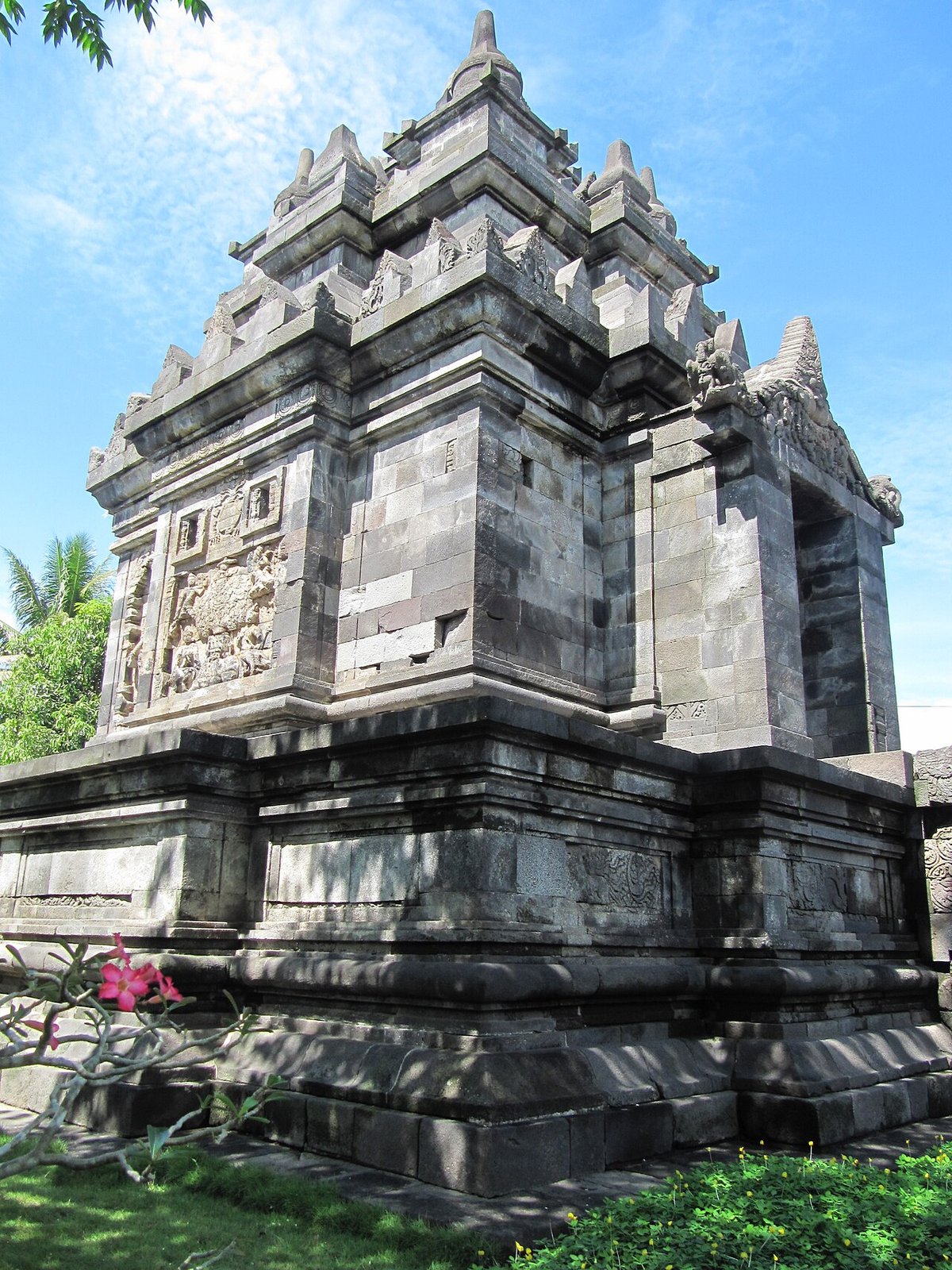
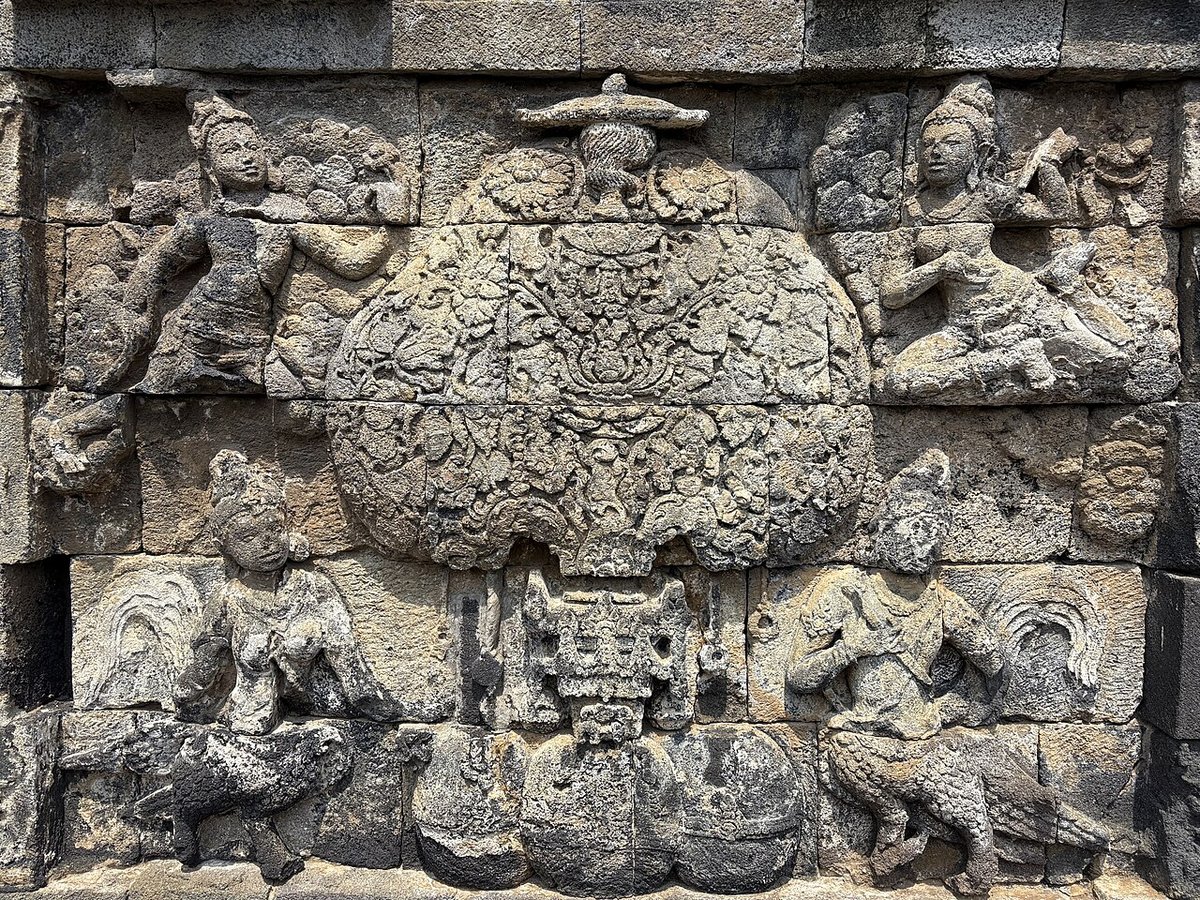
The primary reason to visit Pawon Temple lies in the uniqueness of its character, which contrasts sharply with its more magnificent neighbors. While Borobudur is renowned for its perforated stupas and niches housing hundreds of Buddha statues, Pawon Temple presents a simpler, more slender form. It is a standalone temple without a central stupa, instead supported by three square terraces that progressively decrease in size toward the top. Another notable feature is its architectural purity. Pawon Temple is exceptionally rare for featuring reliefs that depict everyday life on its terraces. These reliefs, inspired by the Buddhayana and Kramawijaya texts, illustrate various aspects of human and animal life, providing a vivid insight into the social context of its construction era. Historically, Pawon Temple is believed to have been built in the 9th century CE by King Rakai Panangkaran of the Syailendra dynasty. Its location at the center of a triangle stretching from Borobudur to Prambanan underscores the site's significance in ancient ritual and spiritual pathways. Visiting Pawon Temple means stepping back into an era when Hinduism and Buddhism coexisted harmoniously. The tranquil atmosphere, set against a backdrop of lush green rice fields and pristine mountains, creates a contemplative ambiance rarely found at other tourist destinations. You can appreciate the authenticity of this site without being distracted by dense crowds, allowing you to carefully savor every angle of the temple.
Experiences to Enjoy
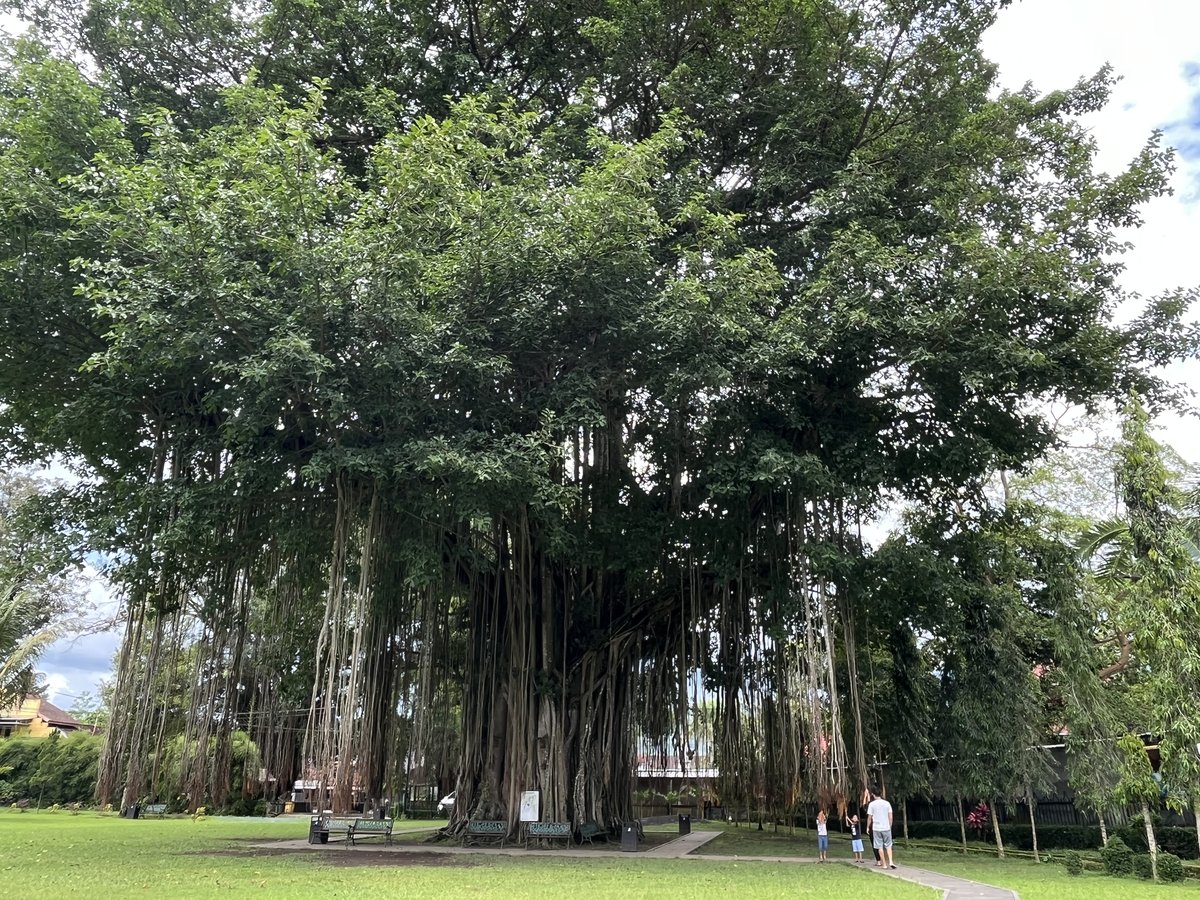
The primary experience awaiting you at Pawon Temple is the opportunity to freely explore its architecture and photography. Due to its smaller scale and relatively low visitor numbers, you have closer access to observe the meticulously arranged andesite carving details. You can appreciate the beauty of the reliefs on the first and second terraces without the hassle of crowds. Although some reliefs have weathered over time, they remain clear enough for visual study. For photography enthusiasts, this temple offers a clean, minimalist perspective. The temple's slender silhouette is highly photogenic, particularly when captured in the morning or late afternoon as the low-angle sunlight casts dramatic shadows across the stone blocks. Additionally, Pawon Temple often serves as a convenient transit point for pilgrims and temple tourists embarking on the "Candi Trisula" (Temple Trident) route. You can begin your journey at Borobudur, take a short walk or drive to Pawon Temple to pause and absorb its history, and then continue to Mendut Temple. This approach lends a more authentic adventure compared to visiting only the major sites. You will experience profound tranquility, listen to bird songs, and observe the daily lives of local farmers. This transforms Pawon Temple from a mere archaeological site into an open space seamlessly integrated with nature and the local community. Light social interactions with nearby residents, who actively preserve the site, further enhance the value of your travel experience.
Culinary
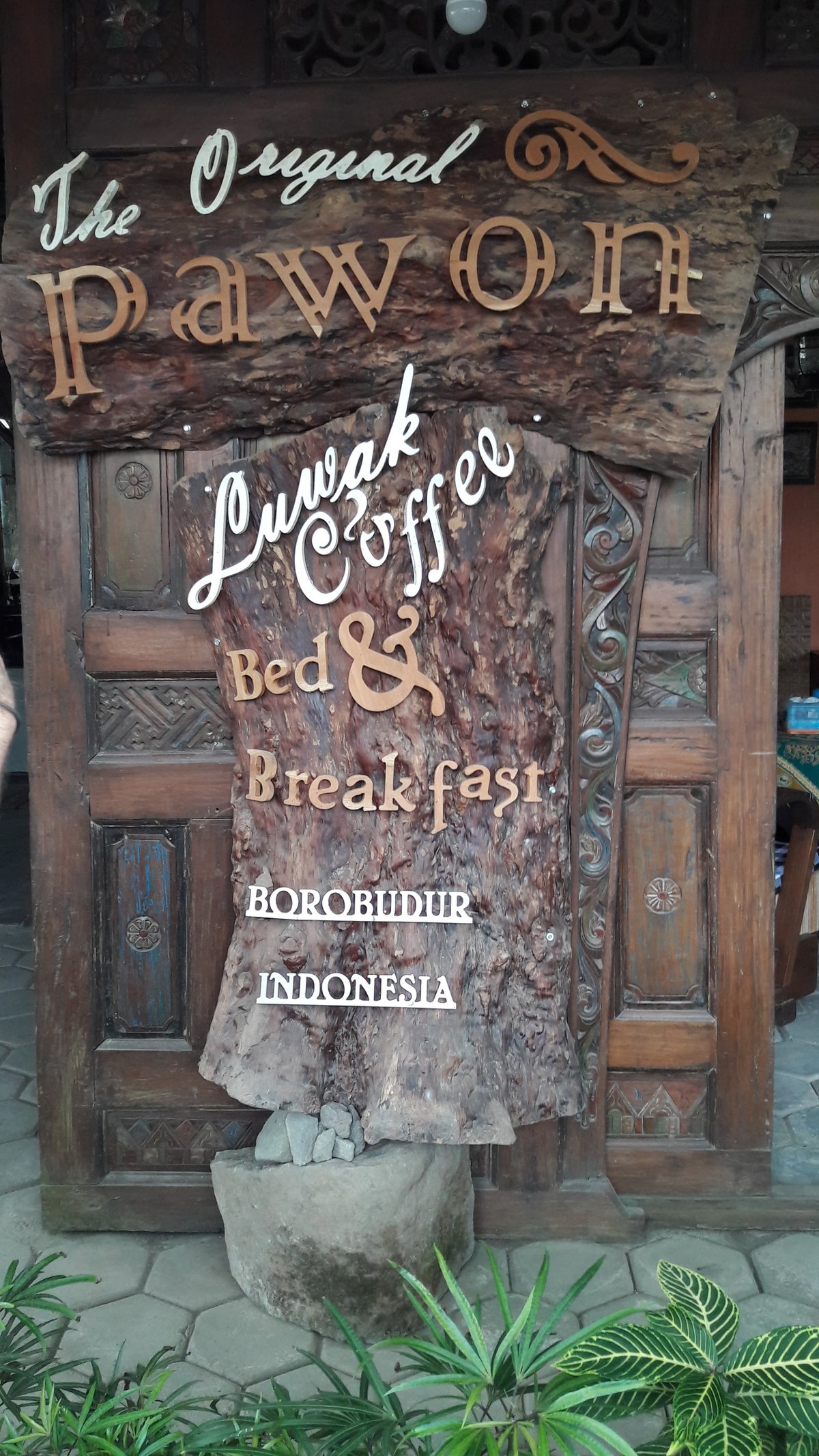
After thoroughly exploring the archaeological site, you can take a moment to savor the local cuisine in the surrounding area. Near Pawon Temple, there is a coffee stall known as Kopi Pawon. This establishment is a favorite among travelers seeking a brief respite while enjoying a high-quality cup of coffee. Kopi Pawon offers appealing bean varieties, both Robusta and Arabica, which are signature products of the Magelang region. Its rich flavor and soothing aroma pair perfectly with casual conversations or quiet reflection on the temple's beauty you have just witnessed. The coffee stall's simple yet comfortably modern atmosphere adds a memorable touch to your culinary experience. You can enjoy your coffee while browsing local souvenirs or simply taking in the fresh, scenic surroundings.
Admission & Ticket Prices
One of Pawon Temple's main attractions is its affordability. The entrance ticket is highly economical, costing approximately Rp5,500 per person. This budget-friendly price allows you to incorporate Pawon Temple into your itinerary without significantly straining your travel budget. For such a modest fee, you gain access to a historically significant site with well-maintained cleanliness and upkeep facilities. Additionally, if you only intend to take photographs in the front area without entering the main temple grounds, you may do so free of charge. However, entering the designated area is recommended to closely observe the relief and architectural details. The presence of eateries, souvenir shops, and other support facilities in the vicinity also offers a range of price options to suit your needs.
Operating Hours
Before planning your visit, it is important to note the operating hours of Pawon Temple. The site is open daily except Mondays. On open days, Tuesday through Sunday, visitors may enter from 07:00 to 11:00 WIB, with afternoon hours reopening from 12:00 to 16:00 WIB. This midday opening provides a flexible option for those arriving after touring Borobudur Temple in the morning. Visitors are advised to arrive before closing, as the gates will be secured promptly at 16:00. Visiting on weekdays, such as Tuesday or Wednesday, typically offers greater tranquility compared to weekends. Be sure to verify this information prior to your trip, as operating hours are subject to change without prior notice.
Getting There
Pawon Temple is located in Dusun 1, Wanurejo, Borobudur District, Magelang Regency, Central Java. Its location is highly strategic, situated along the main route connecting Borobudur Temple and Mendut Temple. It lies just approximately 3 kilometers from Borobudur and less than 5 kilometers from Mendut. Access to the site is straightforward via well-maintained highways. You may utilize various modes of transportation, including private vehicles such as cars or motorcycles, as well as public transport options available in the Borobudur area. If traveling by private vehicle, a spacious and well-maintained parking area is available nearby. This allows for secure parking while you explore the temple. In terms of accessibility, the temple grounds are relatively flat, enabling comfortable walking tours around the site. There are no steep staircases to climb for viewing the temple from different angles, making it a fully accessible venue for all age groups.
Practical Visitor Tips
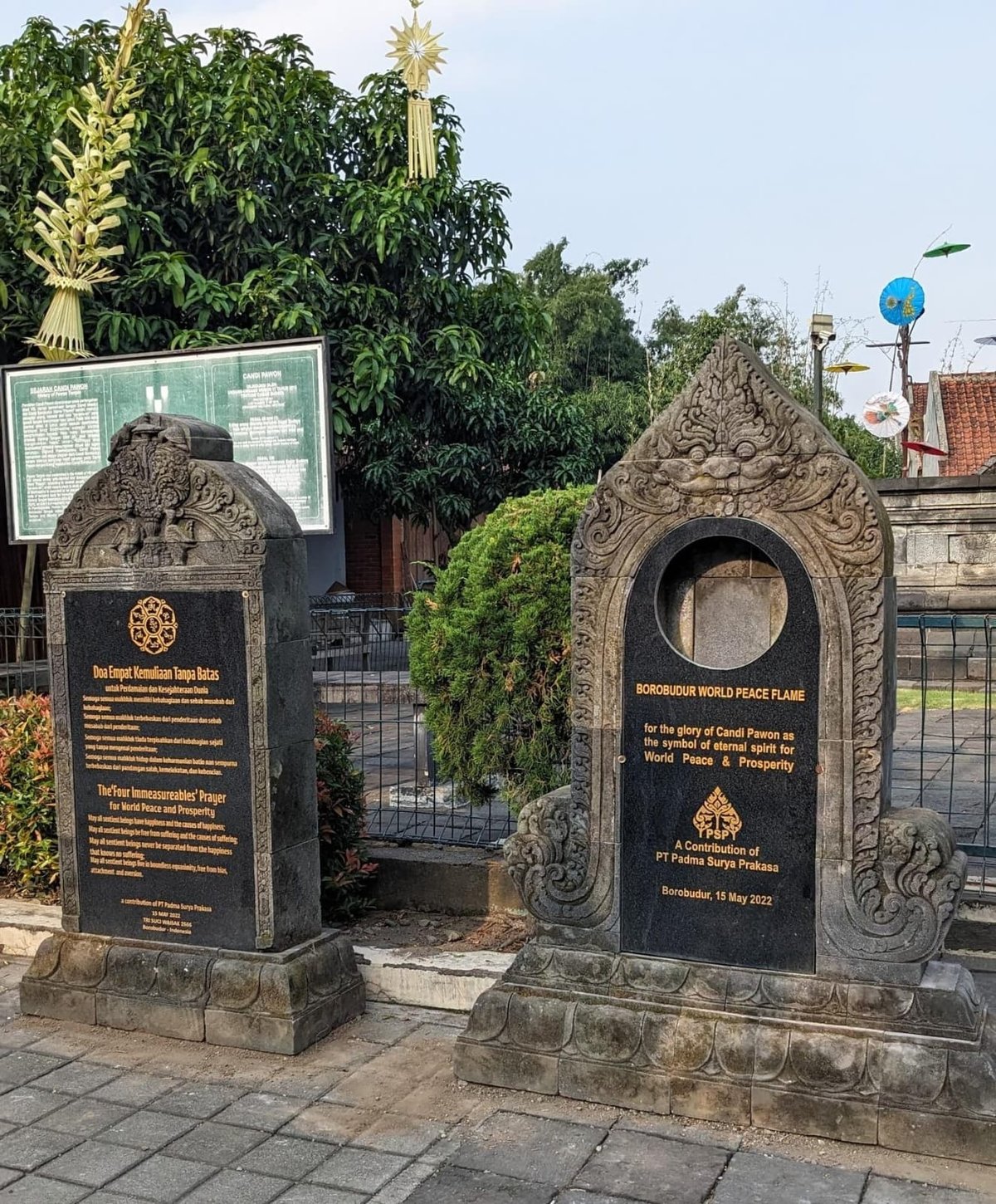
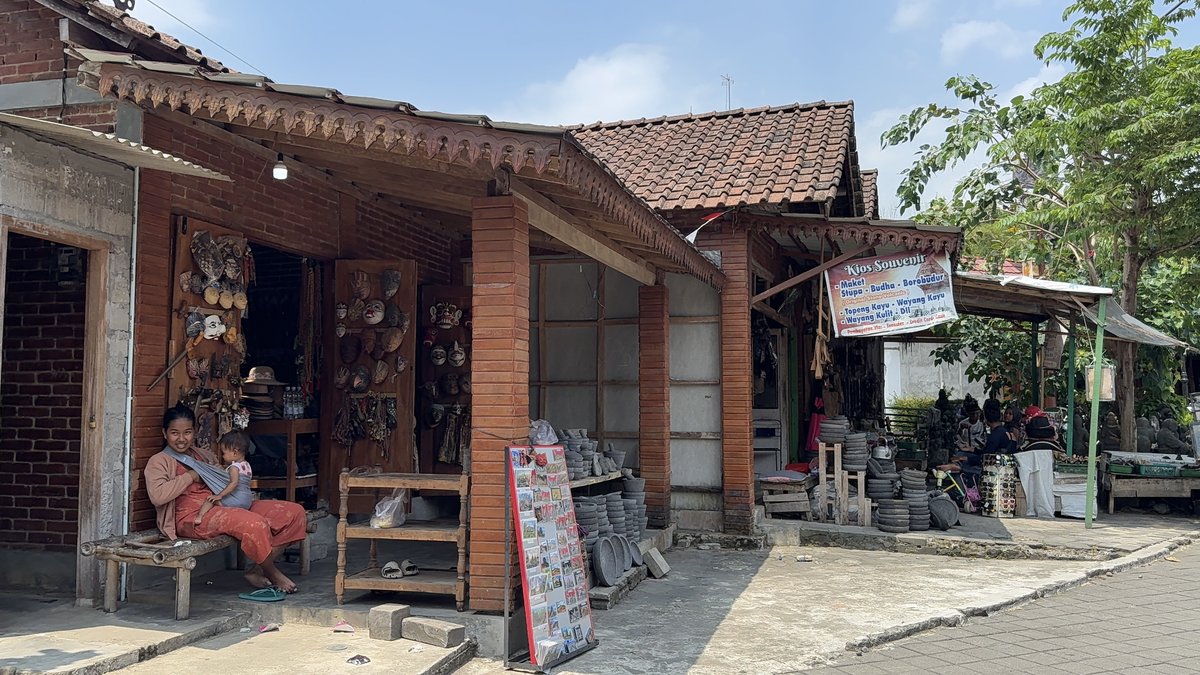
To ensure a smooth and enjoyable visit to Pawon Temple, consider the following practical tips. First, be prepared to interact with local vendors. While their presence adds vibrancy to the temple vicinity, some visitors note that sales pitches or bargaining requests can occasionally feel intense. It is advisable to remain polite but firm if you are not interested in purchasing items, ensuring you can enjoy the temple's tranquility without significant disruption. Second, plan your visit for the early morning or closer to closing time to avoid intense midday heat, particularly if you intend to photograph the site. Third, despite the nominal entrance fee, please maintain environmental cleanliness by disposing of trash properly. Fourth, remember to carry drinking water and apply sun protection, as the temple area is open and lacks substantial tree cover. Finally, take time to read informational plaques or consult with site staff regarding the temple's history to deepen your understanding of the site.
Visitor Reviews
"Clean location, standalone temple, simpler compared to Borobudur and Mendut. Quiet visitors, cheap ticket only 5,500. There are souvenir shops and stalls, but sometimes local vendors can be a bit intrusive."
"Magelang is amazing. Besides the temples, near Pawon Temple there is Kopi Pawon offering both Robusta and Arabica variants. It's a great spot to stop by and enjoy the atmosphere."
"Sorry, giving 4 stars because I was uncomfortable with the vendors here who push their sales too hard. If you buy one item, they still pursue you for others. The merchandise is also non-negotiable, entrance ticket 5,000."
"The souvenir hawkers can indeed be quite disruptive to visiting tourists. However, regarding the temple itself, the location is great and clean."
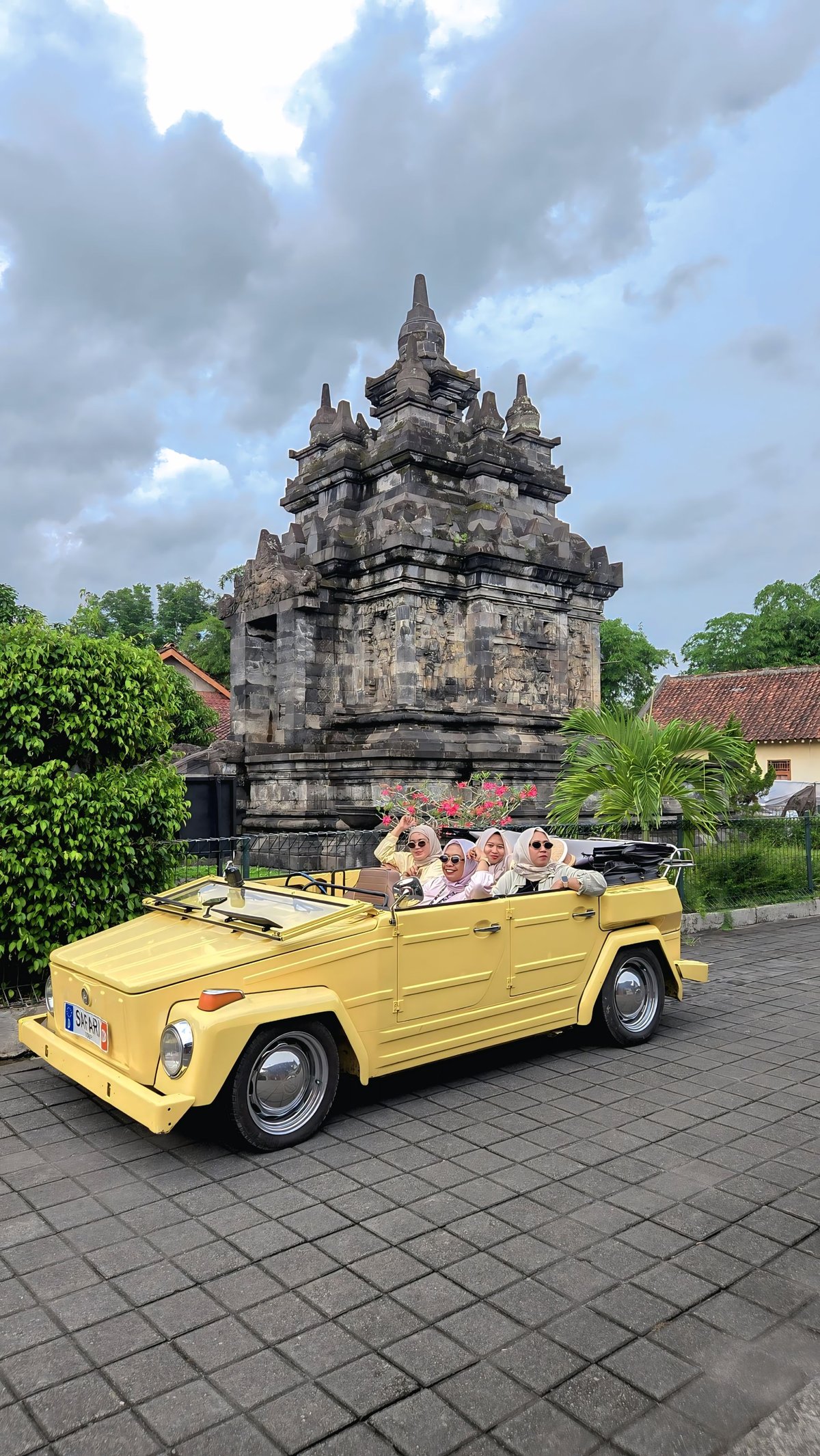
"Awesome, I've been here already, riding in a VW while listening to the history of Pawon Temple. Great for photo spots, pity that there are many pushy vendors though."
Pawon Temple proves that grandeur is not always measured by massive physical dimensions. With its rich history, unique architecture, and tranquil atmosphere, this site offers a highly valuable travel experience for those seeking peace and cultural enrichment. As an integral component of Java's historical triangle, Pawon Temple is a small gem well worth discovering. Do not let oversight cause you to miss such a precious site. Plan your visit, savor every detail, and allow Pawon Temple to become part of your unforgettable journey across the Dieng Plateau.