Nestled in a cool, academically driven district, the Indonesian National Museum of Natural History in Bogor serves as an educational gateway that connects visitors with the rich biodiversity of the archipelago. Situated within the grounds of the LIPI Biological Research Center, the museum offers a quiet and immersive learning experience, making it an ideal destination for families, students, and natural history enthusiasts. Boasting a 4.6 rating from over 1,300 reviews, it has firmly established itself as a worthwhile scientific tourism destination.
📸 写真ギャラリー
Why Visit This Museum
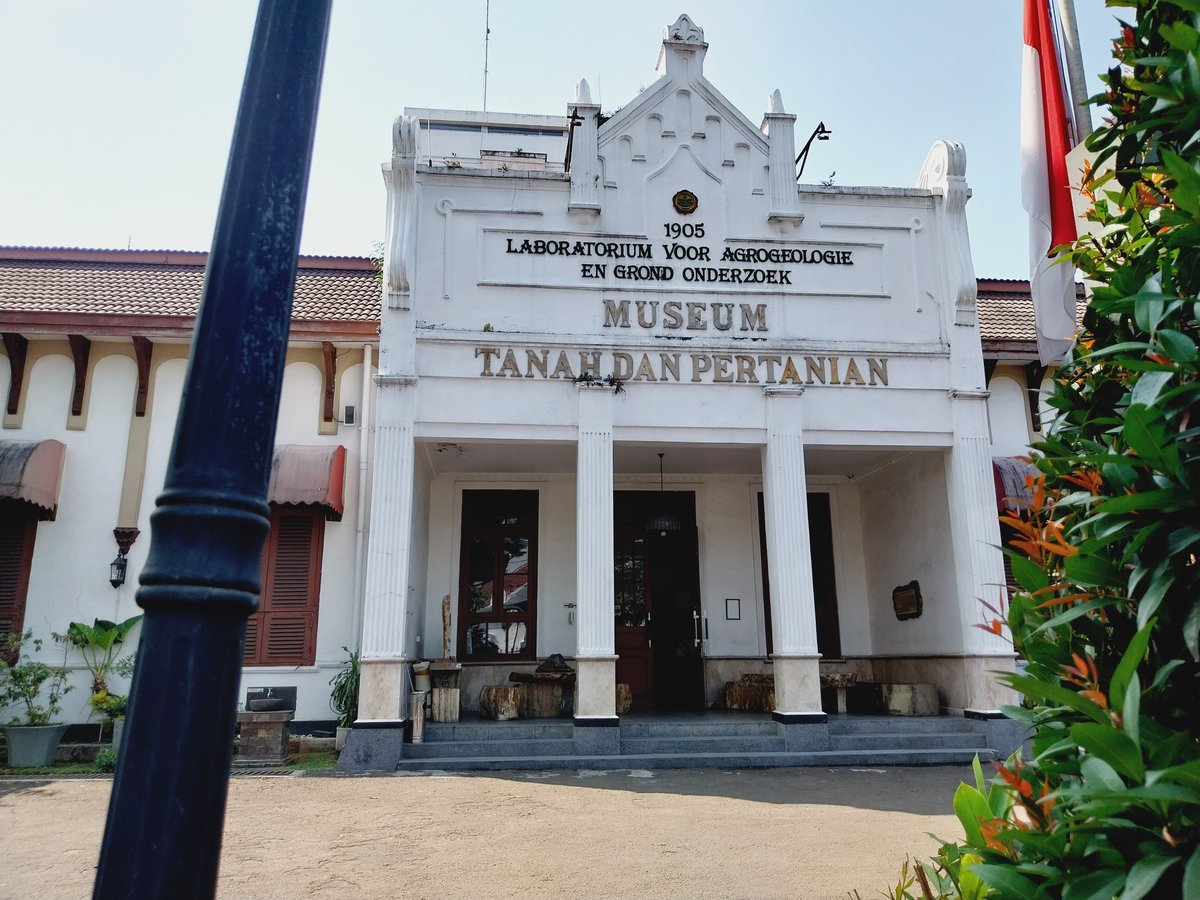
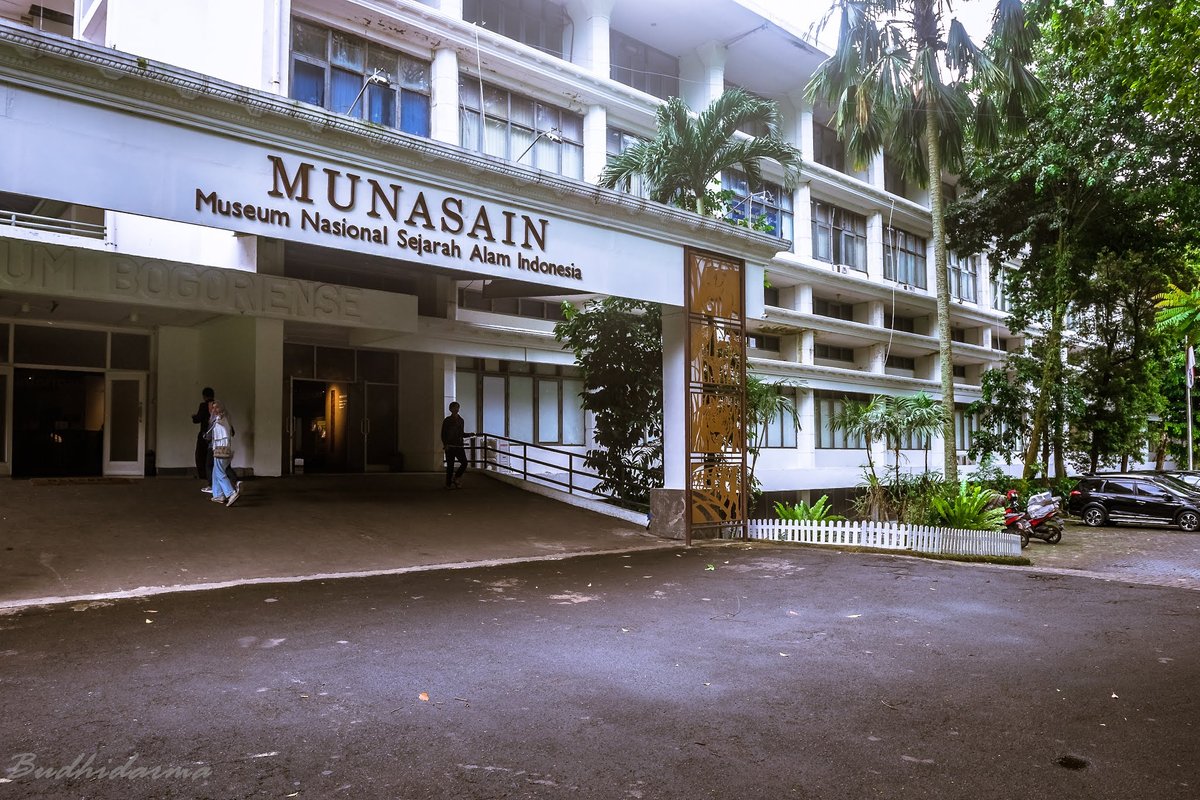
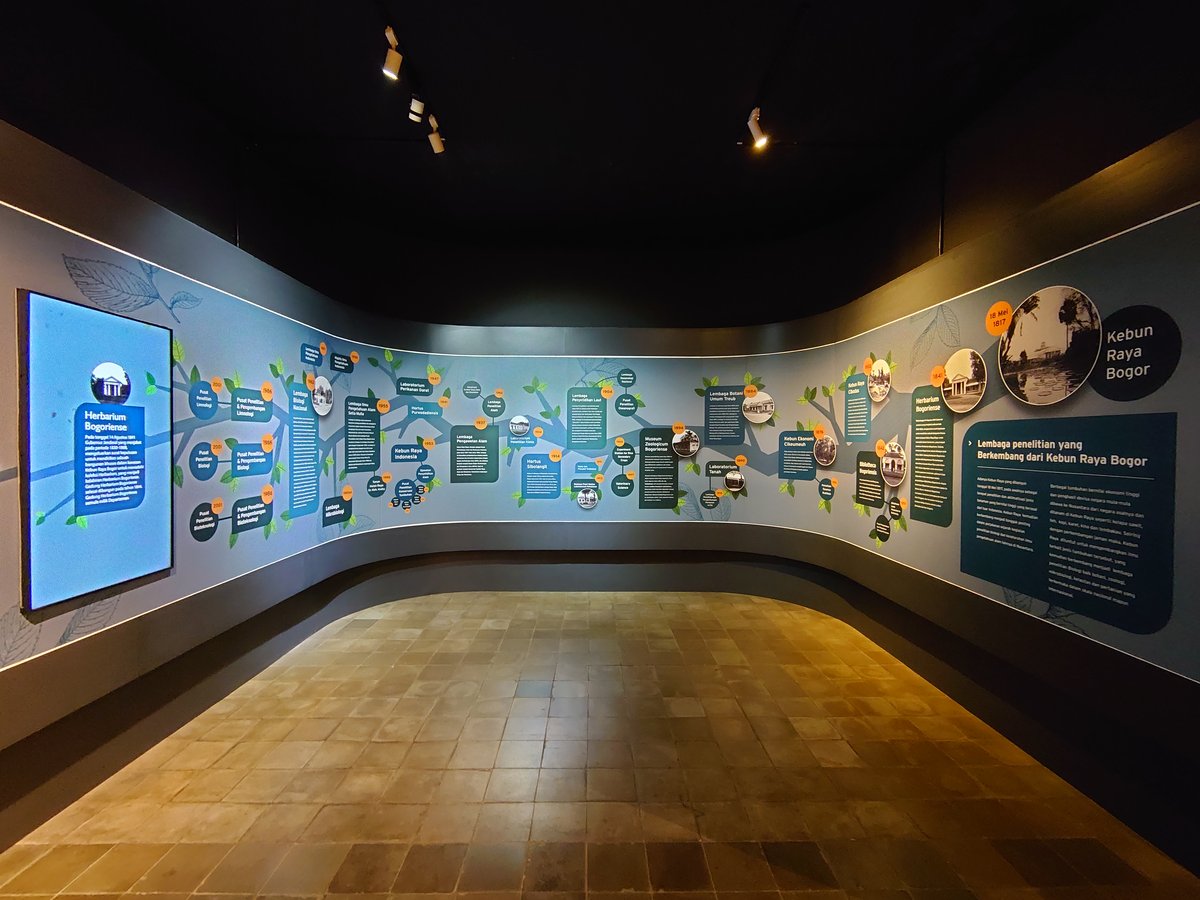
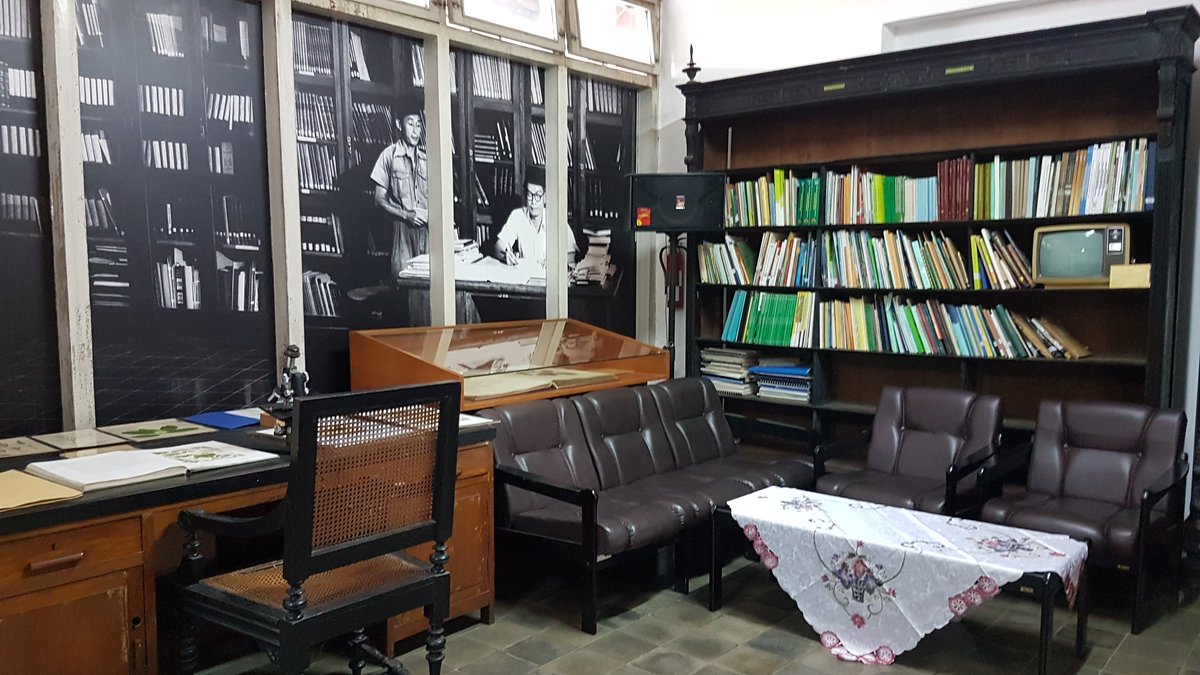
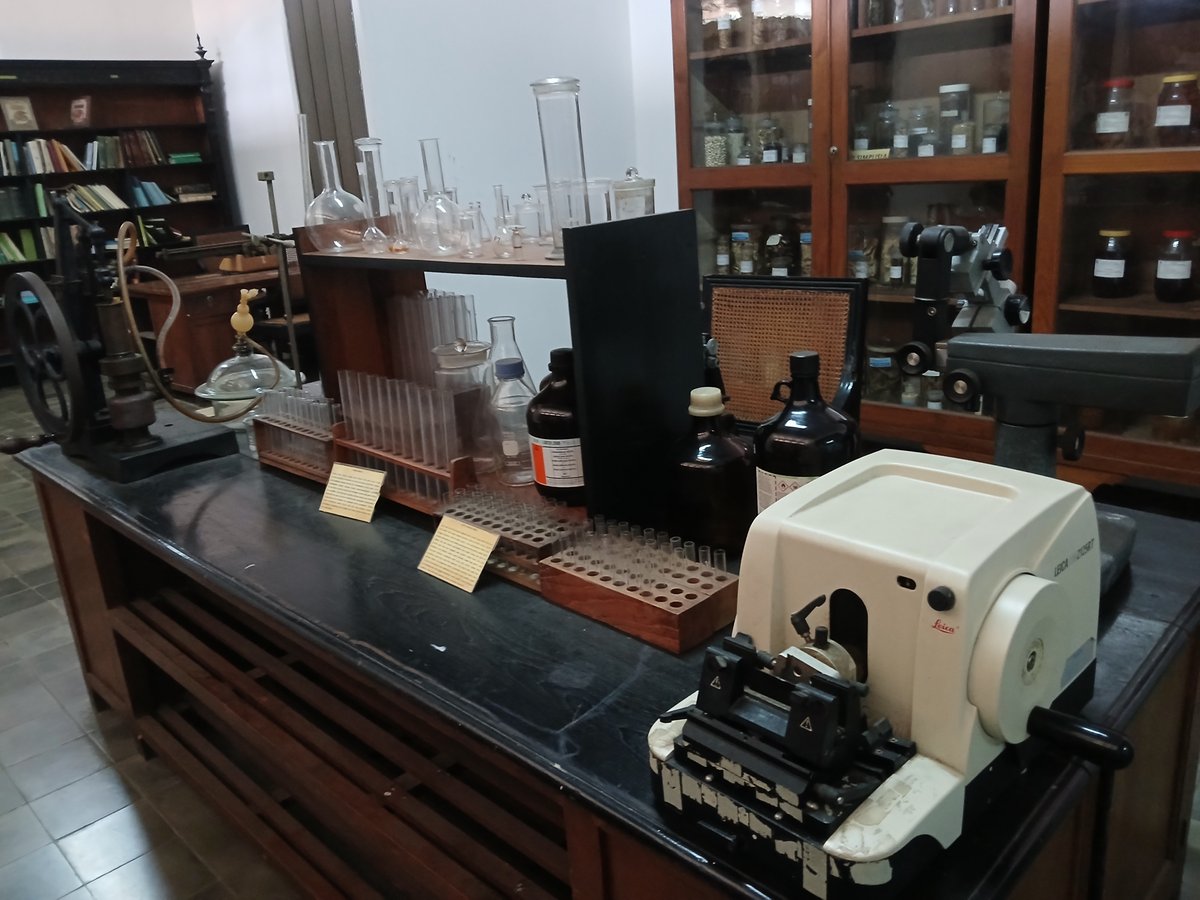
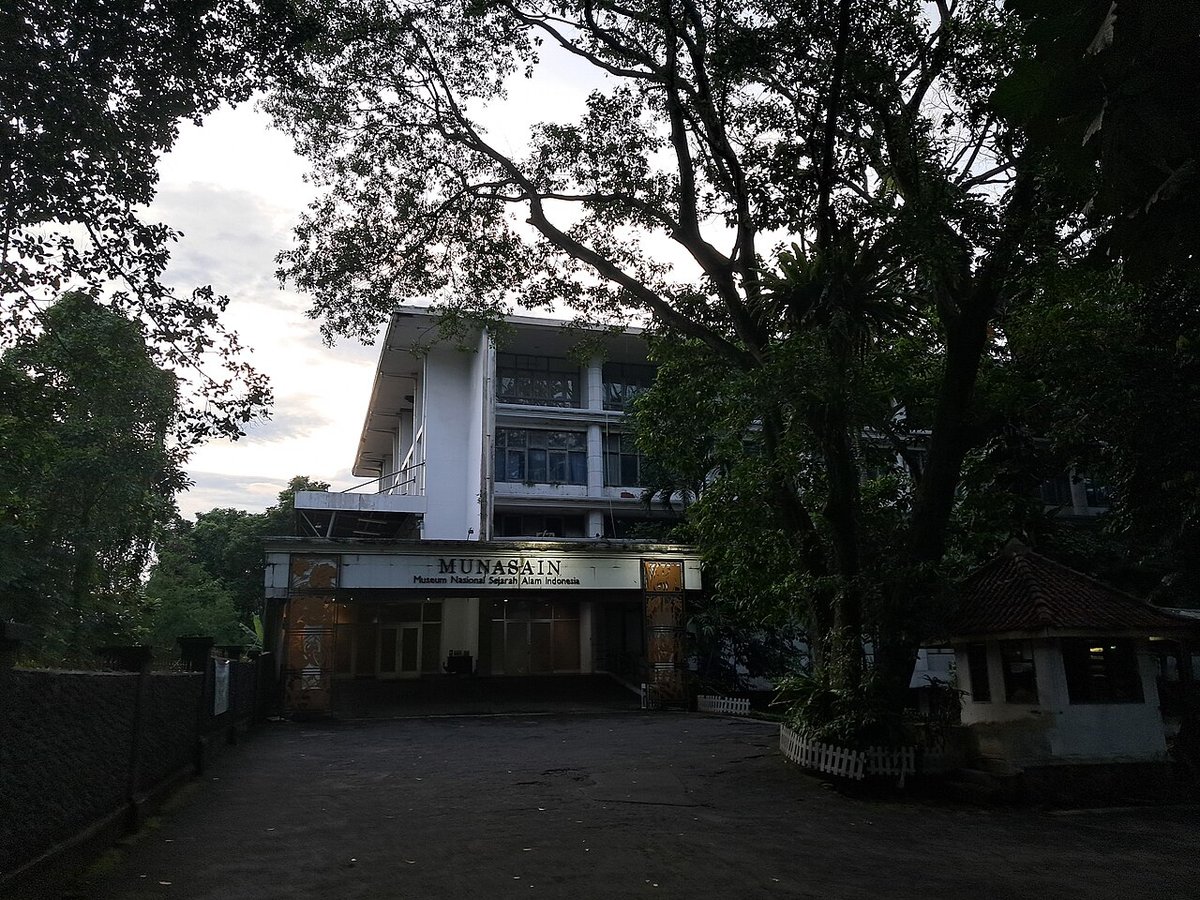
This institution is far more than a simple repository for collections; it functions as a research and educational hub that systematically communicates the complexity of Indonesia’s natural environment. Its distinguishing feature lies in the way living specimens, plant collections, and natural resources are presented through a clean, informative layout. While the exterior facade appears modest and currently undergoing maintenance, the interior offers a pristine, well-organized atmosphere rich in academic value. For travelers seeking a knowledge-focused destination away from commercial crowds, this museum is the ideal choice.
Visitor Experience
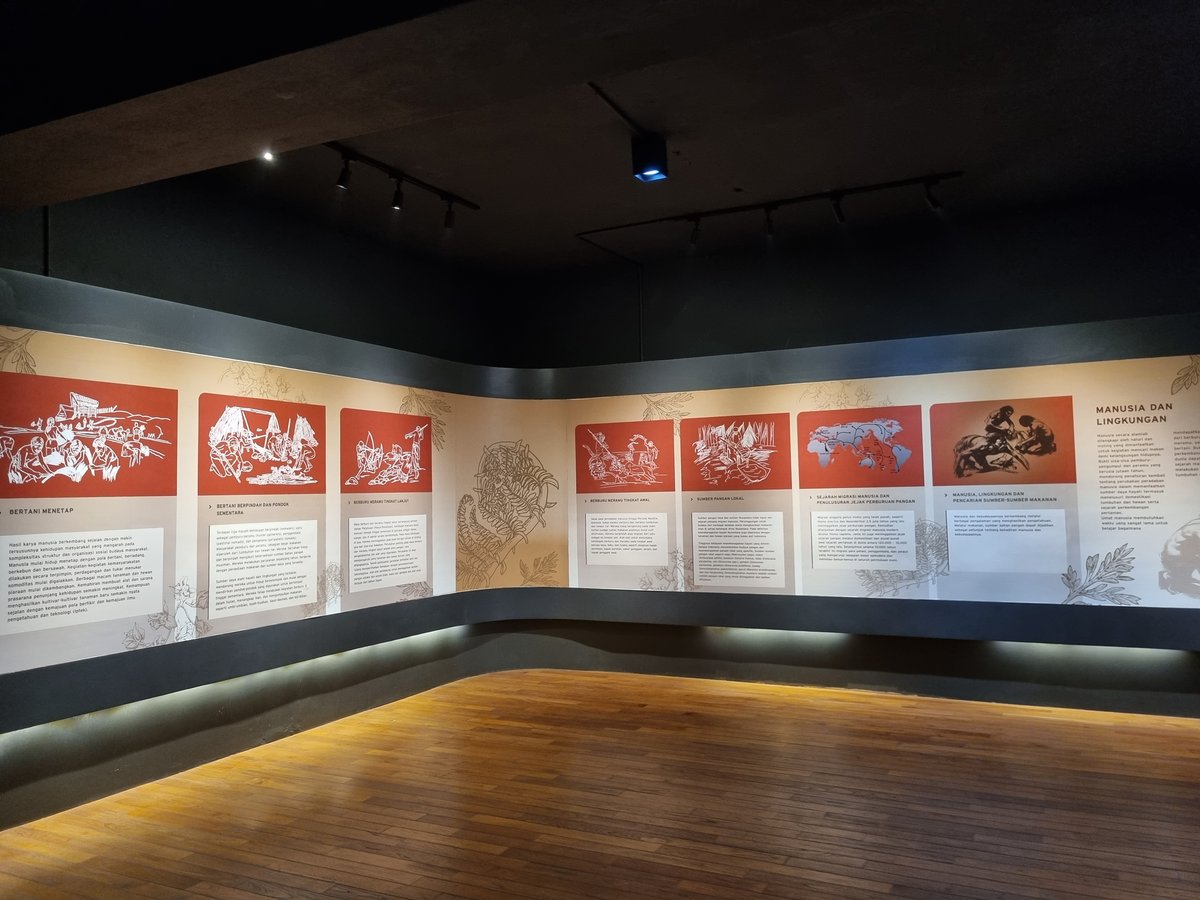
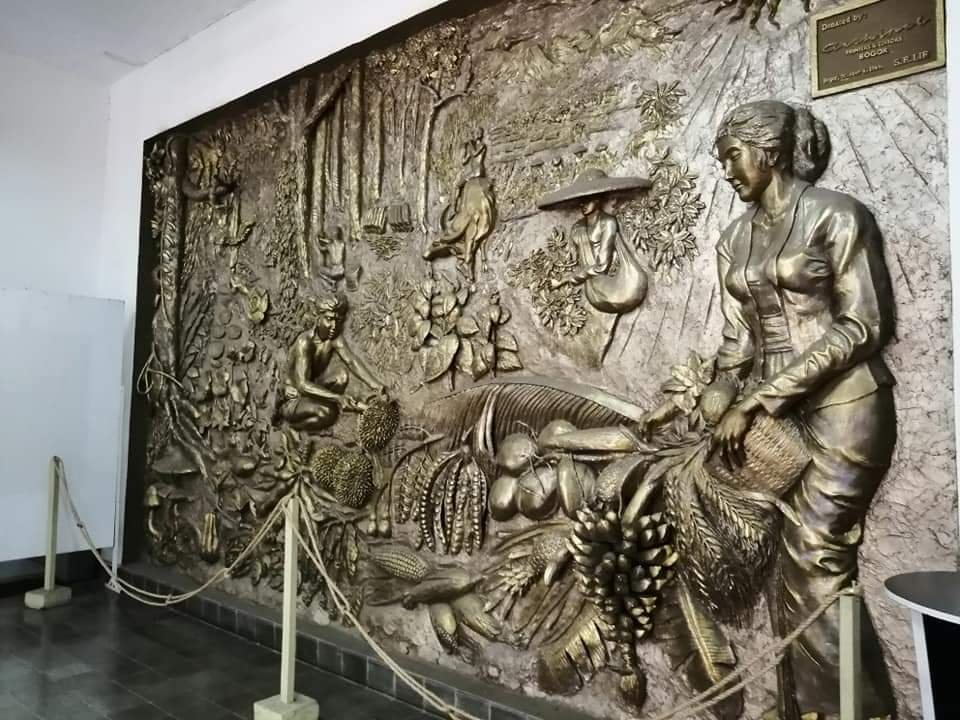
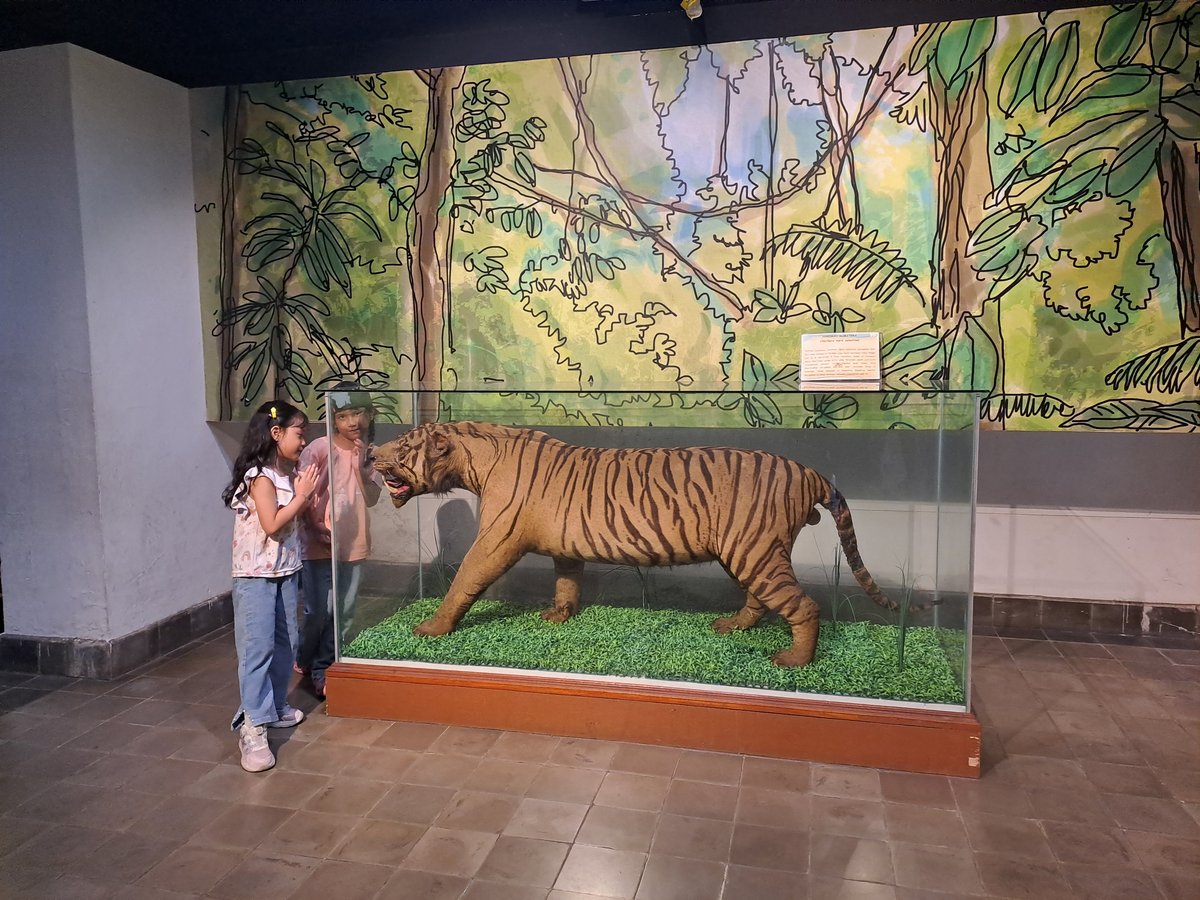
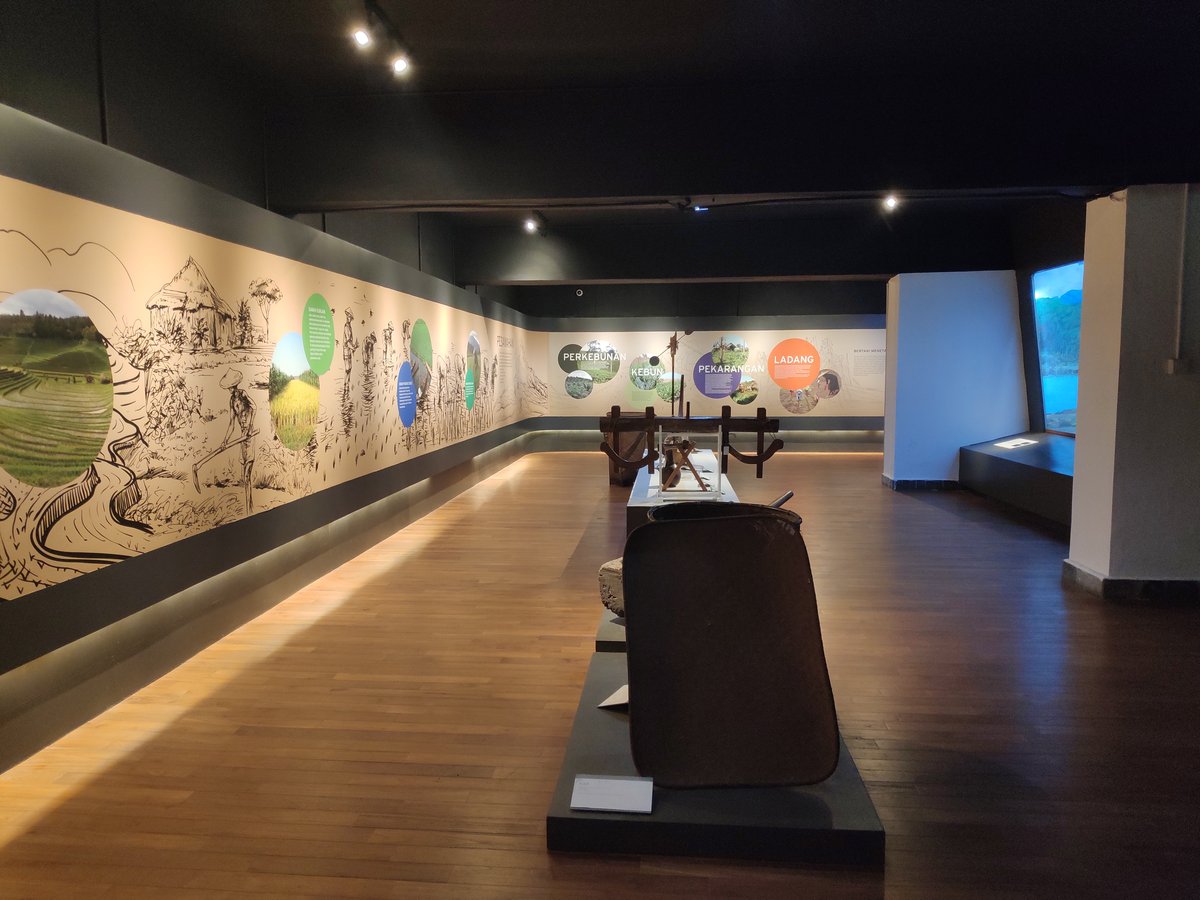
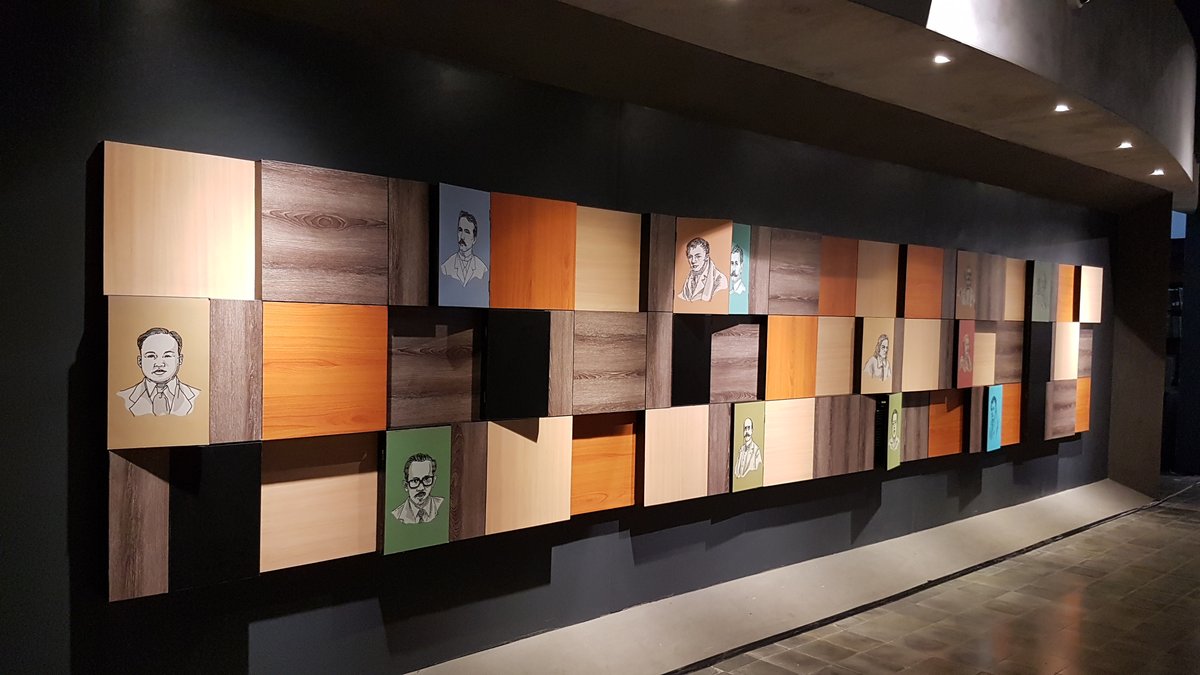
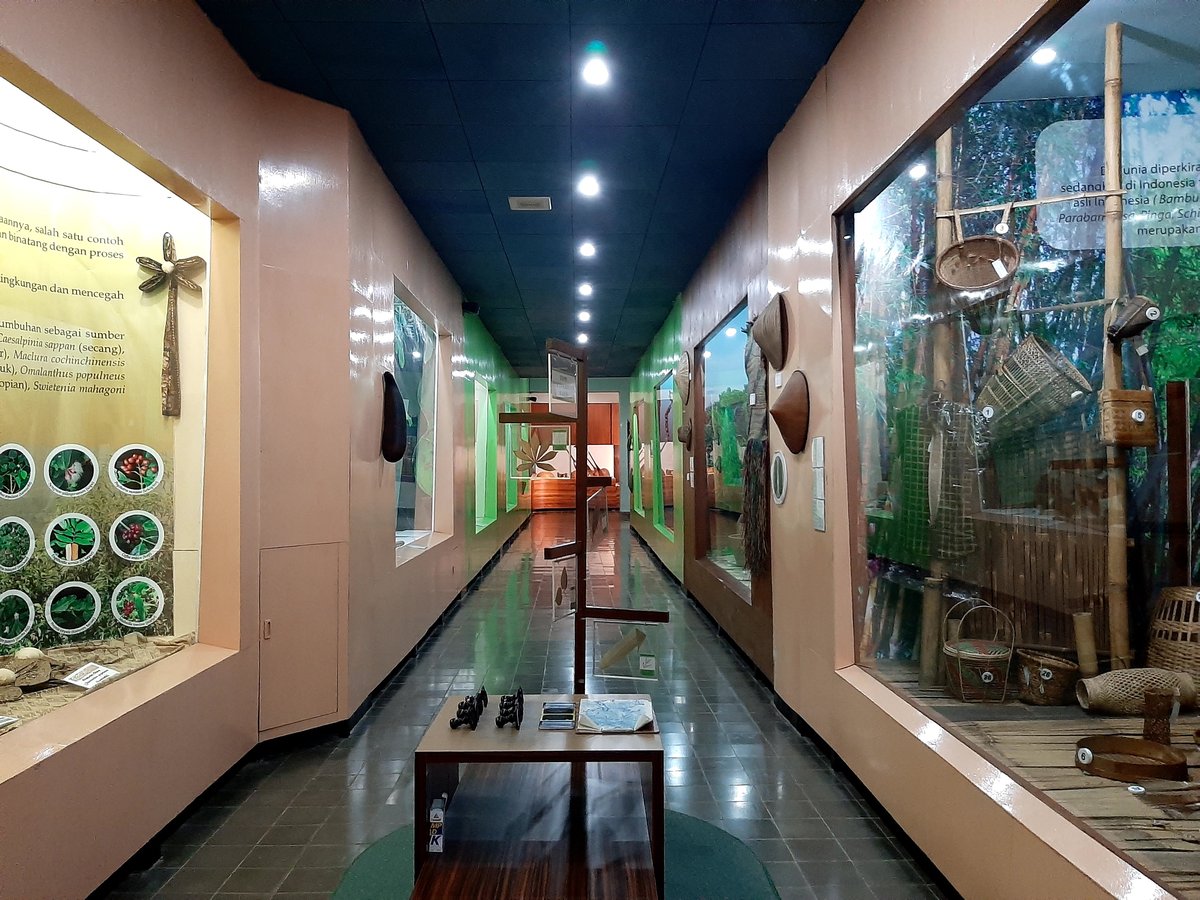
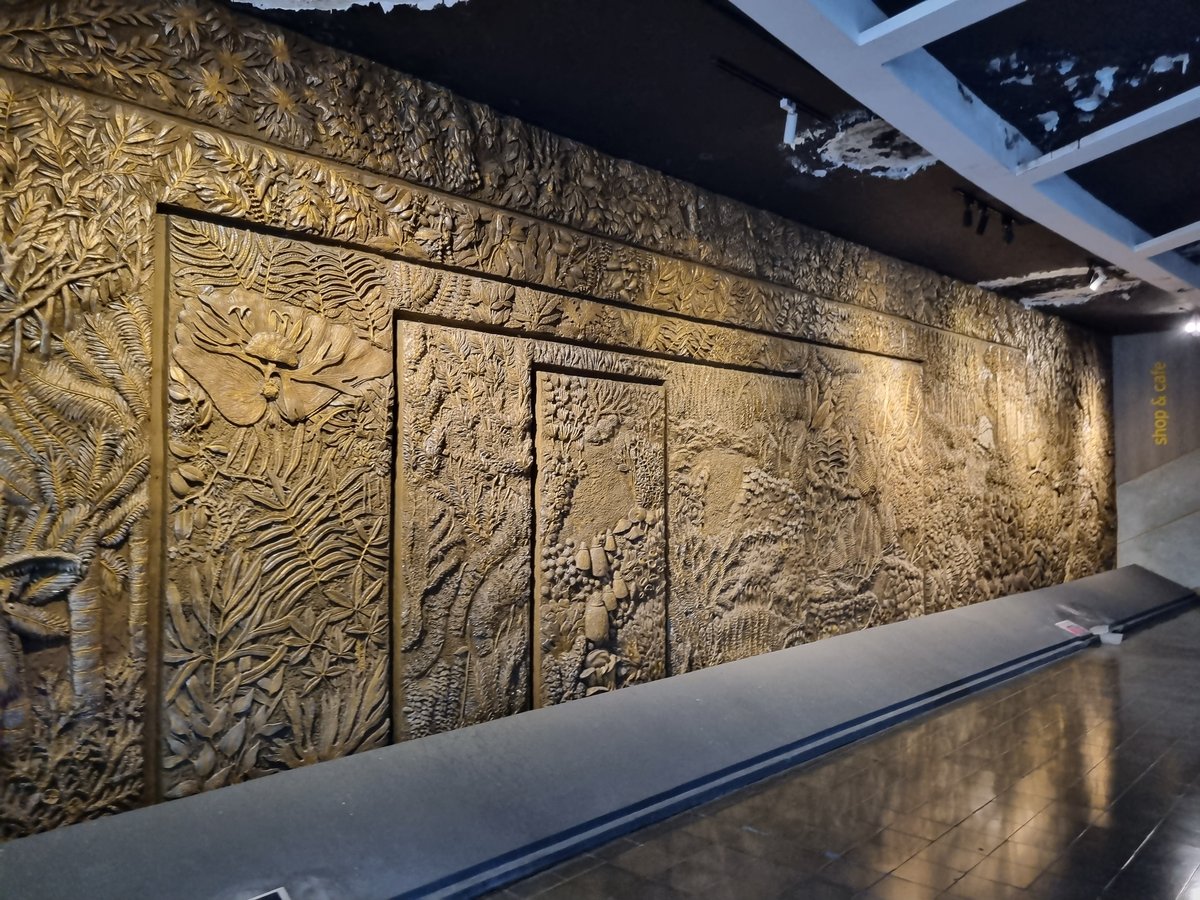
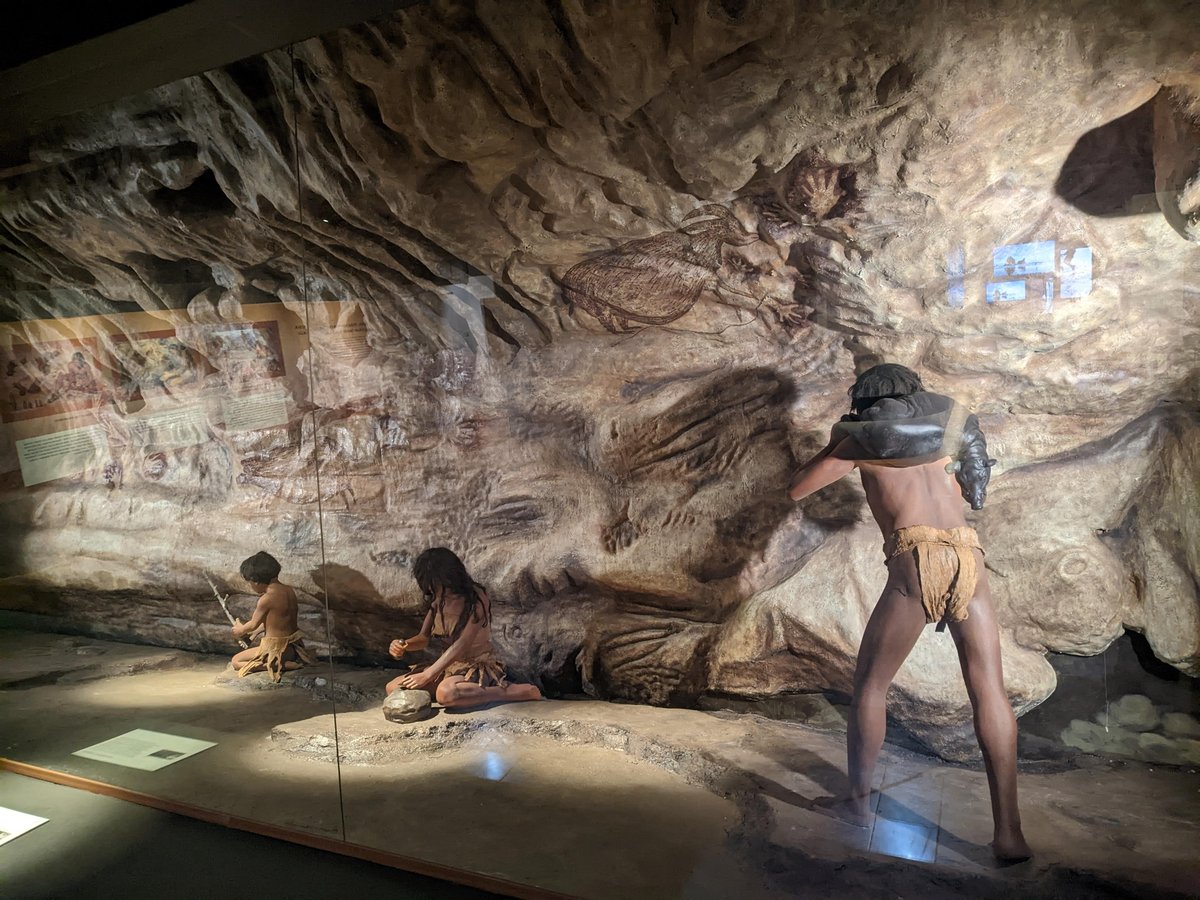
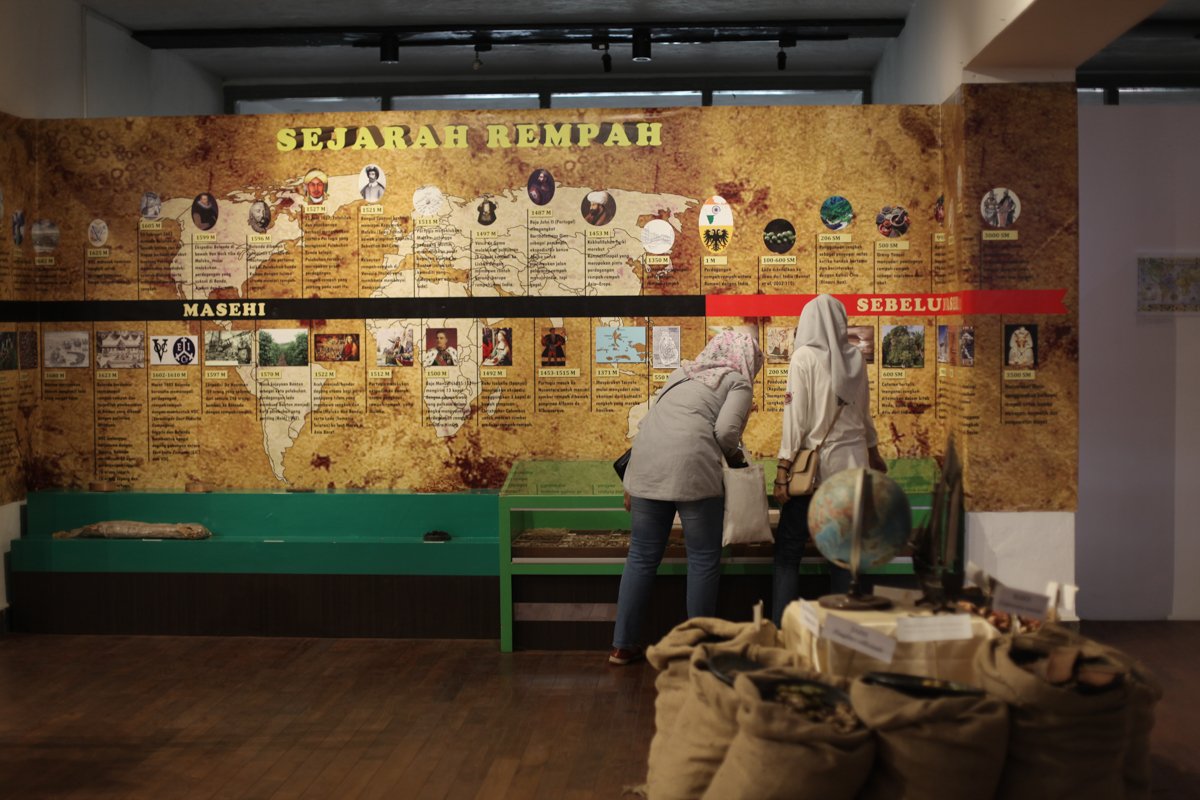
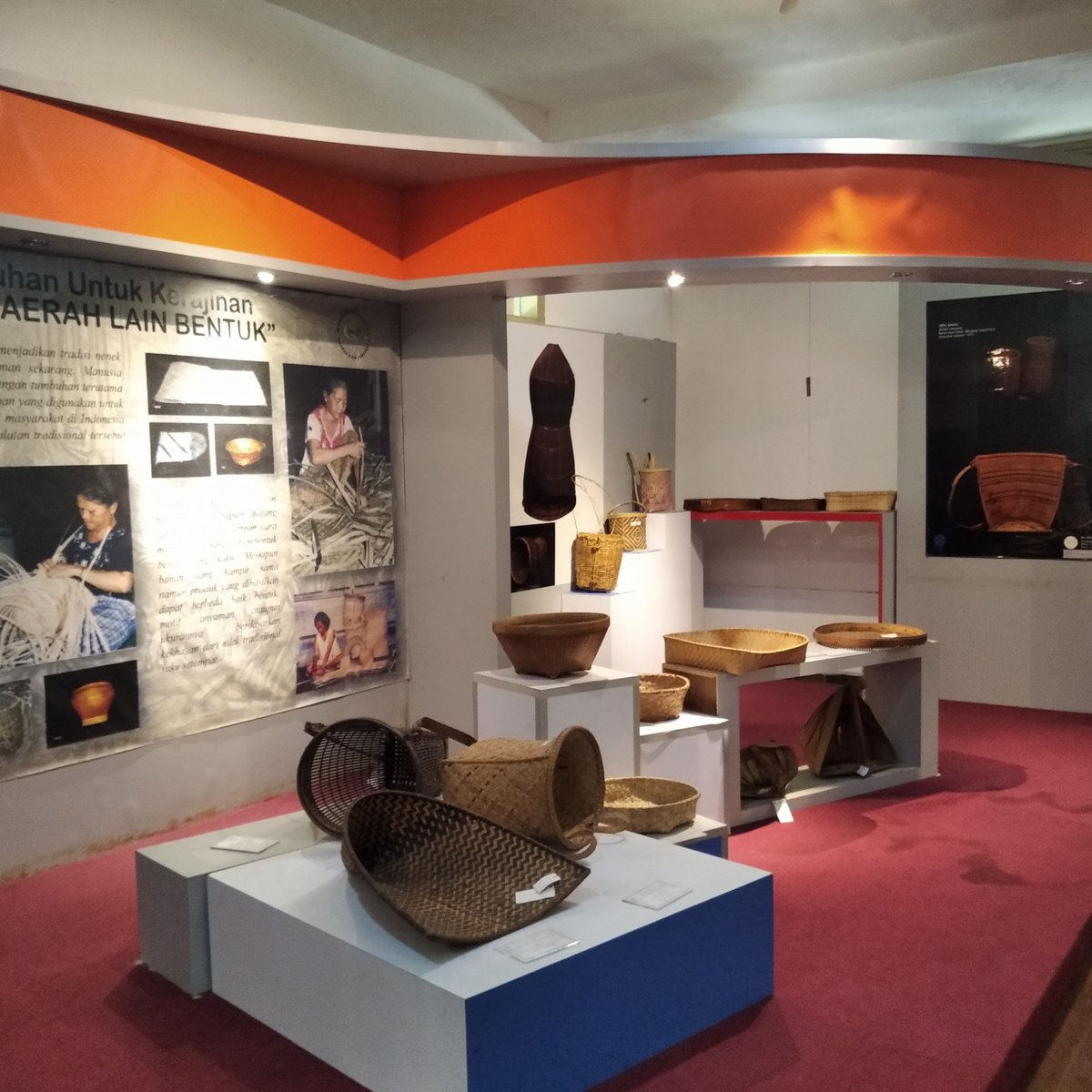
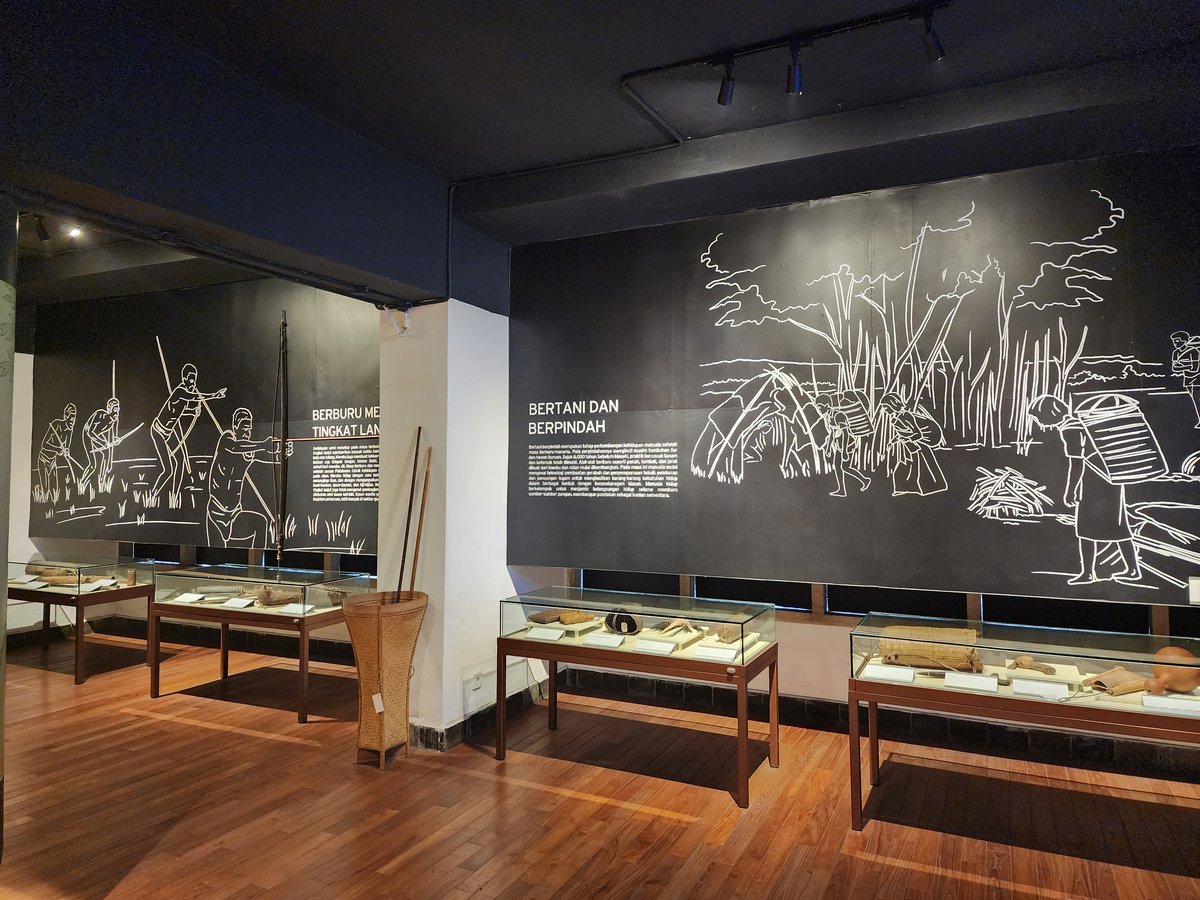
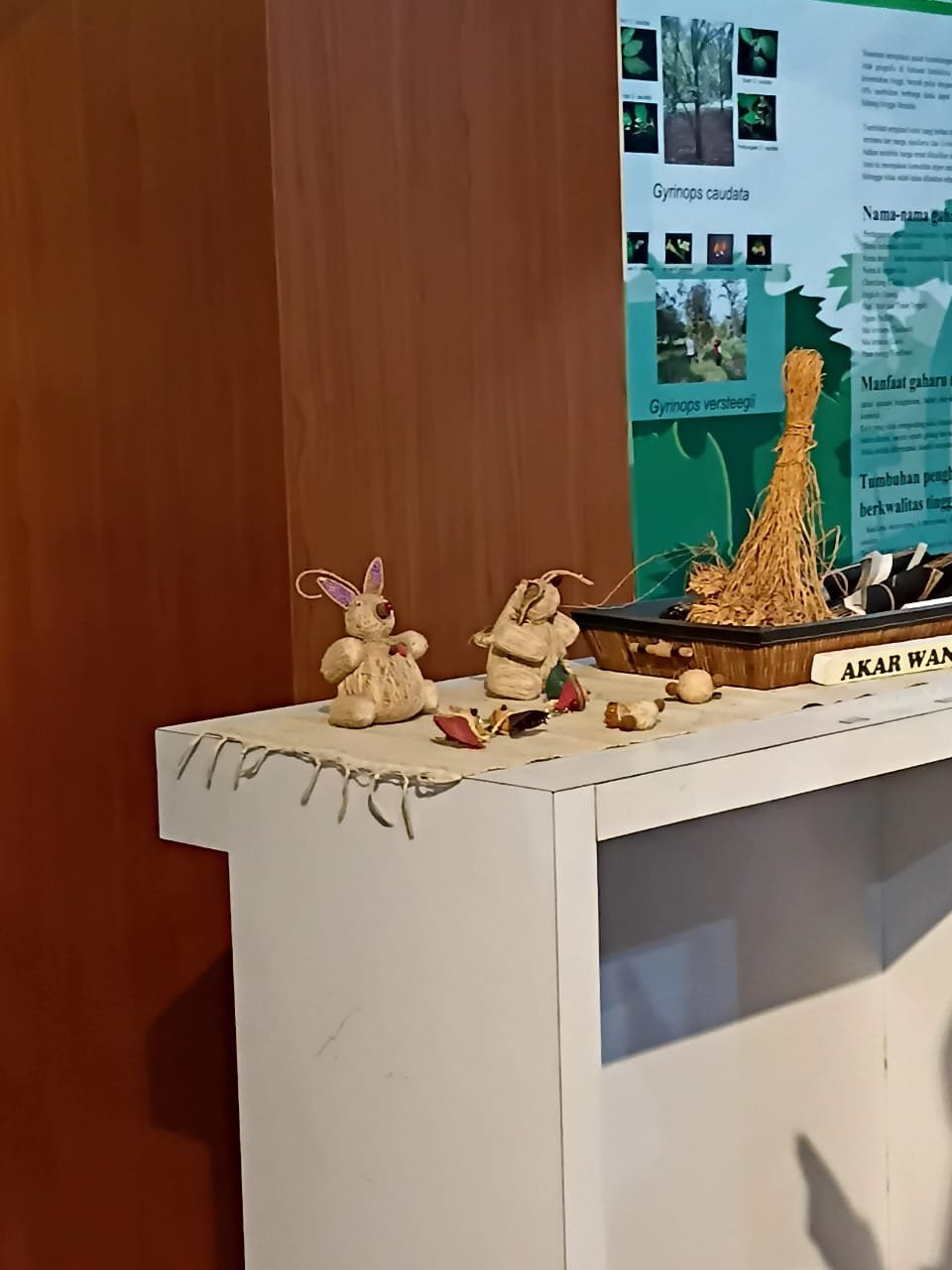
Visitors are greeted by a two-story spatial layout specifically designed to guide an educational journey. The ground floor features a modern exhibition concept with contemporary visual presentations, making ecological and biodiversity concepts accessible to both children and adults. In contrast, the basement houses a classic-style collection characterized by subdued lighting and a gentle Sundanese music backdrop, creating a distinctly atmospheric experience. As you explore, you will encounter various dioramas, flora and fauna specimens, and engaging displays on Indonesian spices. The surrounding area is also bustling with traditional snack vendors, adding to the overall comfort and convenience of your visit.
Dining & Culinary Options
The museum does not officially provide indoor dining or beverage facilities. However, visitors can enjoy a variety of Bogor’s signature culinary offerings located just outside the main entrance. Traditional snack vendors serve treats such as green bean porridge, es doger, and various light refreshments, perfectly suited for a rest after exploring the exhibits.
Admission Fees & Tickets
Admission fees are highly affordable and vary depending on the day of your visit. On weekdays, entry is Rp15,000, while weekend rates increase to Rp25,000. Payment can be made in cash or via QRIS. Both paid and complimentary parking options are available in the front and rear areas of the building, allowing you to accommodate your personal transportation needs.
Operating Hours
The museum is open daily from 08:00 to 16:00 WIB. Visitors are advised to arrive early to ensure ample time to explore all exhibition spaces without rushing. It is recommended to check for official announcements regarding schedule adjustments due to research activities or renovations.
Getting There
The museum is located at Jl. Ir. H. Juanda No.22 - 24, RT.02/RW.08, Paledang, Bogor Tengah District, Bogor City, West Java 16122. Access to the site is straightforward via Bogor’s main thoroughfares. Visitors may arrive by private vehicle, utilizing the parking facilities available in both the front and rear areas. For public transportation, local minibuses (angkot) or online ride-hailing services can drop you off at the nearest convenient point. The surrounding area is relatively flat, though stairs leading to the upper floor are currently under maintenance; please consider accessibility requirements prior to your visit.
Practical Visitor Tips
To ensure a smooth visit, consider the following recommendations based on previous visitor experiences. Bring your own water and wear comfortable footwear, as you will be walking considerable distances indoors. Note that restrooms are located on the lower level and outside the building, allowing you to plan breaks accordingly. If visiting in the late afternoon, be prepared for the dimly lit and breezy basement environment, and consider whether bringing young children is advisable given the low-light conditions. Stay updated on the renovation status of the front building section, as stair access may be temporarily restricted for visitor safety.
Visitor Reviews
"The admission ticket is 15 thousand rupiah, and payment can be made in cash or via QRIS. The museum spans two floors: the ground floor and the basement. The exterior certainly looks somewhat neglected, but the collection is quite impressive."
"The interior is clean and well-organized, but the exterior appears inactive, as if the building were closed. Overall, I enjoyed it because I gained new knowledge. The entry fee is very affordable, and the ticket counter staff were incredibly friendly and helpful."
"I felt quite uncomfortable due to the rising heat, lack of fresh air, and dusty environment. The ceiling fans do not circulate humidified air, which is not ideal for respiratory health. This is an important consideration for visitors sensitive to indoor air quality."
"The museum’s content is genuinely excellent, rich with information about Indonesia’s natural resources. The main drawback is the building’s upkeep, particularly the front section, which is so neglected that visitors might not realize it is still in use. Reports indicate renovations are planned, which explains why the upper stairs are currently closed."
"My first impression from the outside was that the museum looked quite old and neglected, but that perception changed the moment I stepped inside. The exhibits are meticulously arranged and beautifully curated. Walking through the galleries is quite enjoyable and provides valuable insights into Indonesia’s natural history."
The Indonesian National Museum of Natural History stands as a testament that educational value does not depend on architectural grandeur. With well-maintained collections, affordable admission, and a tranquil academic atmosphere, it deserves a place on your Bogor itinerary. Bring your curiosity, explore every corner of the exhibits, and allow this experience to broaden your understanding of Indonesia’s natural heritage.