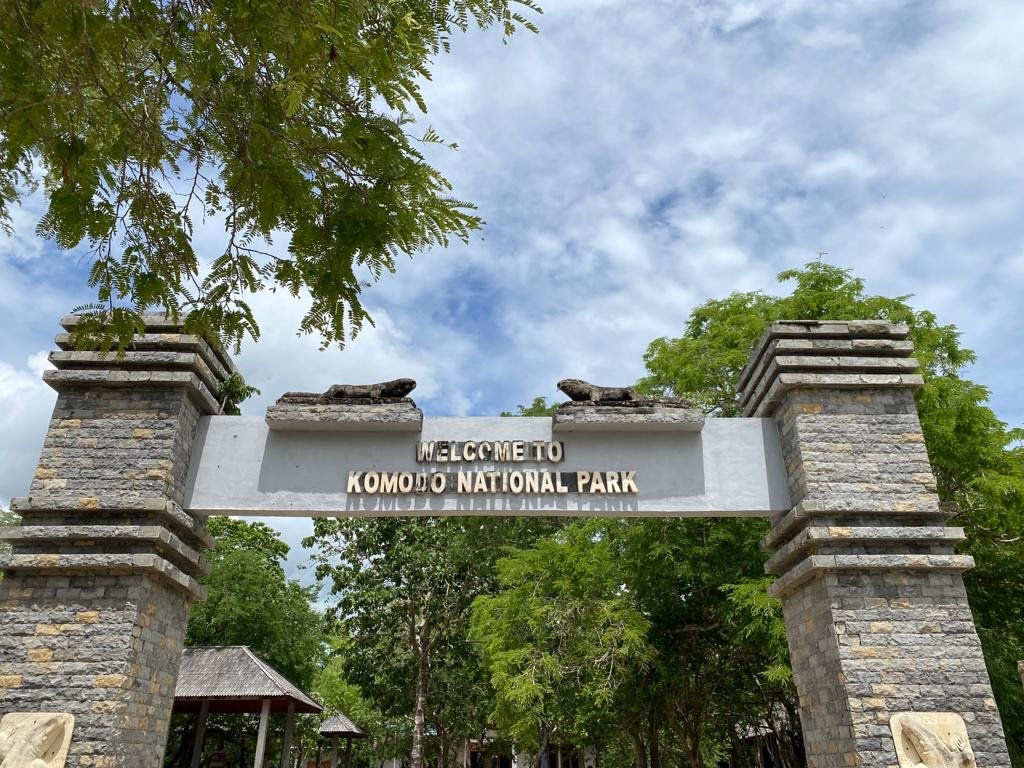
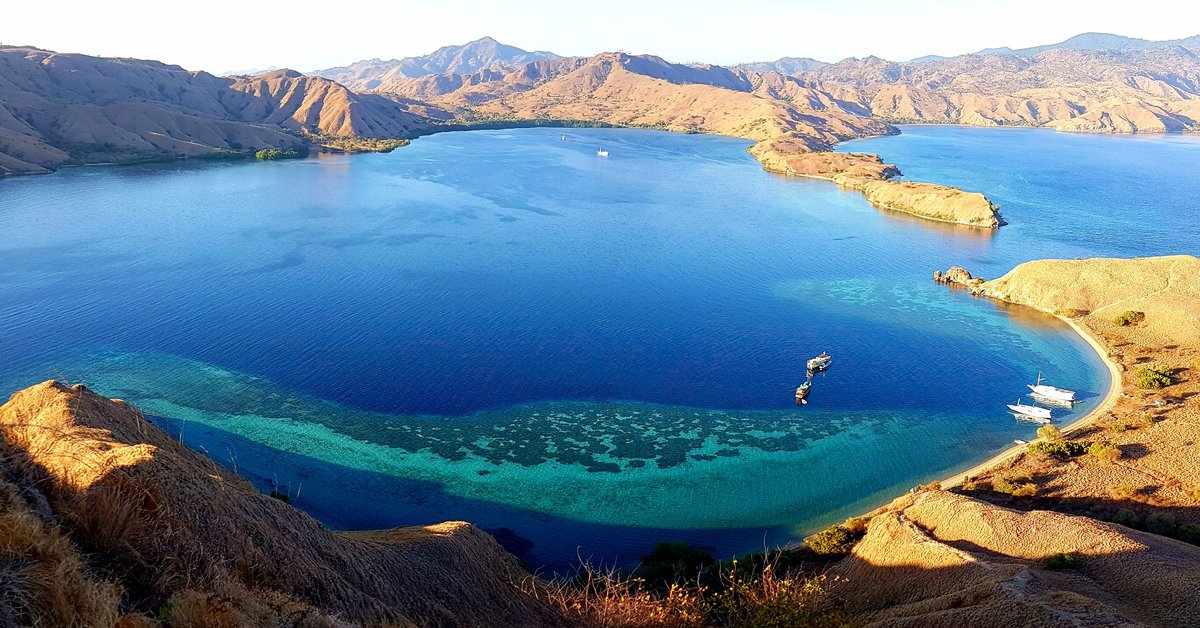
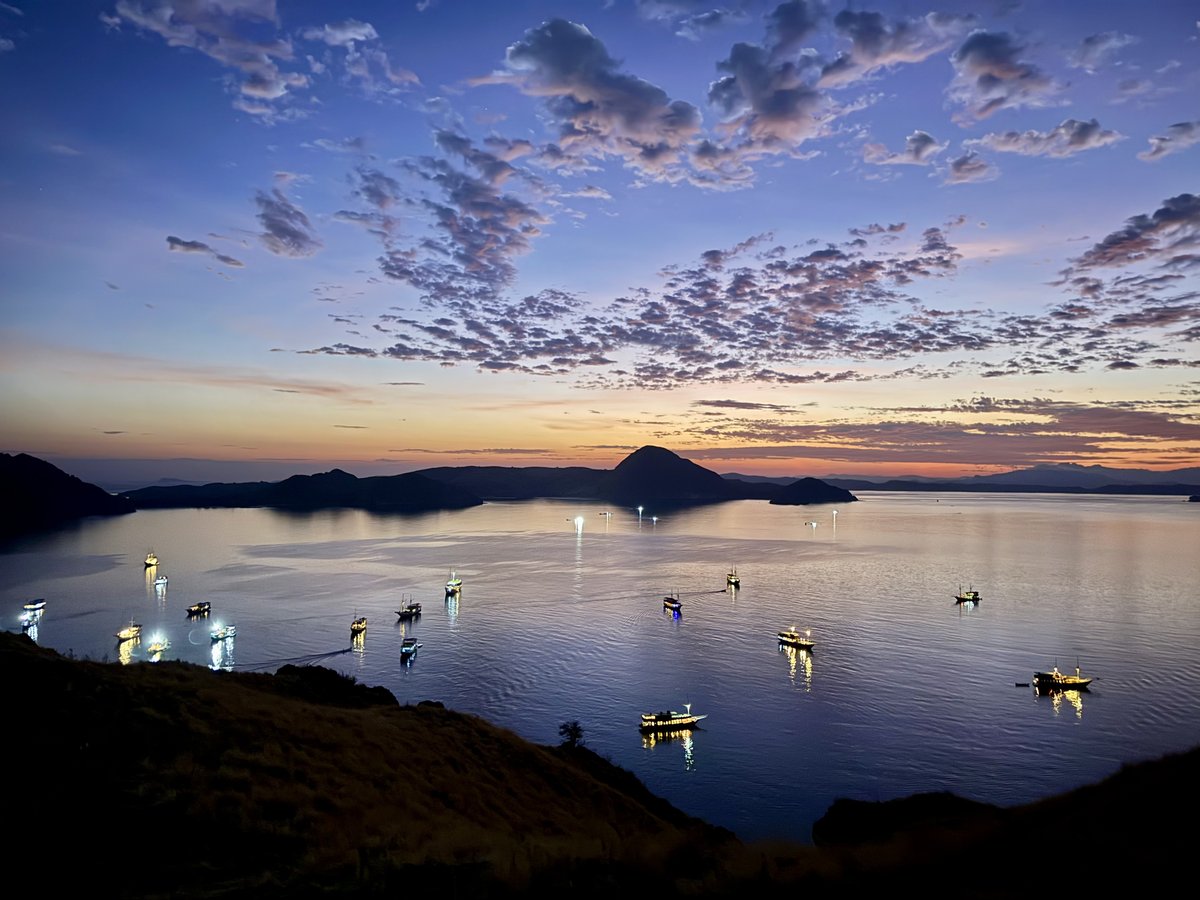
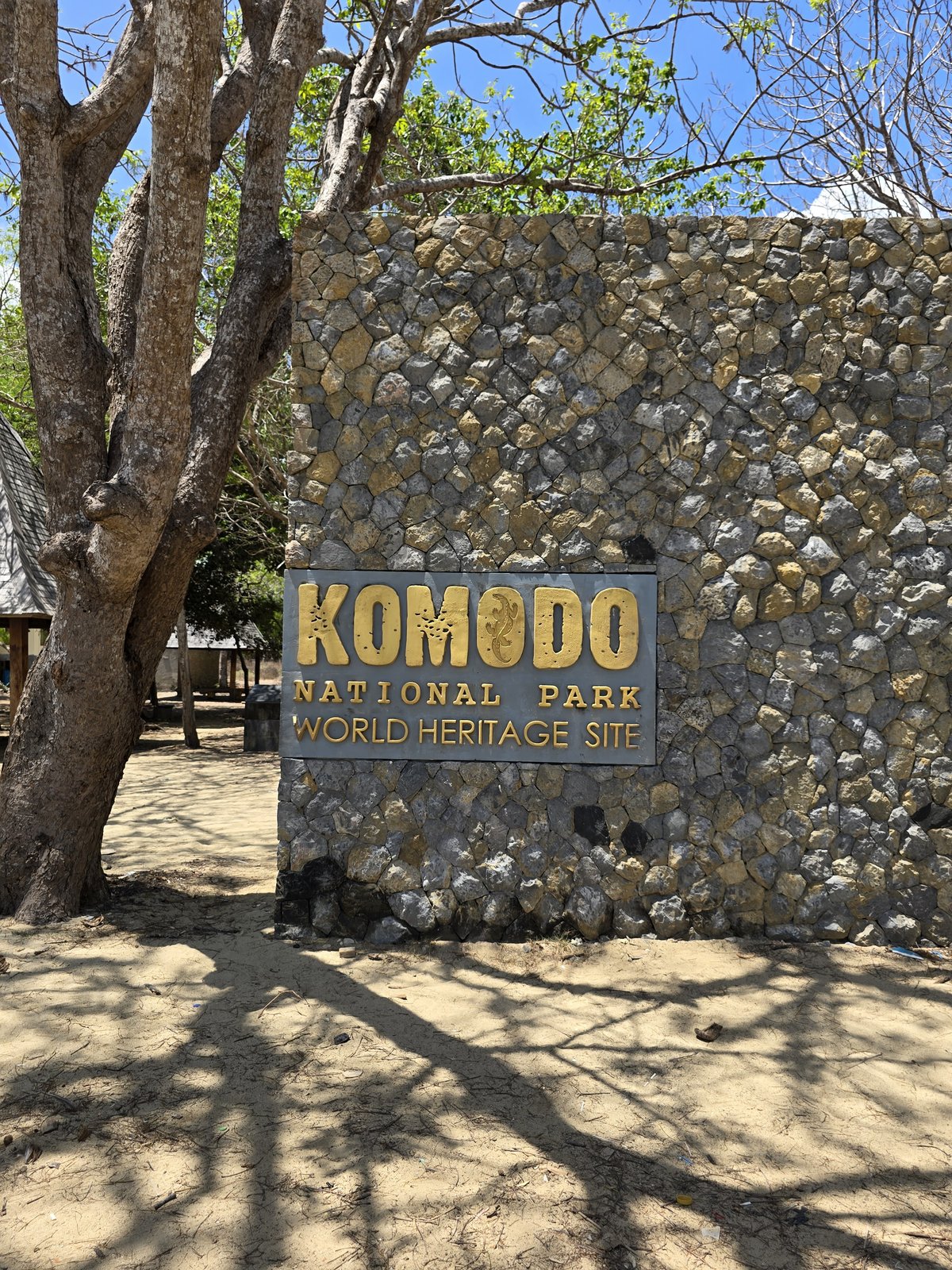
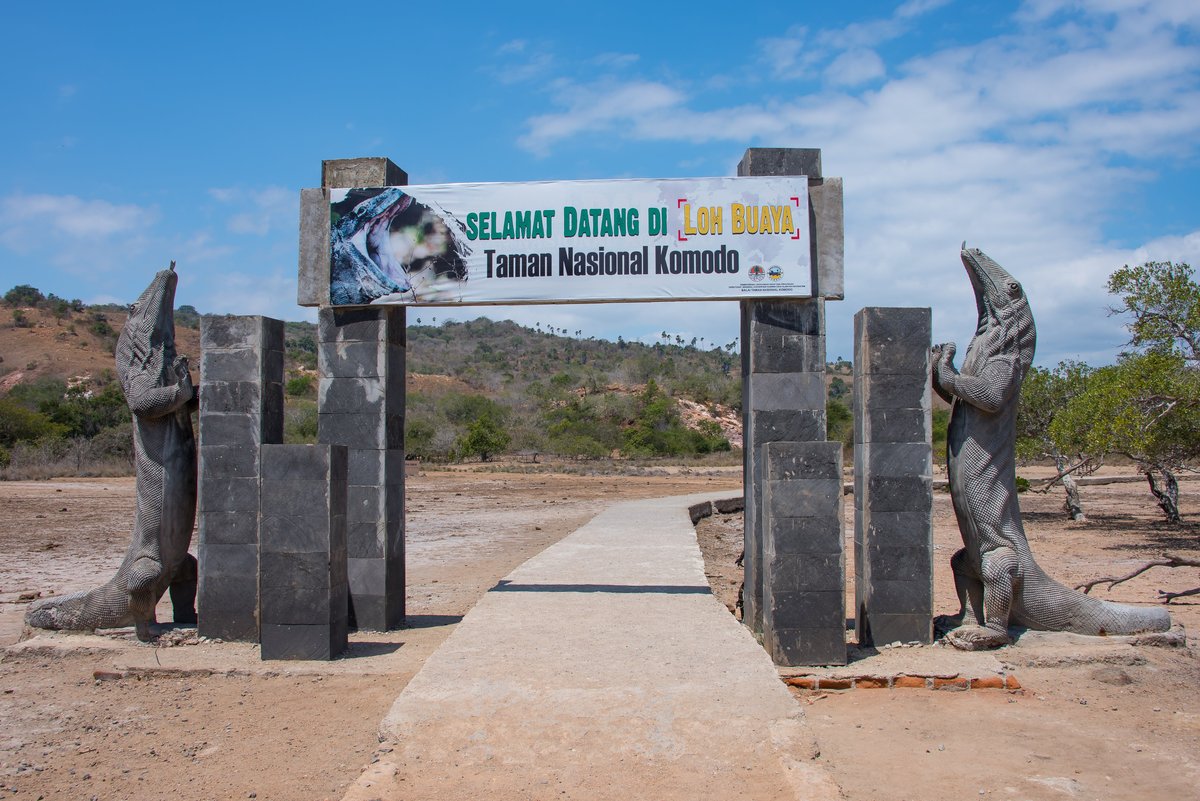
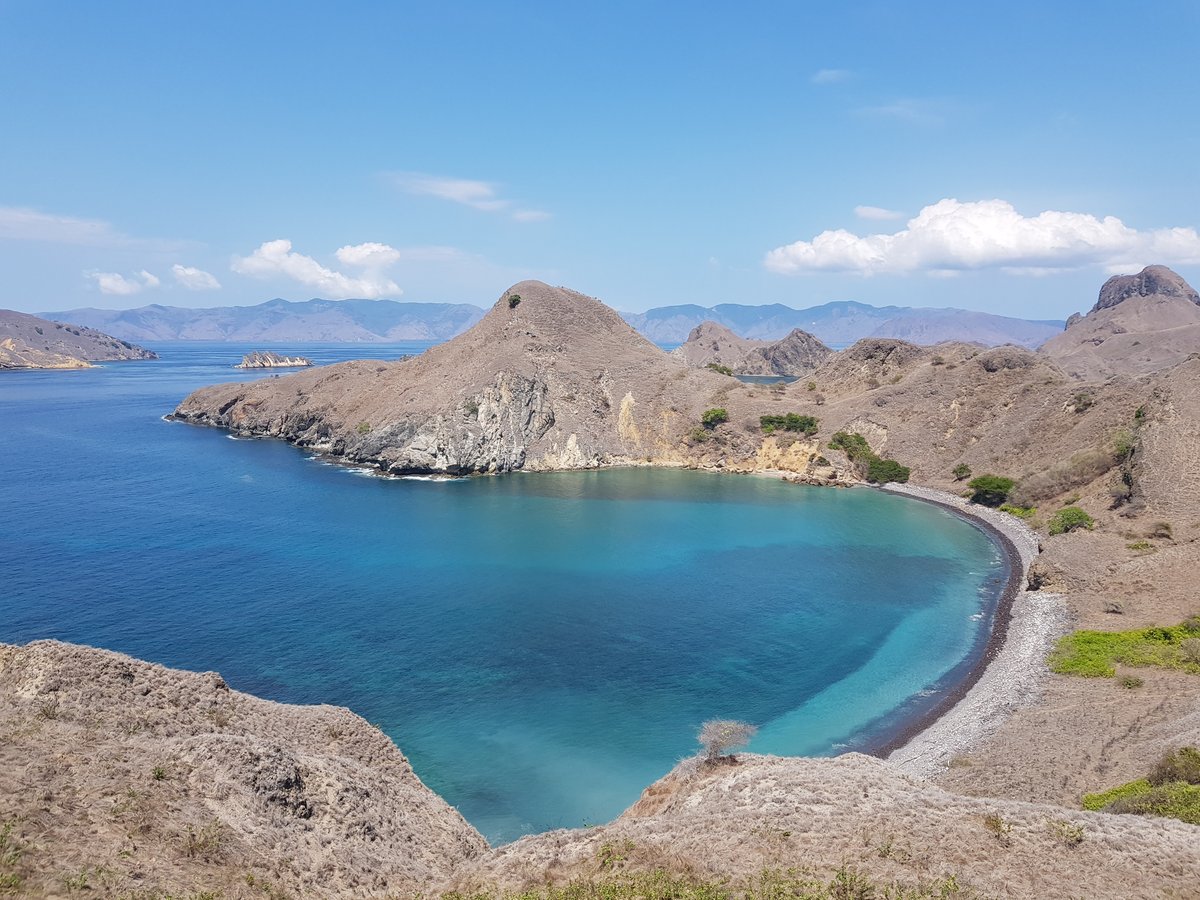
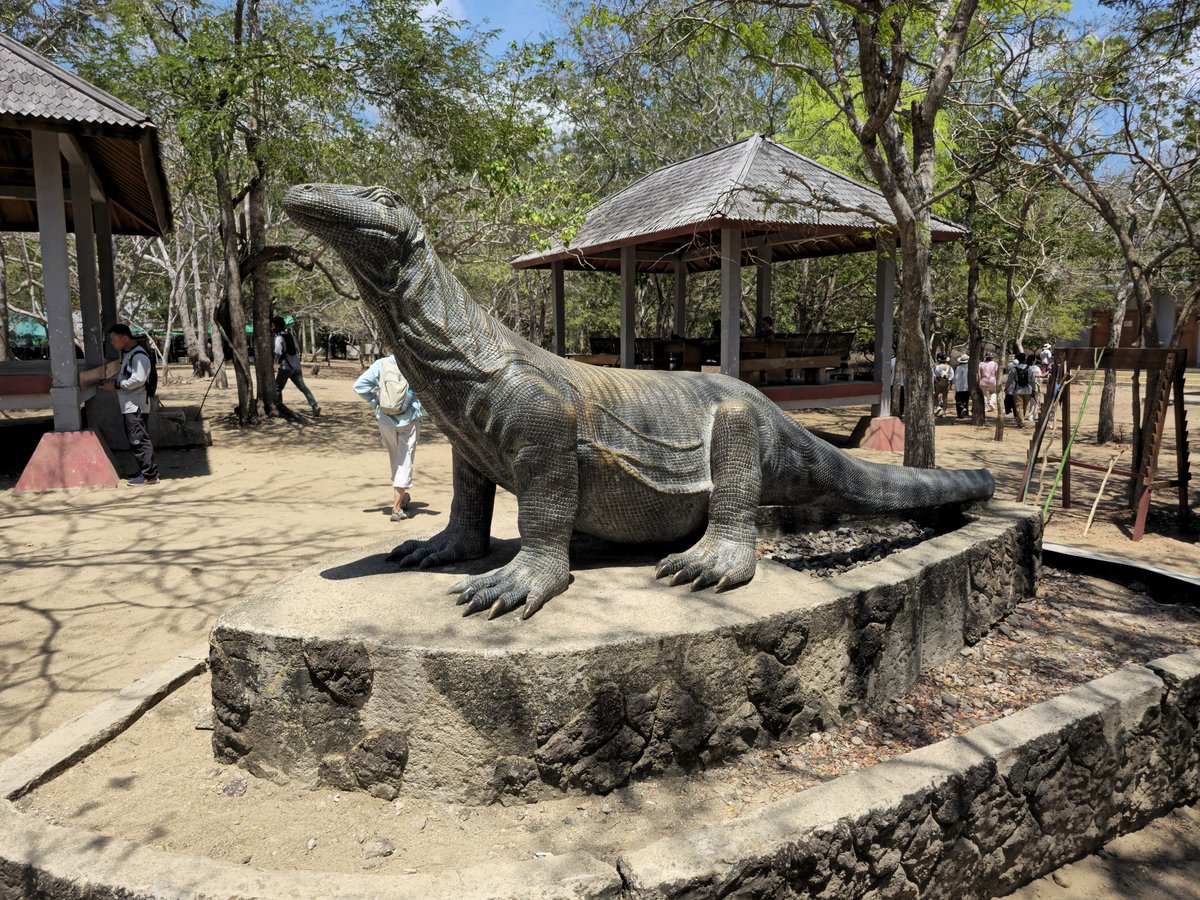
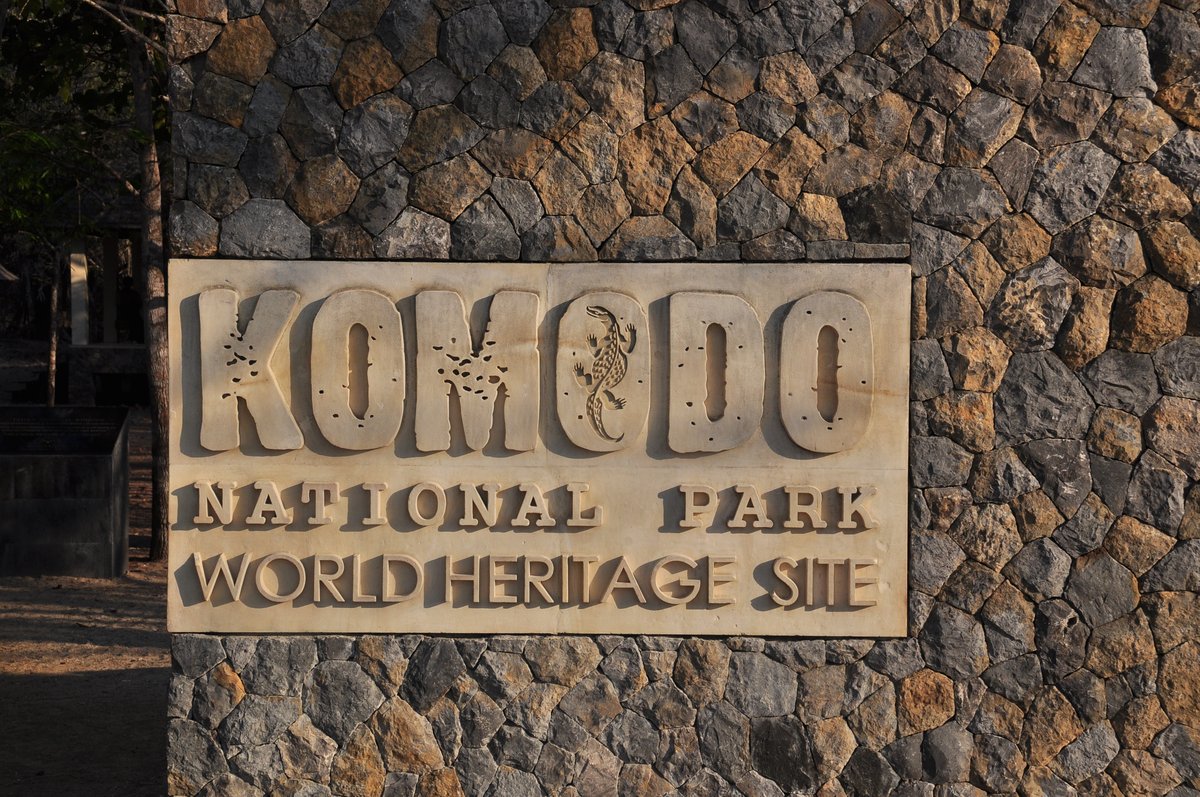
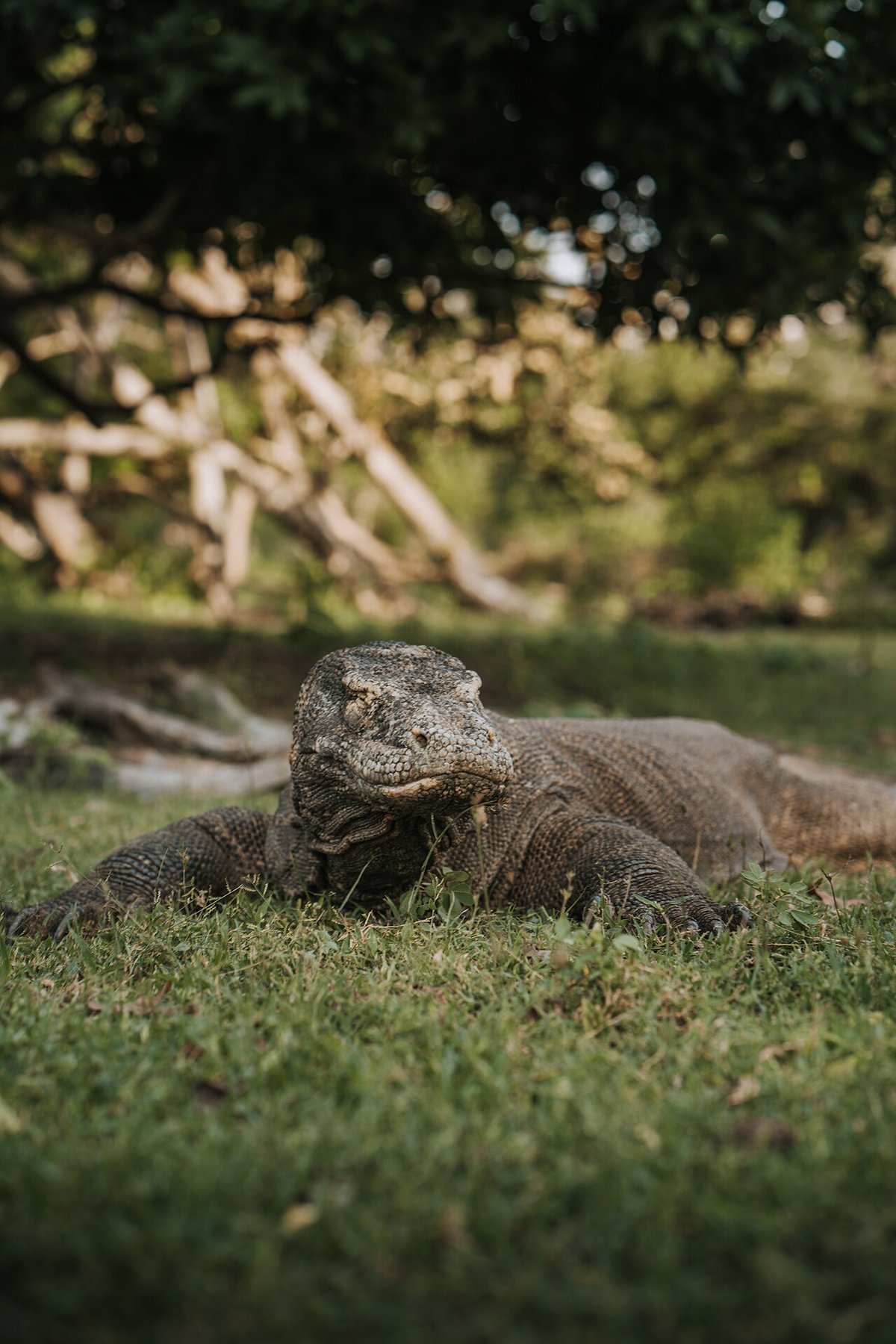
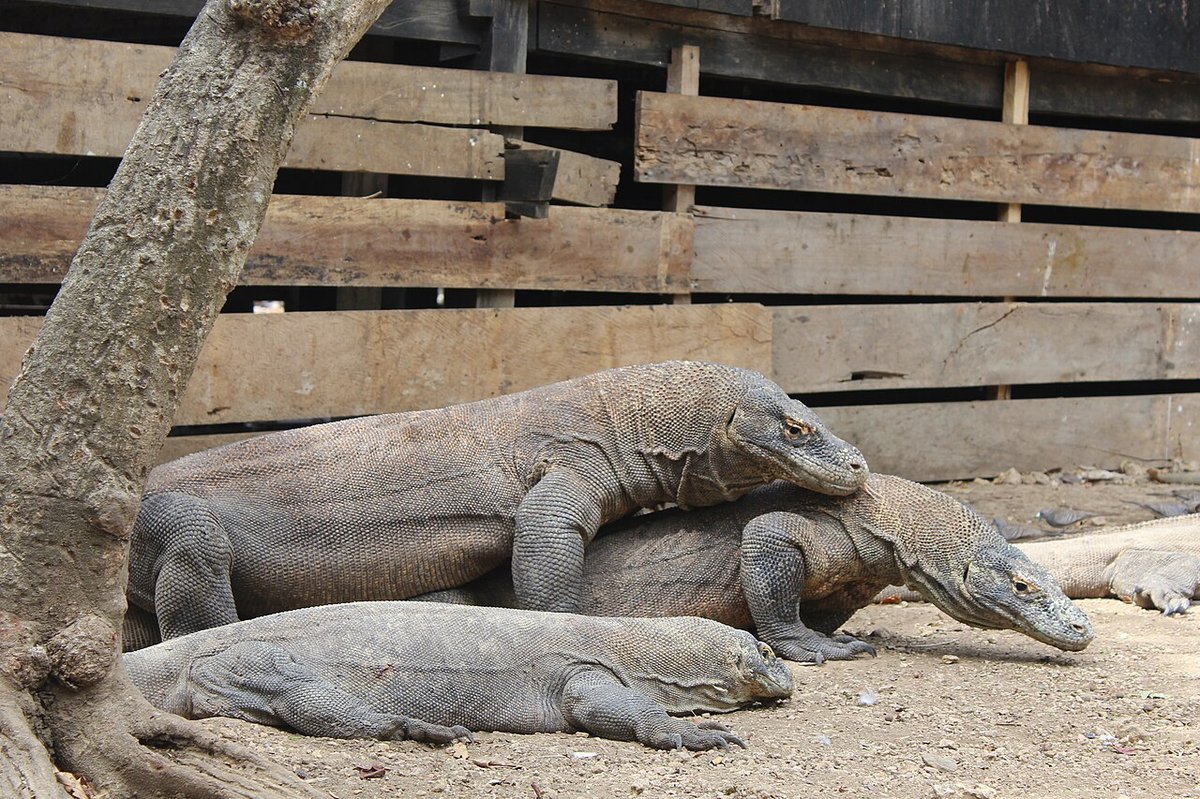
Komodo National Park, located in Labuan Bajo, East Nusa Tenggara, stands as one of Indonesia’s most iconic natural destinations. As the native habitat of the world’s largest lizard, the area offers a unique blend of stunning volcanic landscapes, emerald waters, and rare biodiversity. Each year, thousands of visitors arrive to witness this natural wonder firsthand, which has been designated a UNESCO World Heritage Site since 1991.
📸 Galería de fotos
Why Visit This Destination
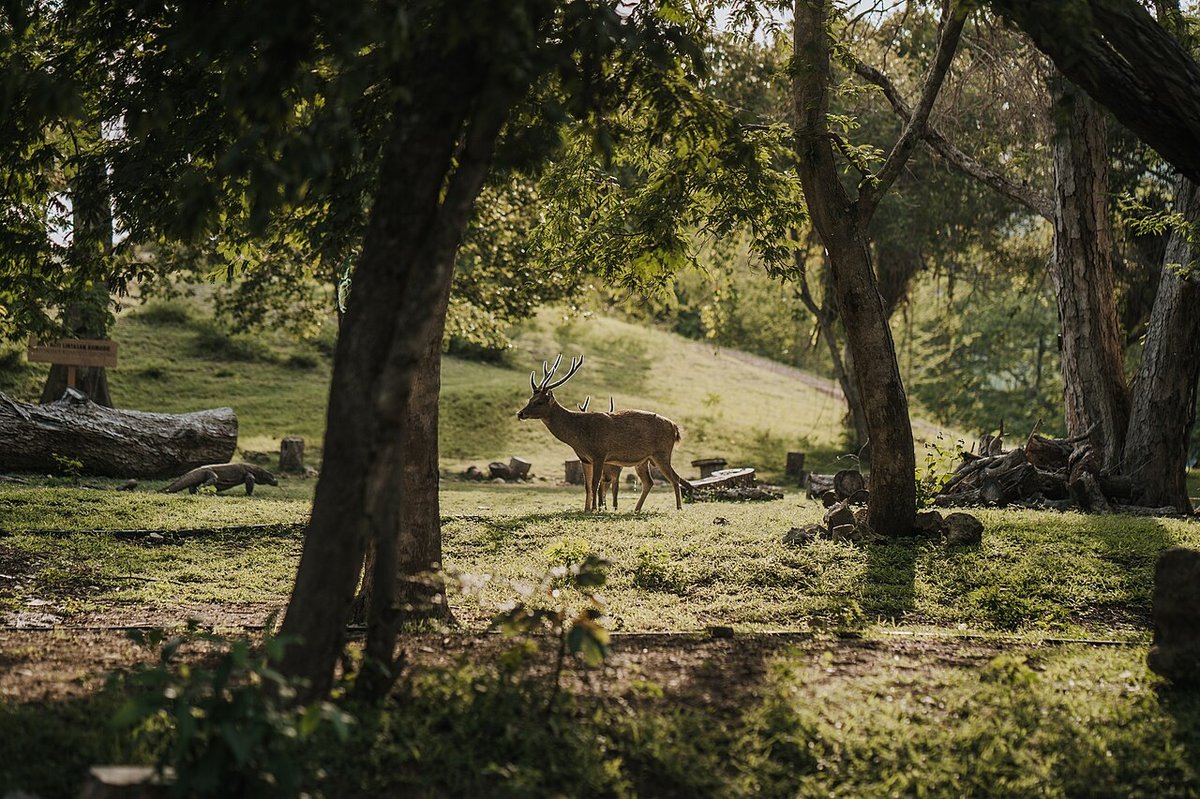
The park’s distinction lies in its designation as one of the world’s 25 biodiversity hotspots and a winner of the New 7 Wonders of Nature campaign. Spanning over 1,730 square kilometers, this protected area not only safeguards the Komodo dragon population but also forms part of the Coral Triangle, home to hundreds of fish and coral species. With a rating of 4.6 from over 7,139 reviews, the region is globally recognized for its pristine natural integrity and consistent conservation efforts.
Experiences to Enjoy
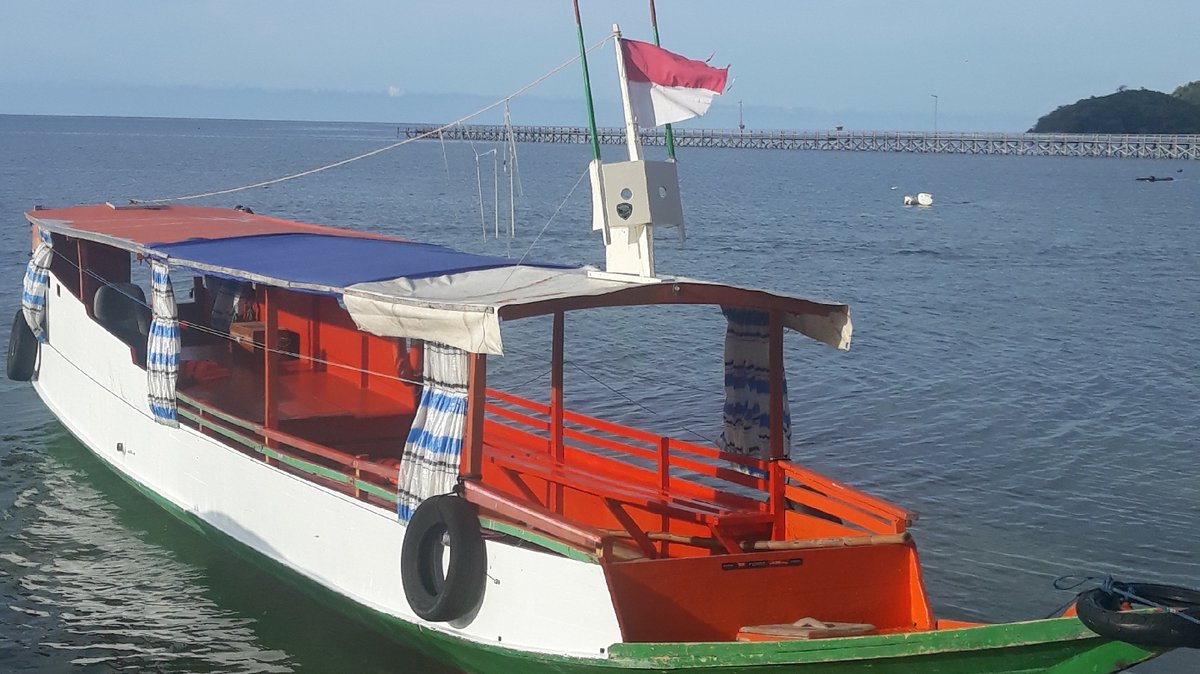
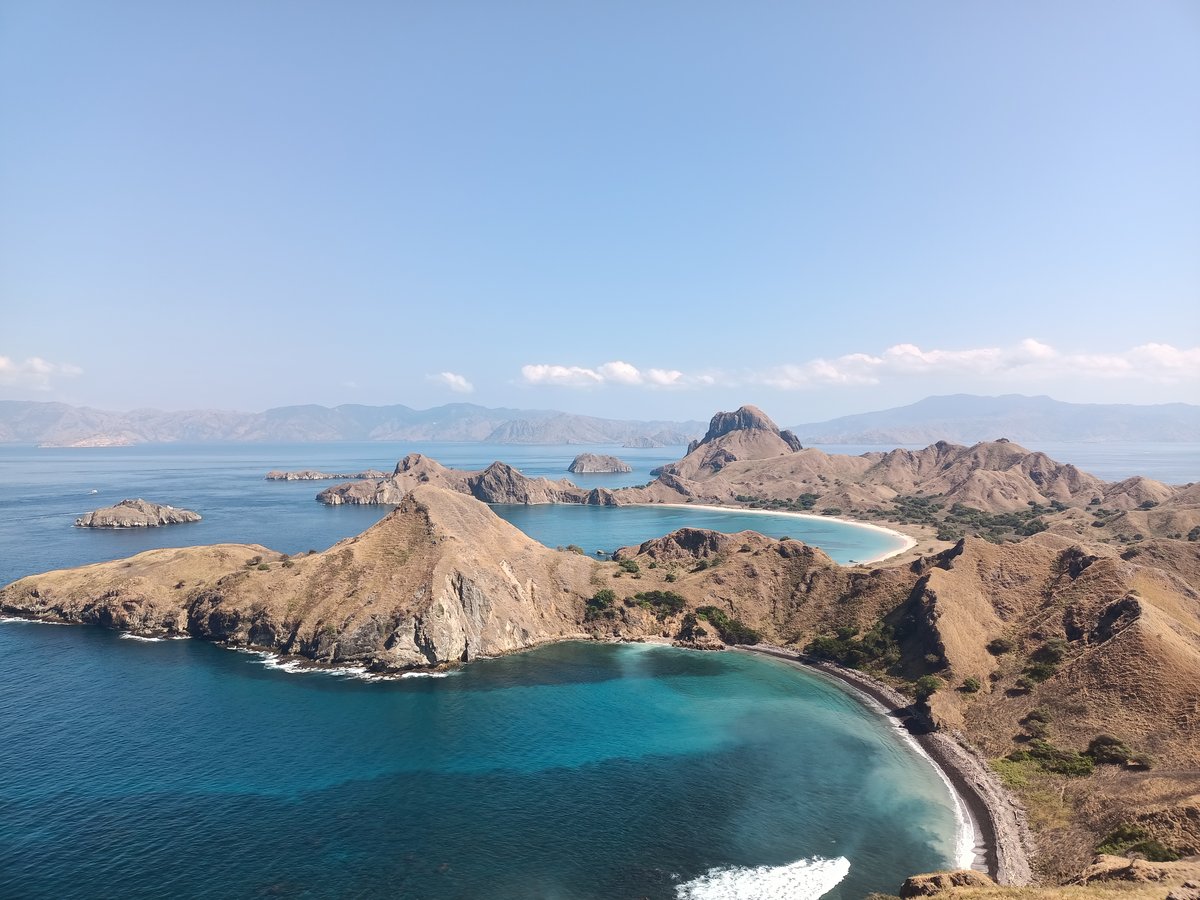
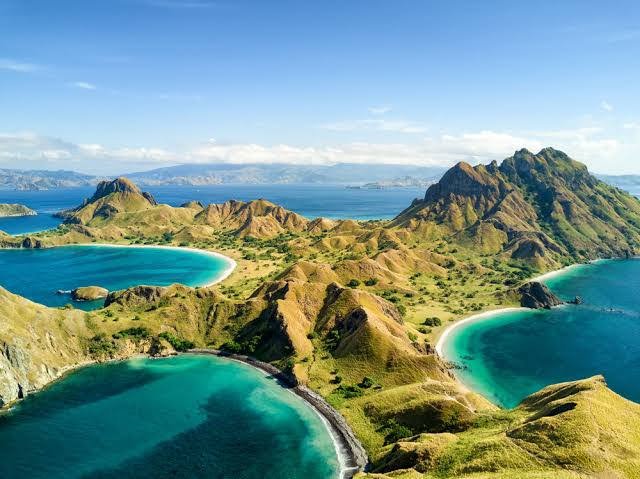
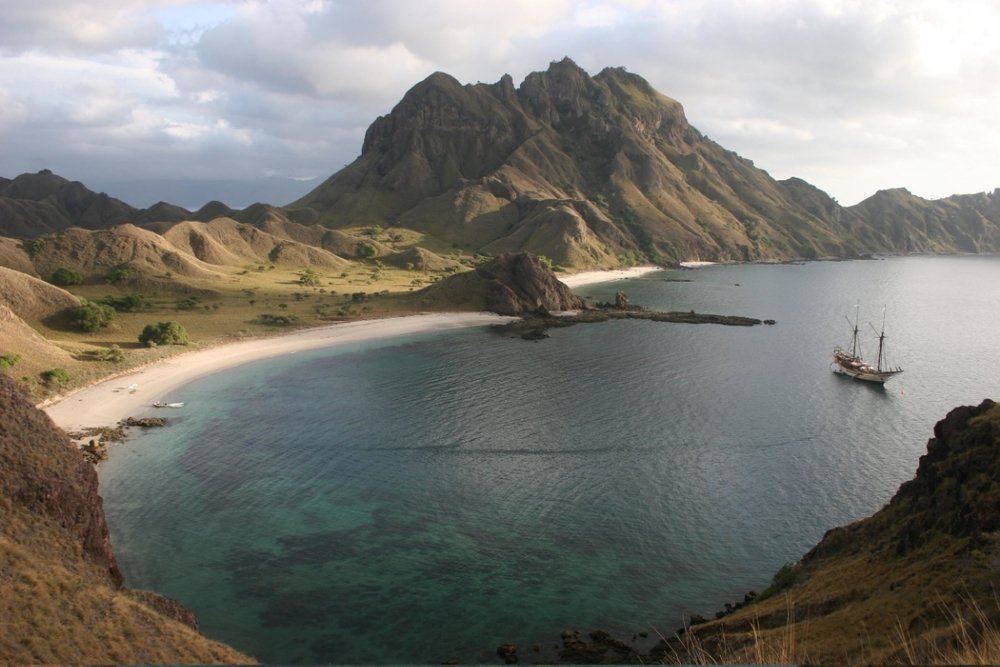
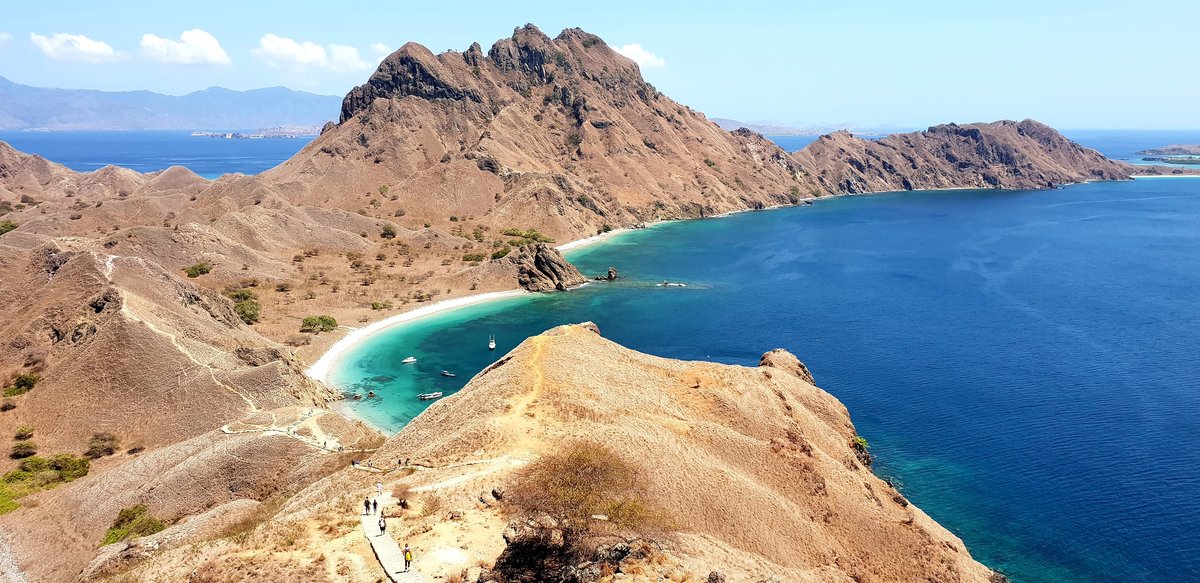
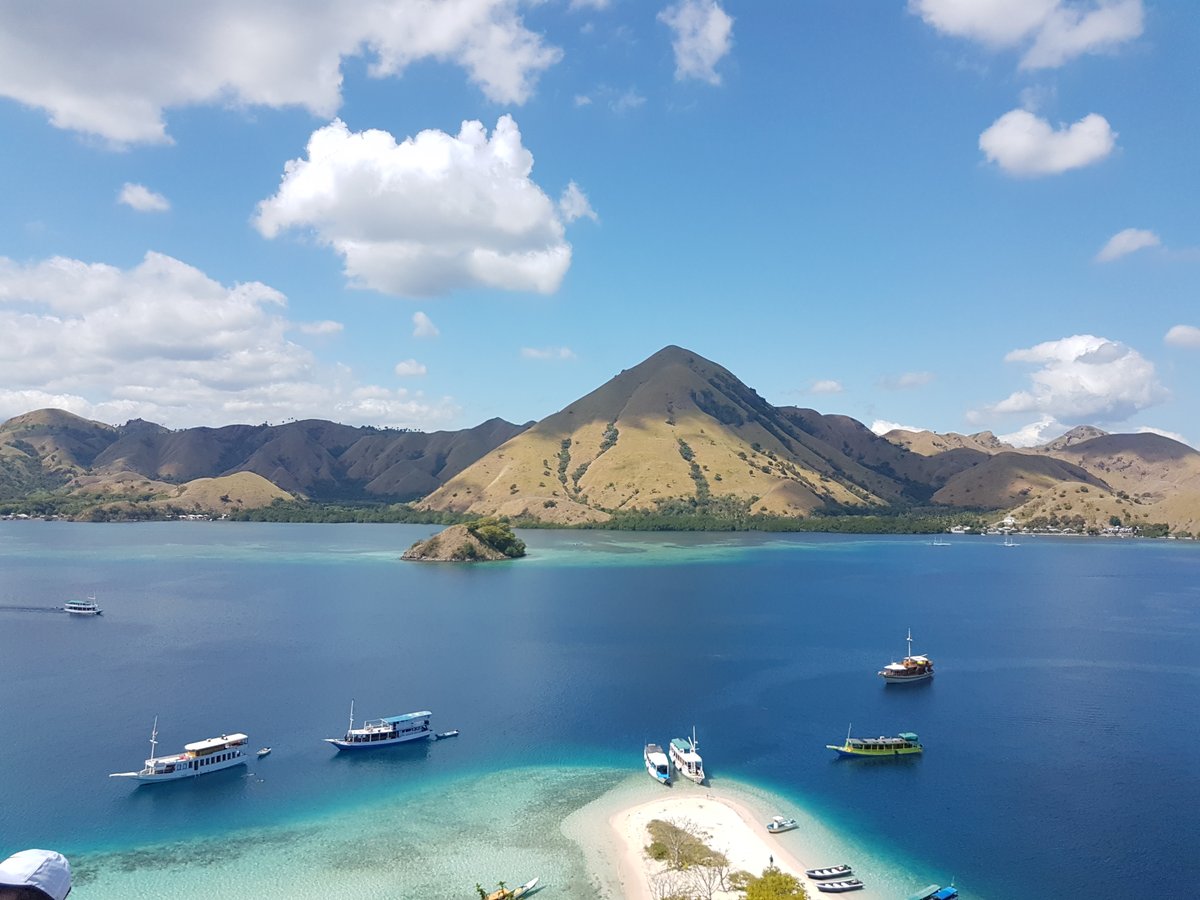
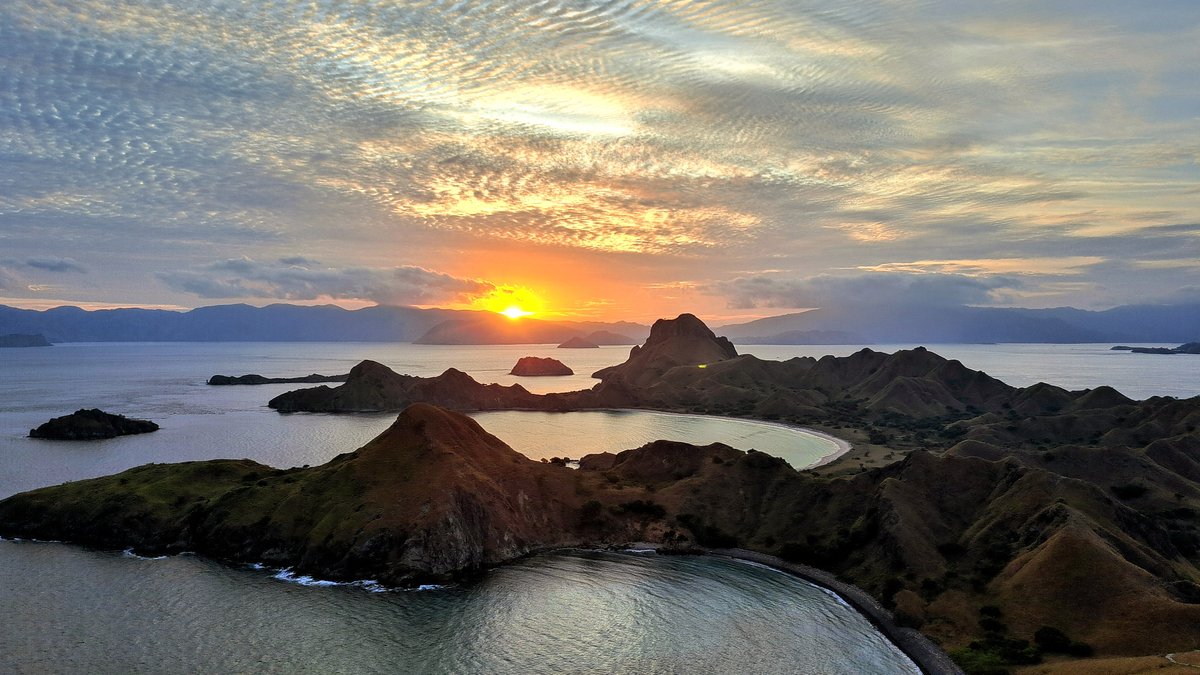
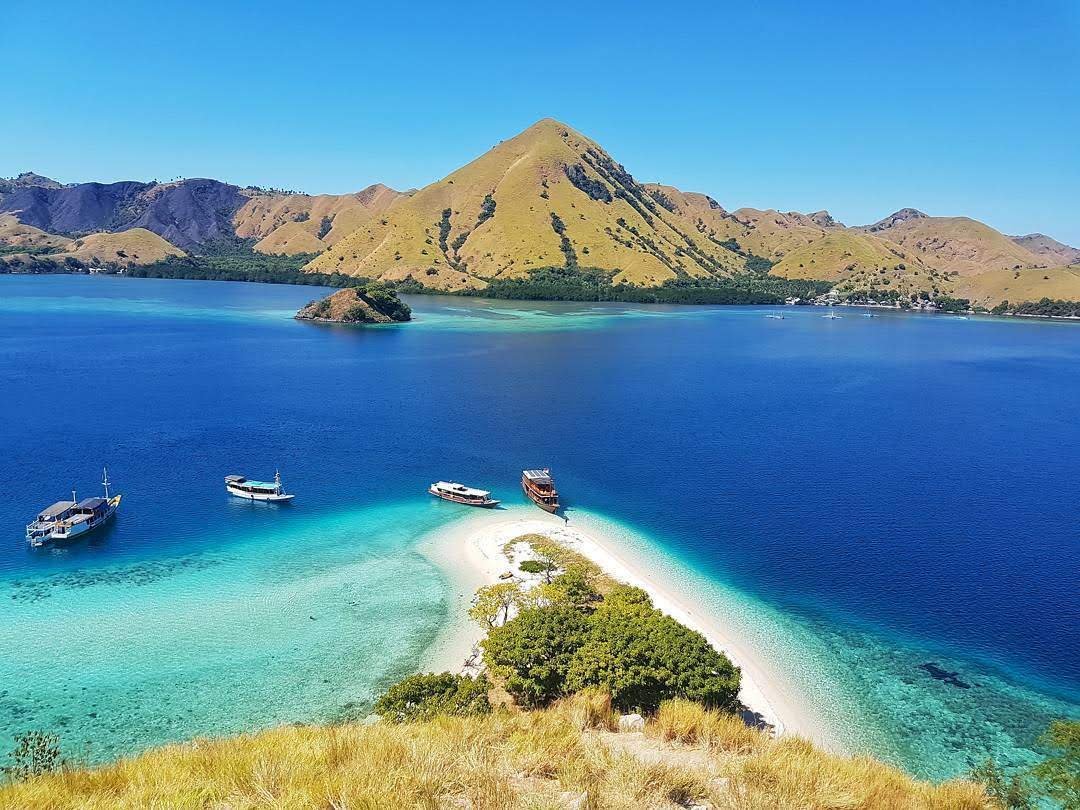
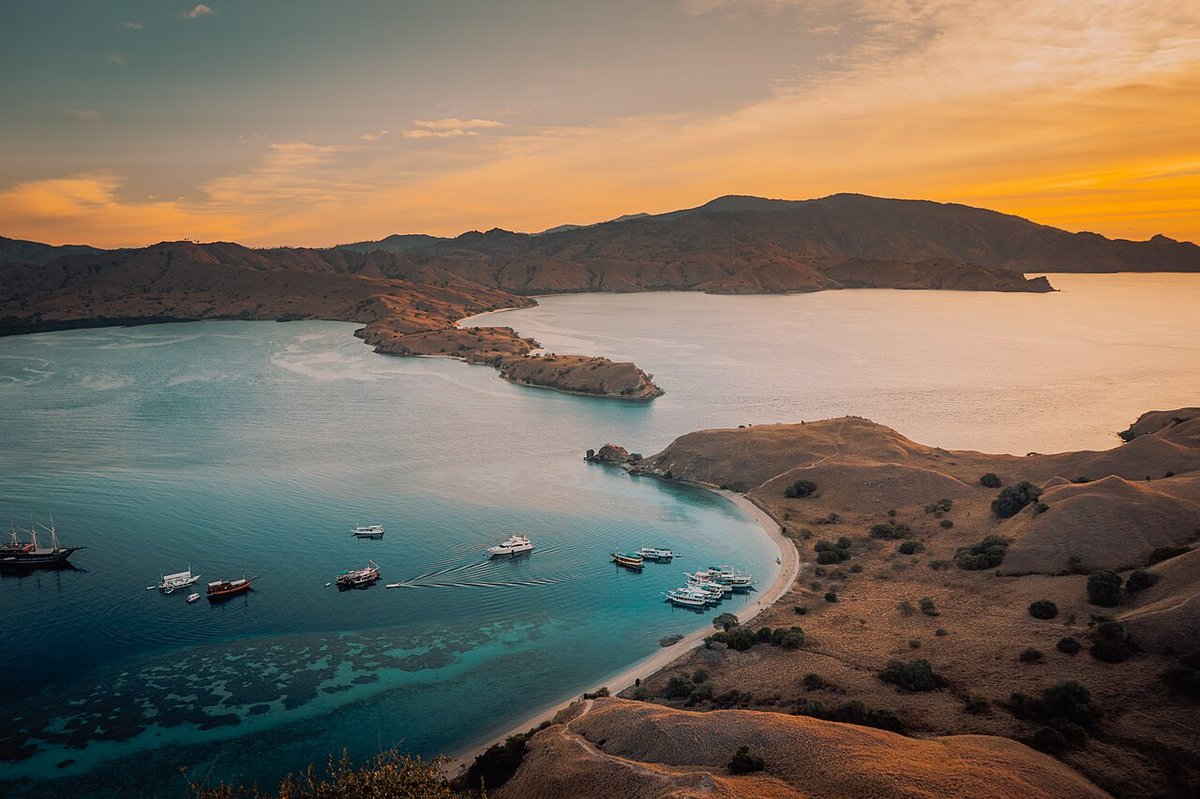
Visitors are offered a range of structured and safe ecotourism activities. Trekking on Komodo or Rinca Island requires hiking along natural trails accompanied by trained rangers. In the water, snorkeling and diving take center stage at sites such as Manta Point and Kanawa Island, where you can swim alongside manta rays and green sea turtles. Many travelers also opt for a three-day, two-night journey aboard traditional phinisi boats to comfortably explore Padar Island and Taka Makassar.
Getting There
To reach the national park, fly to Komodo Airport (LBJ) in Labuan Bajo via direct flights from Jakarta, Surabaya, or Bali. From the airport, ground transportation such as a rental car or van is required to reach the harbor or your accommodation. Please note that ride-hailing services are not yet operational in this area, making walking or renting a local vehicle the primary options. Access to the islands within the national park is exclusively available via boats or phinisi ships departing from Labuan Bajo Harbor. Vehicle parking is available at the harbor and downtown areas.
Practical Tips for Visitors
The optimal time to visit is during the dry season, from April to October, when clear skies and excellent underwater visibility make snorkeling conditions ideal. Visitors must strictly follow all ranger instructions and maintain a minimum distance of 300 meters from Komodo dragons to ensure collective safety. Booking tours and accommodations well in advance is highly recommended, particularly if traveling between July and August. Pack sun protection and personal medications, and uphold ecotourism principles by disposing of waste responsibly.
Visitor Reviews
"The Komodos are huge, but there aren’t many of them. They seem to be hiding, but it’s definitely worth joining an open trip to explore all the attractions in Labuan Bajo."
"Komodo National Park is one of Indonesia’s most renowned natural wonders, celebrated worldwide. Established in 1980 with the primary goal of protecting Komodo dragons and their habitat, the area is also recognized as a UNESCO World Heritage Site. The dry season is the best time to visit due to the clear weather and minimal rainfall, making it ideal for outdoor activities."
"Spending three days and two nights on a phinisi boat allowed us to enjoy the incredibly beautiful and breathtaking nature of Bajo. We took in the views from the hills of Padar and Kelor islands, went snorkeling at Manjarite with an abundance of stunning fish, and witnessed exotic animals up close—an extraordinary experience featuring Komodos, mantas, sea turtles, and flying foxes. The local people are friendly, deeply committed to nature conservation, and consistently remind visitors of the rules to follow."
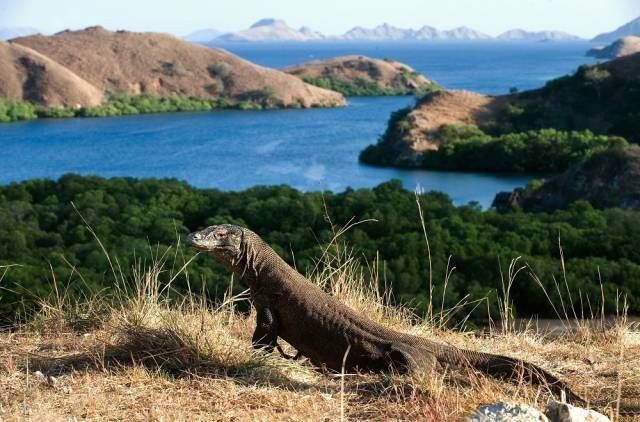
"It is on these islands that, if you are lucky, you can spot Komodo dragons—the giant reptilian descendants of the dinosaur era. Accompanied by trained rangers armed with long, forked sticks and intimately familiar with every movement of the dragons, you feel much safer following the prepared trekking routes. We were among the fortunate visitors; while on Komodo Island, we encountered several adult Komodos. Some were sleeping on the beach, while others wandered around, likely searching for prey."
"Every individual or group entering here is accompanied by a guide or ranger who monitors, protects, and ensures visitors so that the Komodos remain undisturbed. Circumnavigating Komodo National Park is truly breathtaking, with its lush forests and abundant wildlife, including the Komodo dragon. This was a key item on my bucket list for Indonesia, and finally fulfilling it was a flawless experience that left me completely satisfied."
Komodo National Park is more than just a tourist destination; it is a natural laboratory that underscores the critical importance of ecosystem preservation. With its high ratings and thousands of positive visitor experiences, the region continues to stand as tangible proof that Indonesia can sustainably safeguard its natural heritage. You are invited to visit, explore, and contribute to preserving the pristine environment that has thrived for millions of years.