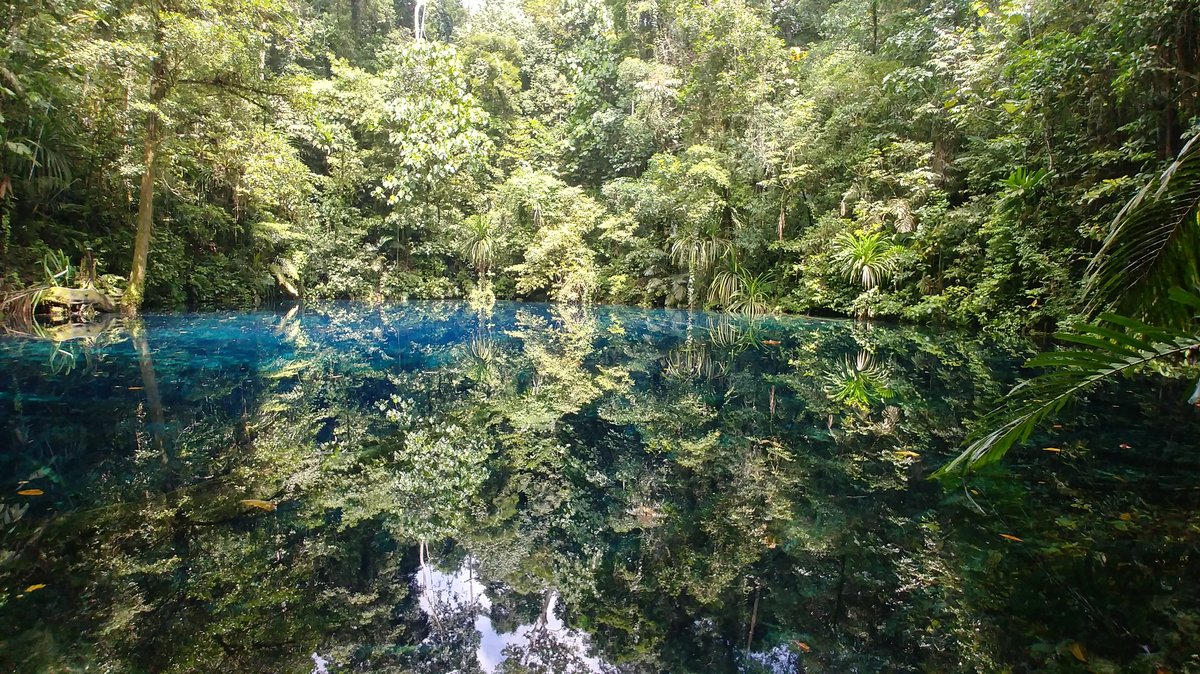
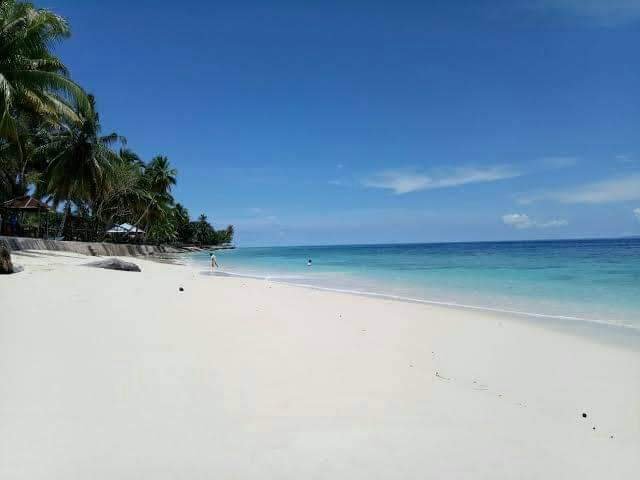
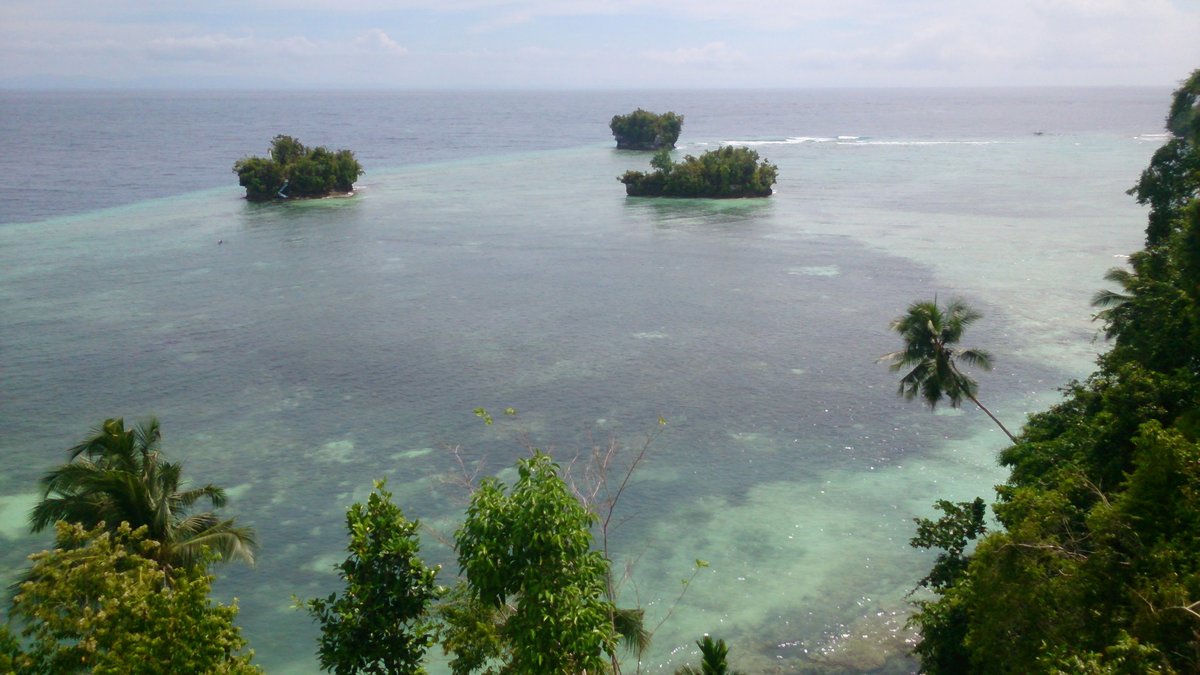
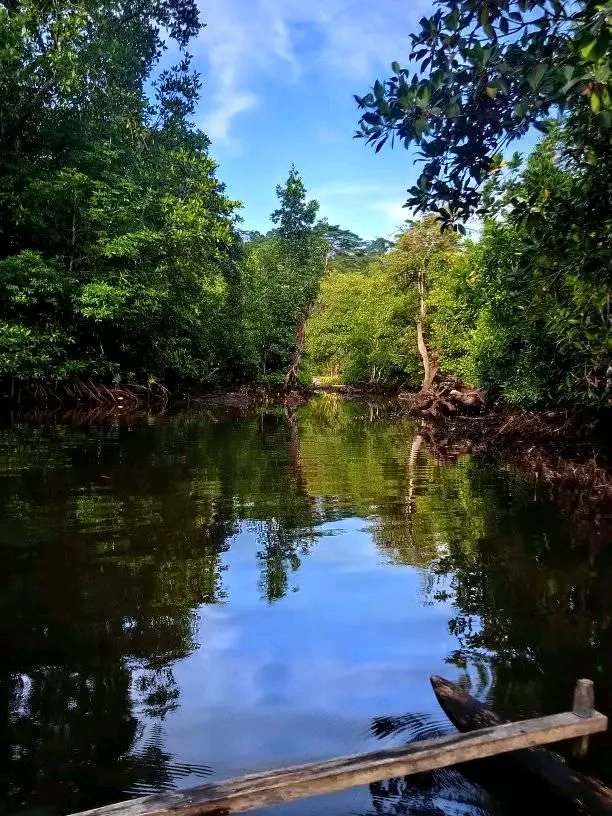
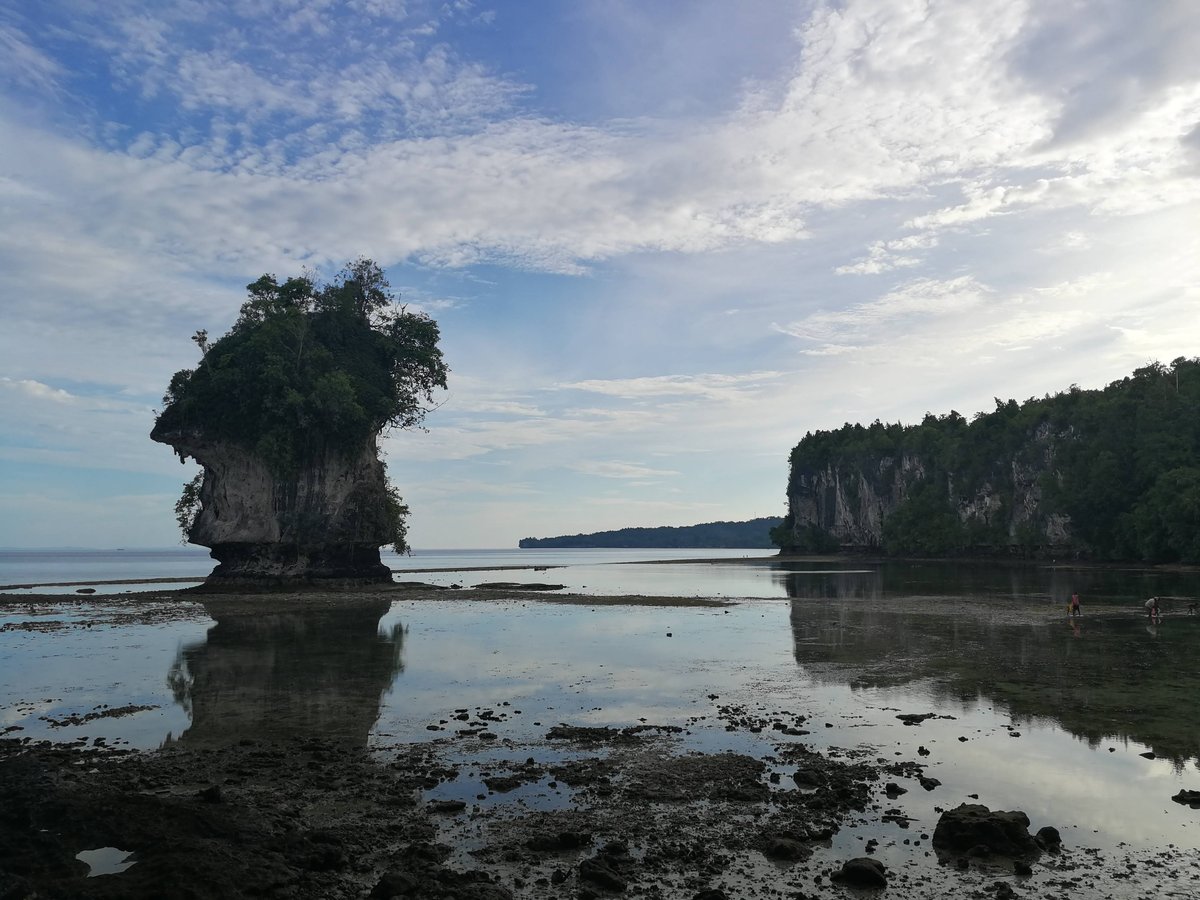
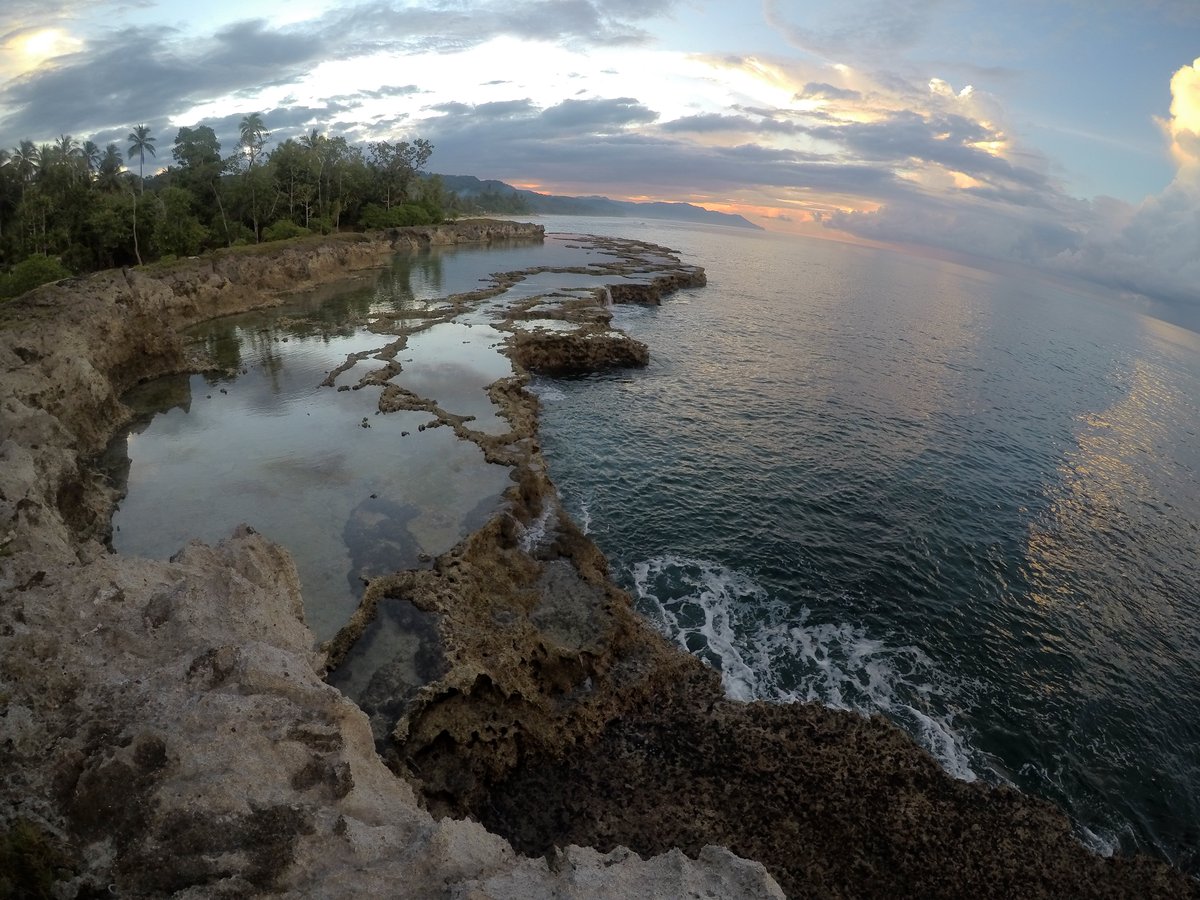
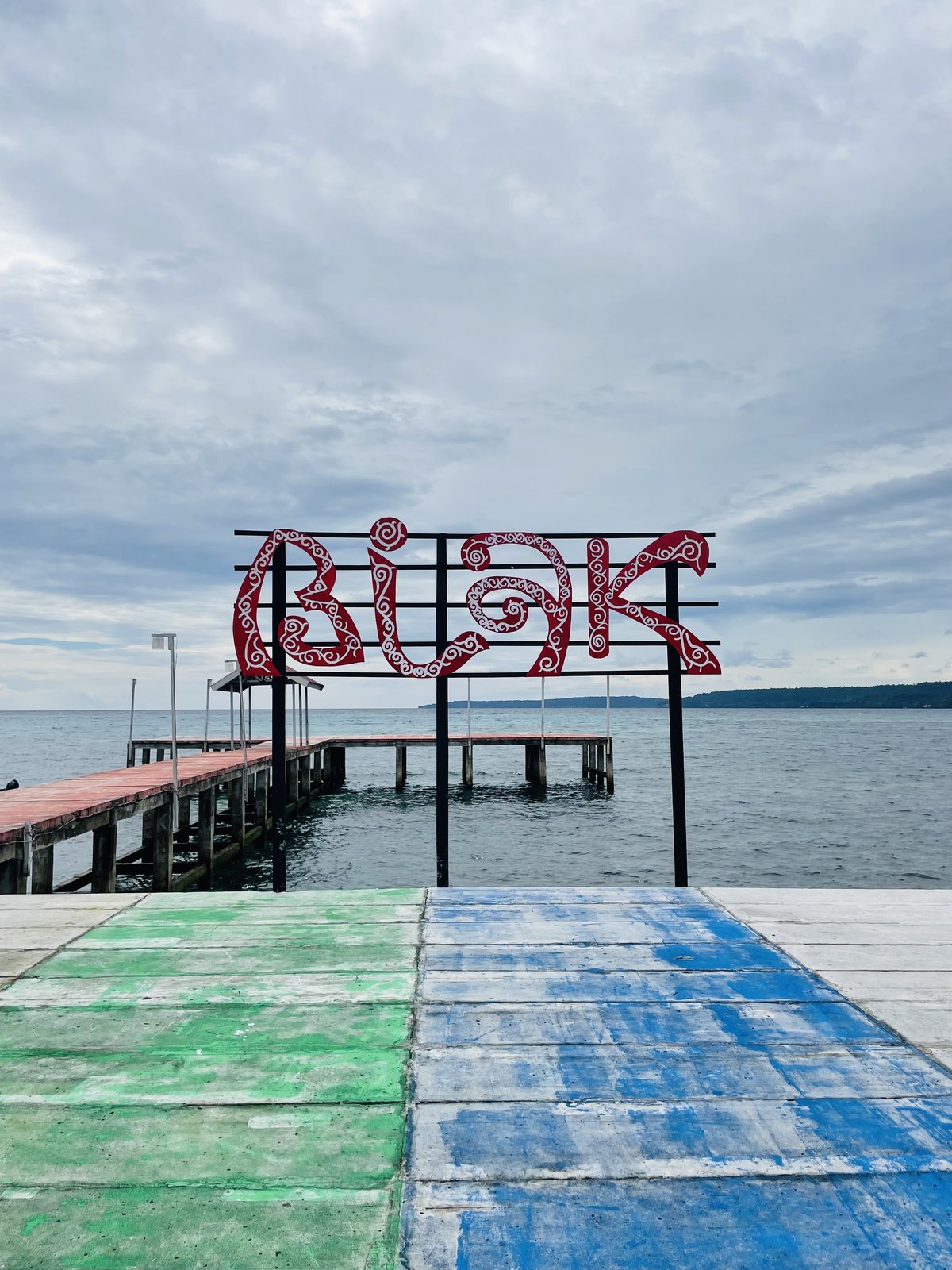
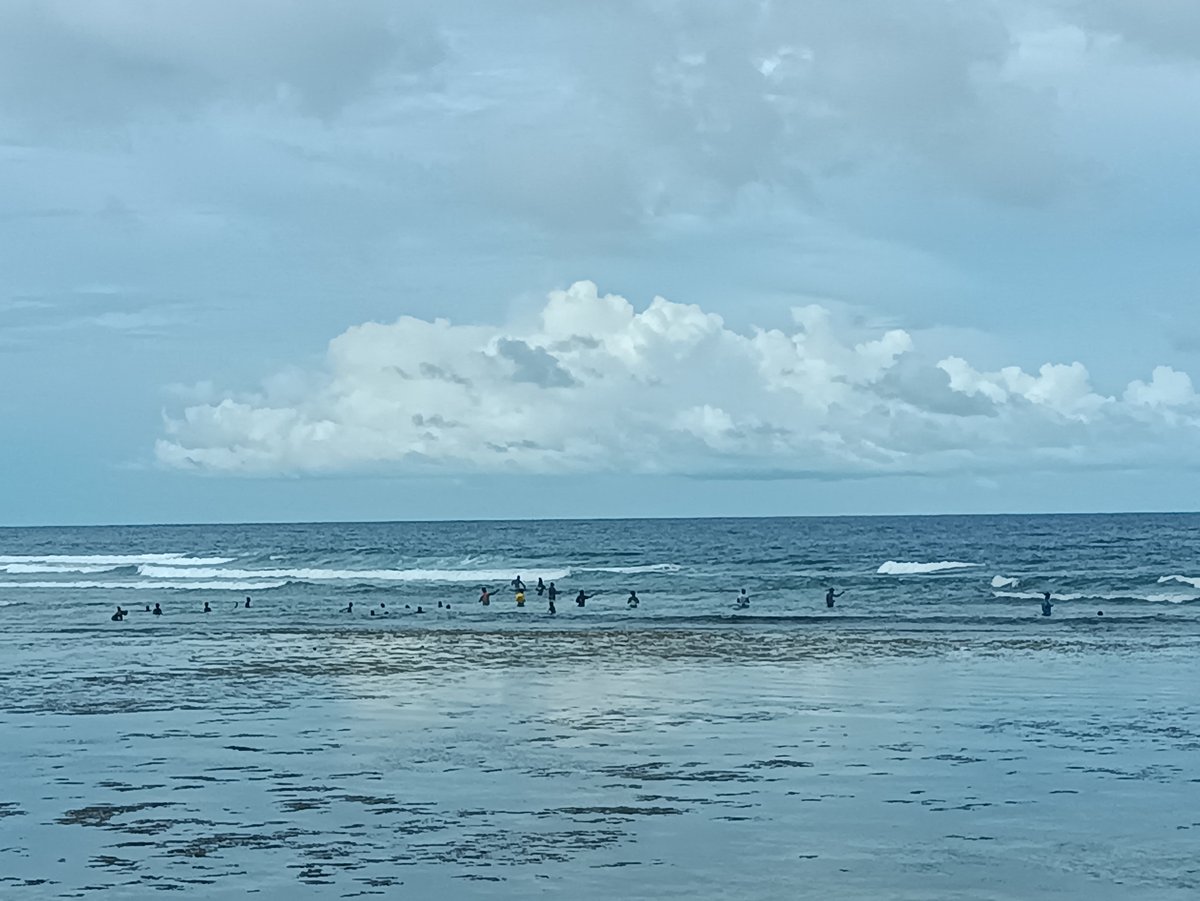
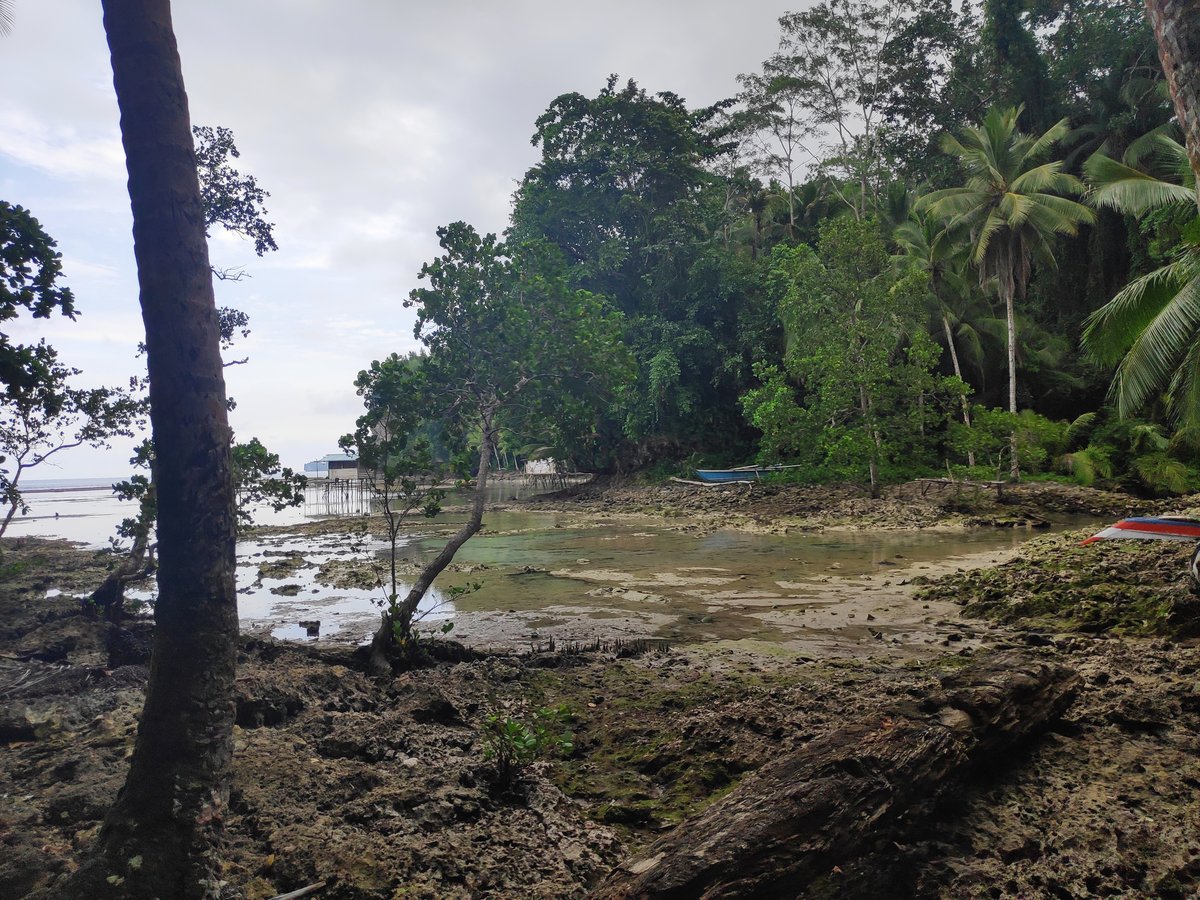
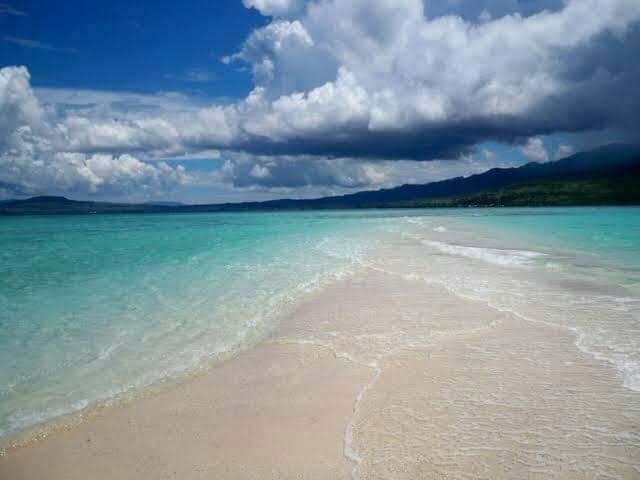
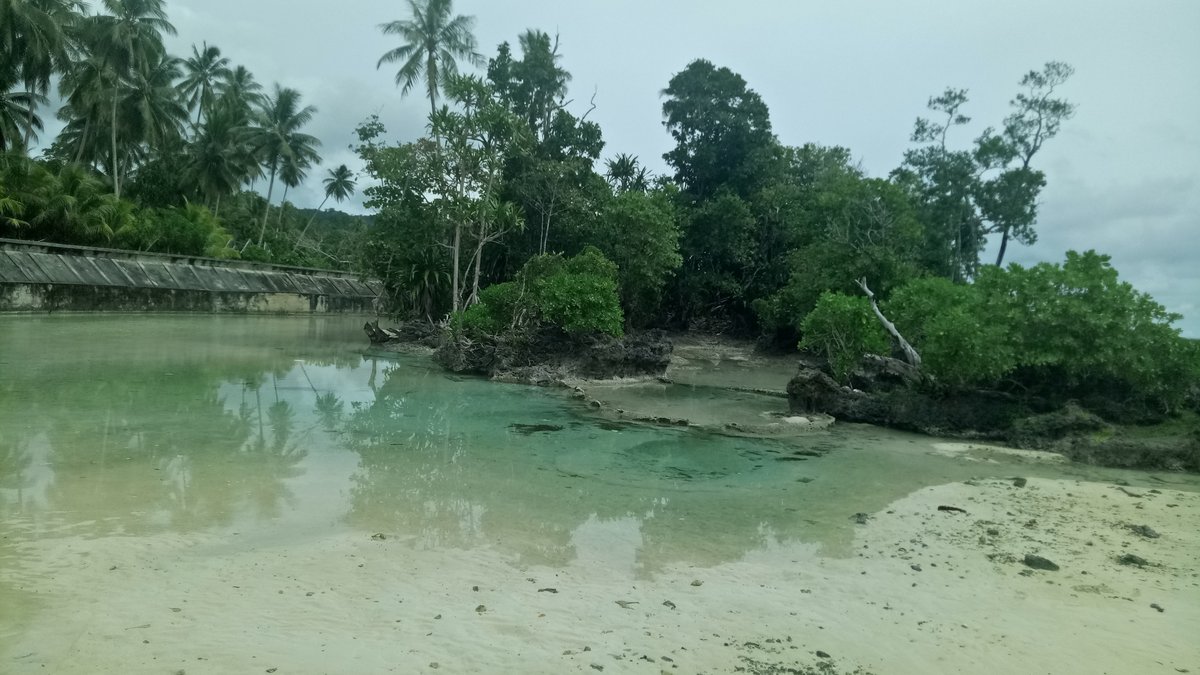
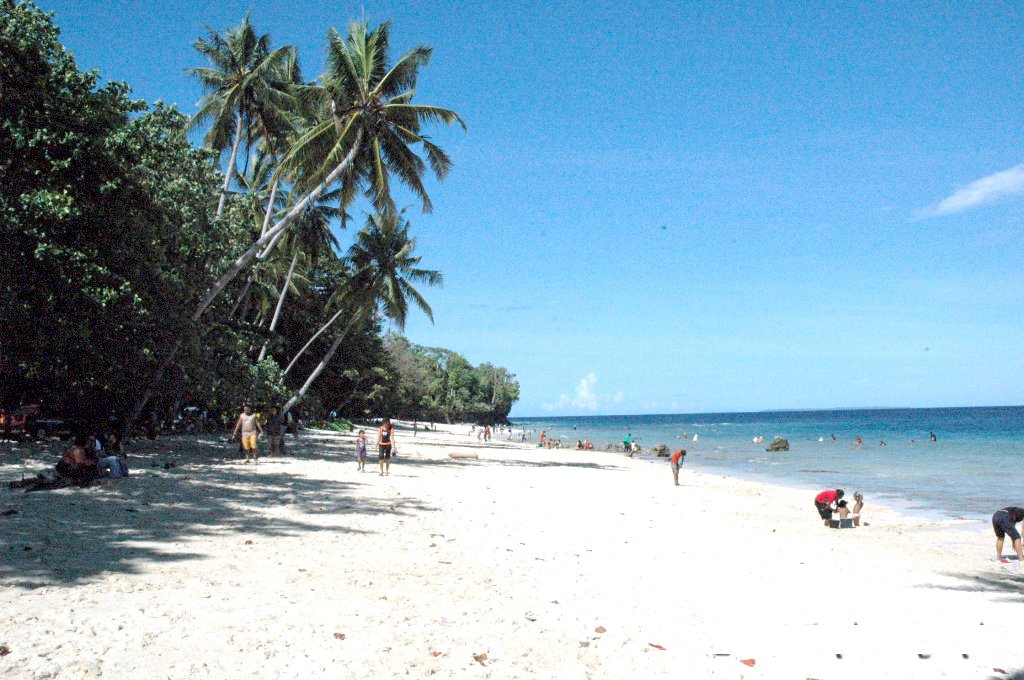
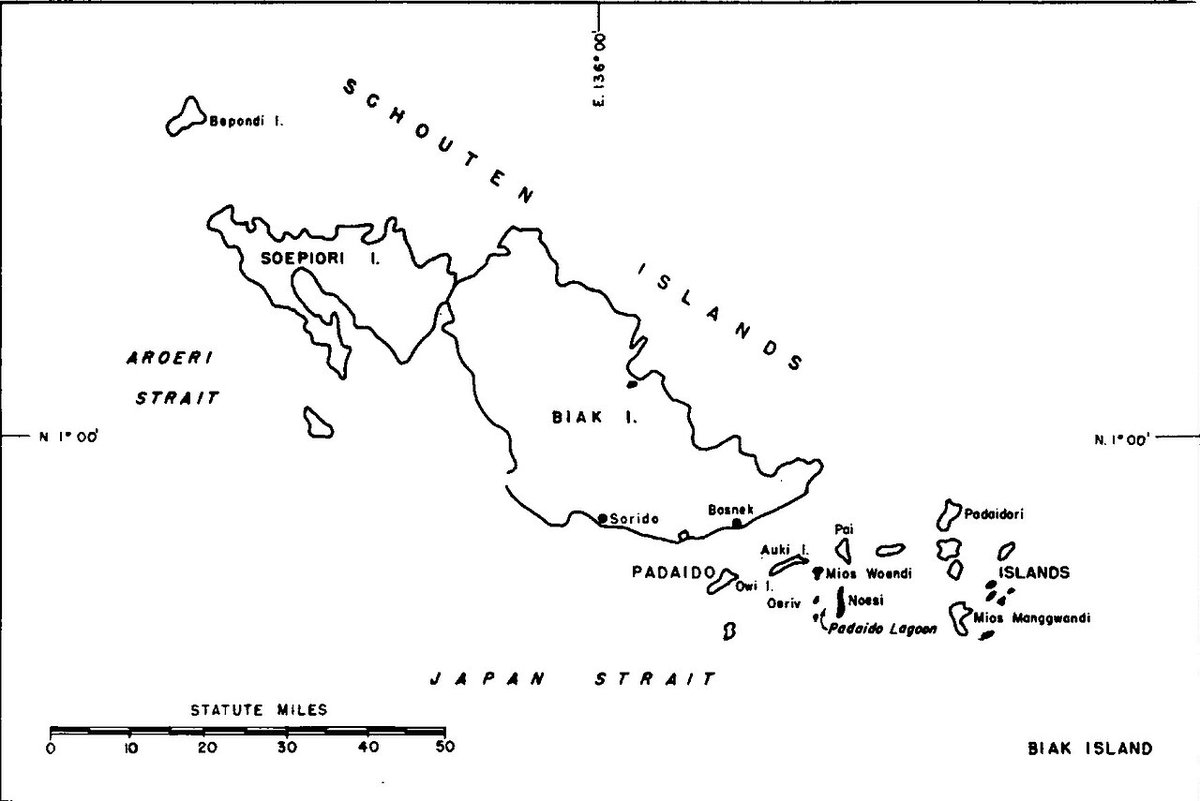
Biak Island stands as a historical and natural jewel in the heart of Papua Province. Strategically located in the Thousand Bays Ocean, the island offers a unique blend of indigenous cultural heritage, traces of past battle histories, and a highly preserved marine ecosystem. Visitors are treated to stunning coastal scenery featuring pristine shorelines and crystal-clear waters that serve as a home to thousands of coral and tropical fish species. More than just a tourist destination, the island serves as a portal to deeply understand the geographical, ecological, and civilizational dynamics of eastern Indonesia. Shaped by prolonged volcanic and sedimentary processes, and positioned as the primary gateway to Indonesia’s largest marine conservation area, Biak holds extraordinary tourism potential for travelers who prioritize immersive, in-depth experiences.
📸 Galería de fotos

Why Visit This Destination
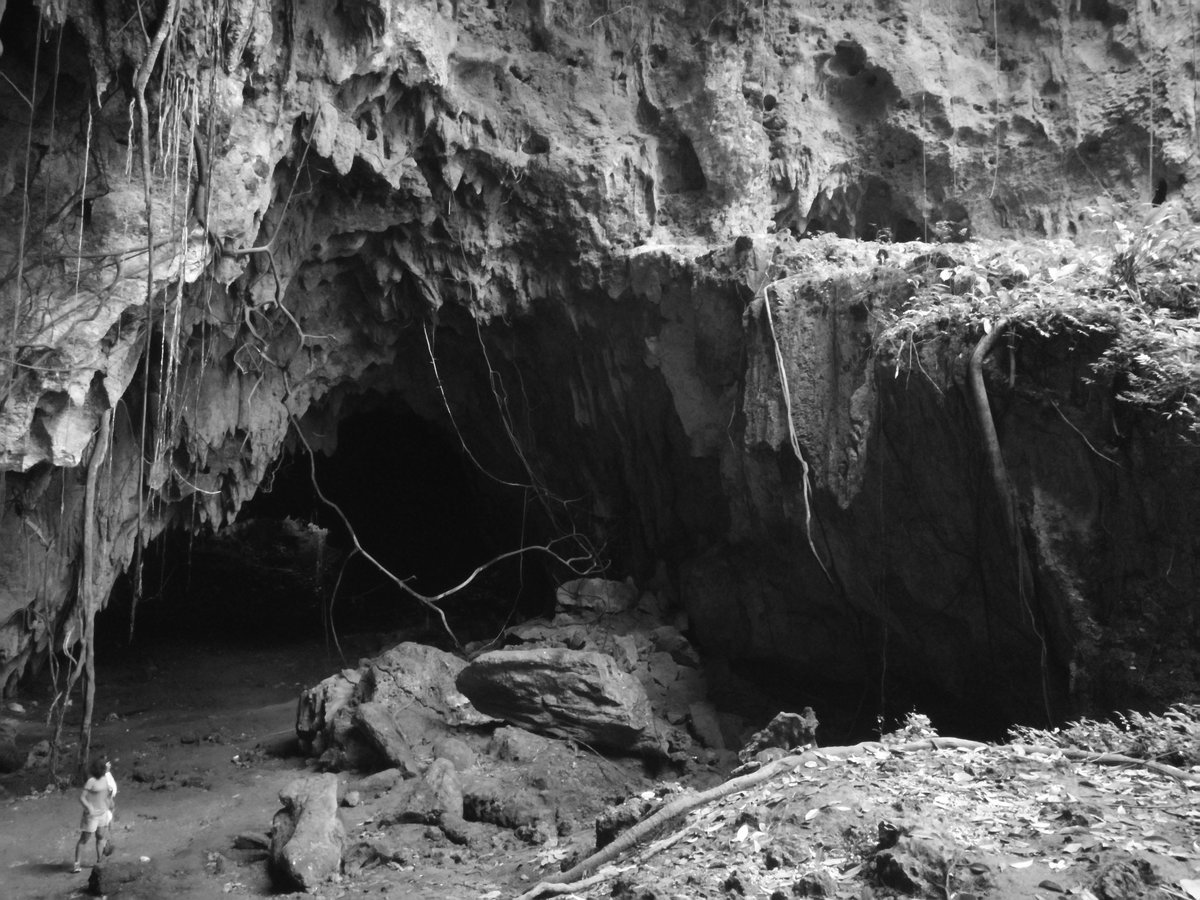
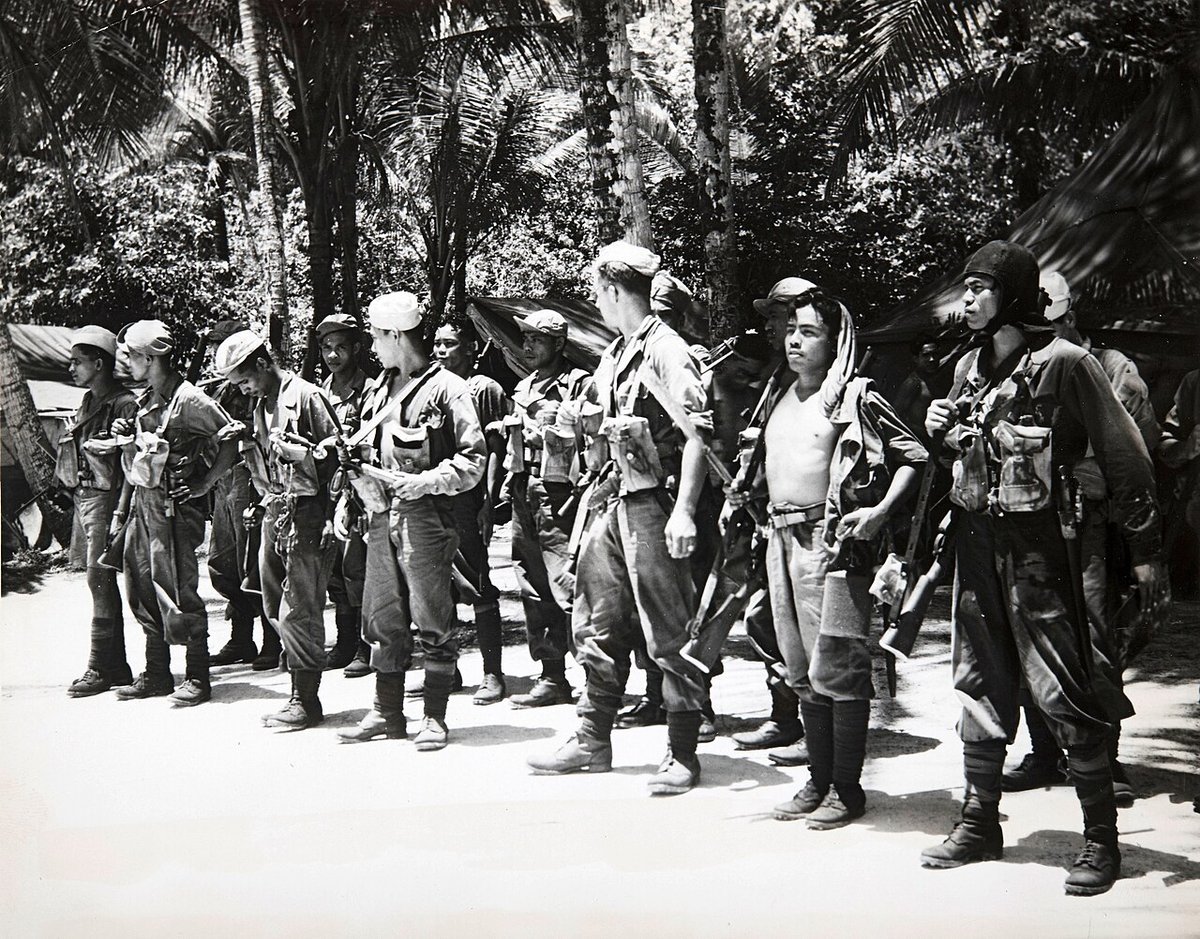
The uniqueness of Biak Island lies in its duality, a trait rarely found in other destinations. On one hand, visitors can walk through former battlefields that now serve as open-air historical sites, complete with well-preserved World War II aircraft hangars that still stand strong. On the other hand, its underwater world is internationally recognized as one of the most diverse coral reef ecosystems on Earth, featuring high endemism levels and the presence of rare species such as green sea turtles and jellyfish. With a rating of 4.4 out of 6 from 625 visitor reviews, the island has proven its ability to deliver deeply satisfying experiences for explorers who value authenticity and cultural depth. Consequently, Biak is an ideal choice for travelers seeking simultaneous educational, ecotourism, and nature conservation experiences. Its inherent historical and ecological significance makes every corner of the island worthy of serious study and documentation.
Experiences to Enjoy
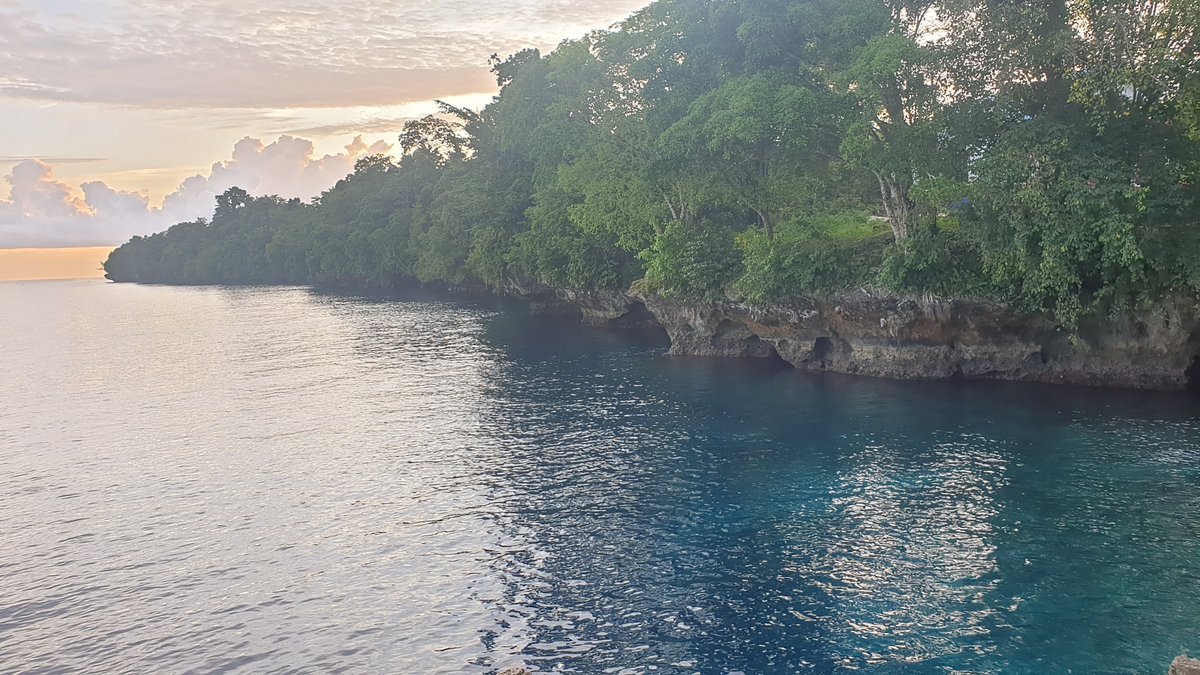
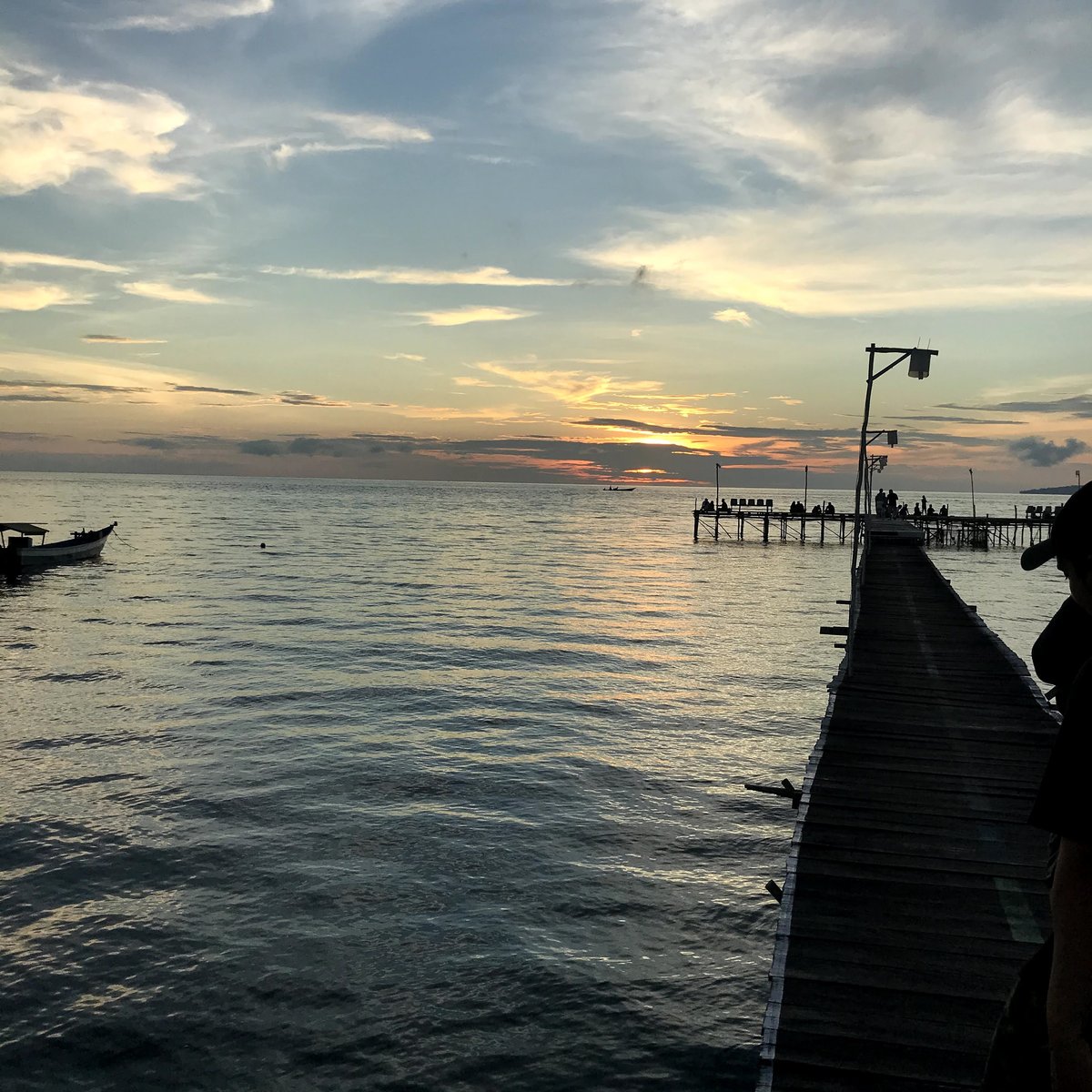
The primary activities available in Biak center on structured maritime and historical exploration. You can dive or snorkel in the waters around Sorido, Ubur-Ubur, and Mayalibit Bay, where water visibility reaches dozens of meters and ocean currents support healthy marine fauna movement. Historical tours are also a major highlight, allowing you to visit the Koroise airstrip, old military bunkers, and well-maintained war monuments equipped with educational information boards. Furthermore, interaction with the indigenous Biak community enables you to learn about traditional ikat weaving customs, traditional boat-building techniques, and a lifestyle lived in harmony with the island. For photography enthusiasts, the morning light along the coast and the sunset at Biak harbor offer highly cinematic visual compositions. All activities are designed to ensure you experience the island responsibly and in depth, supported by local guides who are well-versed in routing and environmental ethics.
Getting There
Access to Biak Island is relatively straightforward and well-connected to a stable domestic flight network. You can fly from various major cities across Indonesia to Frans Kaisiepo Airport, located in Biak. From the airport, the journey to the city center or harbor takes approximately thirty minutes by car or motorcycle. To explore diving spots or surrounding small islands, you will need to rent a local fishing boat or charter a vessel from Biak harbor. Ample parking is available at both the airport and harbor facilities, and the island’s main road network is fully paved and easily navigable. As a result, you need not worry about logistical planning during your stay, as all local transportation options are affordable, consistently scheduled, and readily accessible.
Practical Tips for Visitors
To ensure a smooth journey, several factors require careful consideration. The optimal time to visit Biak is between September and November, when weather conditions are stable and sea swells are relatively calm, allowing outdoor activities to run optimally. Bring standard snorkeling and diving gear, along with reef-safe sunscreen to protect coral ecosystems from chemical damage. Respect local customs when visiting indigenous villages, and always request permission before photographing residents or entering sacred areas. Additionally, pack personal medications, anti-seasickness remedies, and complete travel documentation, as healthcare facilities and internet connectivity remain limited in certain areas. With thorough preparation and a respectful attitude, you will secure a safe, comfortable, and memorable experience. Biak Island is indeed far more than a mere coordinate on Papua’s map; it is a living ecosystem that holds both past narratives and the promise of sustainable tourism for the future. Those brave enough to step onto its shores will discover untouched beauty, inspiring history, and genuine hospitality from the local community. Therefore, plan your journey promptly, respect the natural environment, and allow Biak to leave an unforgettable mark with every step of your expedition. Happy exploring.