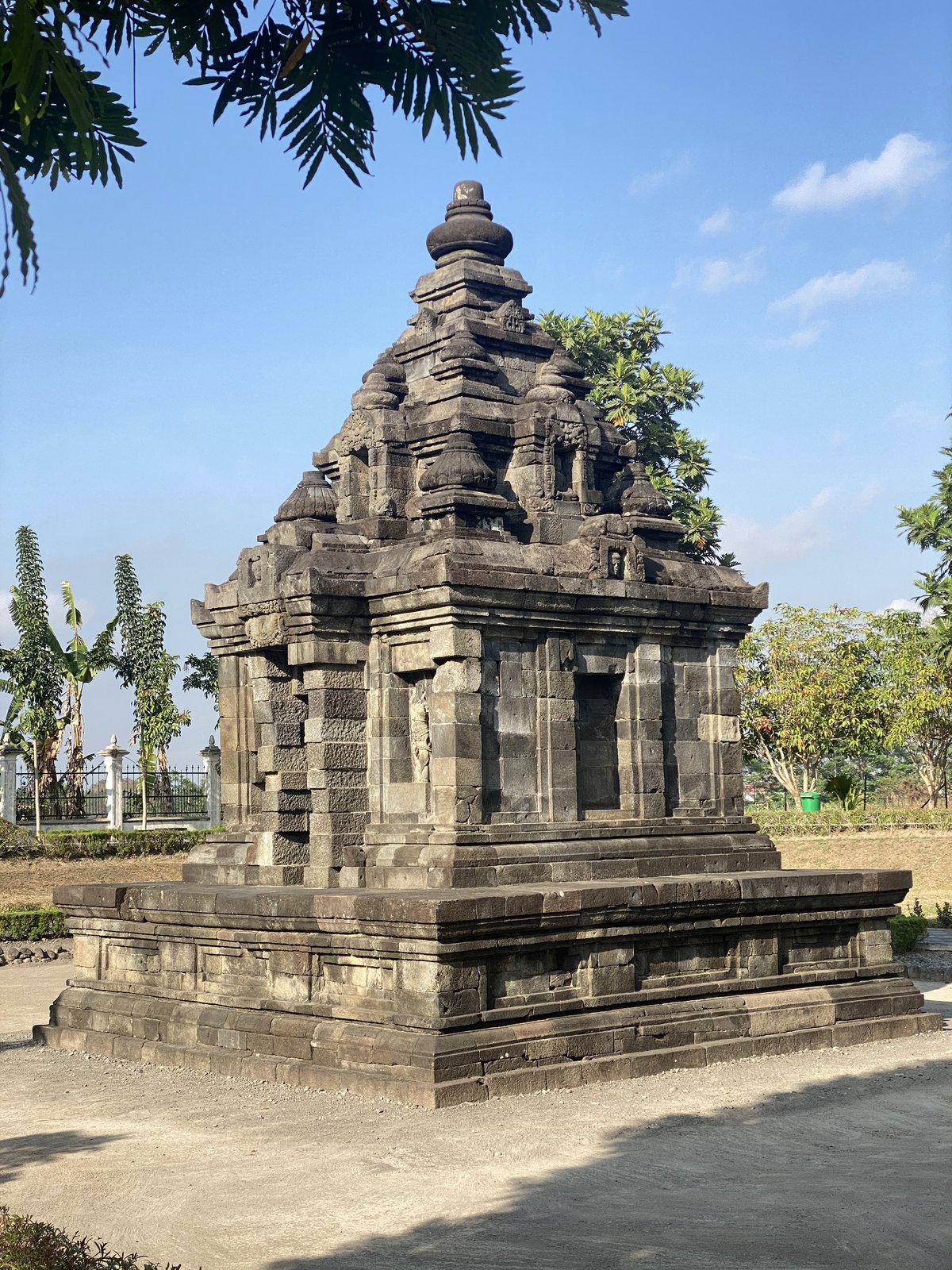
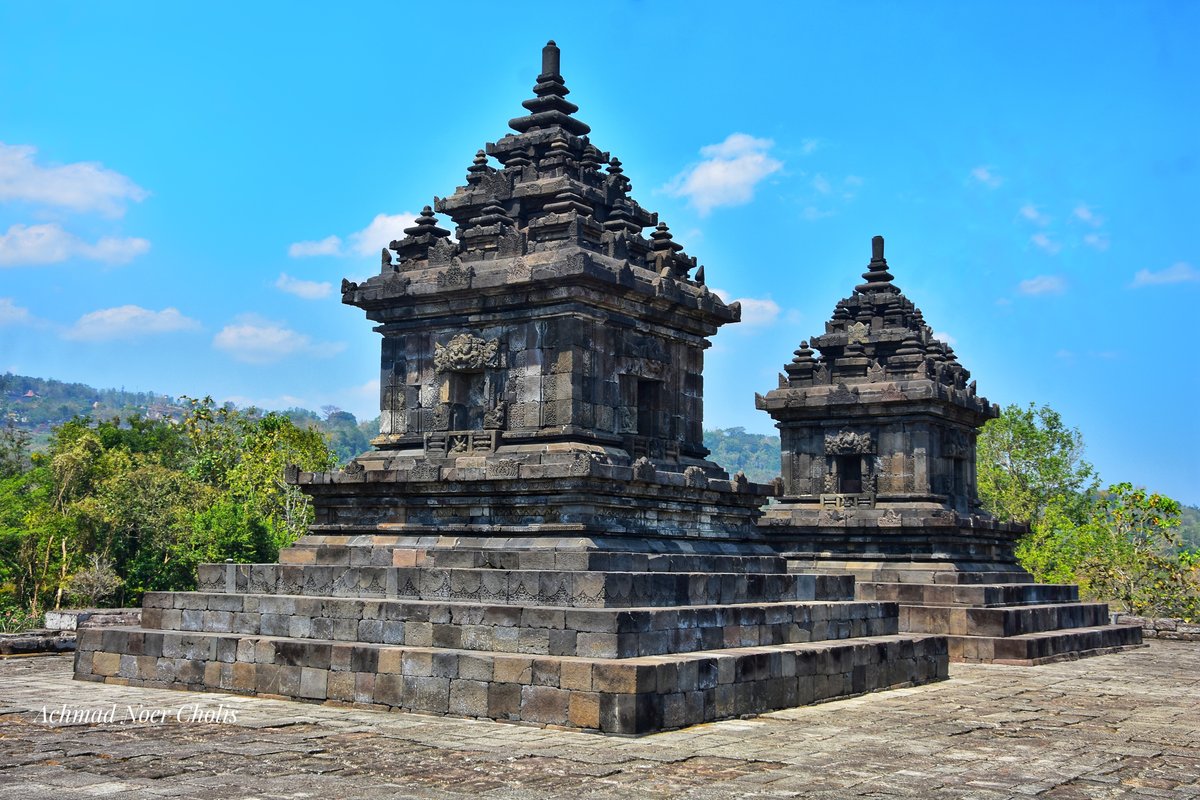
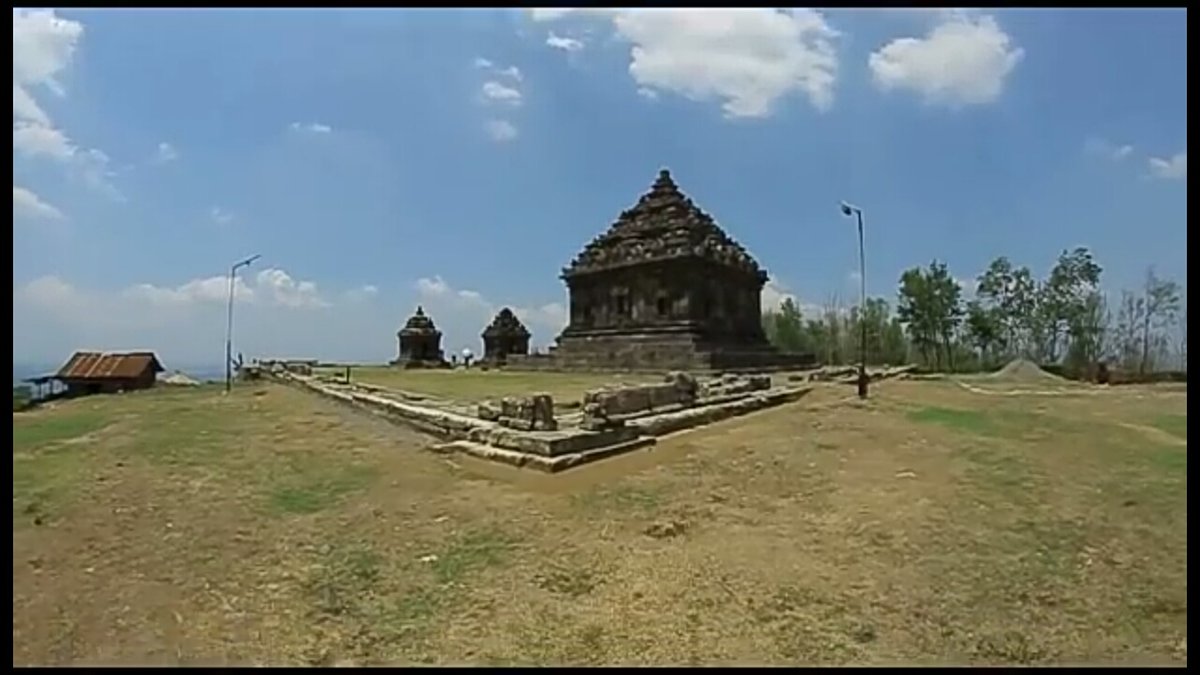
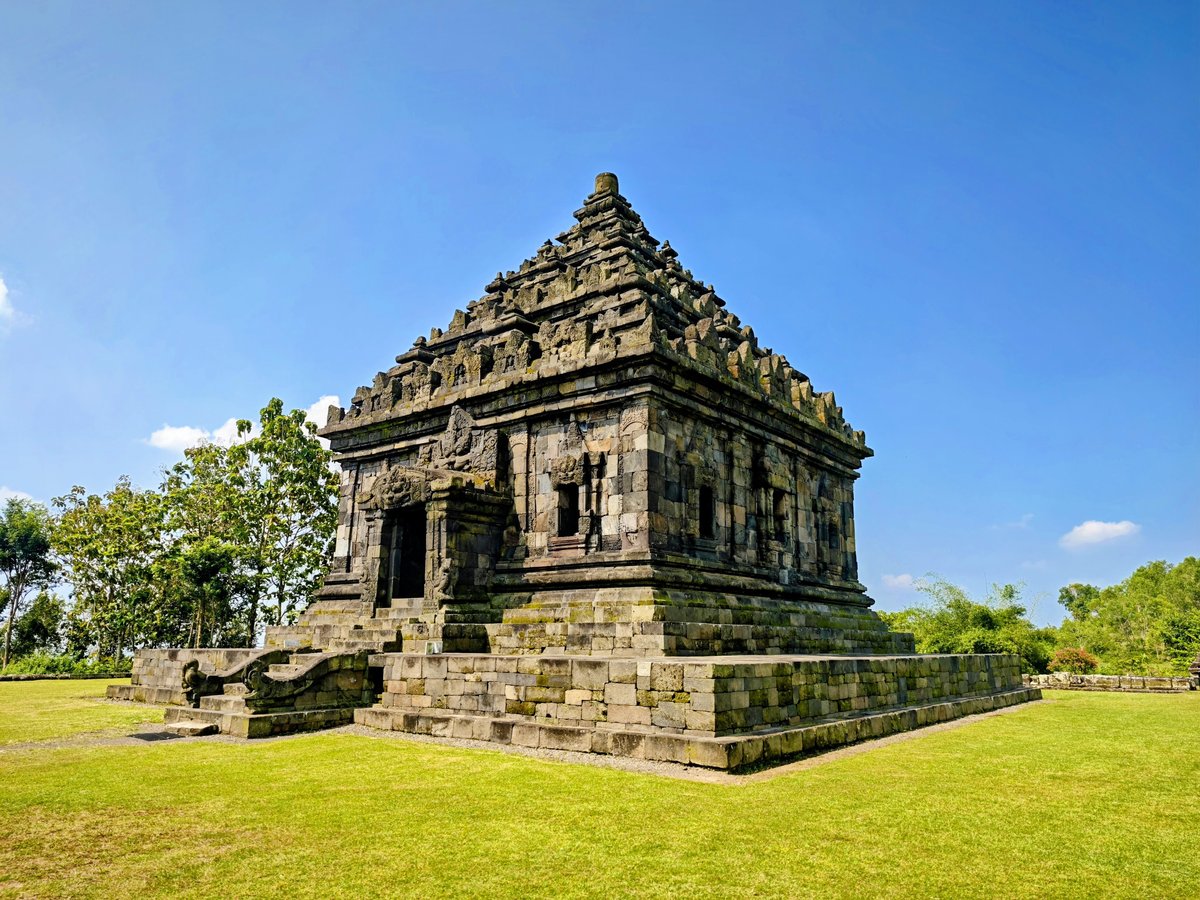
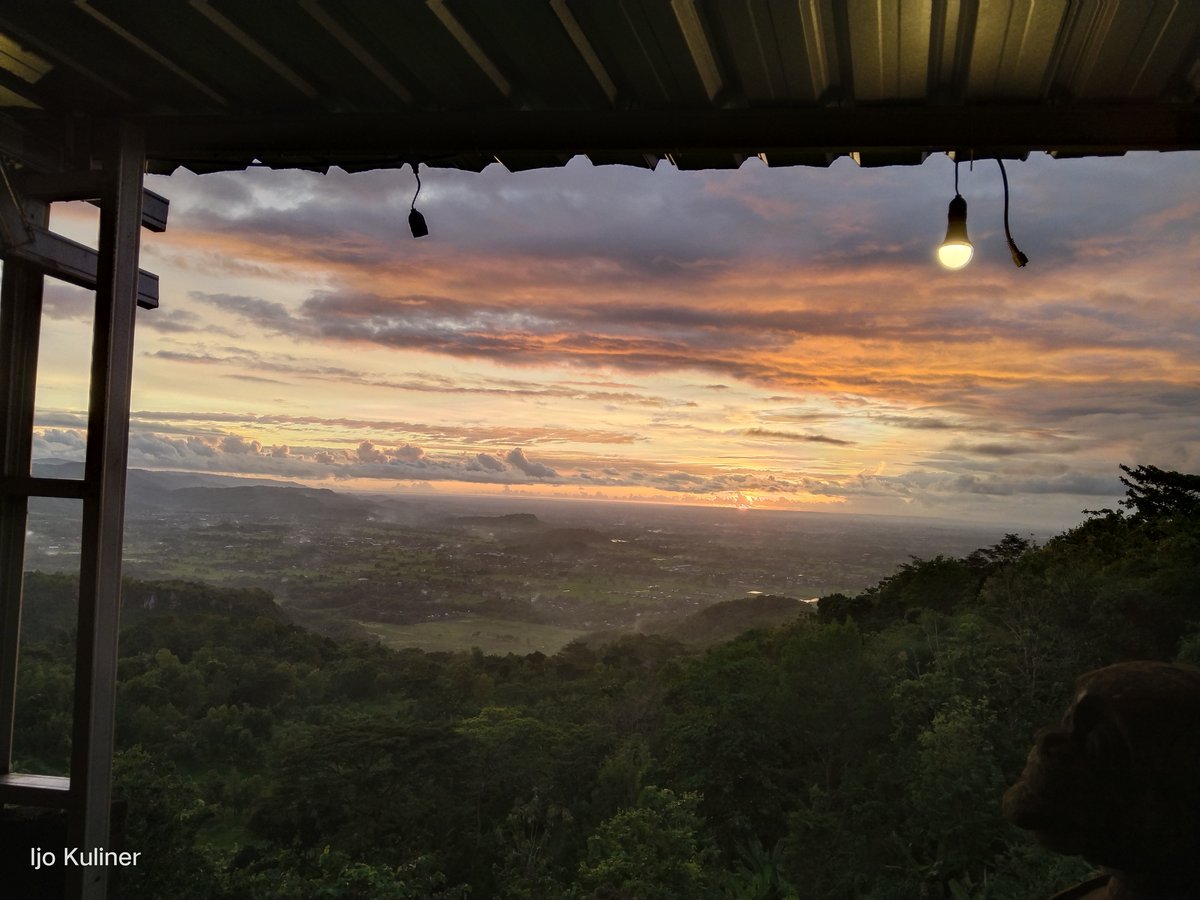
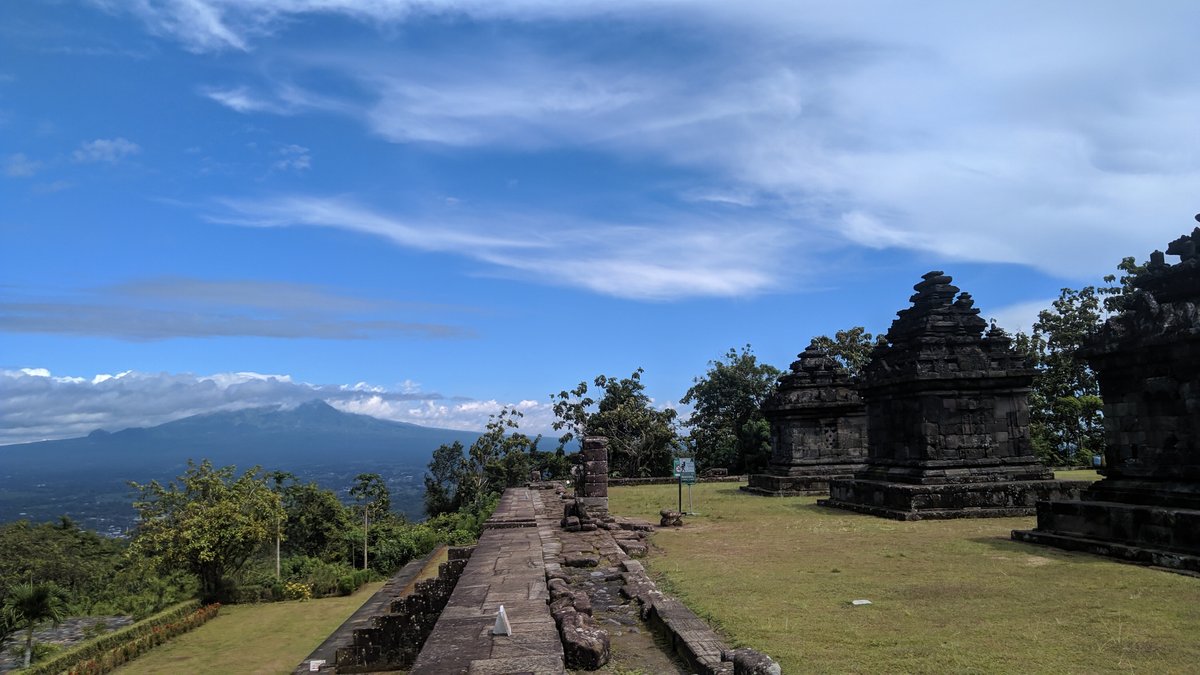
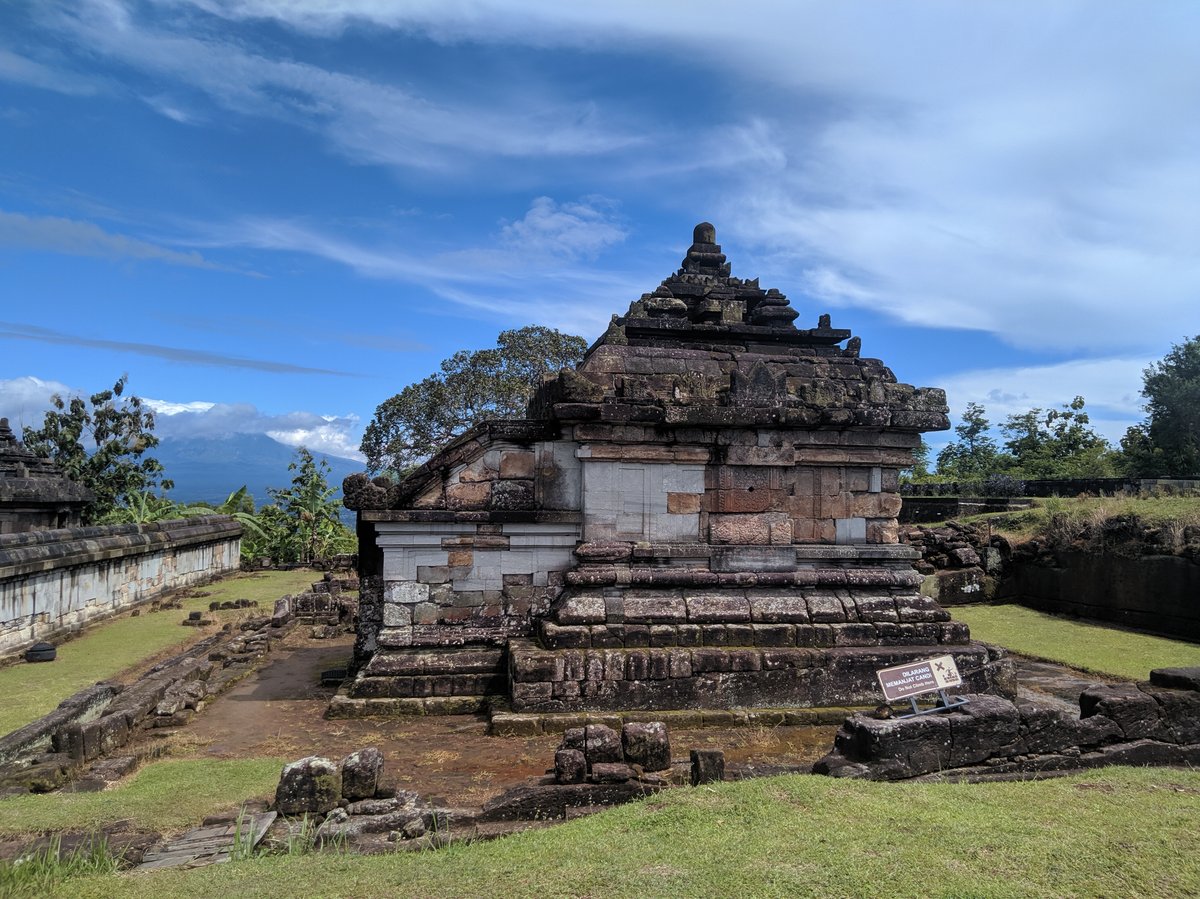
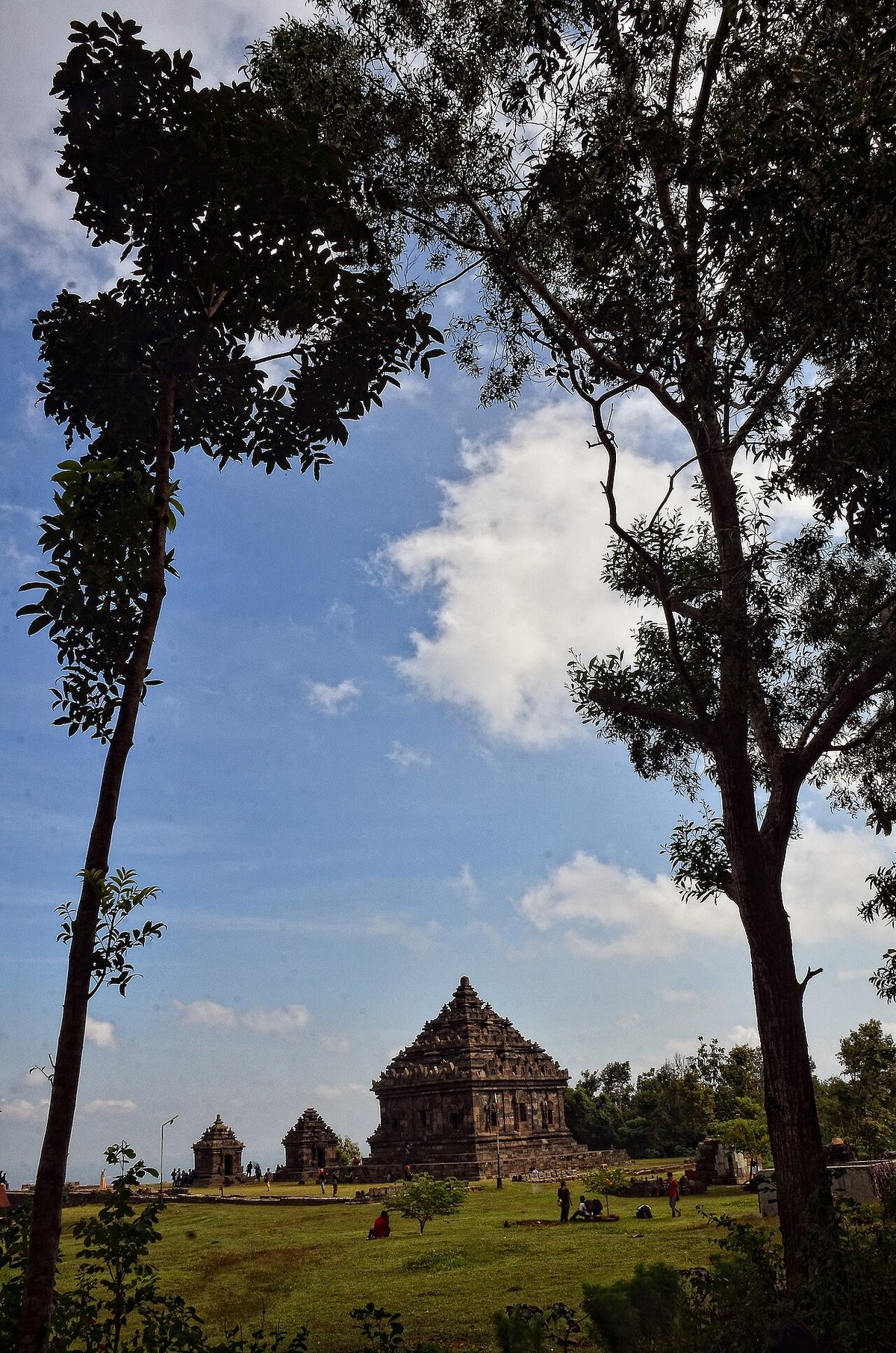
Candi Ijo offers a rare historical experience amid Yogyakarta’s tourist circuit. Perched atop a hill at an elevation of approximately 260 meters above sea level, the temple complex provides a refreshing climate. The tranquility here is distinctly different from other archaeological sites across Java, allowing visitors to immerse themselves in both a spiritual and natural atmosphere simultaneously. Its primary appeal lies in the authentic andesite stone architecture, which retains its original form, complemented by expansive panoramic views stretching toward the lowlands and the twilight sky.
📸 Photo Gallery
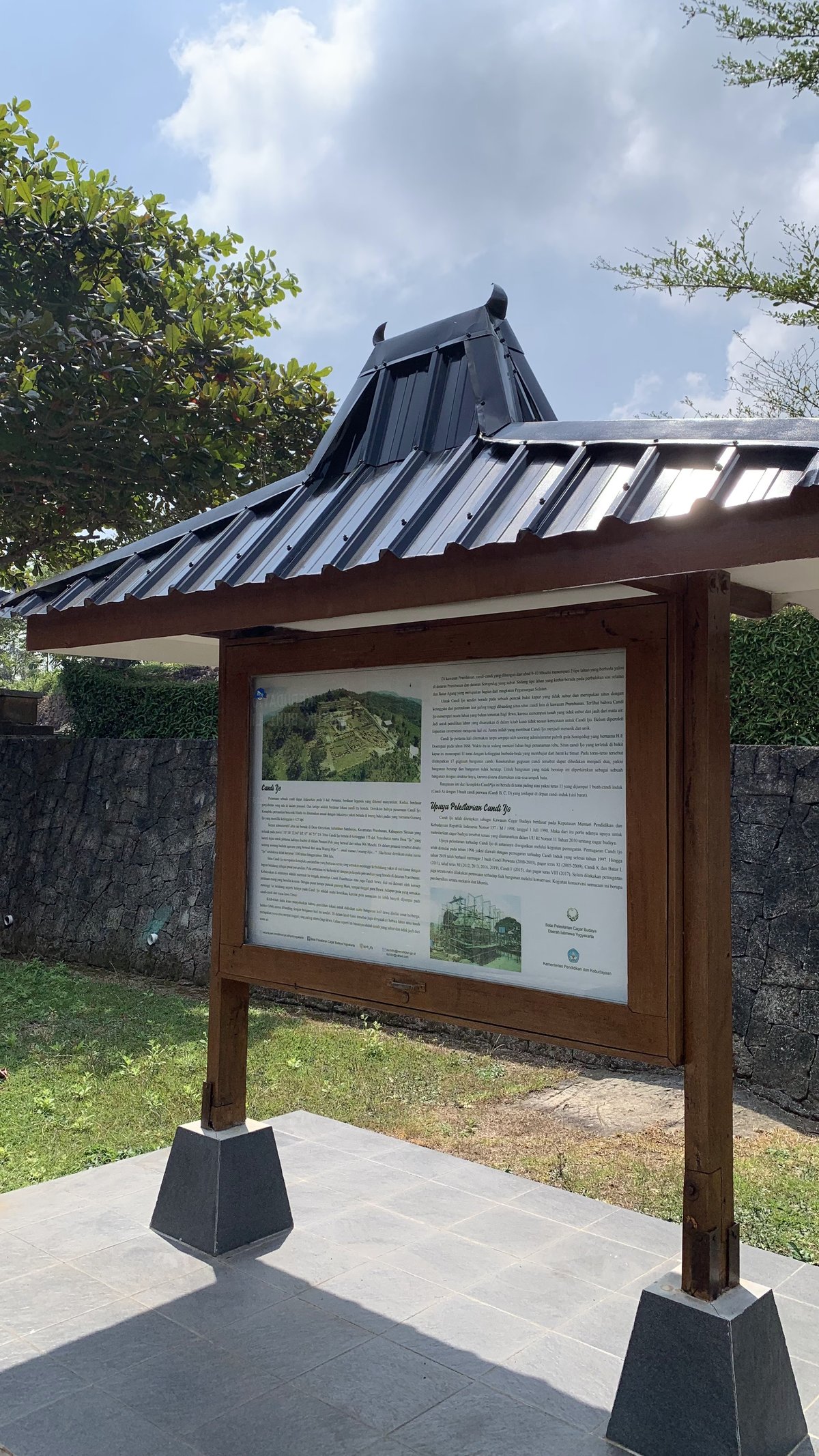
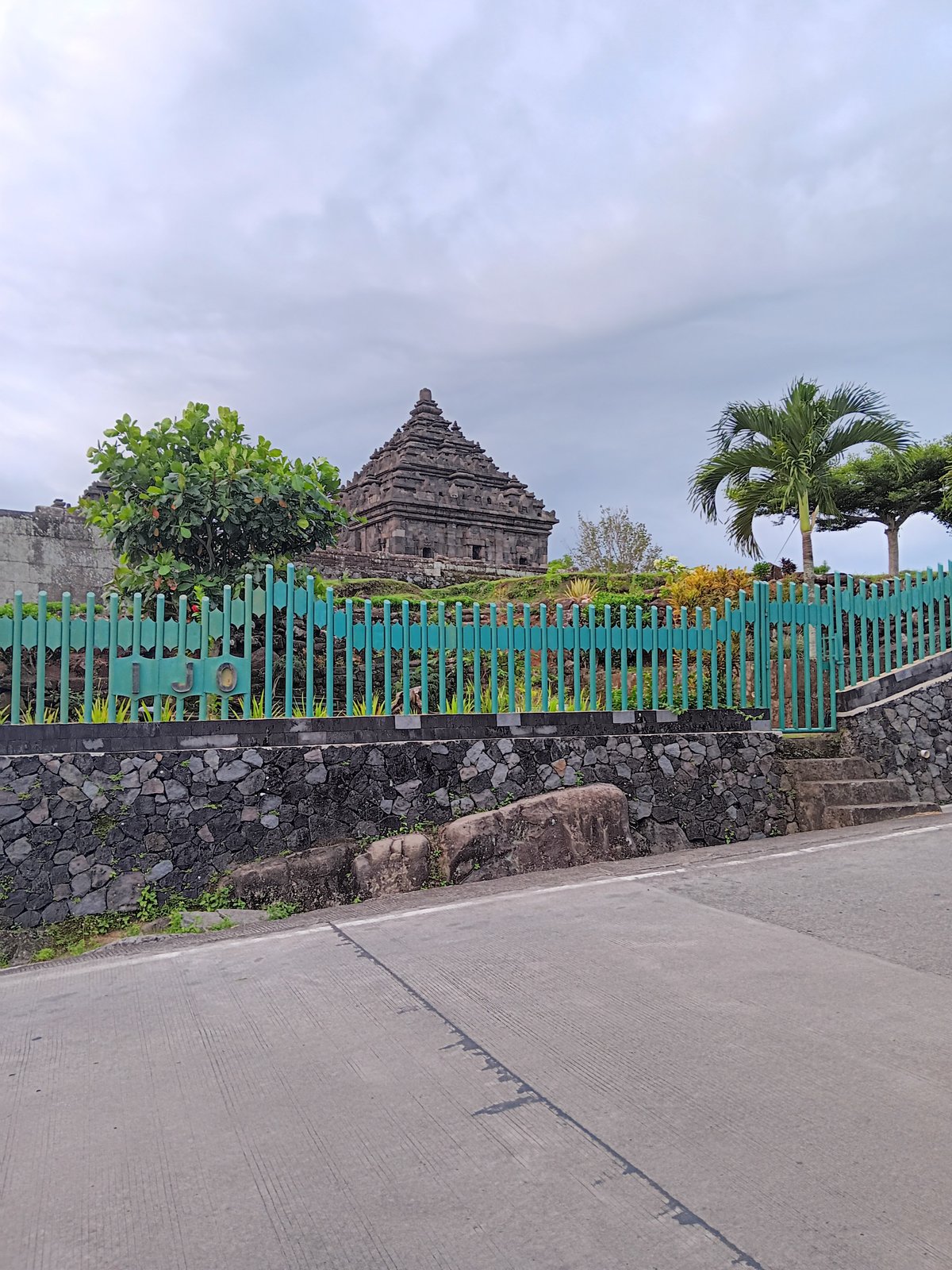
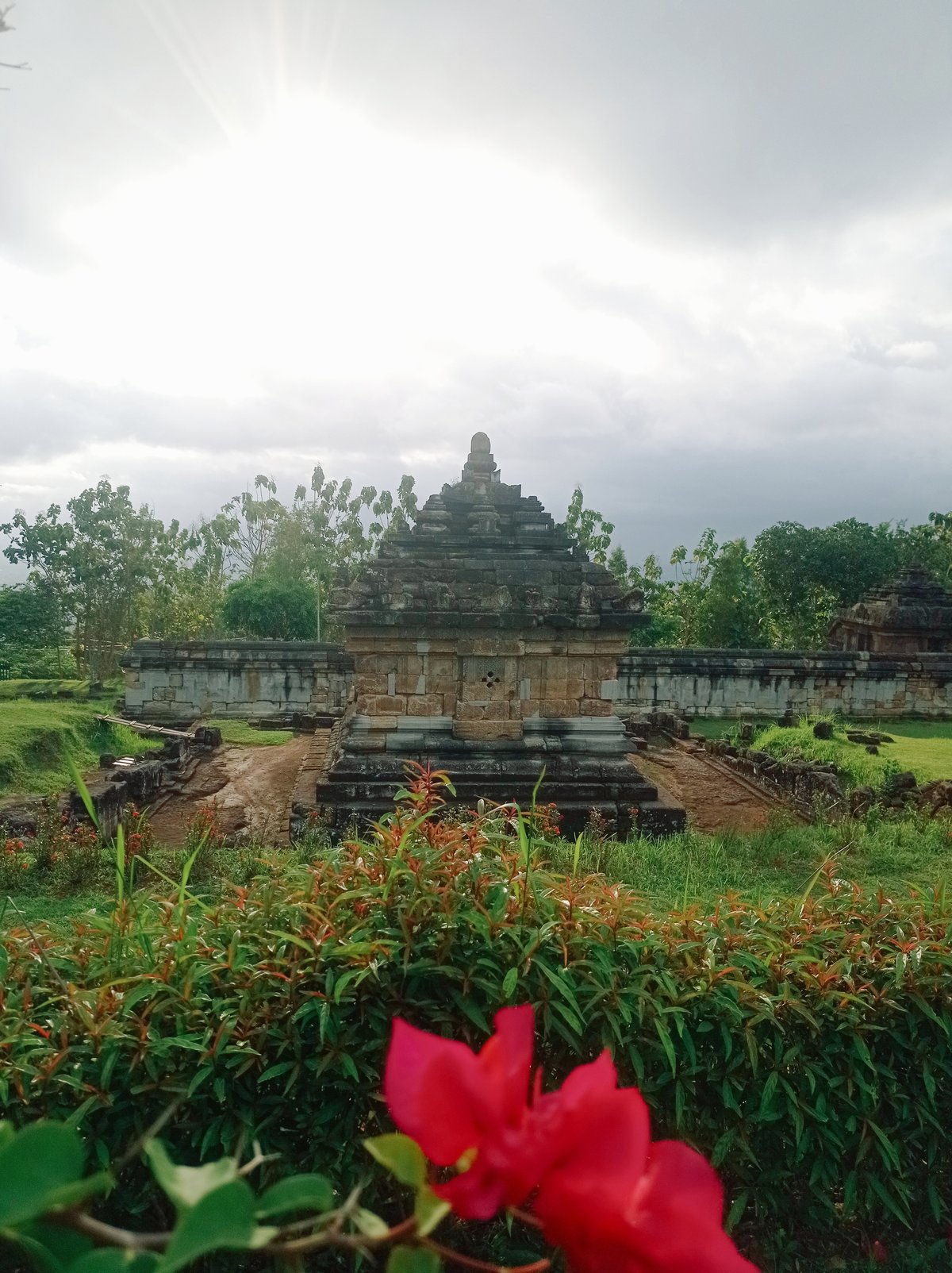
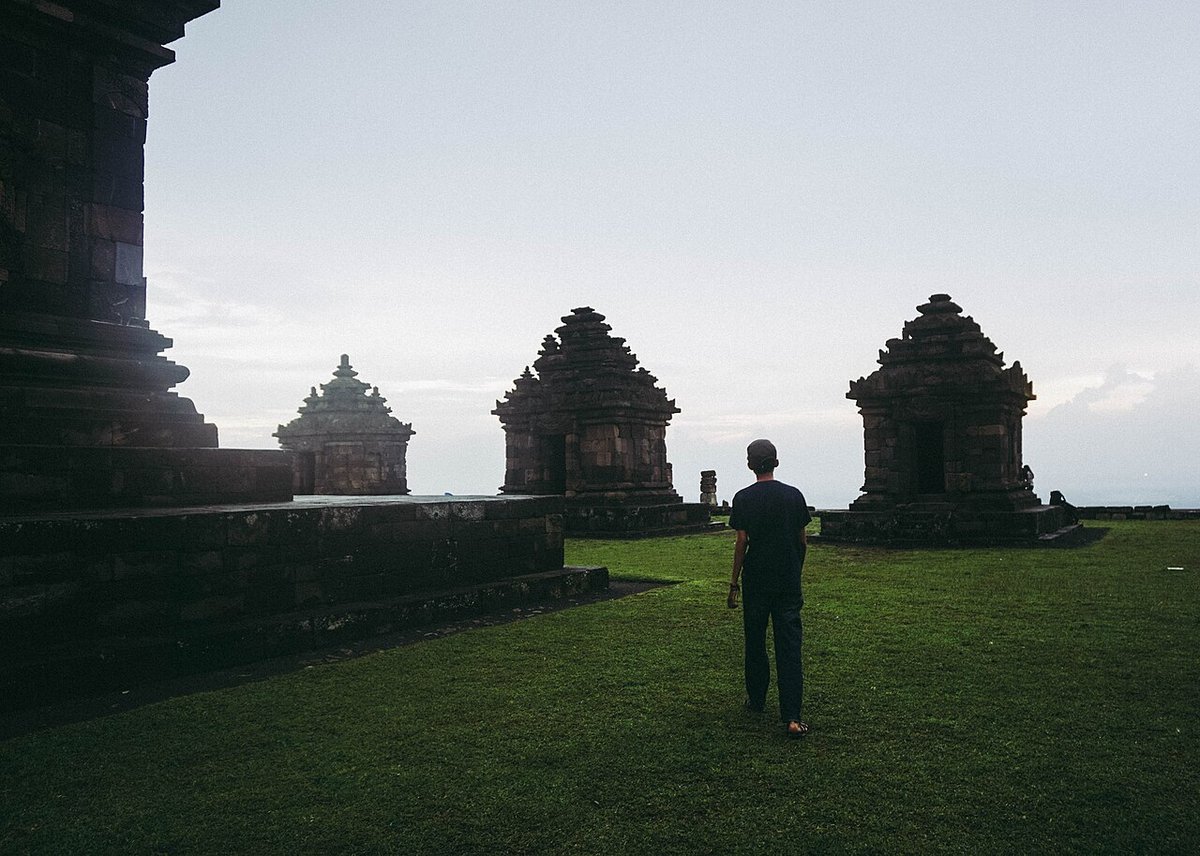
Why Visit This Site
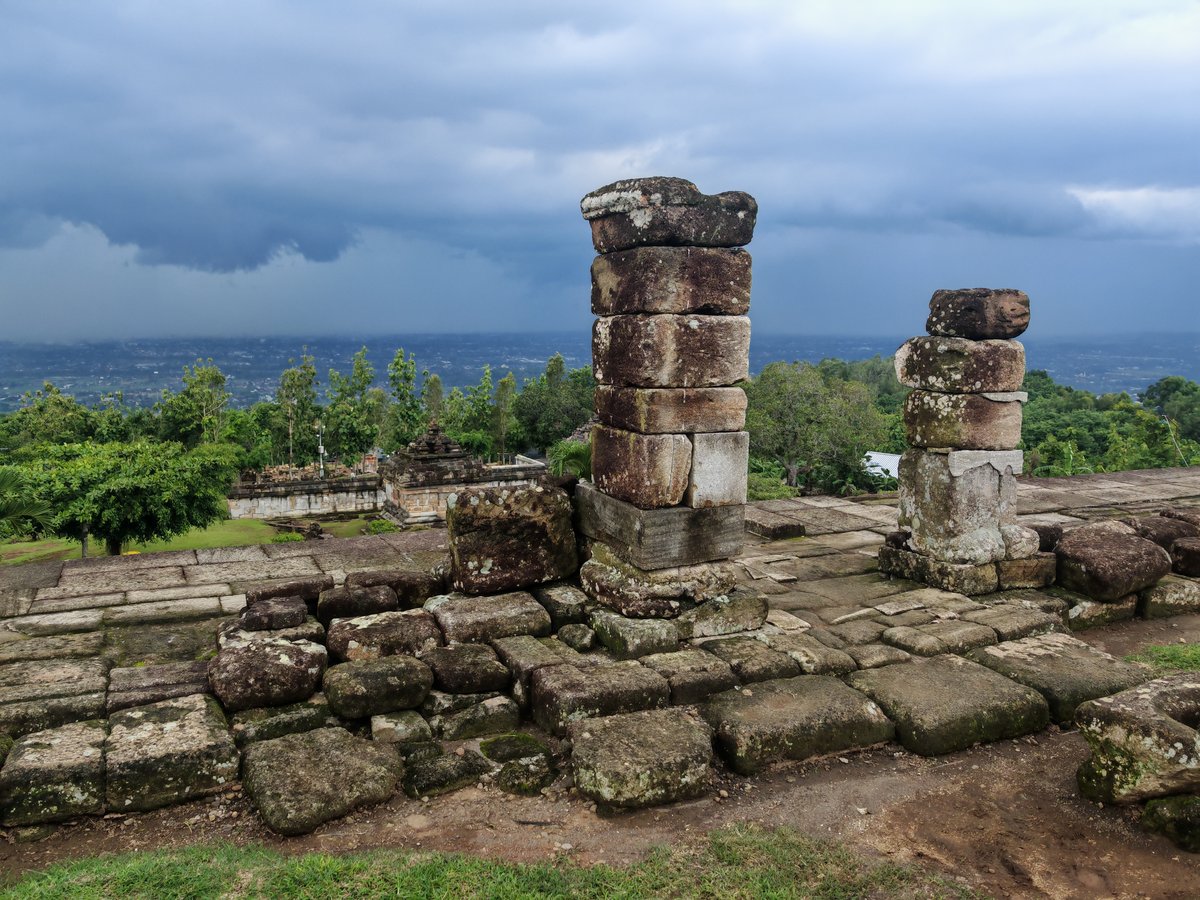
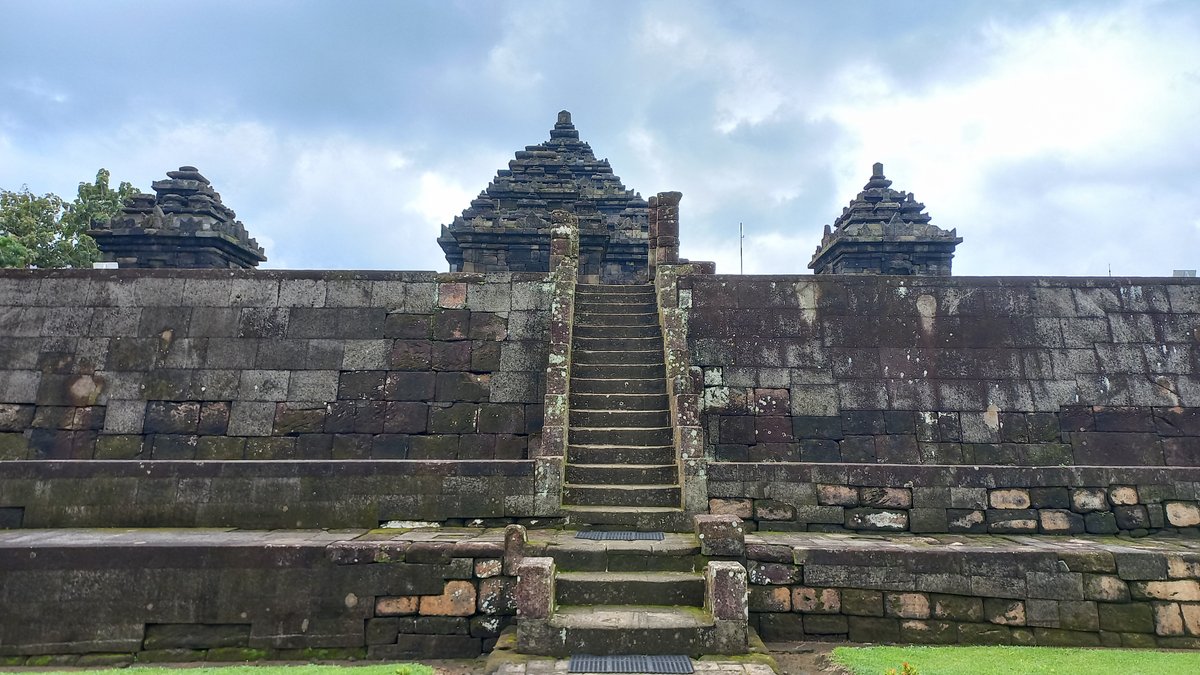
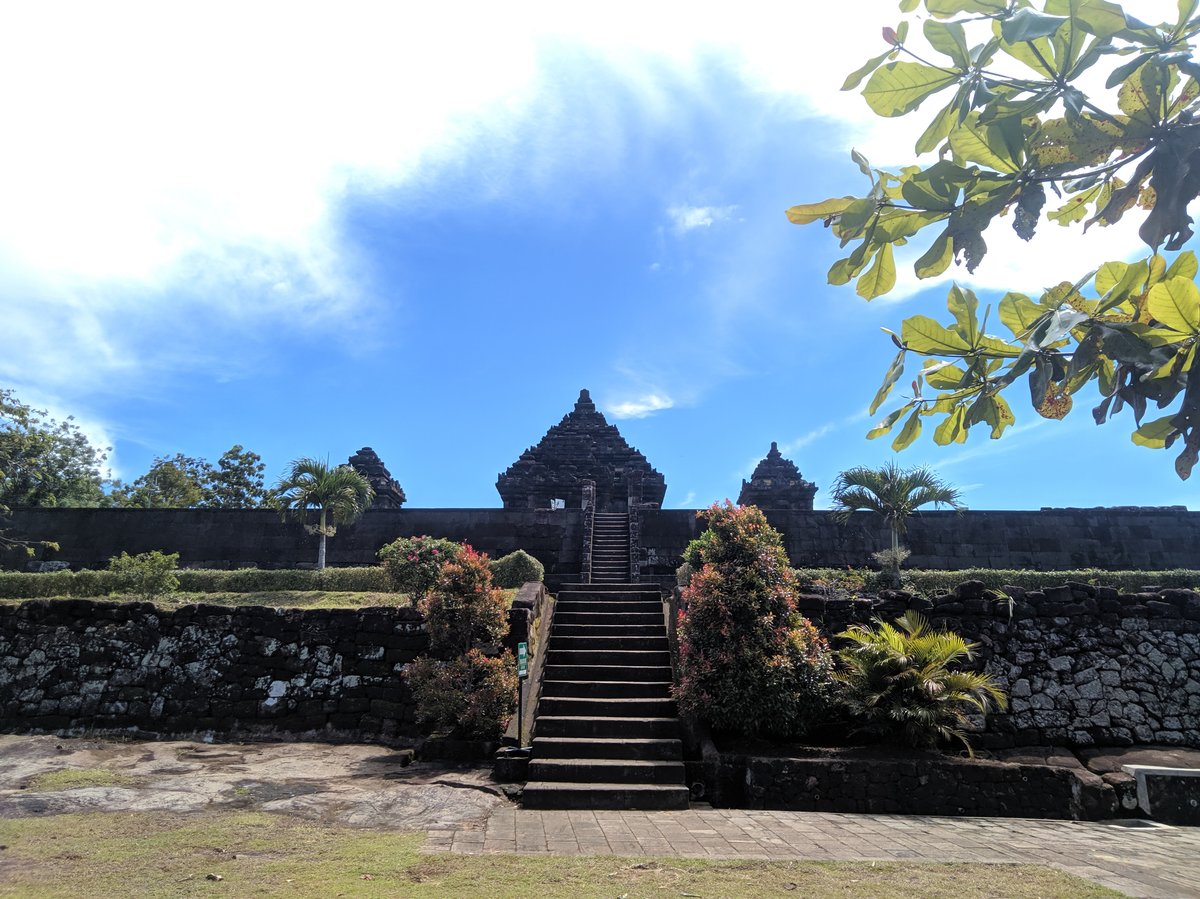
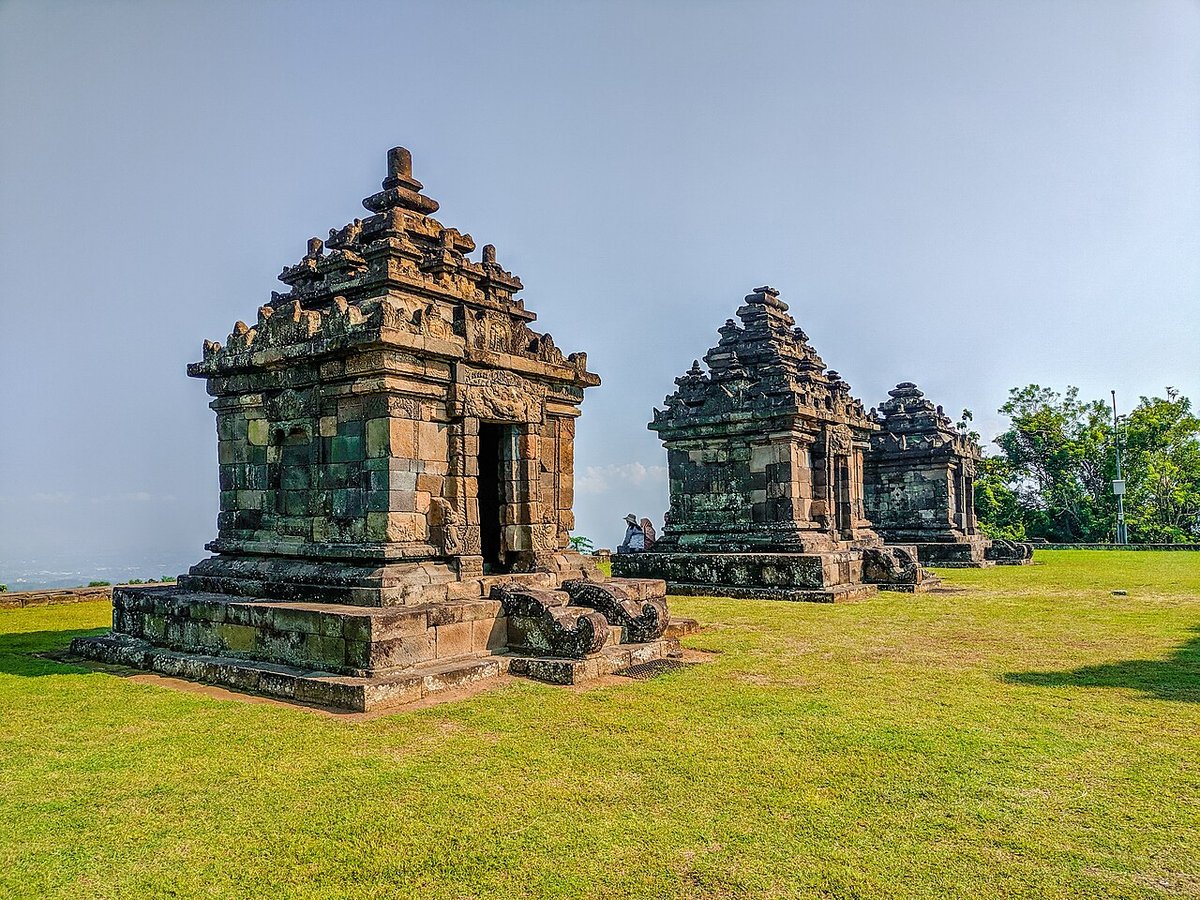
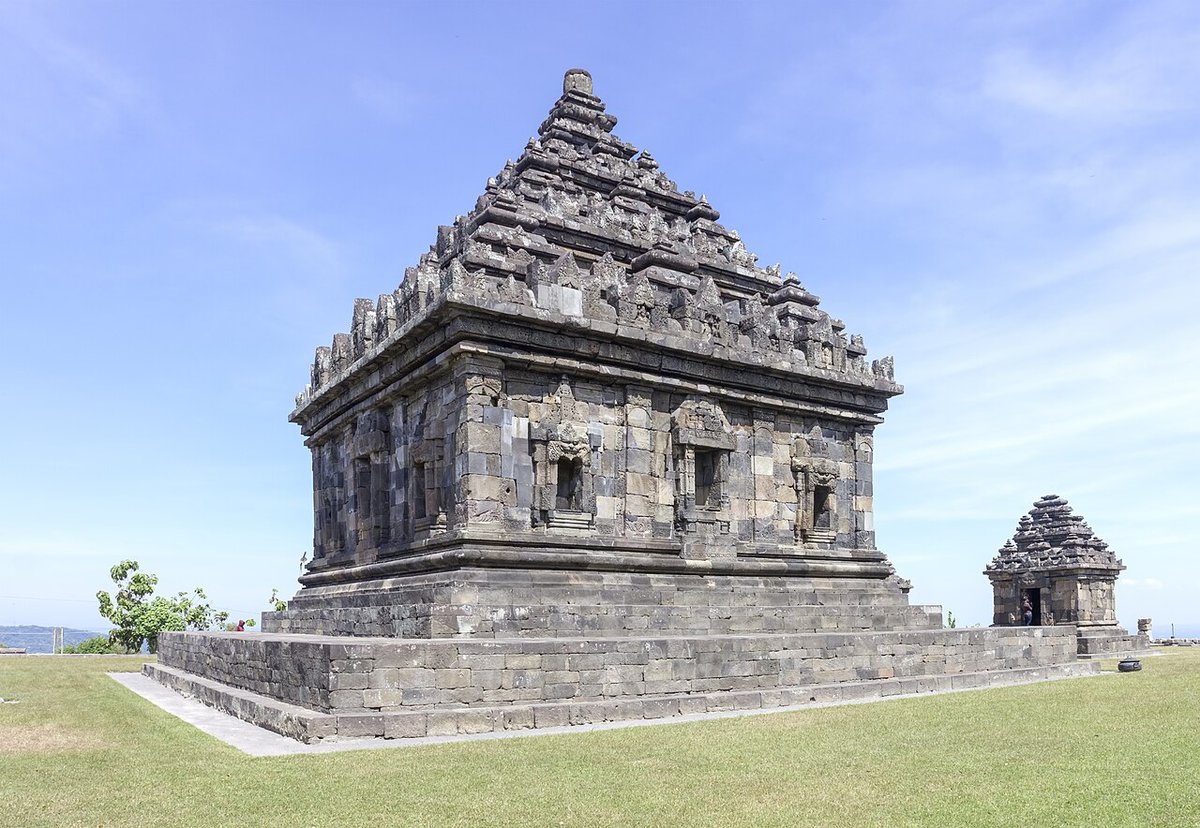
This site is a unique Hindu temple complex dating back to the ancient Mataram Kingdom, distinguished by its elevated location. Unlike lowland temples, Candi Ijo is designed with a terraced layout that reflects the Hindu cosmological concept of hierarchical purity. The main temple is located on the uppermost terrace, historically reserved for the highest rituals. Another notable feature is its meticulous maintenance, characterized by meticulously trimmed lawns and a pristine environment. A rating of 4.8 from 2,026 reviews demonstrates that the experience here consistently satisfies visitors.
Experiences to Enjoy
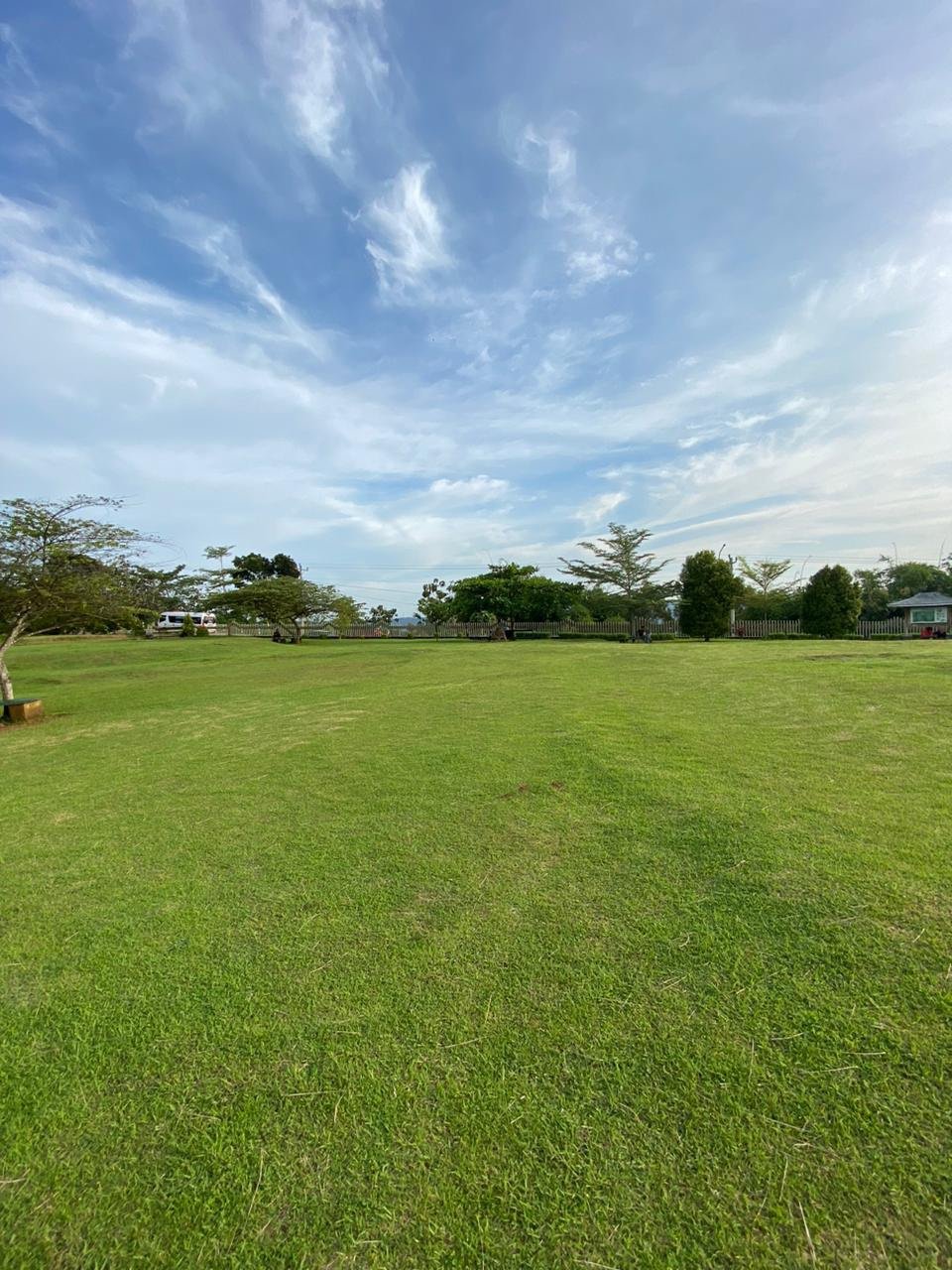
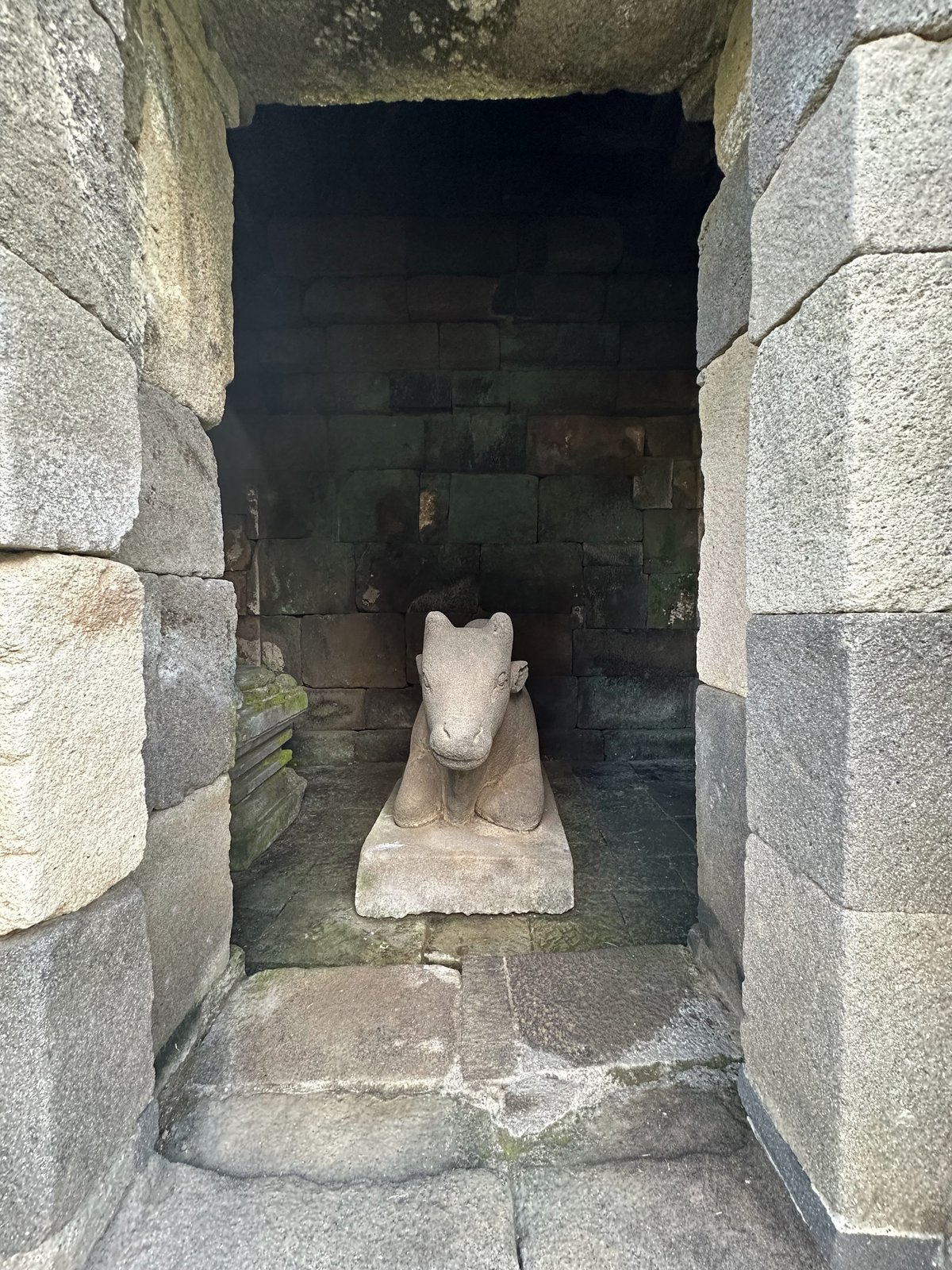
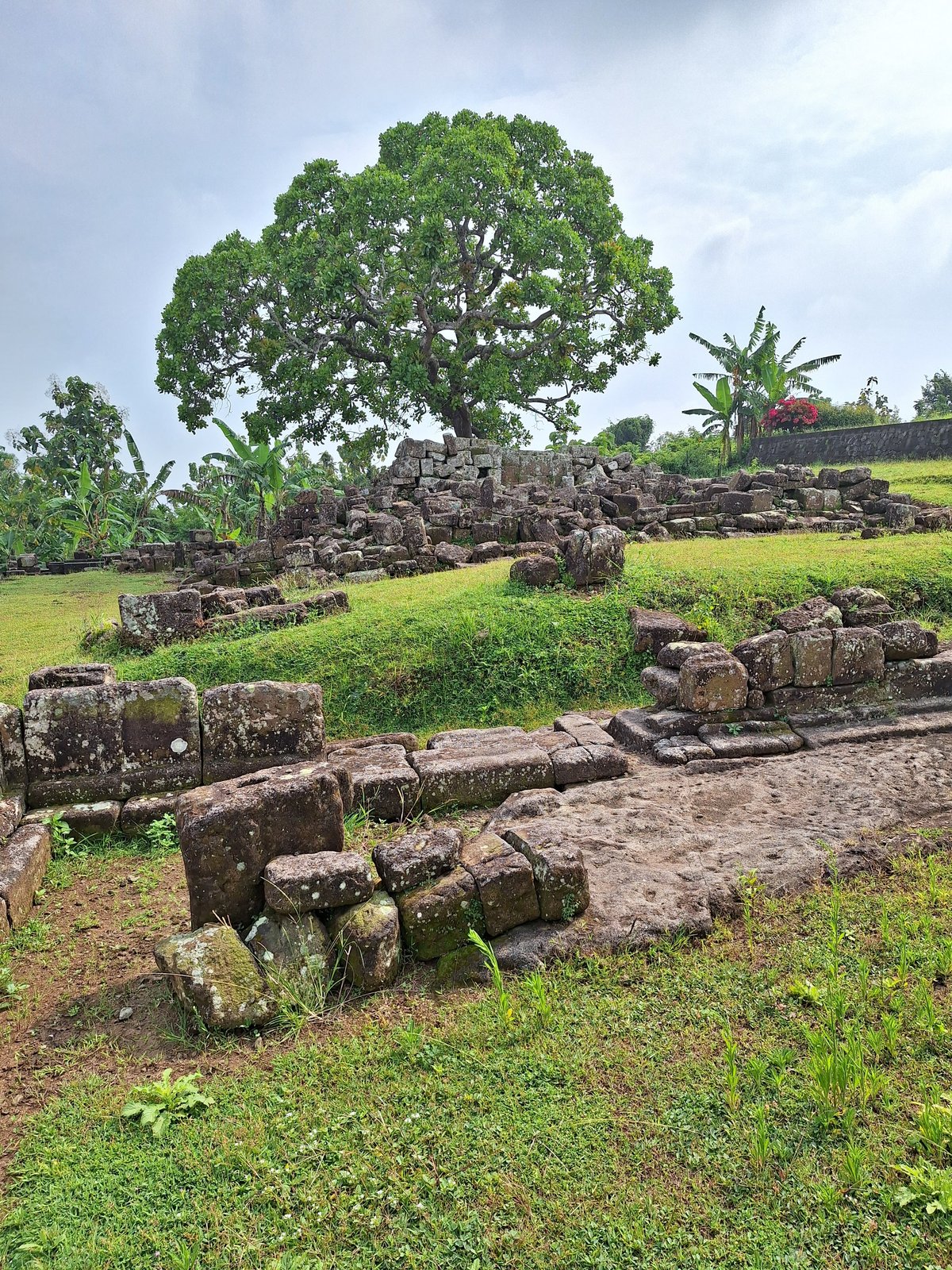
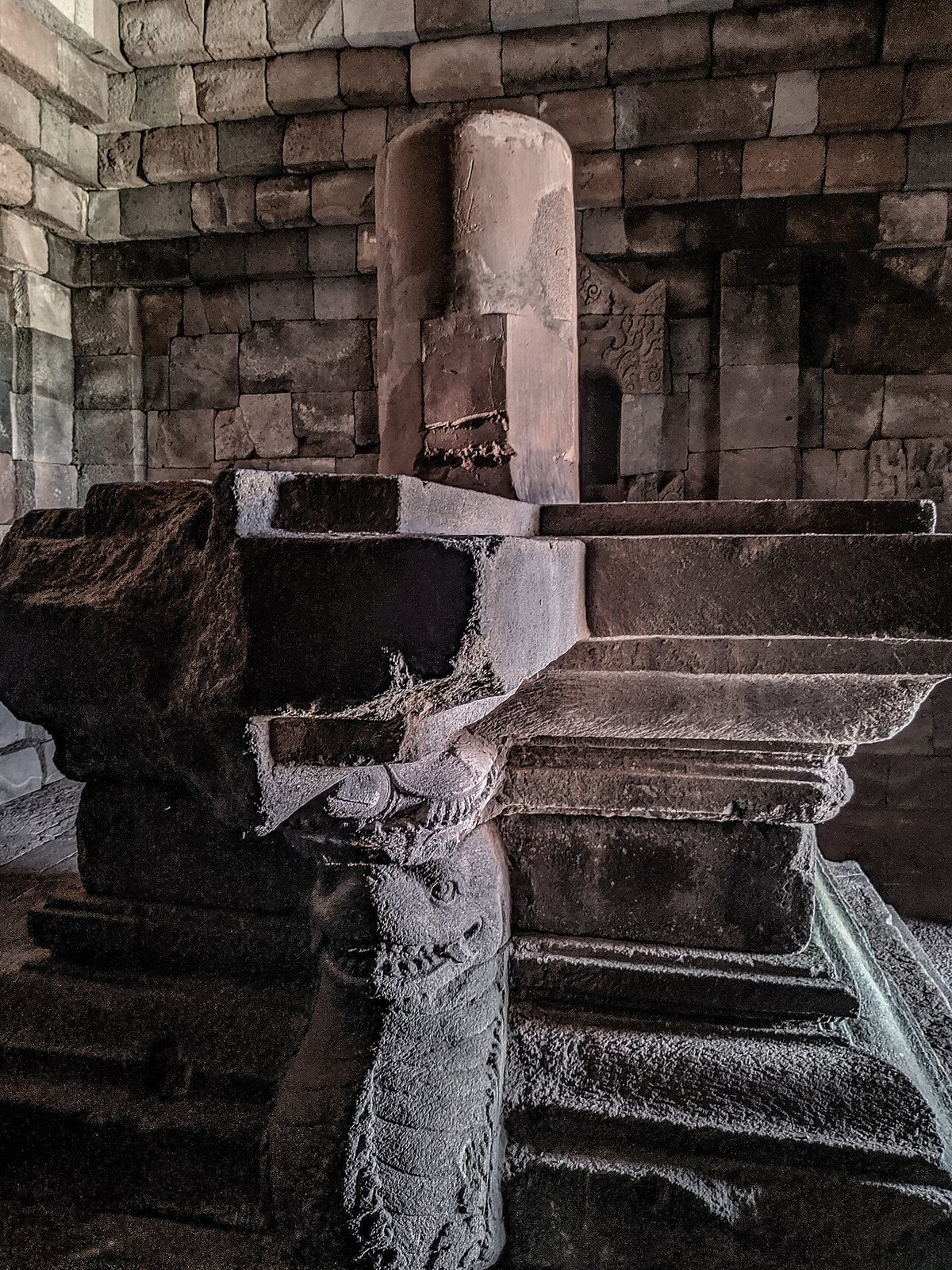
During your visit, you will traverse hundreds of ascending steps—a light physical endeavor well rewarded by invigorating views. Inside the main temple, you can observe a large lingga-yoni, a sacred symbol representing the balance of natural forces. Additionally, archaeological activities continue in certain terrace areas, where research teams are carefully reconstructing excavated stones. Visitors can also witness sunrise or sunset moments, which frequently frame the silhouette of Mount Merapi. The grassy areas surrounding the complex offer comfortable open spaces for rest.
Dining Options
At the hill’s base, directly across from the parking area, several local eateries serve regional dishes and refreshing beverages. You can savor traditional Yogyakarta cuisine or local drinks before or after your ascent. These convenient facilities allow you to refuel without needing to travel far into the city center.
Admission Fees and Tickets
Admission to this area is highly affordable, with a standard rate of Rp15,000 per person. A discounted rate of Rp5,000 per person is available for students from early childhood education through high school. Vehicle parking fees are reasonably priced, making family visits more economical. With minimal financial investment, you gain access to this expansive historical site and can enjoy its well-maintained facilities throughout the day.
Operating Hours
The Candi Ijo area is open daily without exception, from 08:00 to 17:00 WIB. The recommended visiting time is in the afternoon, between 14:00 and 16:00, as the cooling temperatures and soft sunlight create ideal conditions for enjoying the panoramic views. Ensure you arrive before closing time to allow sufficient time to explore all temple terraces.
Getting There
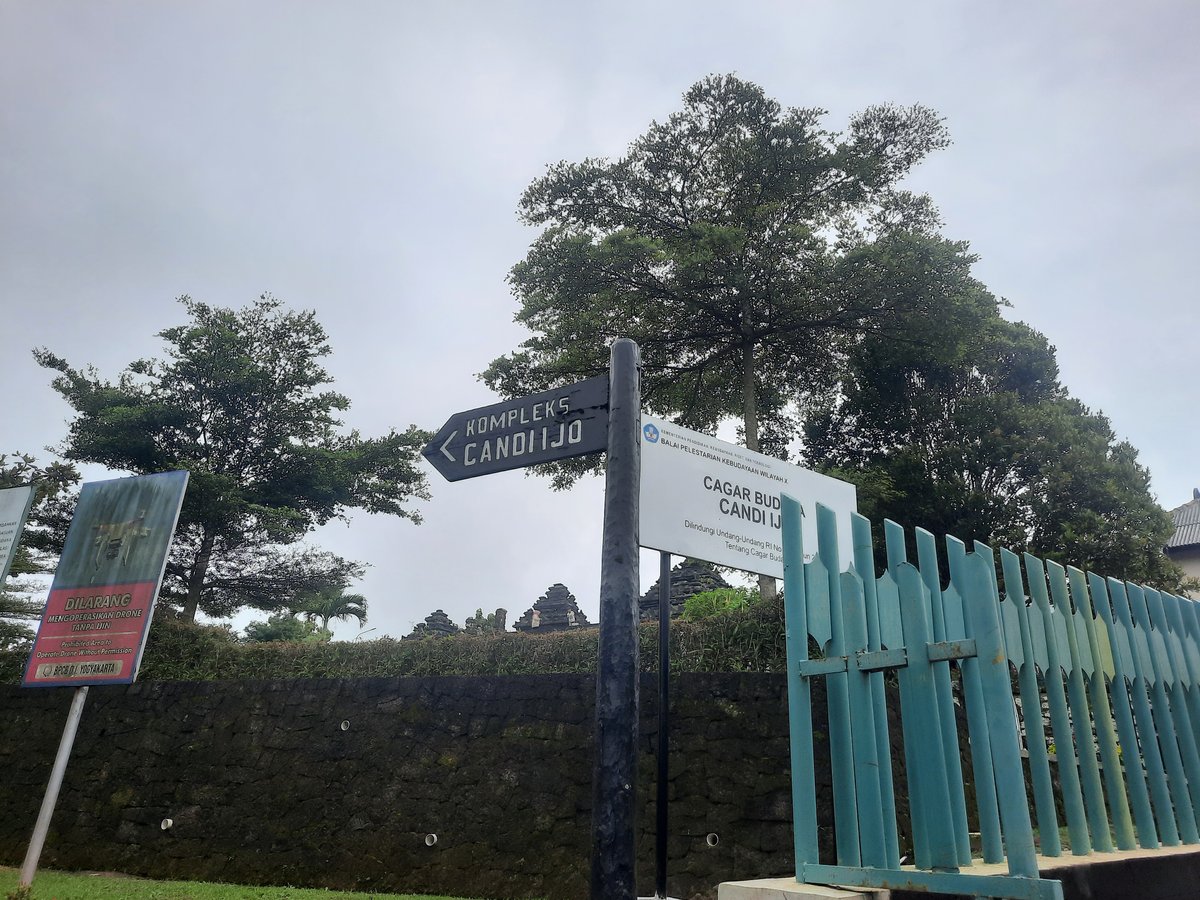
The site’s full address is Jl. Candi Ijo, Kikis, Sambirejo, Prambanan District, Sleman Regency, Special Region of Yogyakarta 55572. The access road to the site is paved and sufficiently wide to accommodate various types of private vehicles. Visitors are advised to park in the spacious parking area located directly across from the main entrance. The route from downtown Yogyakarta can be accessed via the Prambanan corridor, after which you should follow directional signs toward Sambirejo. Excellent accessibility and stable road conditions ensure a safe and comfortable journey.
Practical Tips for Visitors
Wear comfortable footwear with reliable grip, as the road leading to the temple is notably steep and stepped. Carry an adequate supply of drinking water, as temperatures at the hilltop can fluctuate. Avoid carrying excessive valuables during the climb to ensure personal security. Observe all signage in excavation zones and refrain from touching stone structures currently undergoing restoration. With proper physical and mental preparation, you will secure a deeply rewarding experience.
Visitor Reviews
"I really enjoyed being here; the climate is cool even during the hot season because it’s a hilly area. The road is steep, so you need to be careful, but it’s in good condition. The views are stunning. It was quite clear earlier, so Mount Merapi was visible, along with the surrounding houses."
"A Hindu temple complex from the ancient Mataram Kingdom featuring multiple terraces, with the main temple situated in the most sacred area or highest terrace. Inside the main temple, you can find a massive lingga-yoni and several interesting reliefs and decorations. Additionally, excavation, stone matching, and reconstruction tests are still ongoing on certain terraces. It’s always fascinating to anticipate what new discoveries will emerge from this complex."
"The road leading to Candi Ijo is in excellent condition. The general admission fee is Rp15,000, and you are free to explore anywhere. It’s absolutely perfect for watching the sunset and taking photos."
"Candi Ijo is one of the most visited temples among residents and tourists in the Special Region of Yogyakarta. With its authentic architecture and temple structure, it successfully attracts visitors. Don’t worry about the parking area, friends; there is still plenty of space available for you to use. Happy holidays to everyone, and by the way, the admission fee remains very affordable."
"The area is clean. It’s comfortable for relaxing and isn’t overly crowded; I thought it was closed because the entrance gate area was so quiet. Parking is decent with several available spots. The view of the city from the height is beautiful."
Candi Ijo stands as a cultural tourism destination offering a perfect balance of history, nature, and tranquility. With well-maintained facilities, easy access, and breathtaking views, this site rightfully deserves priority on your itinerary for Yogyakarta. Savor every step of the ascent and experience a profound peace that is difficult to find elsewhere. Ensure you allocate sufficient time and maintain a deep respect for a cultural heritage that has stood firm for centuries.