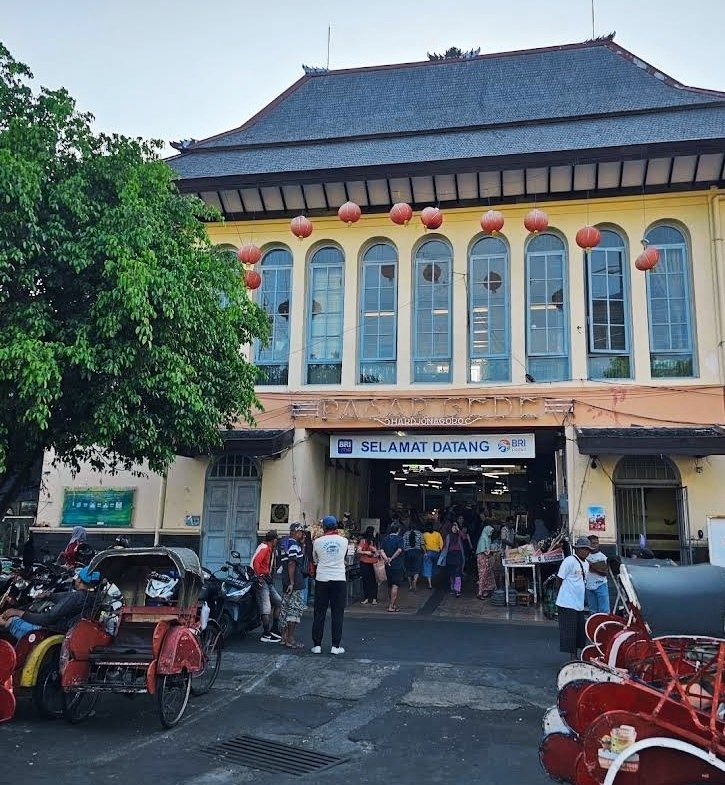
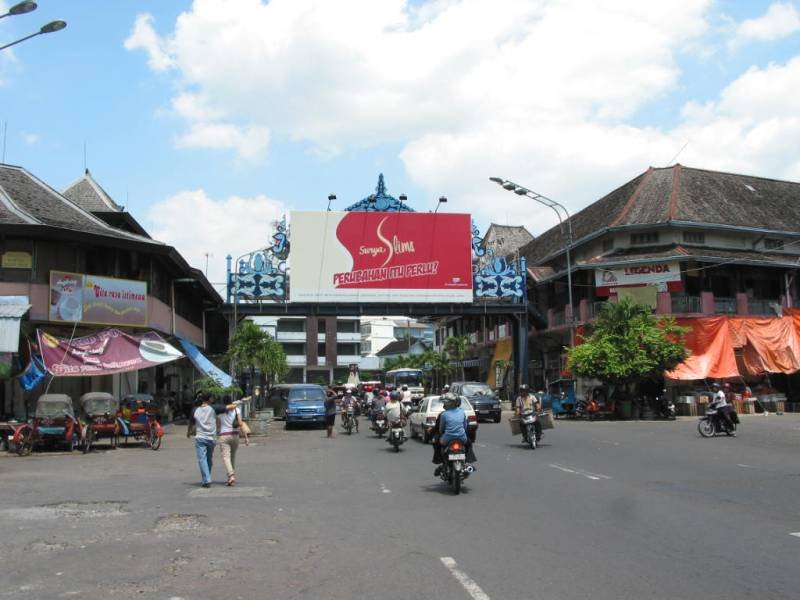
Entering the area along Jalan Jenderal Urip Sumoharjo, you will be greeted by a lively, non-stop bustle of commercial activity. Pasar Gede Hardjonagoro stands as one of the oldest social and economic institutions in Solo City, successfully preserving its traditional essence to this day. Far more than a mere marketplace for goods, it serves as a true reflection of the vibrant daily life in Surakarta, deeply rooted in historical and cultural values. Colonial-era architecture, blending Javanese and Chinese elements, imparts a strong classic ambiance, while the bustling sounds of vendors and the distinctive aroma of spices create an authentic atmosphere rarely found in modern shopping centers. A rating of 4.6 from over 24,000 reviews confirms that this location is a must-visit destination for anyone seeking a comprehensive understanding of Solo.
📸 Photo Gallery
Why Visit This Destination
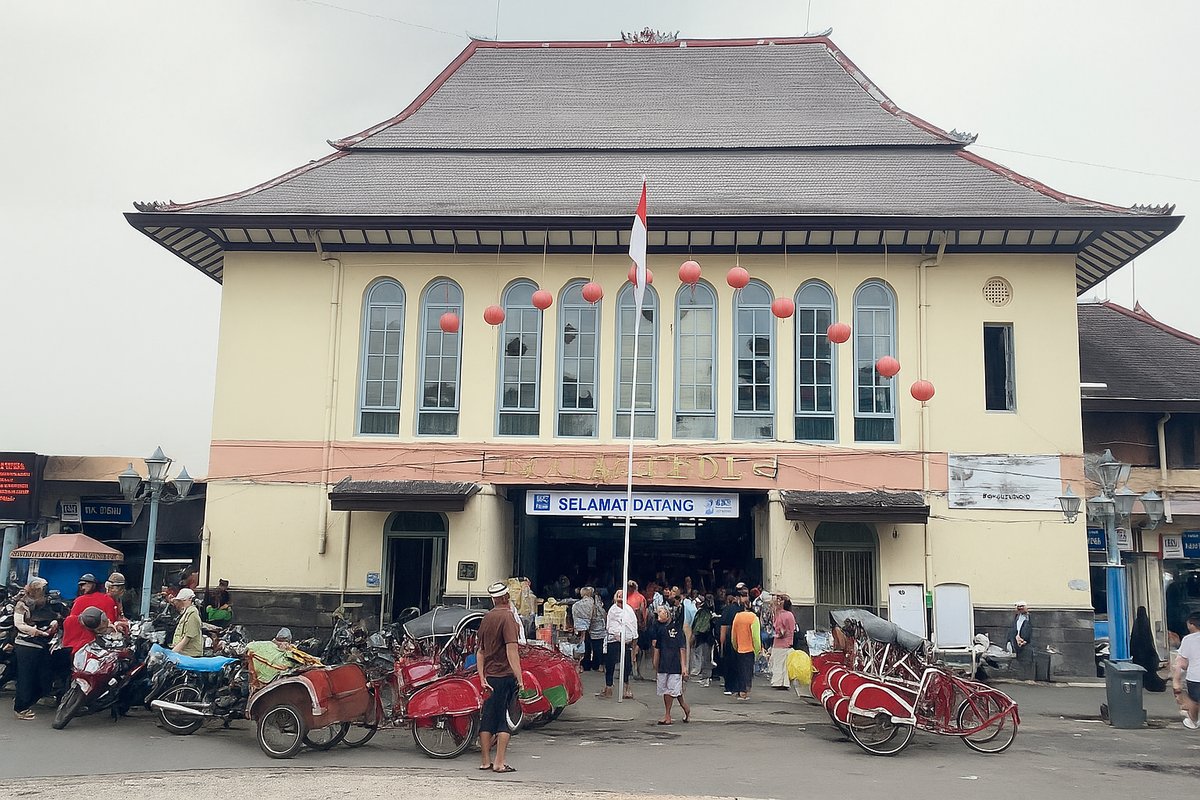
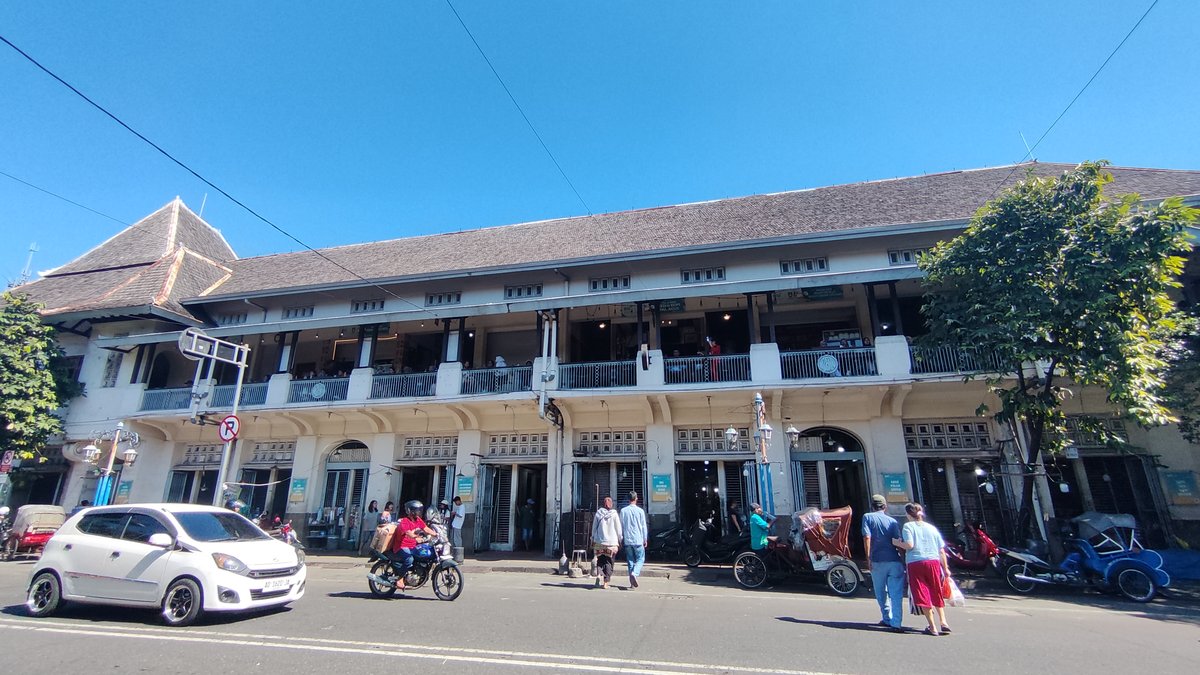
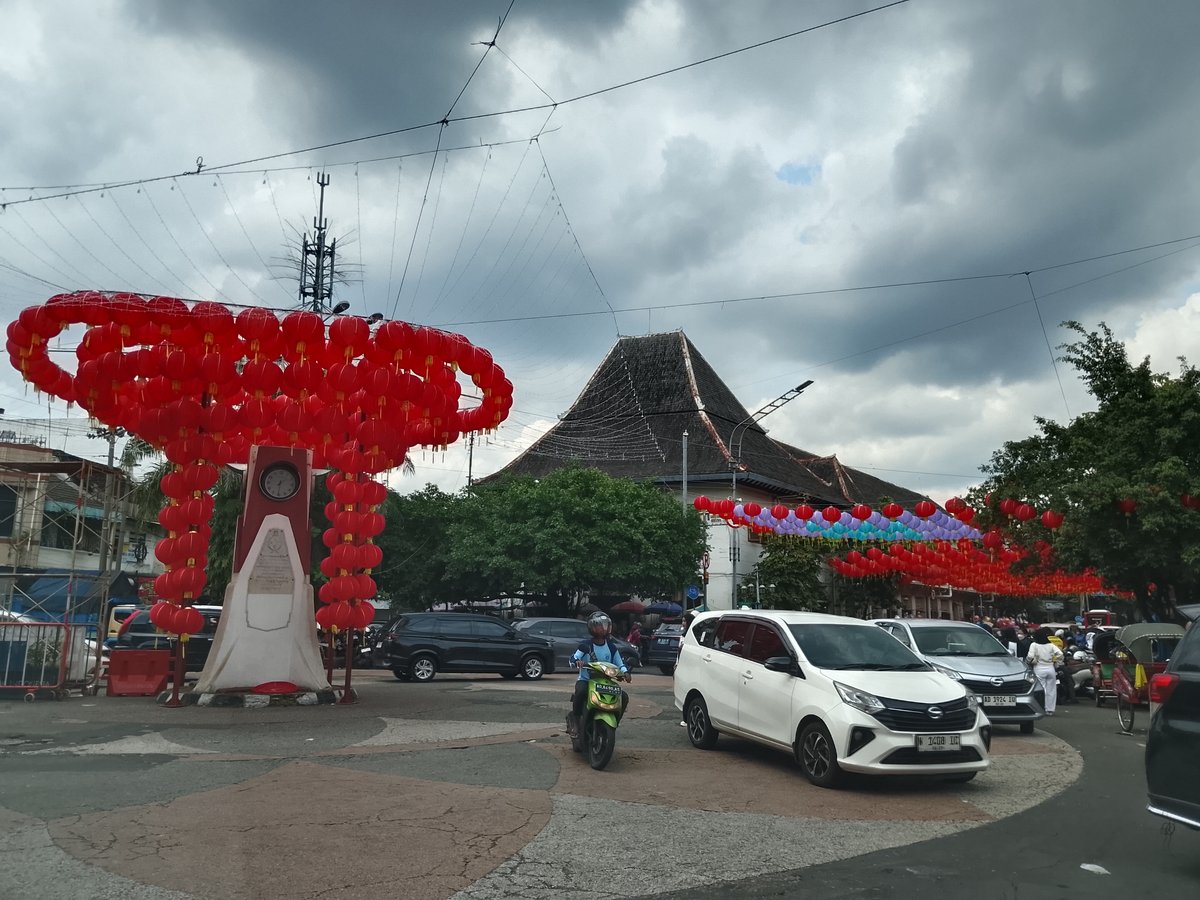
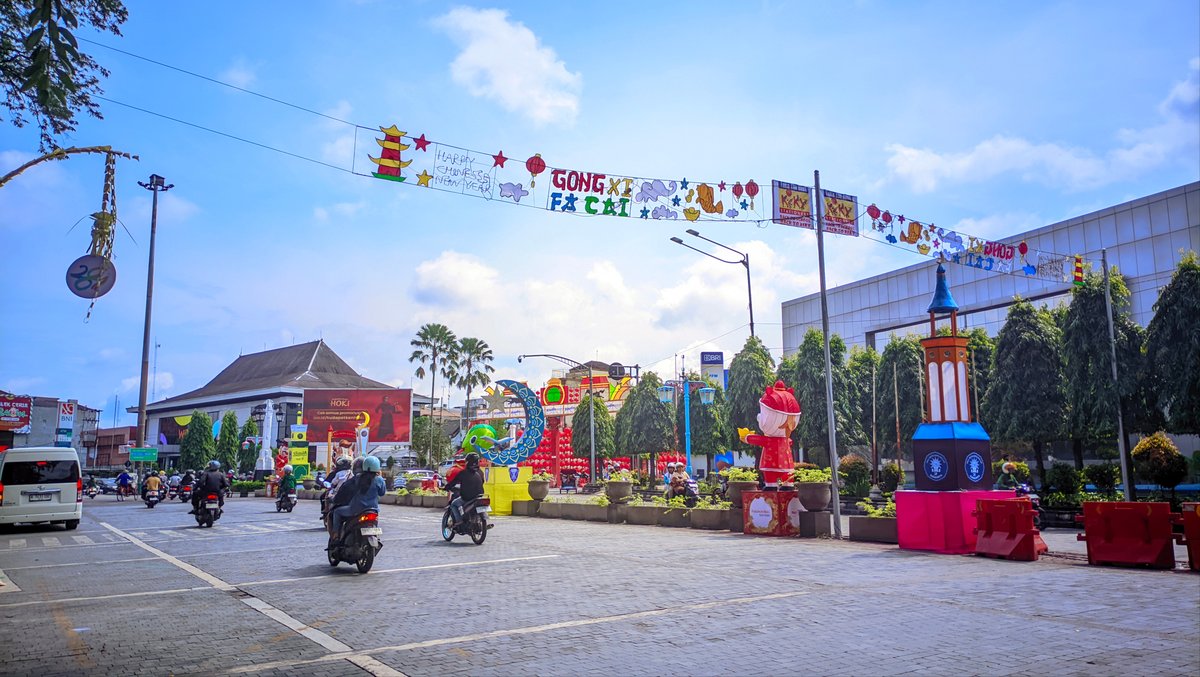
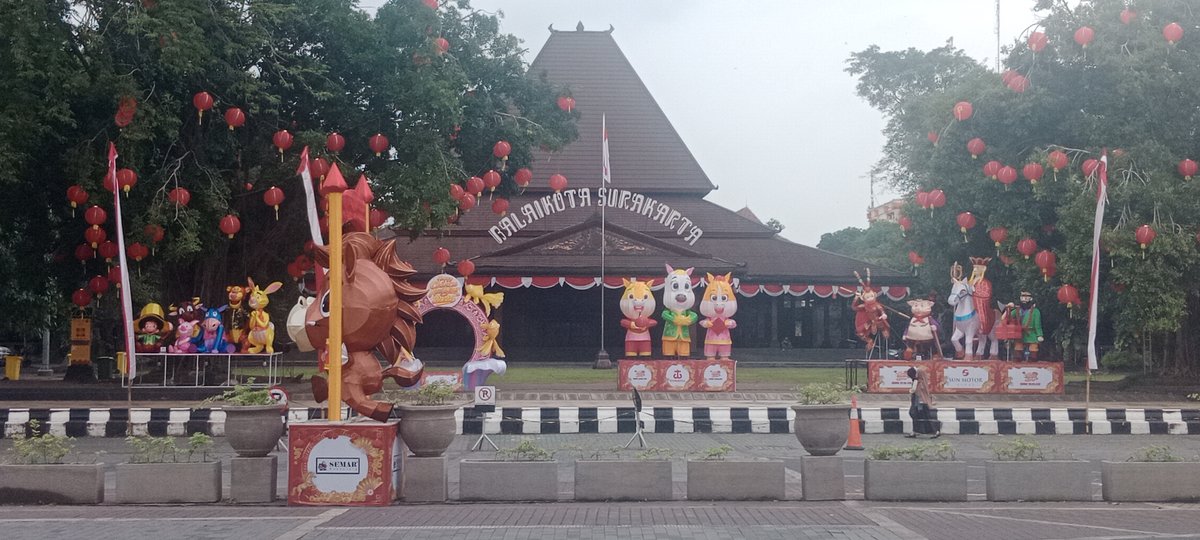
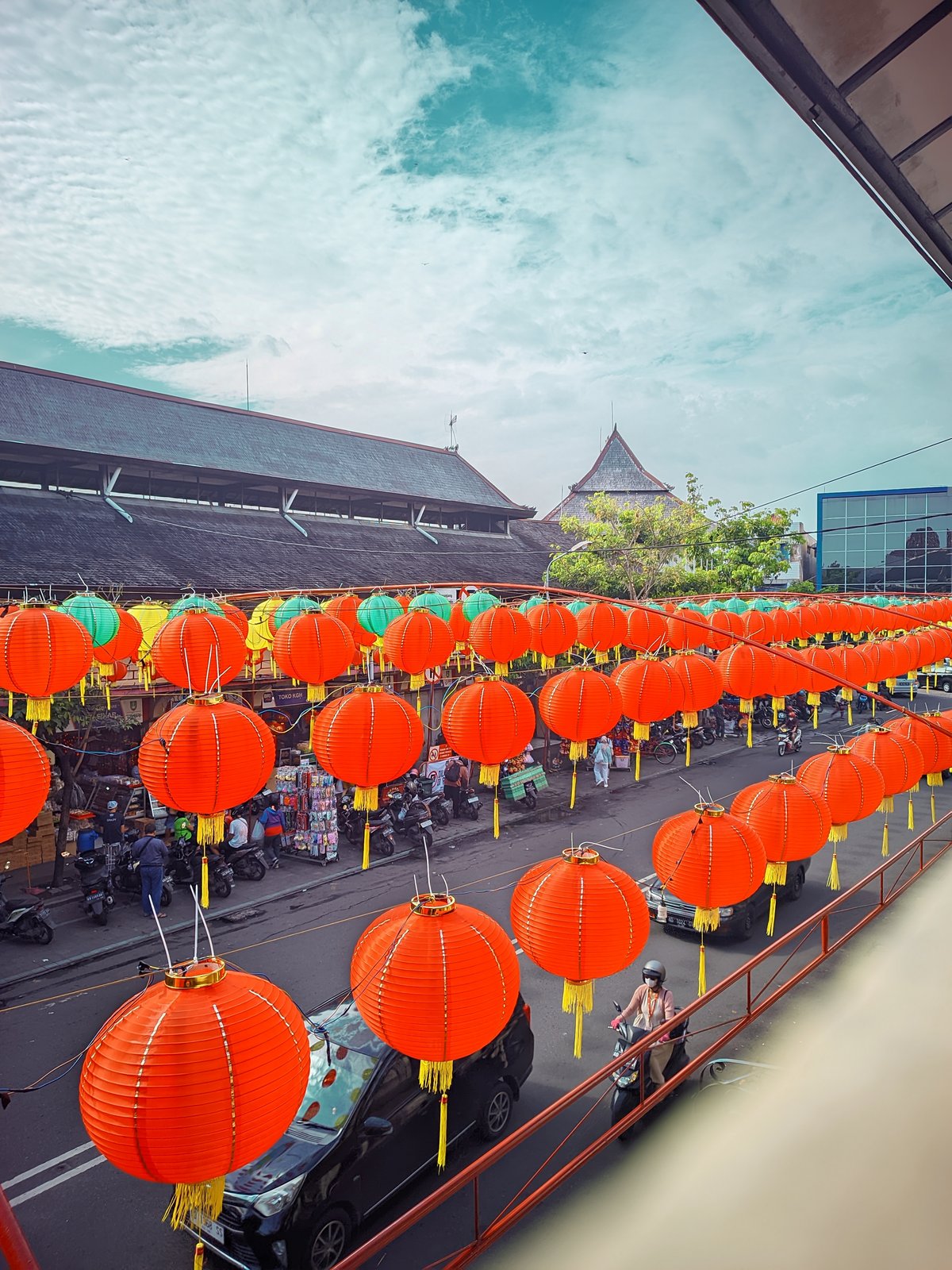
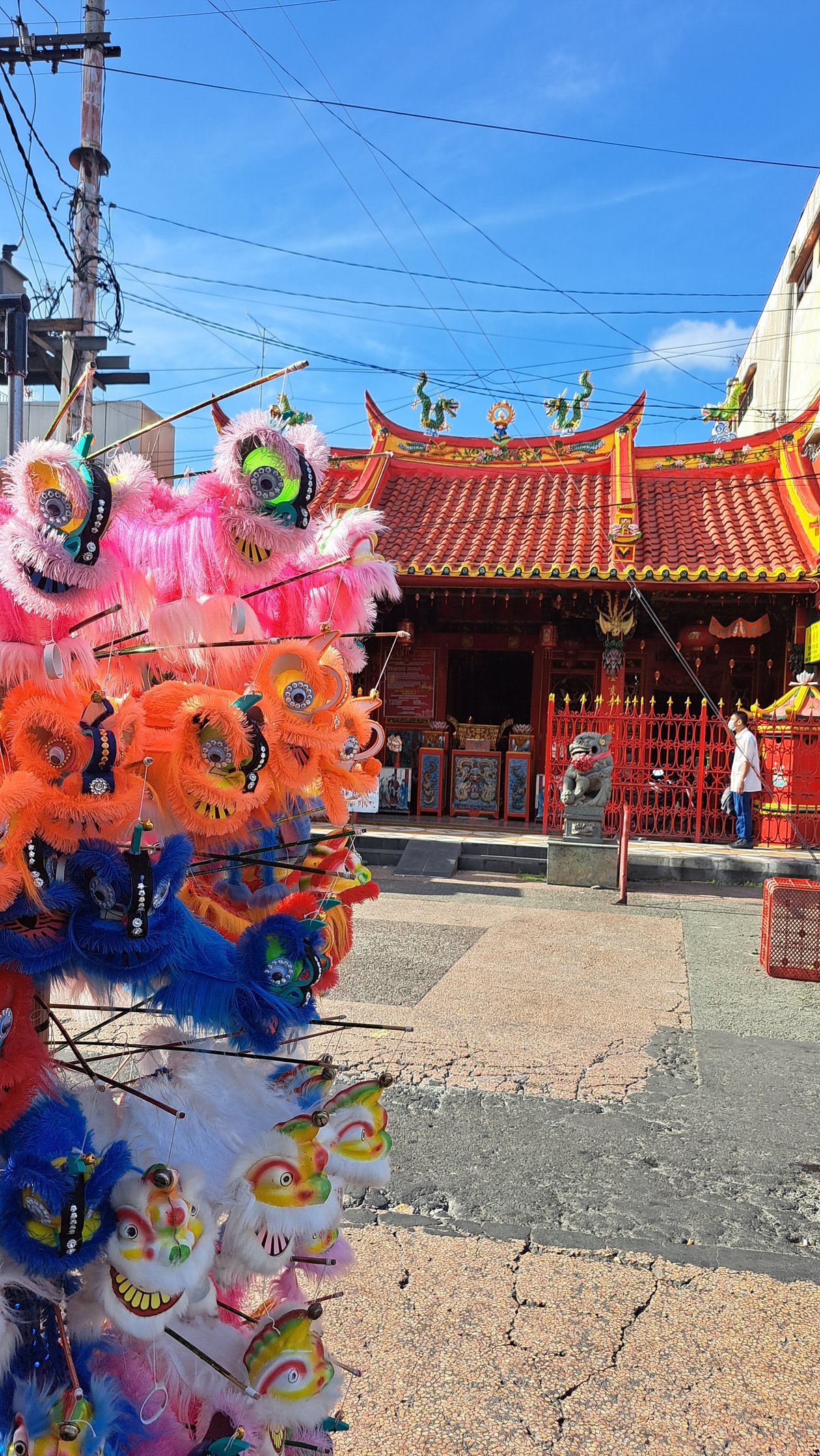
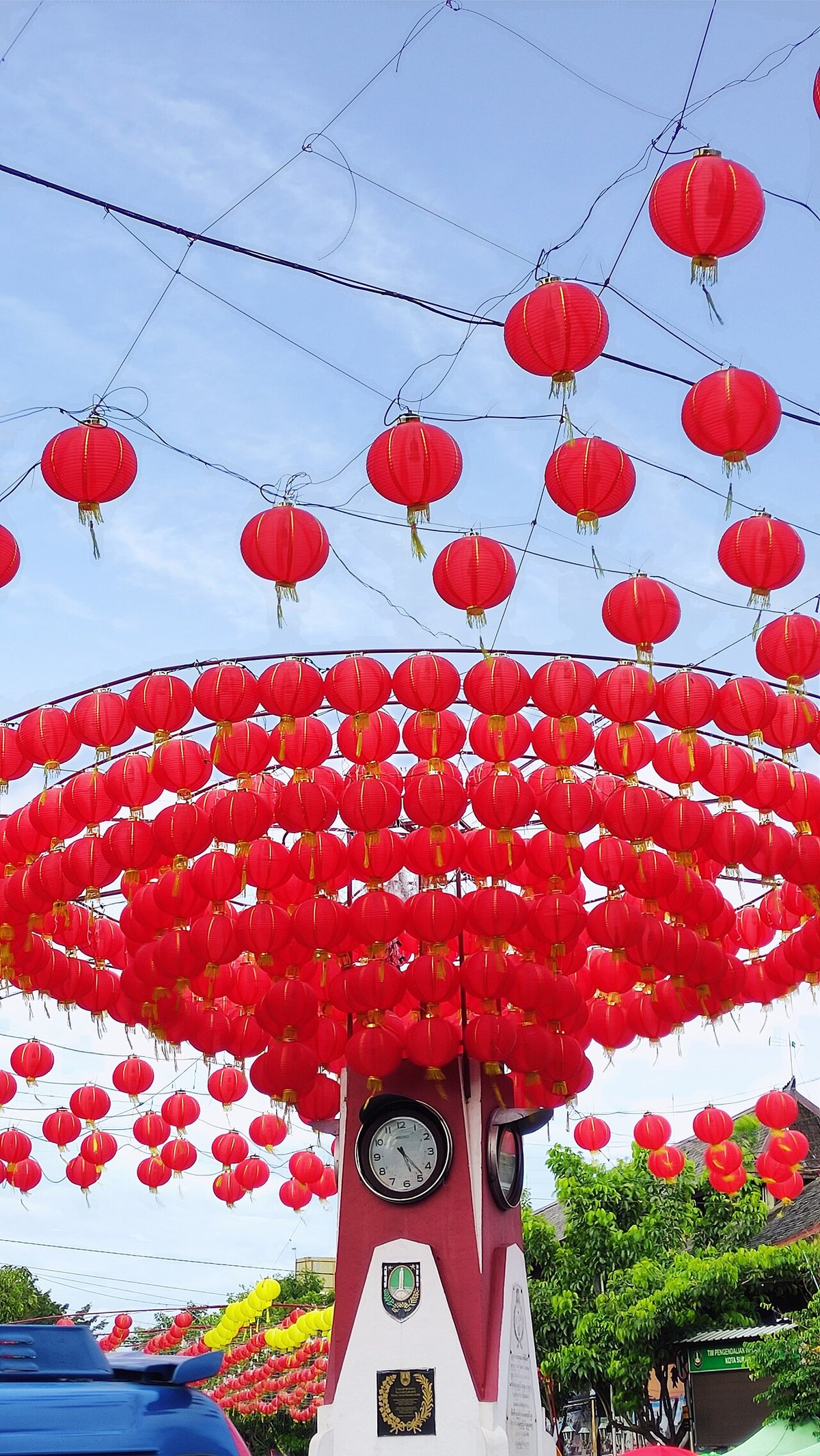
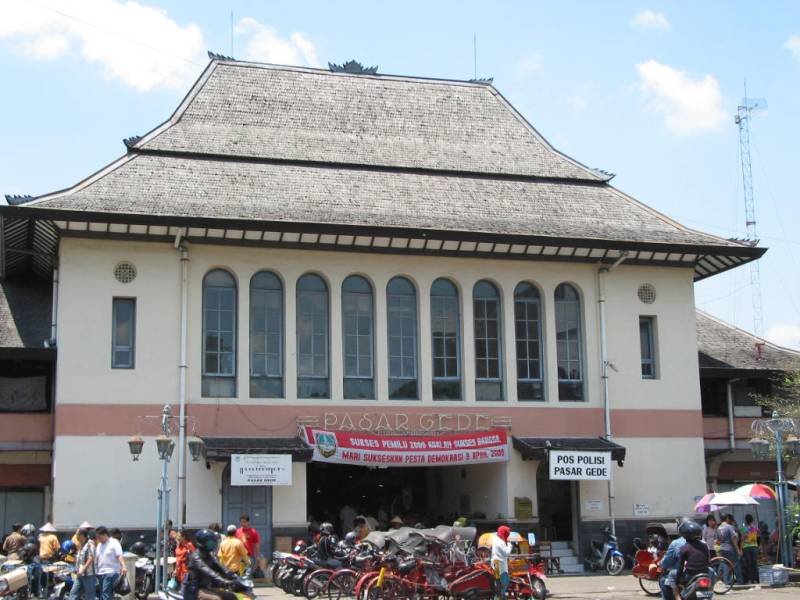
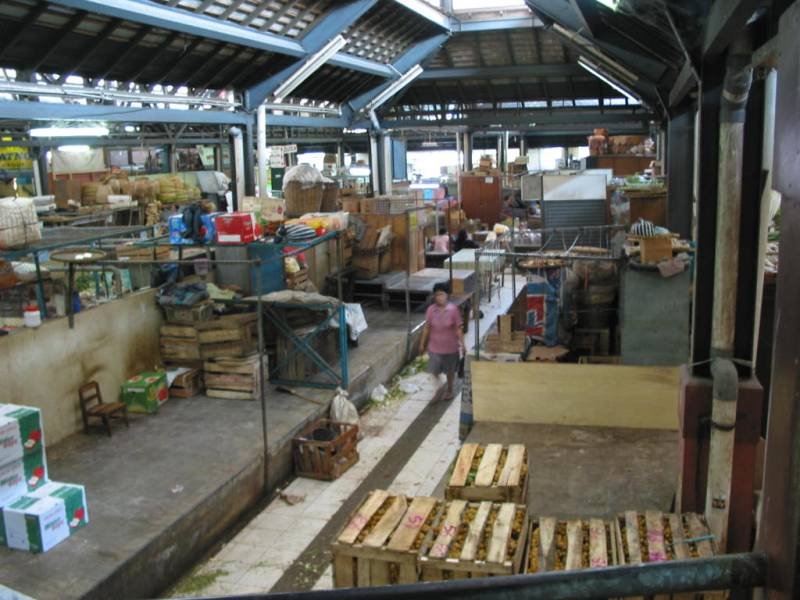
Pasar Gede Hardjonagoro is far more than an ordinary traditional market. Designed by renowned Dutch architect Thomas Karsten, the structure seamlessly integrates Javanese architectural styles with Chinese elements in its roof and window designs. This fusion reflects a cultural harmony that has flourished in the area for centuries. The presence of a temple to the right of the market stands as tangible proof of community cohesion, while also serving as the central venue for the vibrant Grebeg Sudiro celebrations during every Lunar New Year. For history photography enthusiasts, the market’s main building, with its sturdy pillars and open-air ventilation, offers highly aesthetic yet functional vantage points for documentation. The blend of profound historical value with a still-thriving social fabric makes this location an essential addition to your Solo itinerary.
Experiences to Enjoy
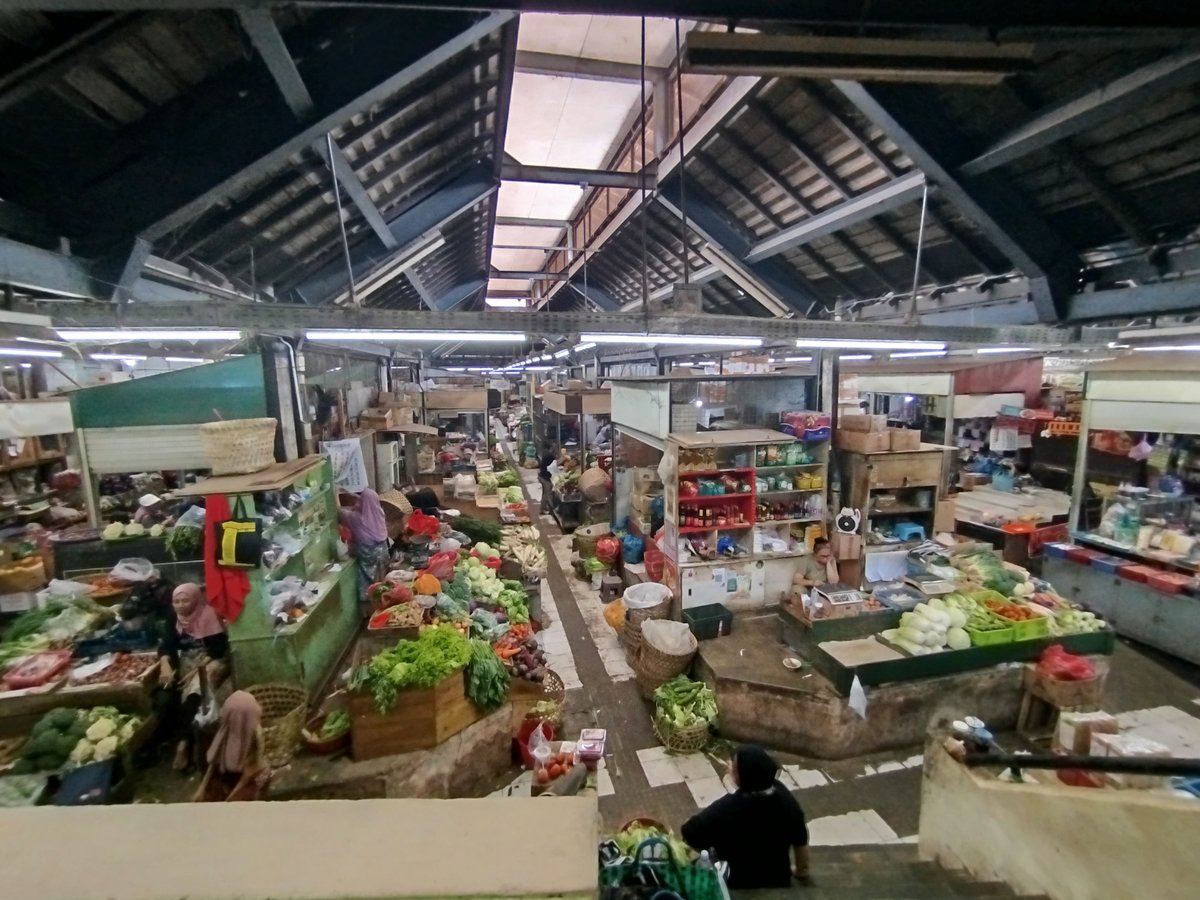
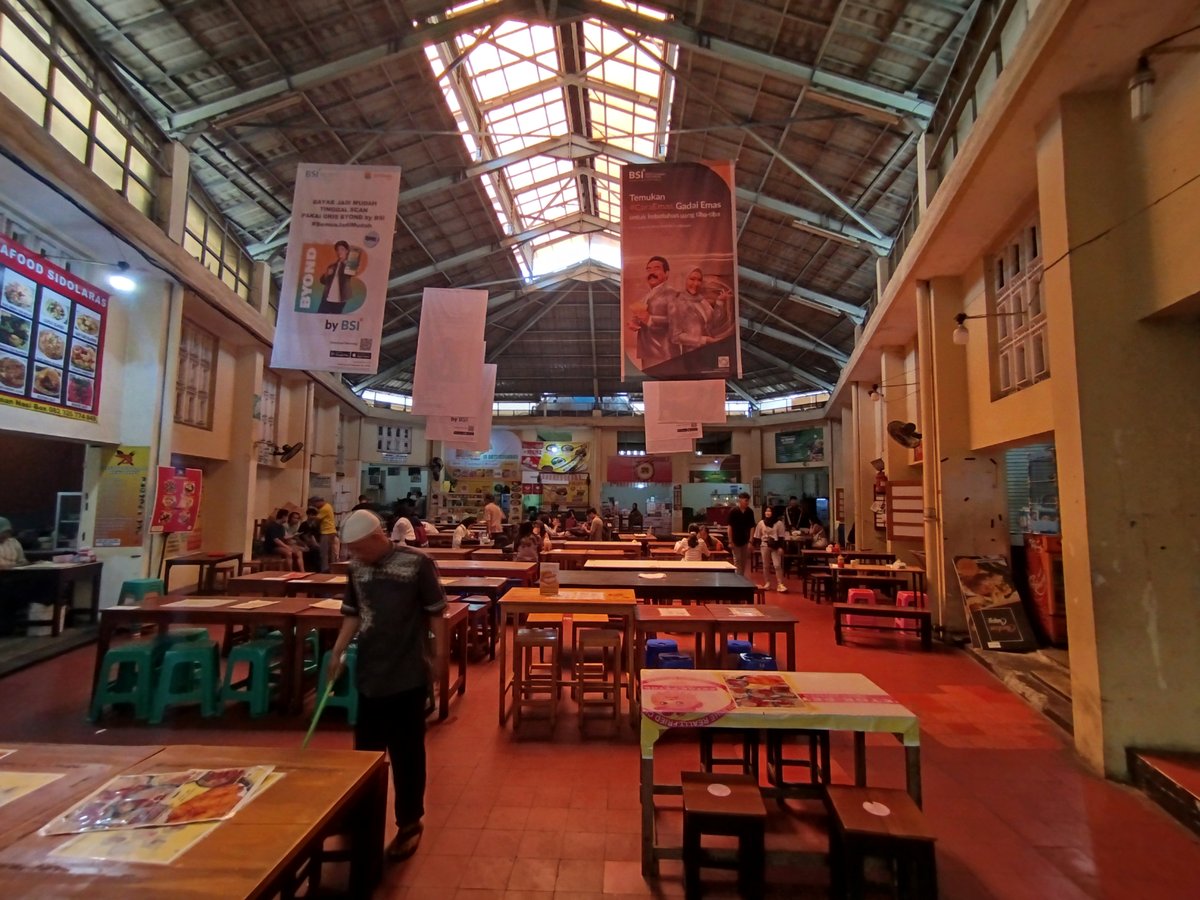
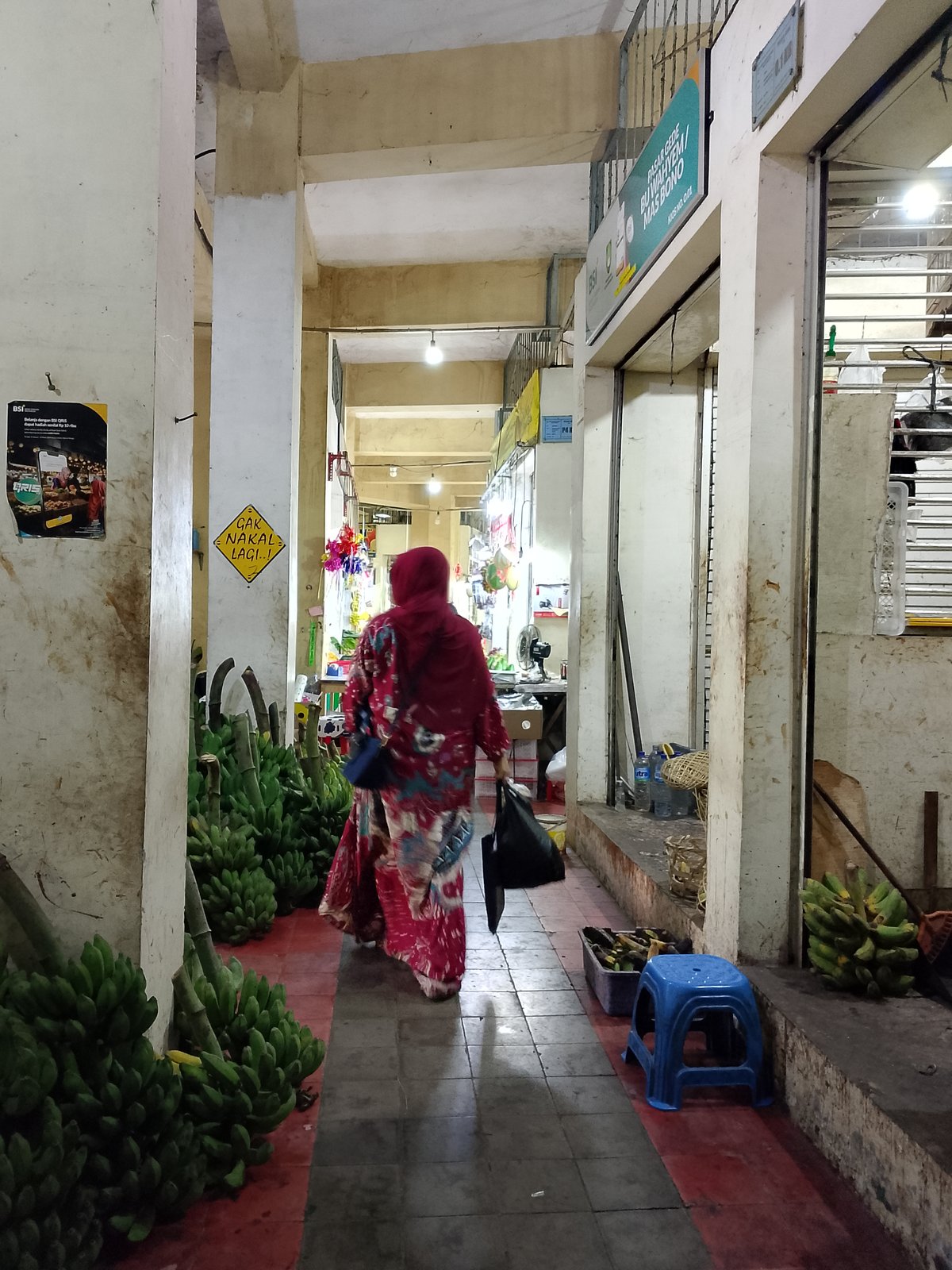
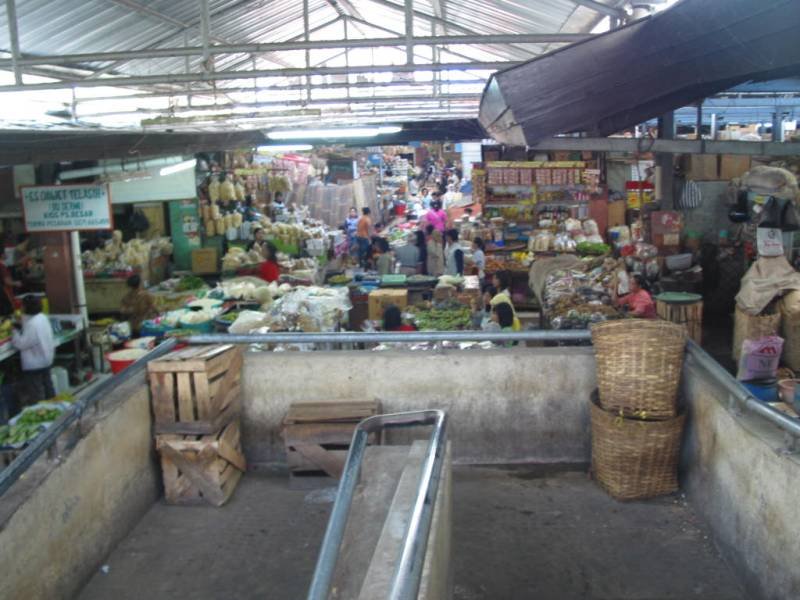
As a visitor, you will be invited to stroll through neatly organized yet dynamically active market aisles. You can engage directly with local vendors, who are known for their friendliness and respect for polite bargaining practices. Exploration is not limited to the ground floor, as an additional culinary area on the second level offers a nostalgic classic atmosphere featuring traditional home-style dishes that are sure to stimulate the appetite. You can also observe the market’s daily rhythm, from the morning arrival of vegetable and fish suppliers to the afternoon shopping activities of residents stocking up on household necessities. For those who enjoy documenting everyday life, the interactions between sellers and buyers here provide abundant, authentic visual inspiration.
Culinary Offerings
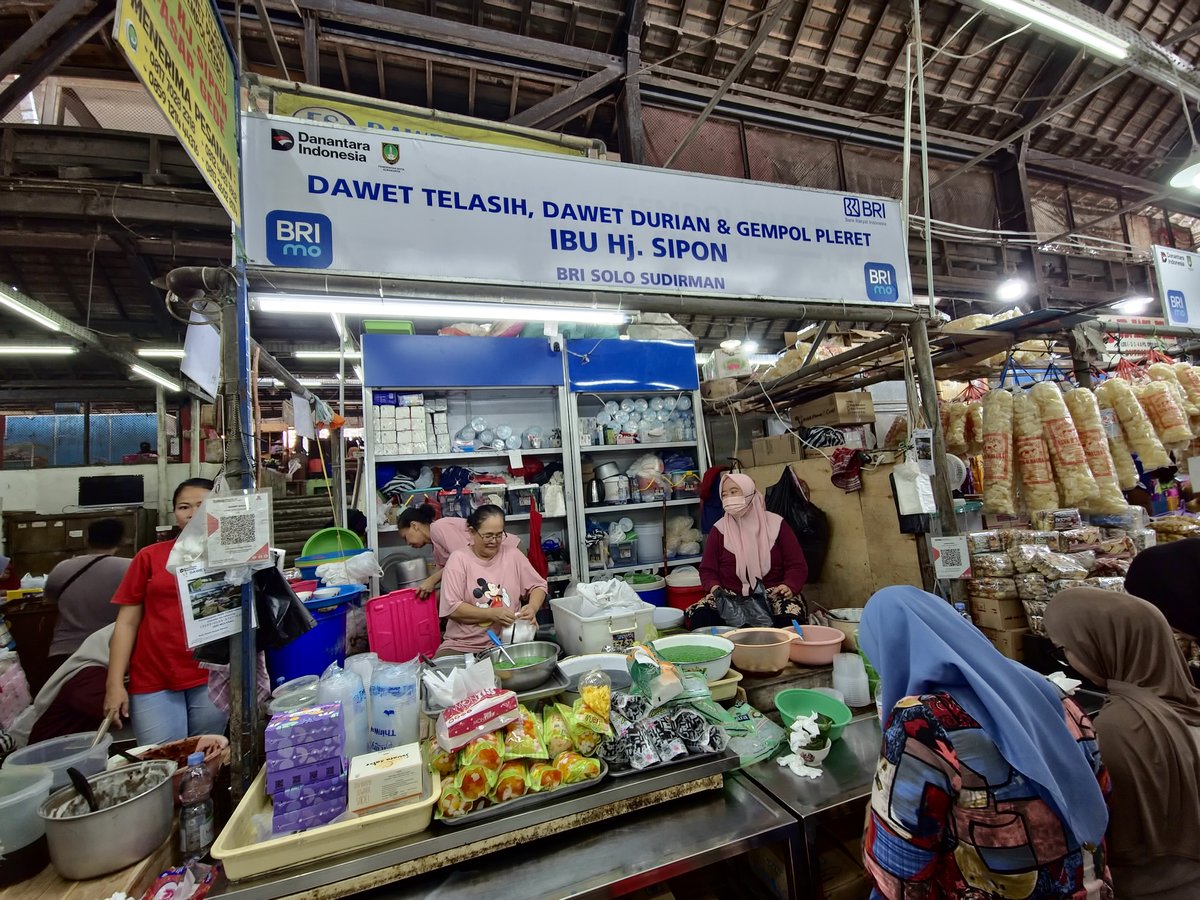
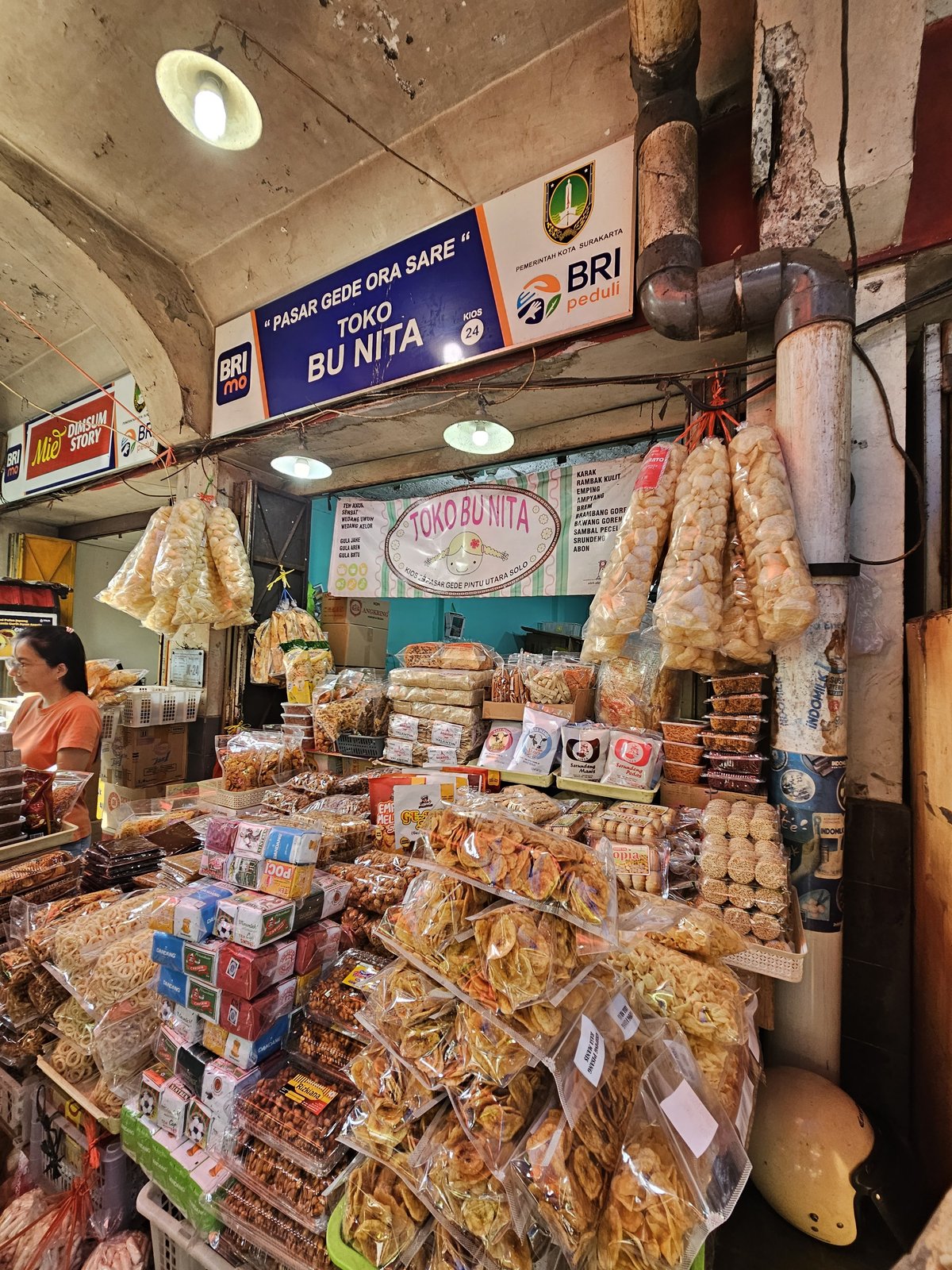
This area is widely recognized as a paradise for traditional Solo cuisine. The most legendary and highly sought-after menu by visitors is dawet telasih, easily found at both the entrance and within the market aisles. Highly recommended variants include Dawet Telasih Hj. Sipon, known for its perfectly balanced sweetness and smooth dawet texture, as well as Dawet Telasih Bu Dermi, which boasts a distinctive flavor profile with a slightly sweeter taste. For those who enjoy fruit variations, Es Dawet Ngangeni enhances the drink’s refreshing quality with added jackfruit pieces. Beyond dawet, you can also find a variety of Solo specialties such as nasi liwet, tengkleng, timlo, brambang asem, and sosis solo. Fresh fried snacks are also available at the side entrance area at affordable prices. Please note that some food stalls in this area lack halal certification, so you are advised to inquire about ingredient composition with vendors before consumption.
Pricing and Admission
There are no special fees required to enter the Pasar Gede Hardjonagoro complex, as the site is freely accessible with no admission ticket. All commercial transactions within the market are highly affordable, ranging from daily necessities, fresh fruits, and clothing to traditional snacks. The average price for food and beverages in this area ranges from IDR 5,000 to IDR 50,000 per serving, depending on the menu type and stall location you choose. Payment systems have also become increasingly convenient; you can pay using debit cards or mobile NFC payments, which are now widely accepted at various culinary stalls and souvenir shops throughout the market complex.
Operating Hours
Pasar Gede Hardjonagoro operates twenty-four hours a day, seven days a week. Although technically open around the clock, commercial and culinary activities are most vibrant from morning until midday. During the afternoon and evening hours, visitor numbers tend to decline, but you can still enjoy a quieter, more relaxed atmosphere. It is recommended to plan your visit between early morning and 11:00 AM to witness the market at its most dynamic peak and to ensure the full availability of culinary menus.
Getting There
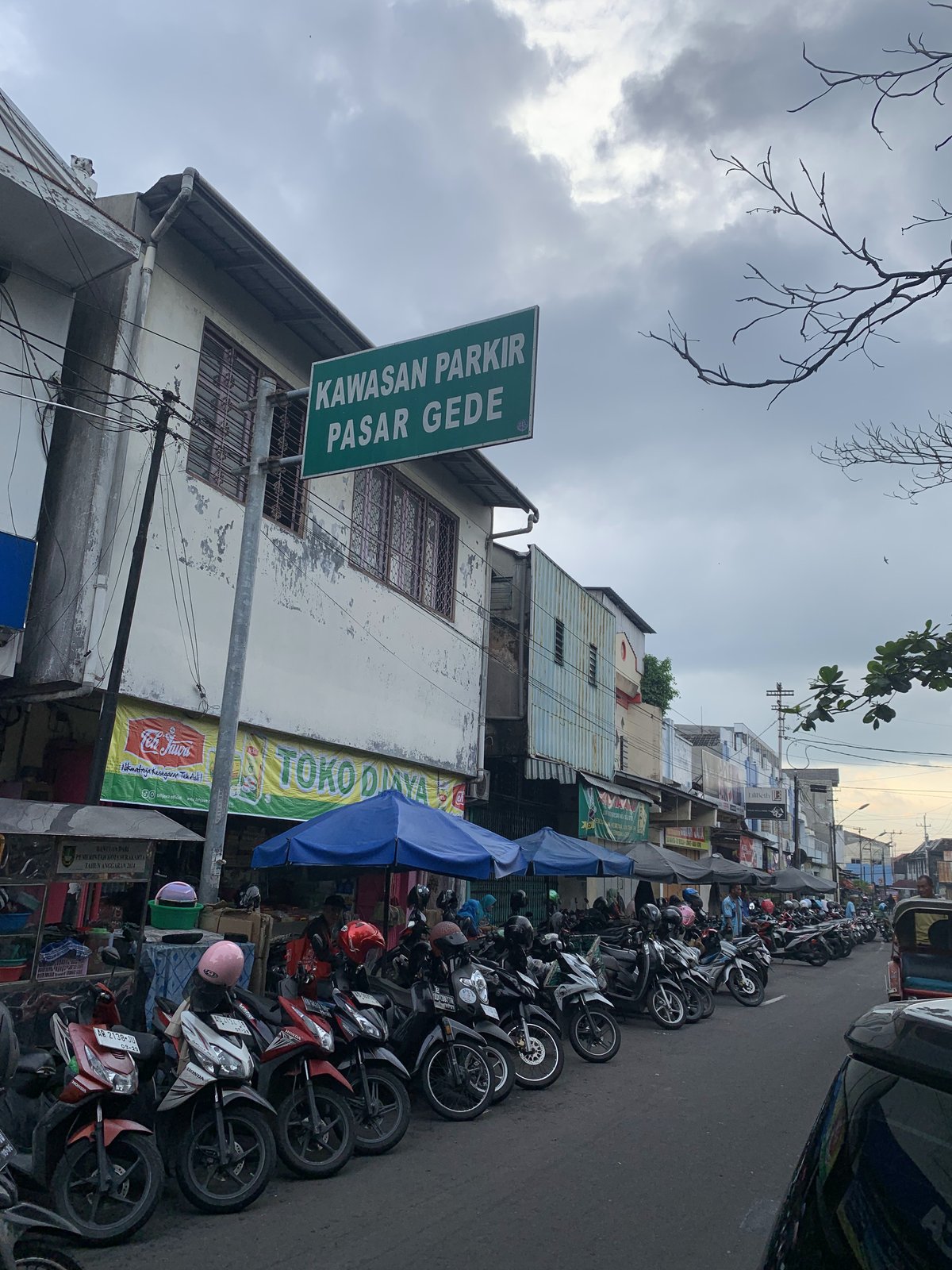
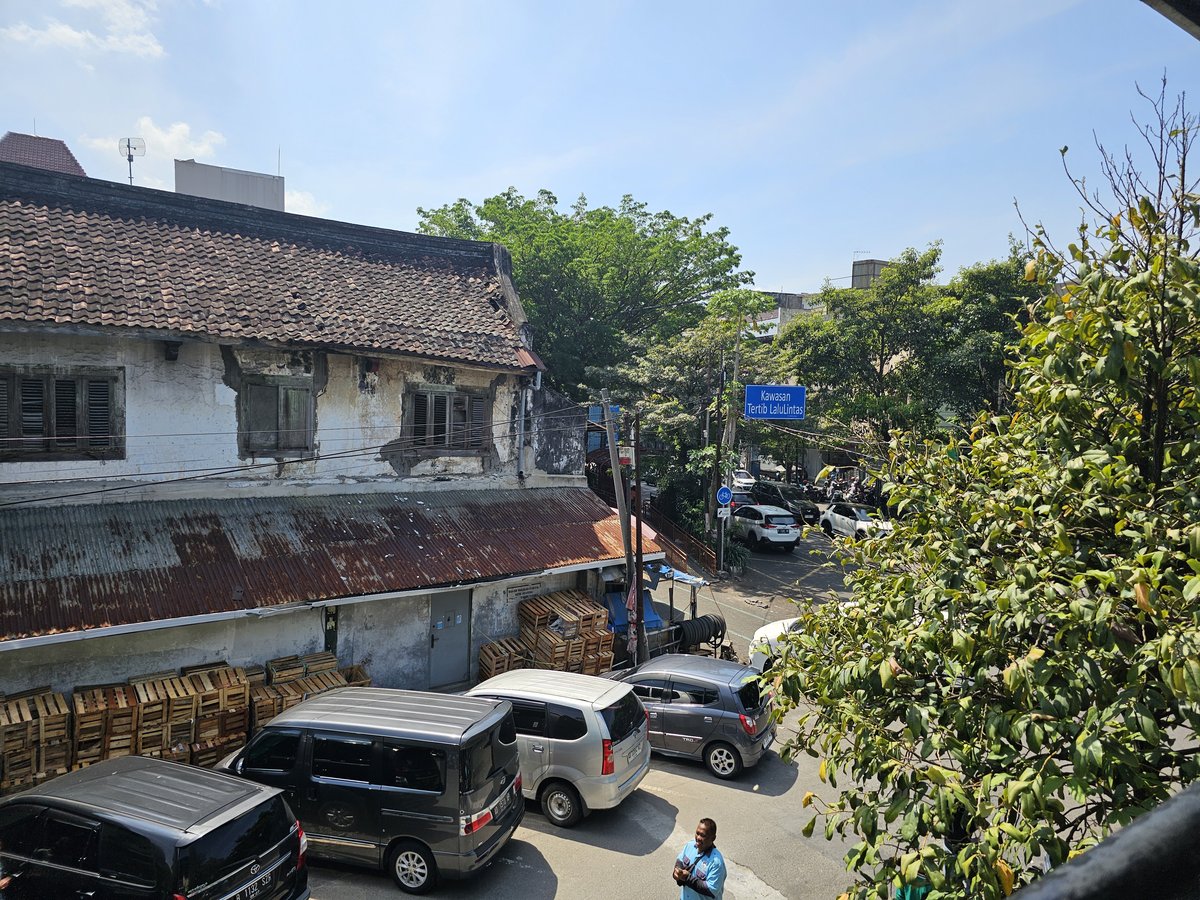
Pasar Gede Hardjonagoro is located at Jl. Jend. Urip Sumoharjo, Sudiroprajan, Jebres District, Surakarta City, Central Java 57129. This strategic location is easily accessible from various points within and outside Solo City. You can reach the area using either private vehicles or public transportation. For drivers, paid parking areas are available near the market entrances, with sufficient capacity for cars and motorcycles. Primary road access also simplifies navigation from terminals, train stations, or the airport. These coordinates and address are fully integrated with major digital mapping applications for real-time route guidance. With robust infrastructure and a central city location, locating this destination will be straightforward throughout the Surakarta metropolitan area.
Practical Tips for Visitors
To ensure a smooth and comfortable visit, please keep a few practical considerations in mind. Arrive in the morning to experience the market at its most authentic and to access the full range of culinary offerings. Carry small-denomination cash as a backup, although many vendors now accept digital payments. Wear comfortable clothing and consider bringing a hat or umbrella during midday visits, as the open-air ventilation allows for significant sun exposure. If traveling with companions who require halal-certified food, do not hesitate to ask vendors directly about their ingredients. Take the opportunity to explore the adjacent building, which features an upper-level food court offering a wider selection of fresh fruits. Finally, maintain environmental cleanliness by disposing of waste in designated bins, ensuring that this market tourism experience remains preserved for future generations.
Visitor Reviews
"The market is lively and bustling. It is truly a paradise for dawet telasih, as numerous vendors sell it and nearly all of them are delicious. The Dawet Telasih Hj. Sipon is incredibly refreshing, with perfectly balanced sweetness and a smooth dawet texture."
"When discussing the culinary and cultural icons of Solo City, a visit to Pasar Gede Solo feels incomplete without experiencing it firsthand. This legendary traditional market is not merely a place for commerce; it is also a historical witness, a cultural hub, and a culinary paradise that thrives from morning until midday. The Pasar Gede building itself holds strong appeal. Its architecture, characterized by colonial heritage with Javanese influences and designed by a famous Dutch architect, creates an atmosphere that feels classic yet remains highly functional."
"Pasar Gedhe, designed by Thomas Karsten, masterfully blends Chinese and Javanese elements. The Chinese architectural influence is evident in the roof shapes and window openings, while the Javanese style is reflected in the tiered roof structure and overall building form. This harmonious fusion also accommodates the Chinese and Javanese ethnic communities that have long inhabited the Pasar Gedhe area."
"I visited here during a public holiday at midday, and it was not too crowded, allowing for a relaxed meal. The food options were somewhat limited, likely because it was a holiday and not all stalls were open. The interior of the market had a slight unpleasant odor, but it was confined to specific sections only."
"A traditional classic market, a heritage site that has existed for hundreds of years. There is a hidden gem culinary spot on its second floor that serves mouthwatering dishes, combined with a vintage, old-school atmosphere that evokes an aesthetic and captivating sense of nostalgia."
Overall, Pasar Gede Hardjonagoro is a destination that offers a comprehensive experience, ranging from historical education and warm social interactions to authentic local cuisine. It caters to all demographics, whether you are seeking traditional souvenirs, architectural photography enthusiasts, or travelers wishing to immerse themselves in the daily life of Solo residents. Backed by a 4.6 rating and thousands of positive reviews, this location has firmly established itself as a cultural asset that must be preserved. You are guaranteed a profound impression and compelling reasons to revisit this area on future trips.