Located in the Sewu area, Wungu District, Madiun Regency, the 1948 PKI Violence Monument, more commonly known as the Kresek Monument, stands as a silent witness to one of the most significant episodes in the history of the Republic of Indonesia. This site is far more than a conventional tourist attraction; it serves as a reflective space that preserves the collective memory of the 1948 events and the government's efforts to restore national order. The lush, tree-lined surroundings create a tranquil atmosphere, yet within this serenity lies a heavy, deeply meaningful narrative of struggle. Visiting this location invites you to personally trace the footsteps of history, comprehend the complexities of the past, and appreciate the national stability that has been safeguarded to this day.
📸 Photo Gallery
Why Visit This Site
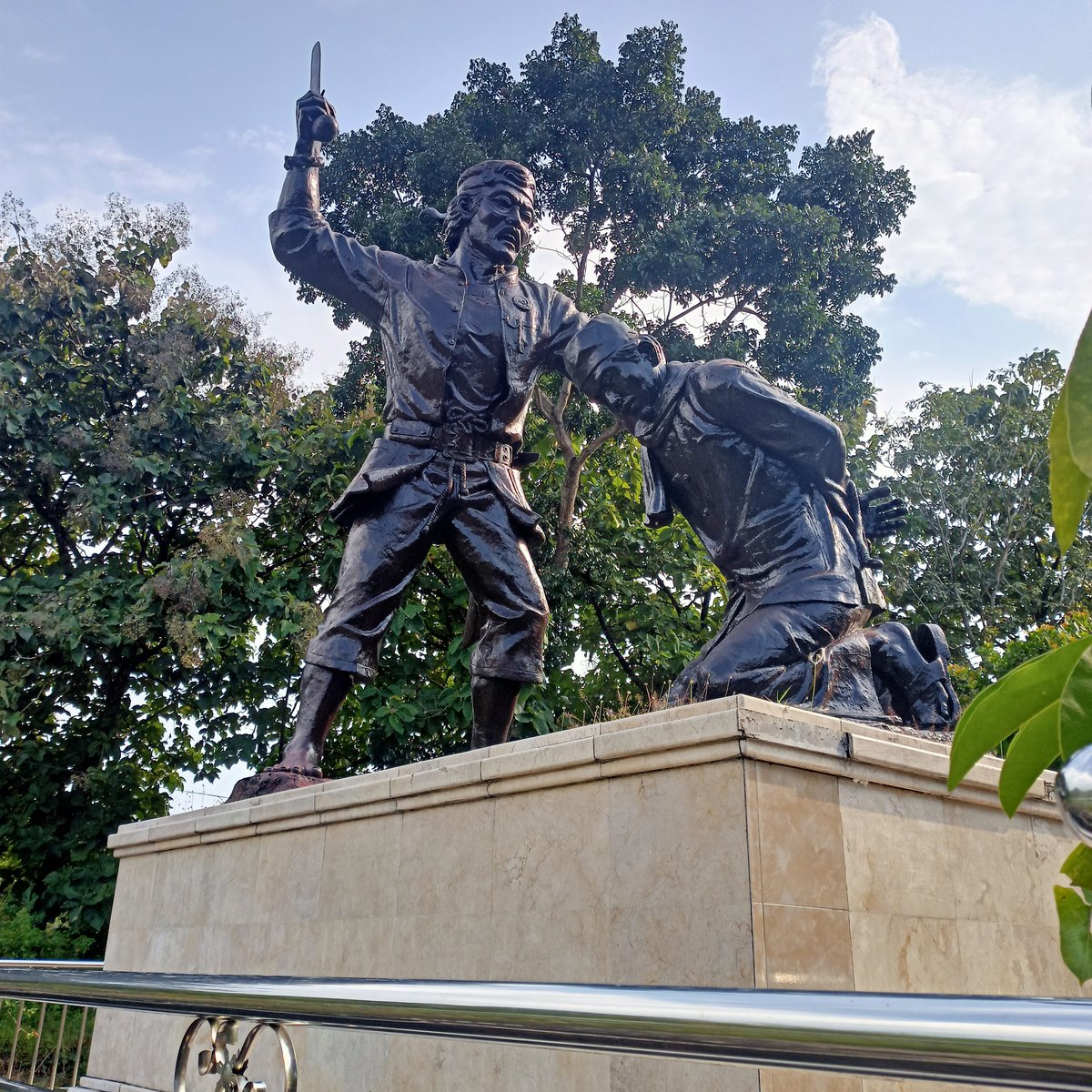
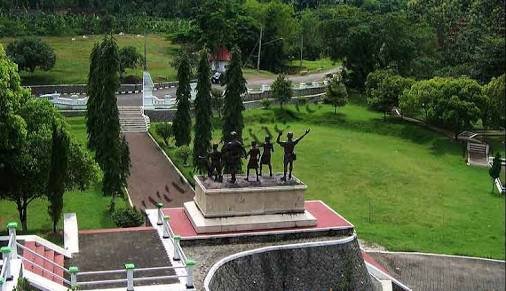
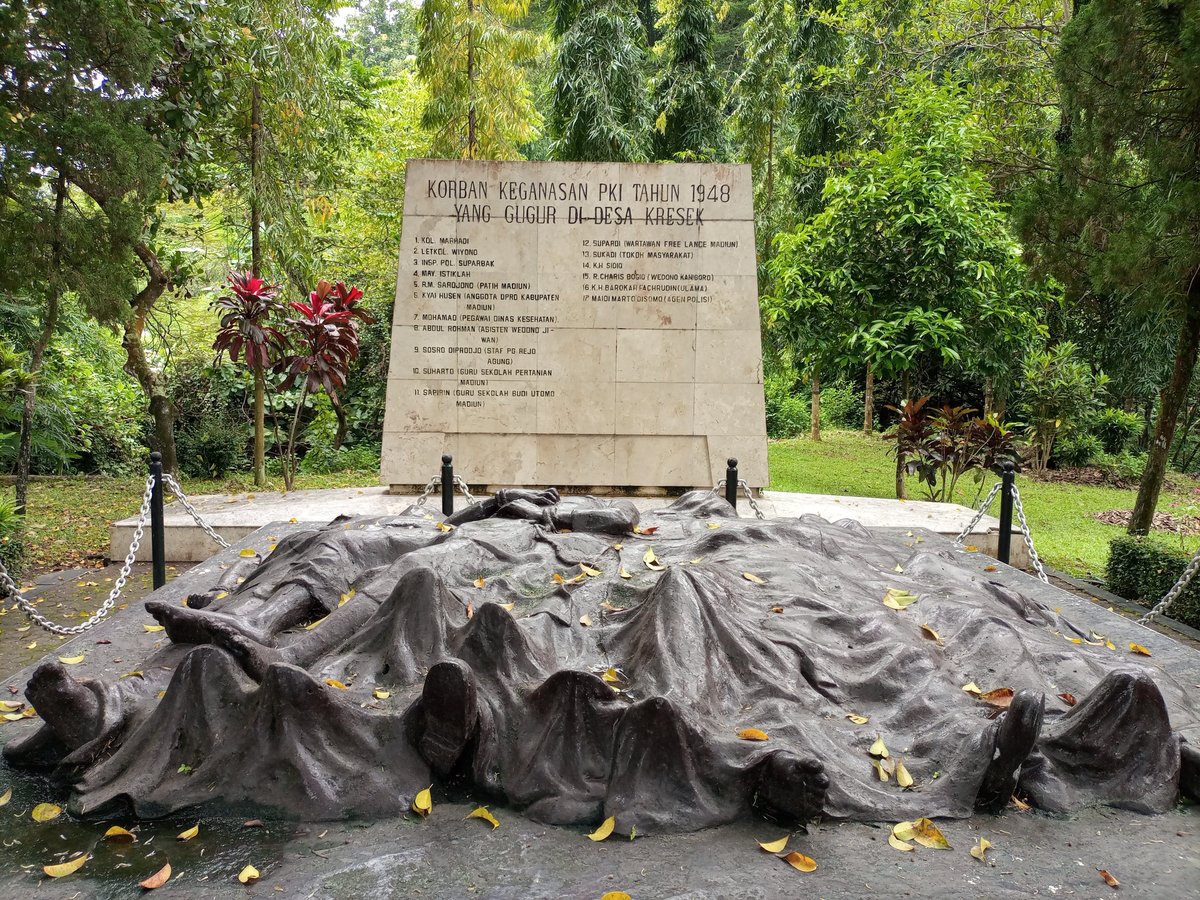
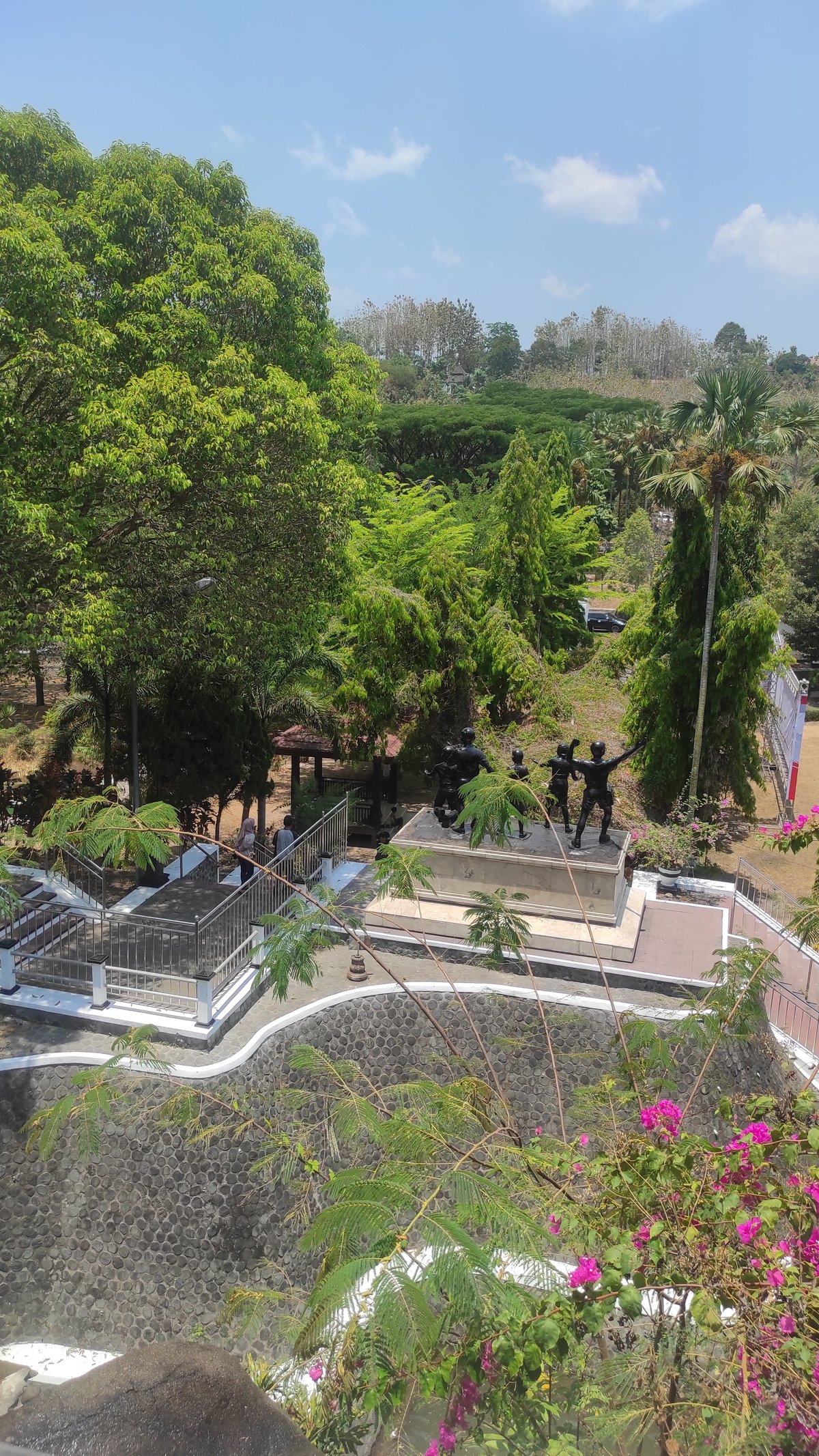
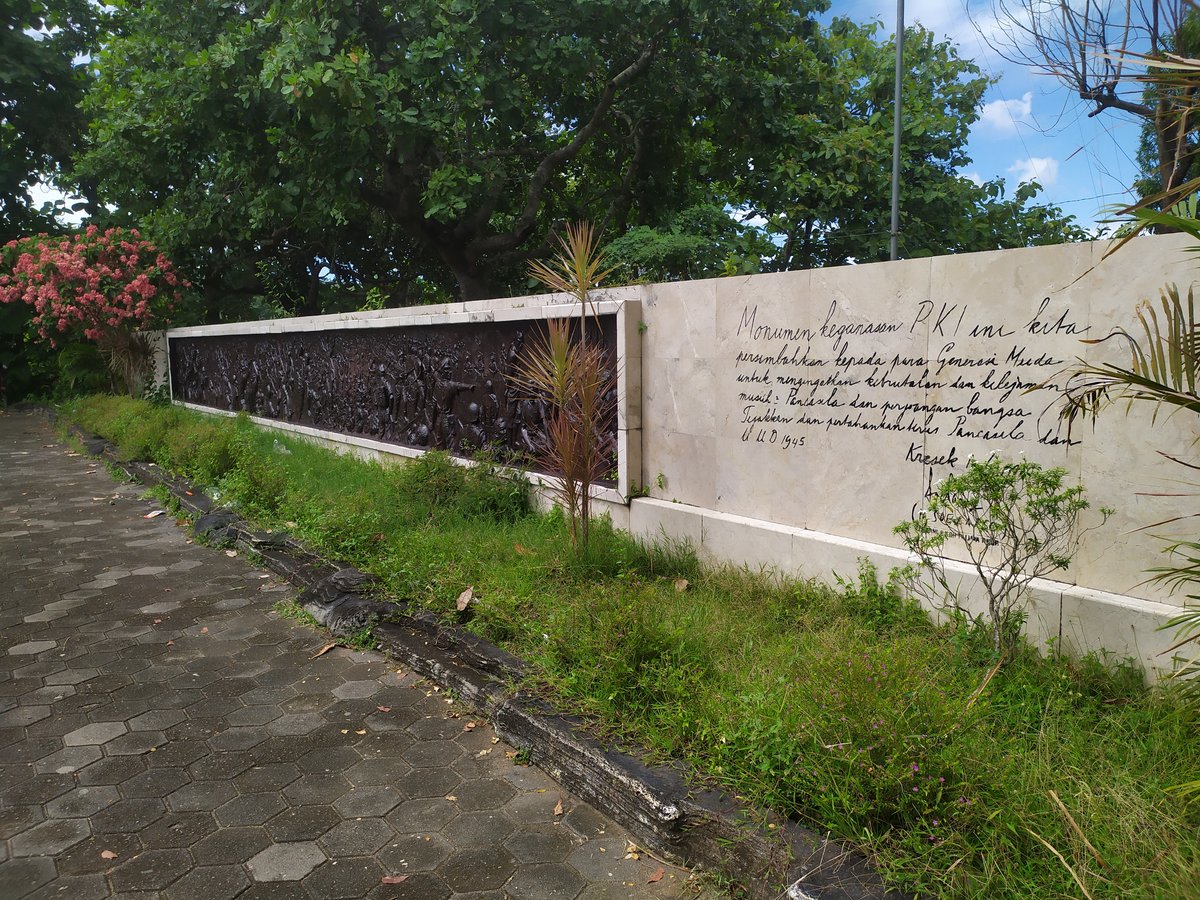
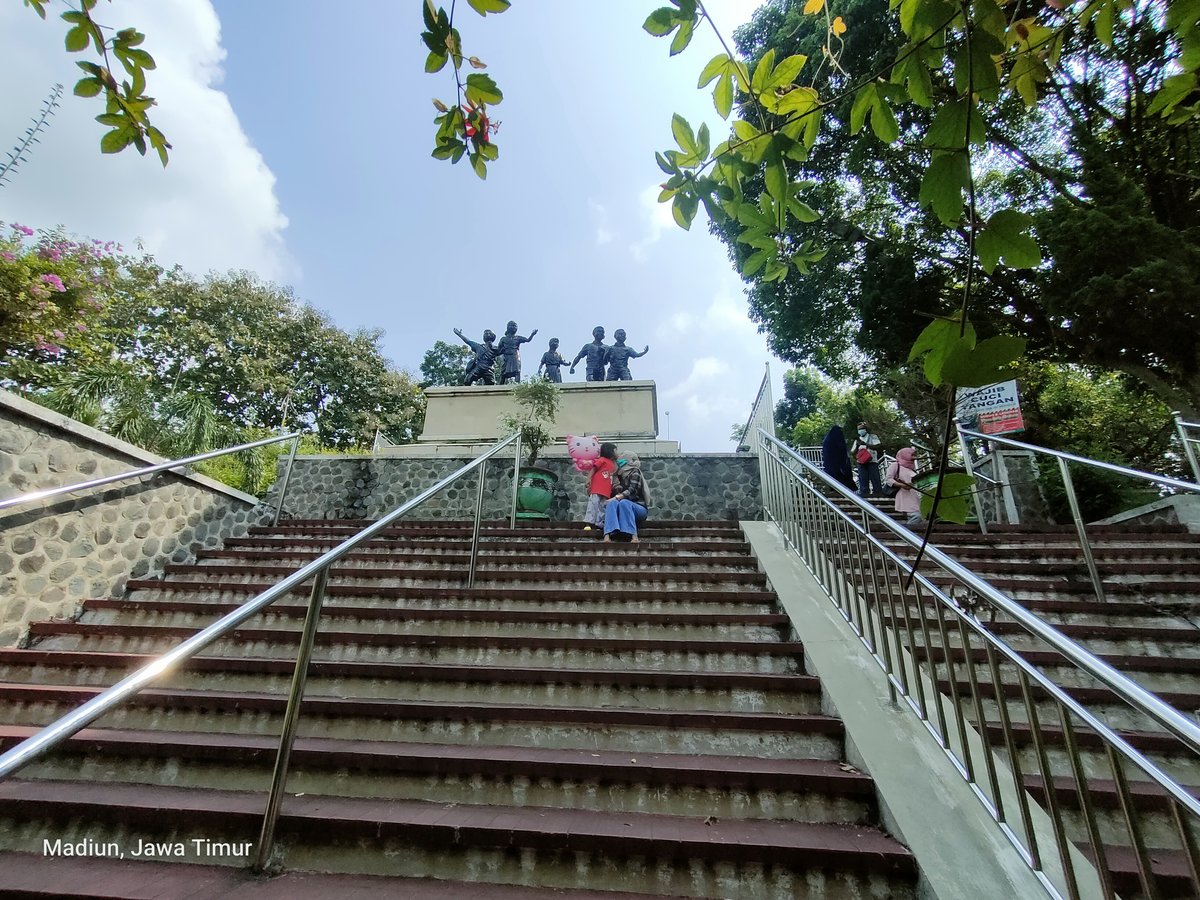
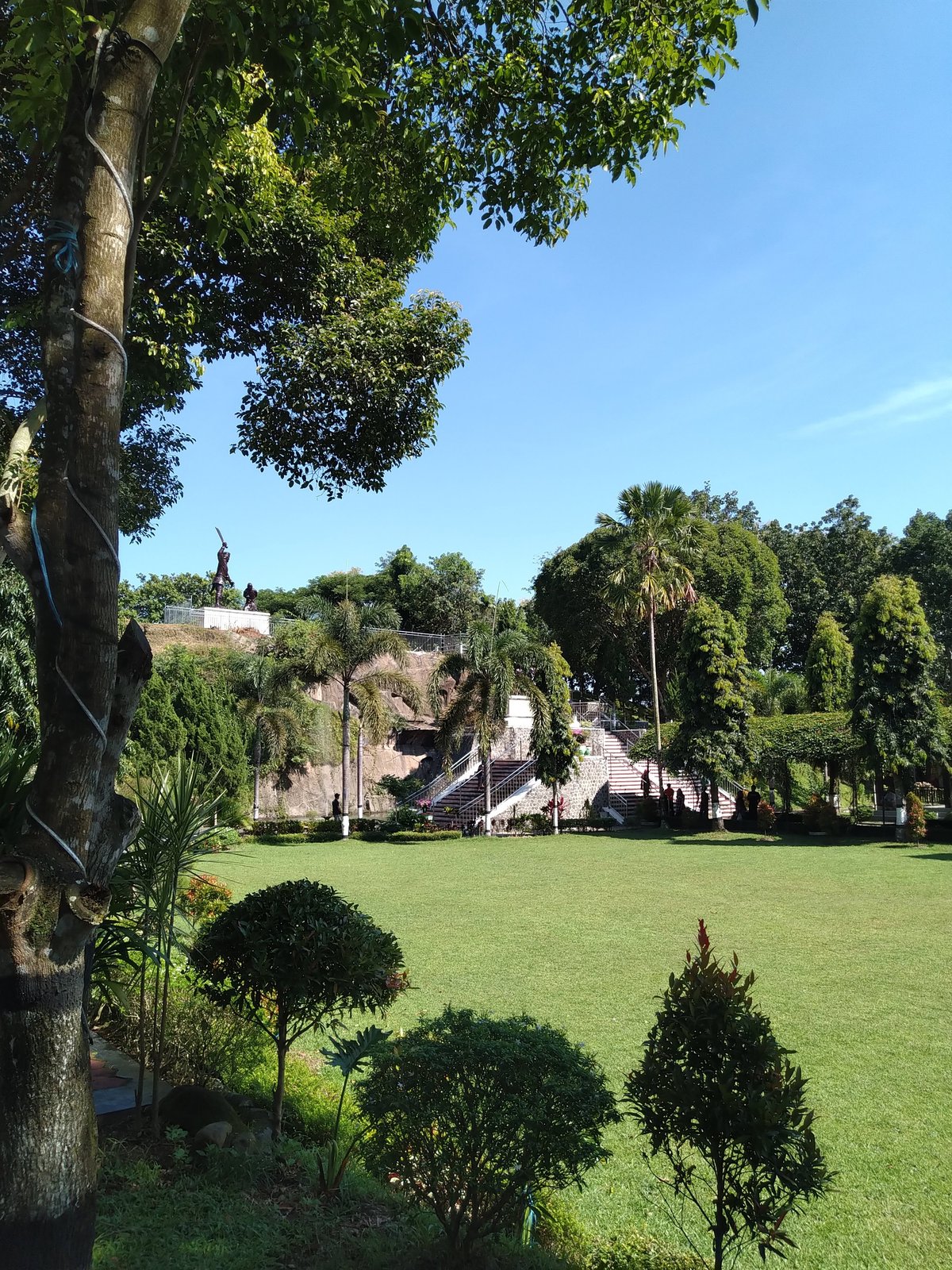
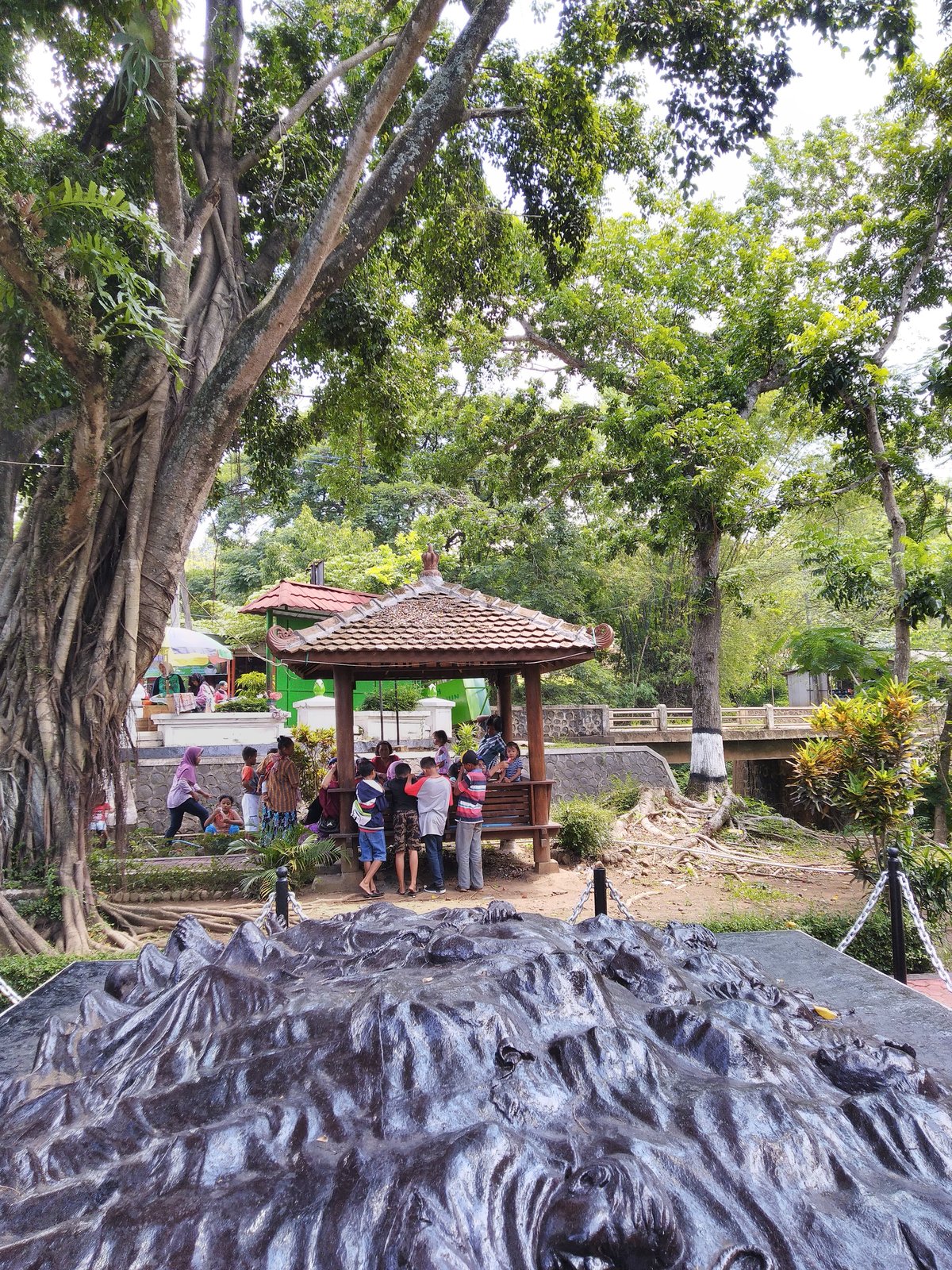
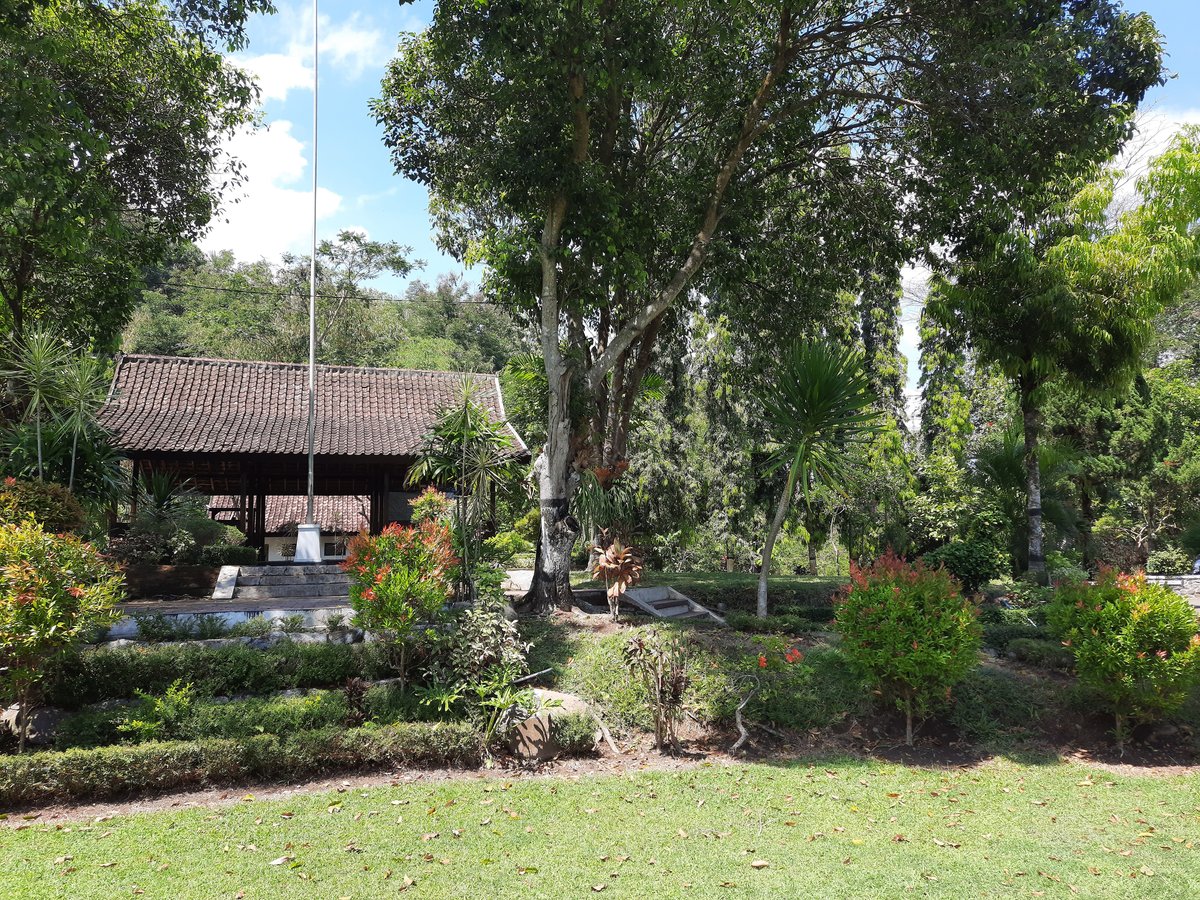
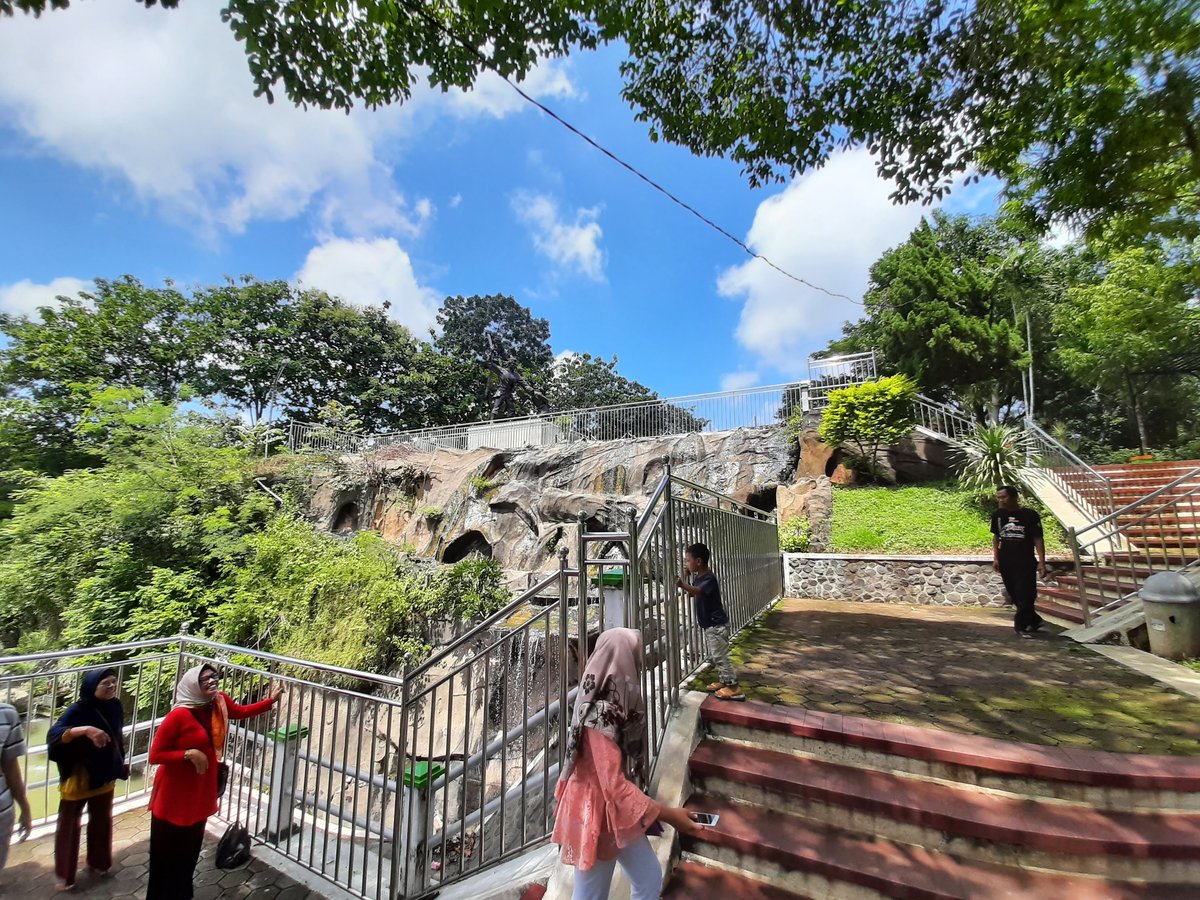
The Kresek Monument offers a historical perspective rarely found at conventional tourist destinations. Its focal point is a gleaming bronze statue depicting Musso in a dramatic pose, accompanied by a relief panel behind it that captures the dynamics of the 1948 conflict. In front of the main statue, a sculpture of victimized children demanding justice creates a powerful, emotionally resonant visual composition. The complex also features a stone memorial pillar honoring the victims, a well that was historically used for disposing of bodies, and a pendopo (traditional open pavilion) that once served as a rebel headquarters. The unique architecture and layout, which skillfully utilize the cliff's contour, make the historical learning experience more immersive and visually accessible.
Experiences to Enjoy
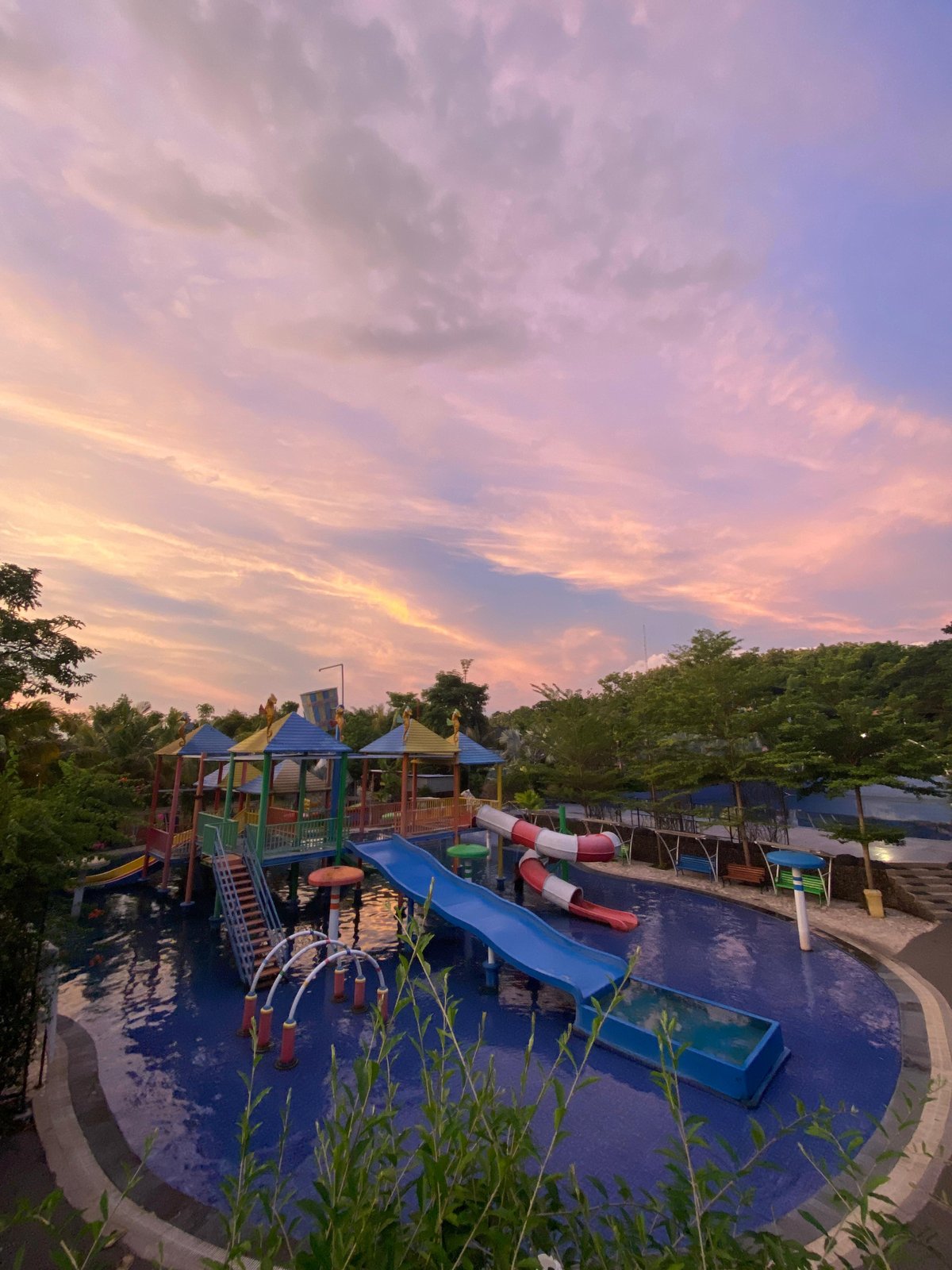
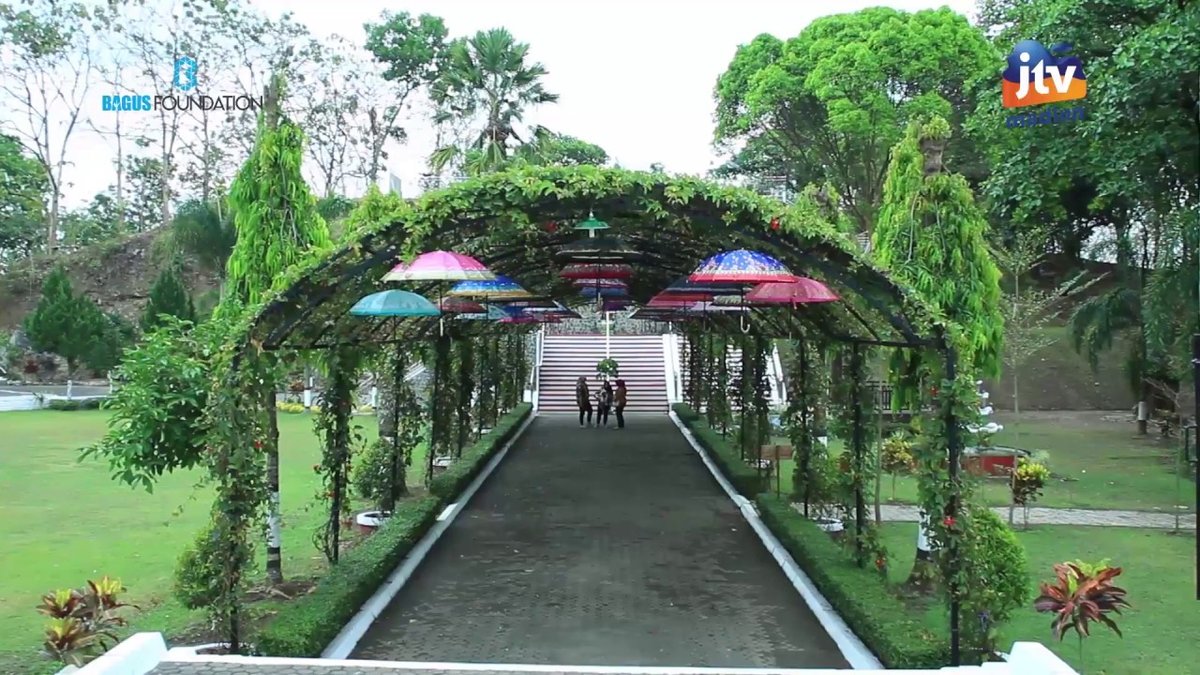
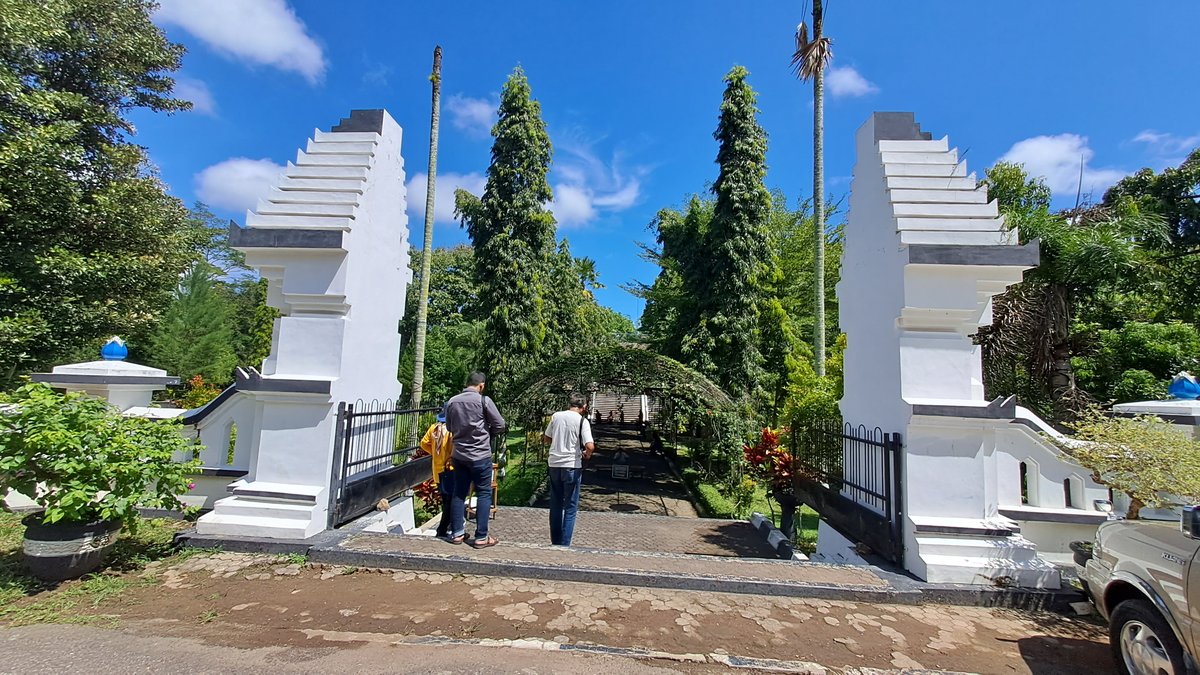
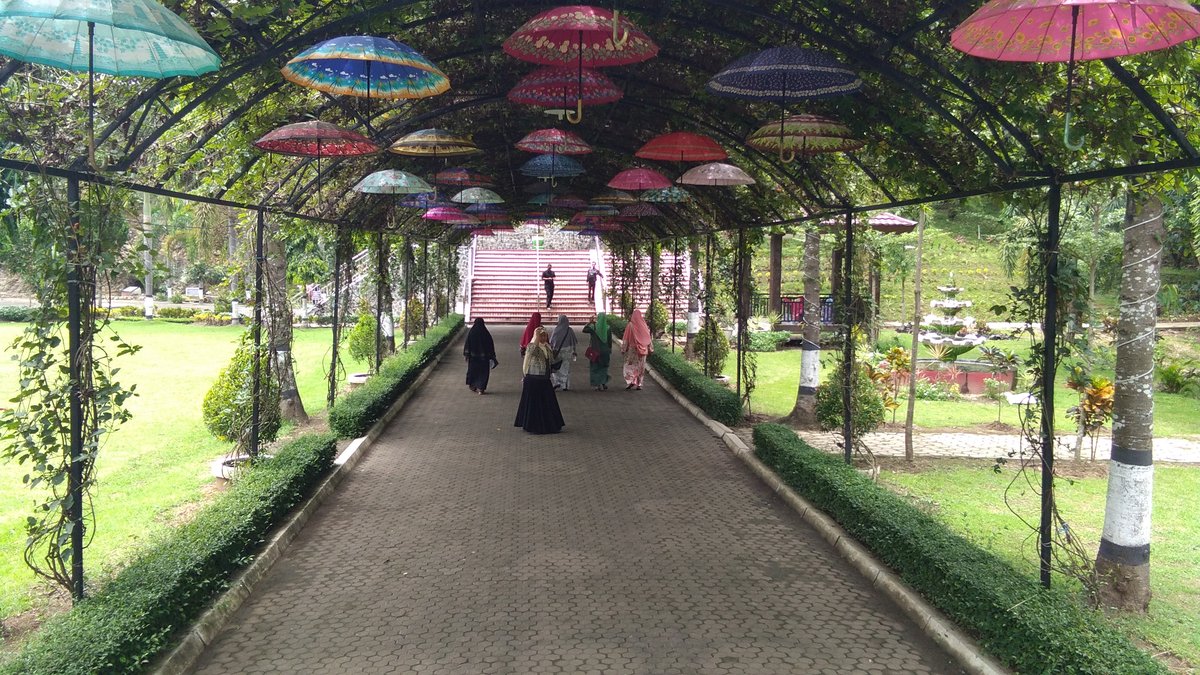
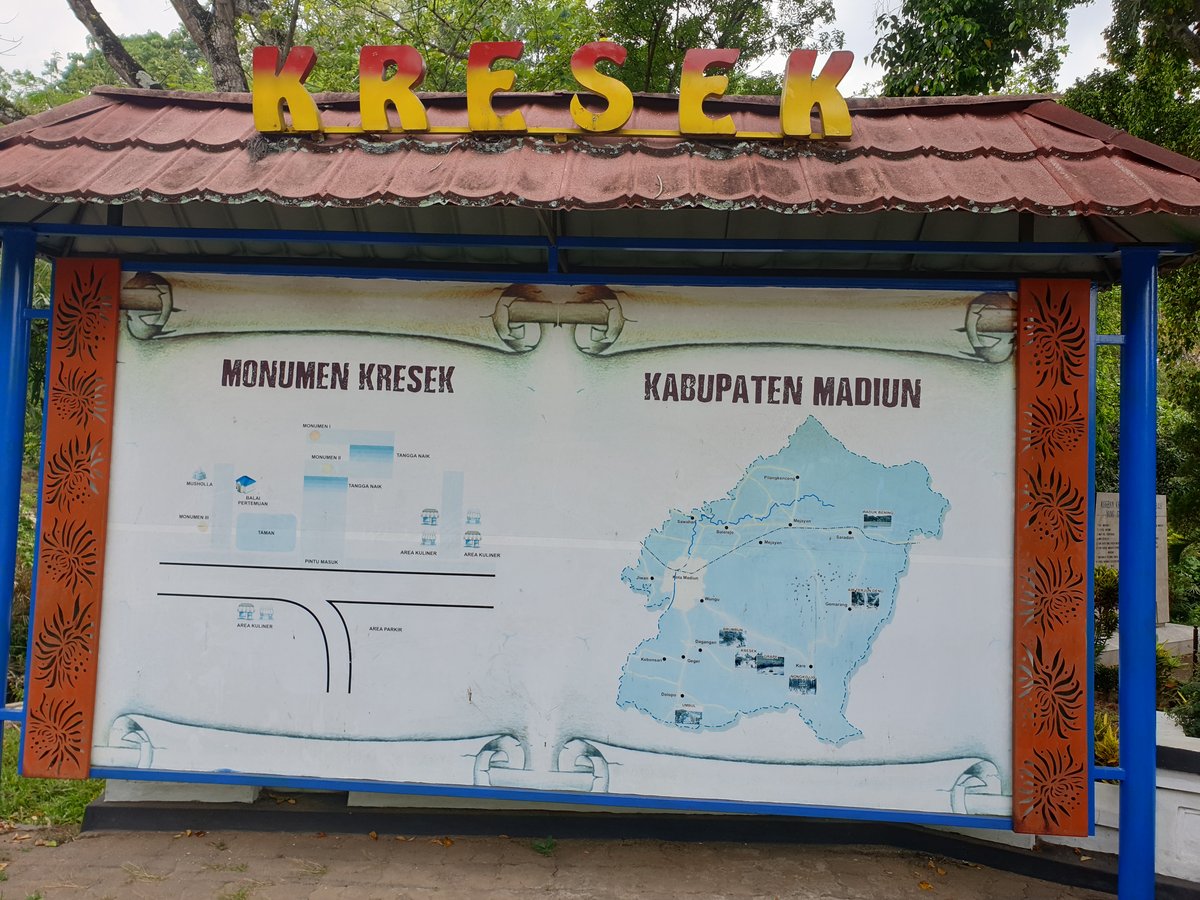
As you tour the grounds, you will ascend a staircase where the number of steps carries deep philosophical significance, leading to the main statue area perched atop the cliff. From this vantage point, you can admire the lush green panorama of Kresek while observing the informational panels and signboards placed at various locations. Explore the area below the cliff, which features a pond and the historic well, and visit the pendopo to delve deeper into the chronological sequence of events. Although the children's play area to the right of the entrance requires further maintenance, the shaded open spaces and clearly marked pedestrian pathways still provide a comfortable environment for learning and taking a brief rest.
Admission Fees and Tickets
Access to the Kresek Monument is highly affordable for all visitors. You only need to prepare Rp5,000 for the entrance ticket, which grants full access to explore the entire monument and historical garden. For private vehicles, two paid parking options are available nearby. Car parking costs Rp5,000, while motorcycle parking is only Rp2,000. For such a minimal fee, you gain access to a well-maintained historical site, educational information, and a tranquil natural setting.
Operating Hours
The Kresek Monument is open every day without exception, from 05:00 to 17:00 Western Indonesian Time (WIB). The extended operating hours allow you to plan a morning visit to avoid the midday heat, or an afternoon trip when the atmosphere tends to be cooler and more serene. Arrive early enough to comfortably explore the entire area without feeling rushed.
Getting There
The monument is located at 7JVJ+X99, Sewu, Kresek, Wungu District, Madiun Regency, East Java 63181. This strategic location is approximately a 30-minute drive from the center of Madiun city. The route to the Kresek area is generally uphill, but the asphalt road is in good, well-maintained condition, making it comfortable for both two-wheeled and four-wheeled vehicles. You can use online mapping applications or set your GPS to the full monument name for precise navigation. Near the entrance, paid parking facilities for both cars and motorcycles are readily available for your convenience.
Practical Tips for Visitors
To ensure an optimal visit, bring drinking water and wear lightweight clothing with a hat, as the monument area is open and receives direct sunlight. Wear comfortable footwear, as you will be walking up stairs and traversing a fairly large area. Carry a valid ID if you plan to request additional information at the pendopo, given that the on-site signboards are limited. Morning or late afternoon visits are highly recommended for thermal comfort and better lighting for photography. Finally, take the time to carefully read each informational panel to fully absorb the historical significance behind every sculpture.
Visitor Reviews
"The monument is well-maintained, but the playground area lacks care, with many broken and dirty facilities. Entrance fee is 5,000 IDR, car parking is 5,000 IDR."
"The main attraction is a statue depicting Musso in a dramatic pose, seemingly about to behead a religious scholar named Kiai Husen. It is highly dramatic. A glossy black statue set against the lush, green backdrop of Kresek. Behind the Musso statue, there is a relief panel illustrating the communist rebellion in Madiun and the Indonesian government's efforts to quell it."
"Initially, we spontaneously decided to visit Madiun from Sragen. After eating at Sleko Maa, our online driver offered to take us to see the sights. That day, we ended up touring Madiun... Clearly, we learned about this place and the history that took place here."
"One of the historical tourist sites in Madiun. The history is explained clearly, which broadens one's knowledge. The gardens are well-maintained."
"This site serves as a marker of a painful past. Many lives were needlessly lost due to conflicts of interest. It features statues and informational panels. It stands as a reminder for both current and future generations. The surroundings of the monument are quite cool and lush."
The Kresek Monument is far more than a simple memorial pillar; it is a living classroom that reminds you of the importance of unity and national stability. With a rating of 4.4 from over 3,633 reviews, this destination has proven itself as a worthwhile historical site. You are invited to visit, walk every path, and carry away a deeper understanding of the nation's history. Let us preserve this collective memory so that future generations may continue to draw wisdom from the past.