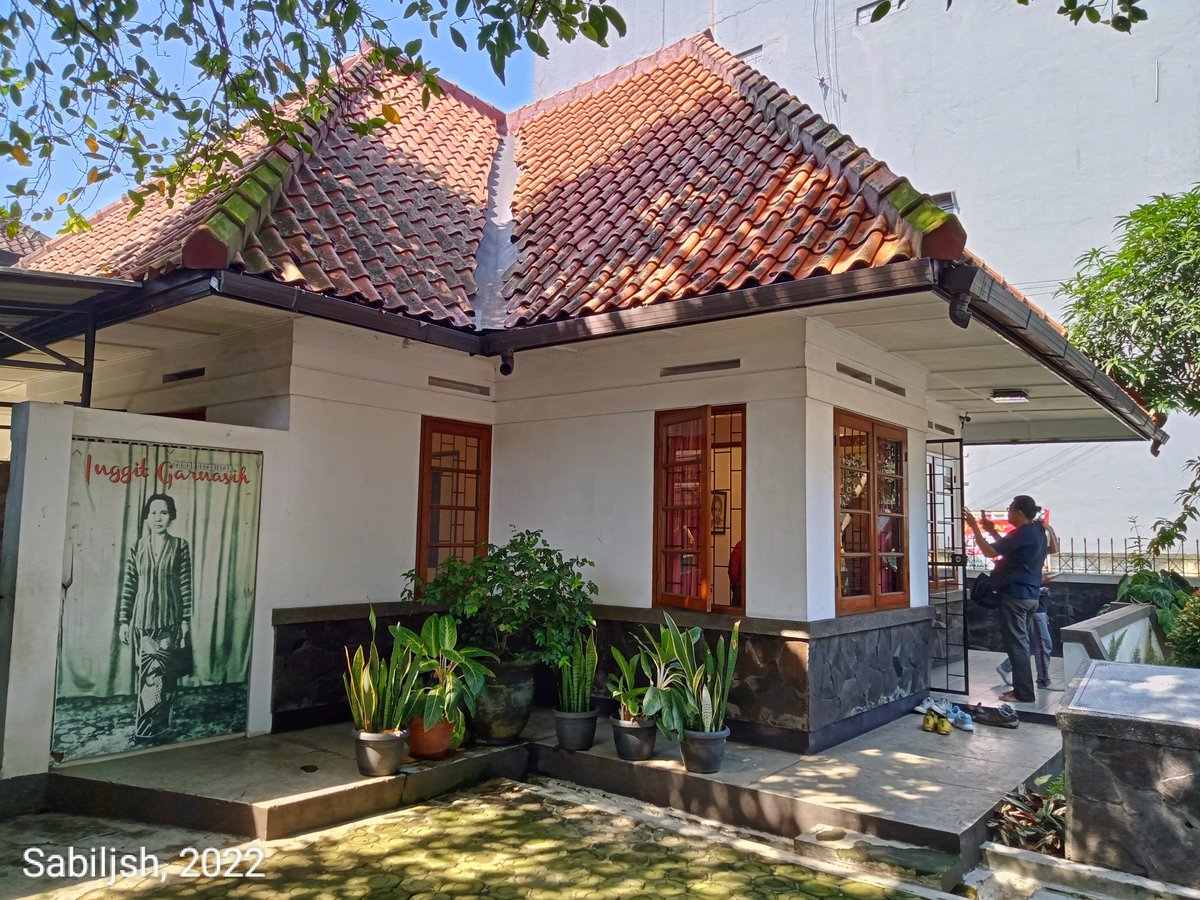
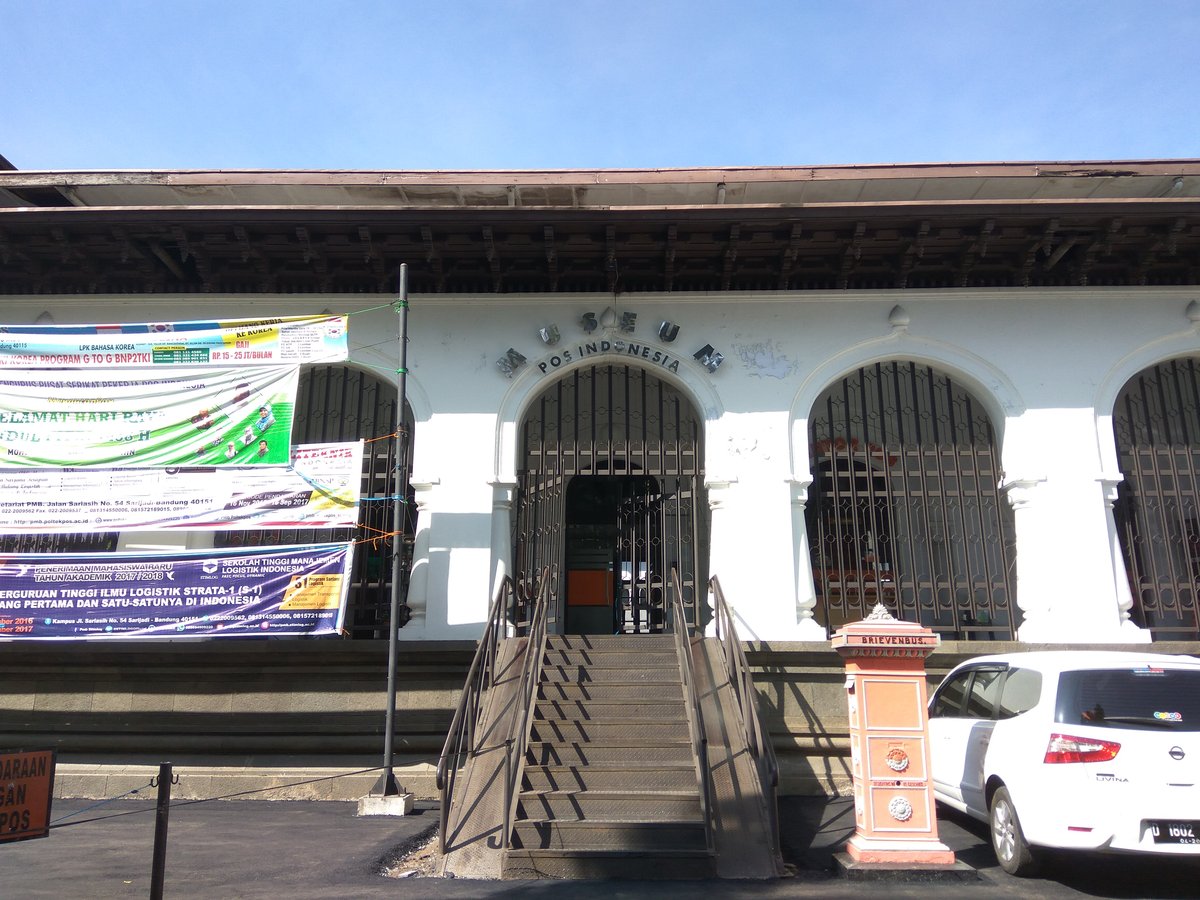
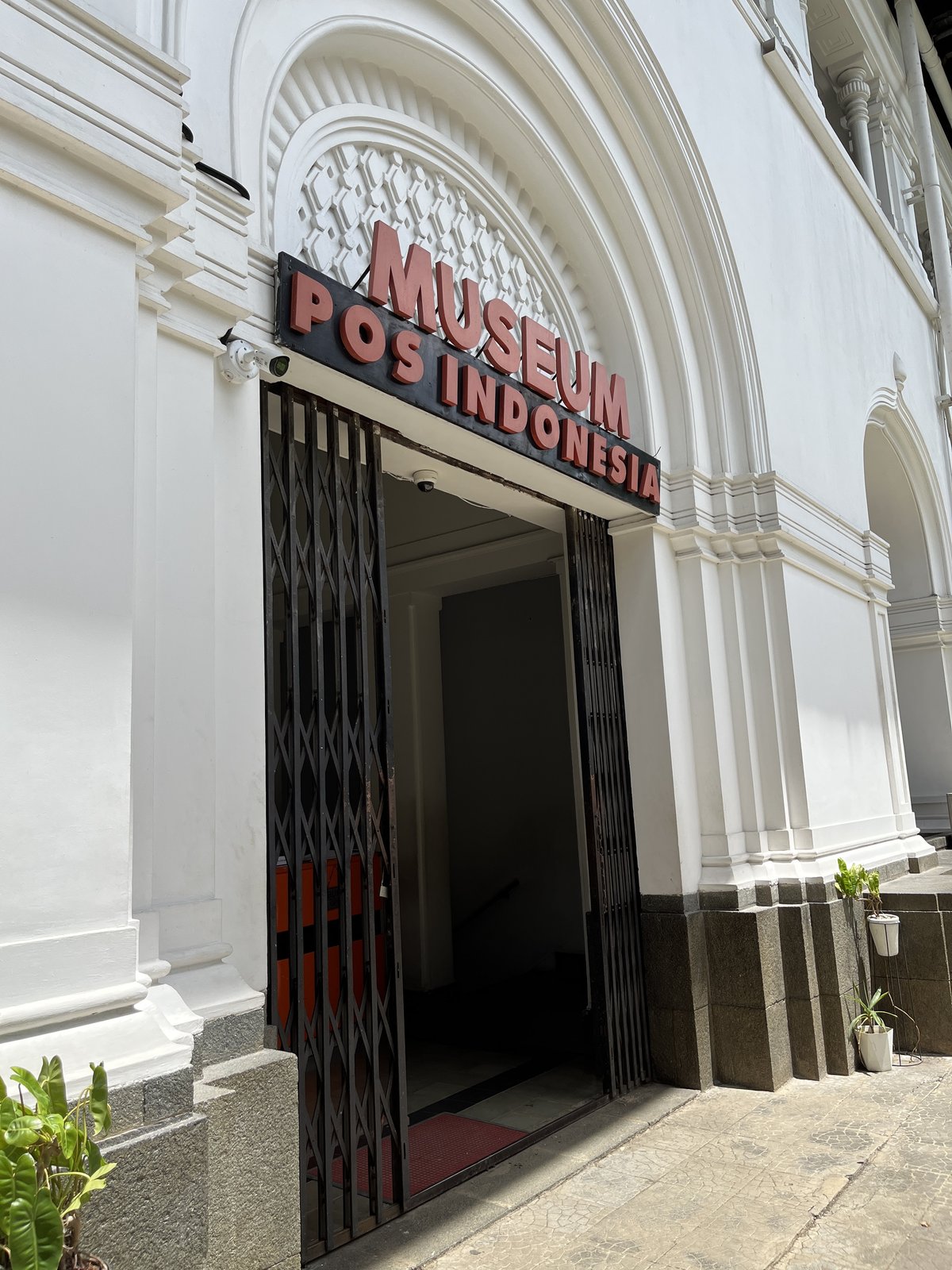
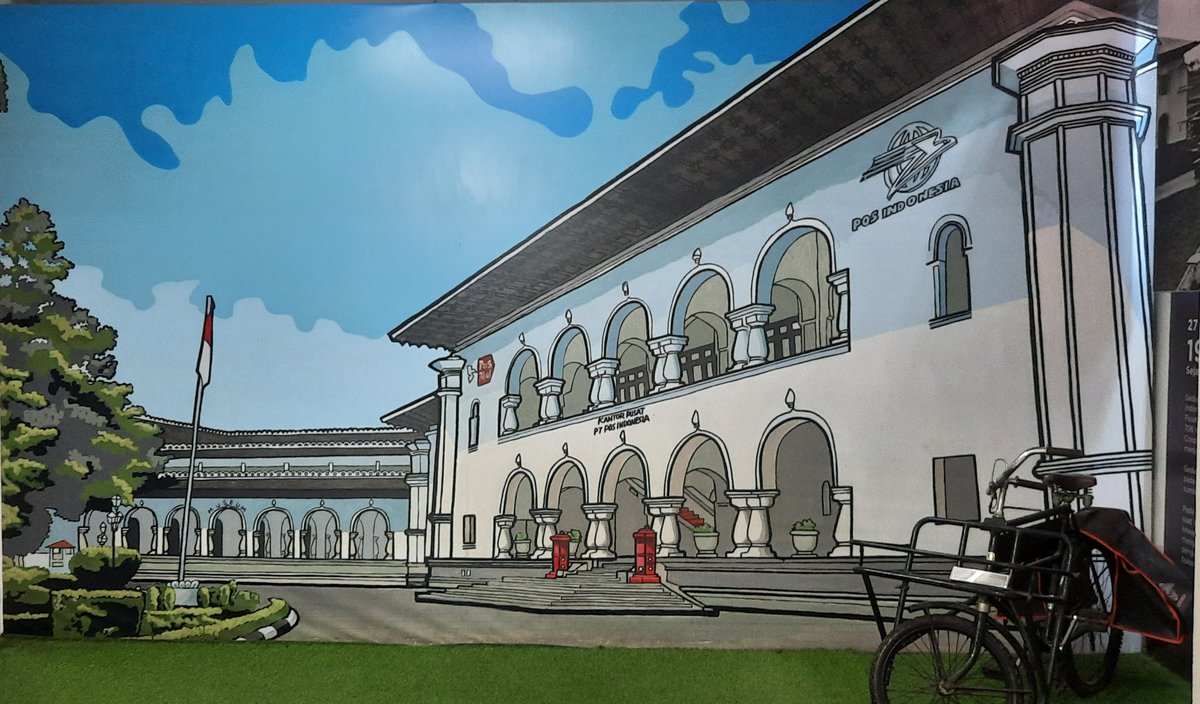
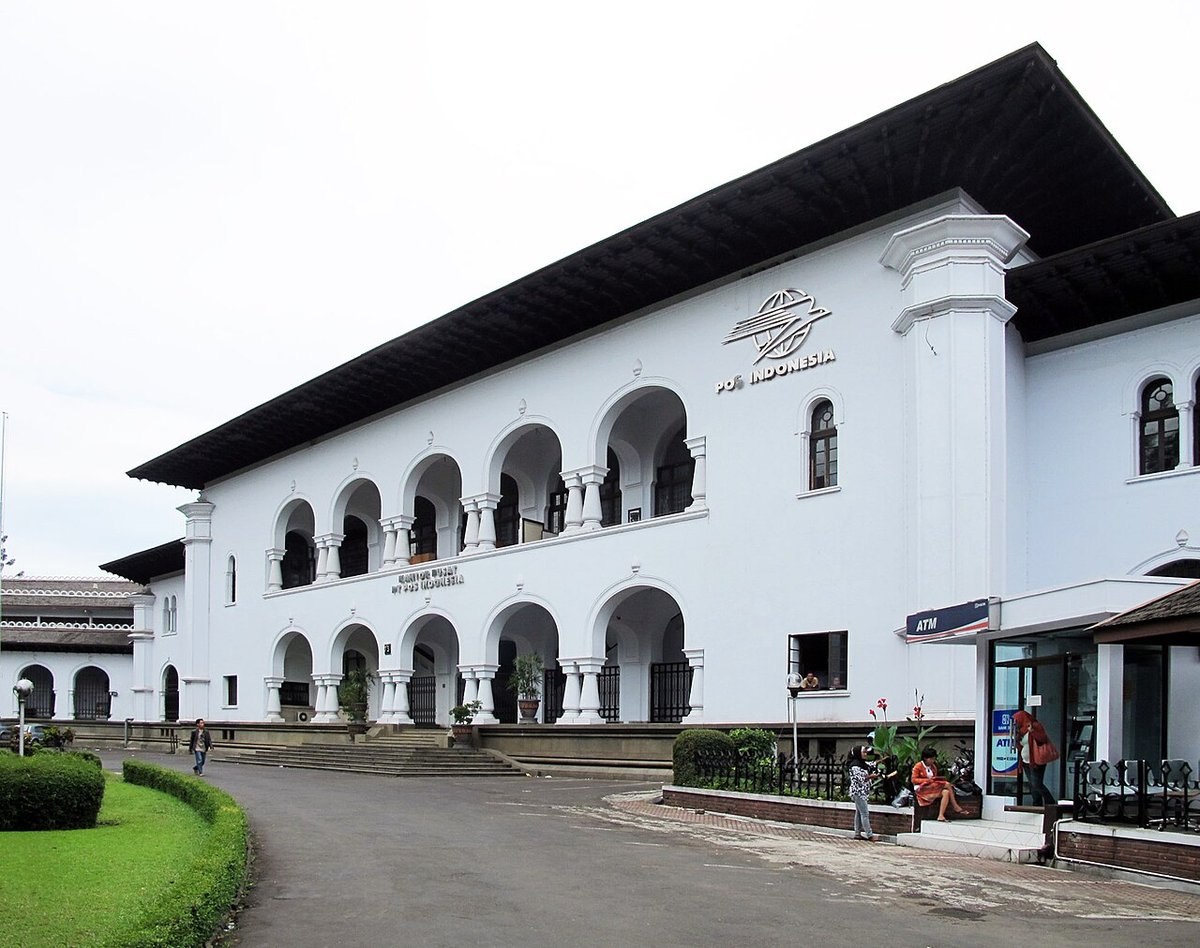
The Indonesia Post Museum, located in the heart of Bandung City, is a remarkably well-preserved legacy of national communication history. Standing majestically in the Citarum district, this colonial-era Dutch heritage building serves not only as a symbol of postal service development but also functions as an informative educational center. The atmosphere inside the museum is cool and tranquil, transporting you directly to an era when typewriters and classic stamps were the primary means of long-distance communication. With a 4.6 rating from over 1,300 reviews, this site has proven itself as a cultural destination well worth visiting.
📸 Photo Gallery
Why Visit This Destination
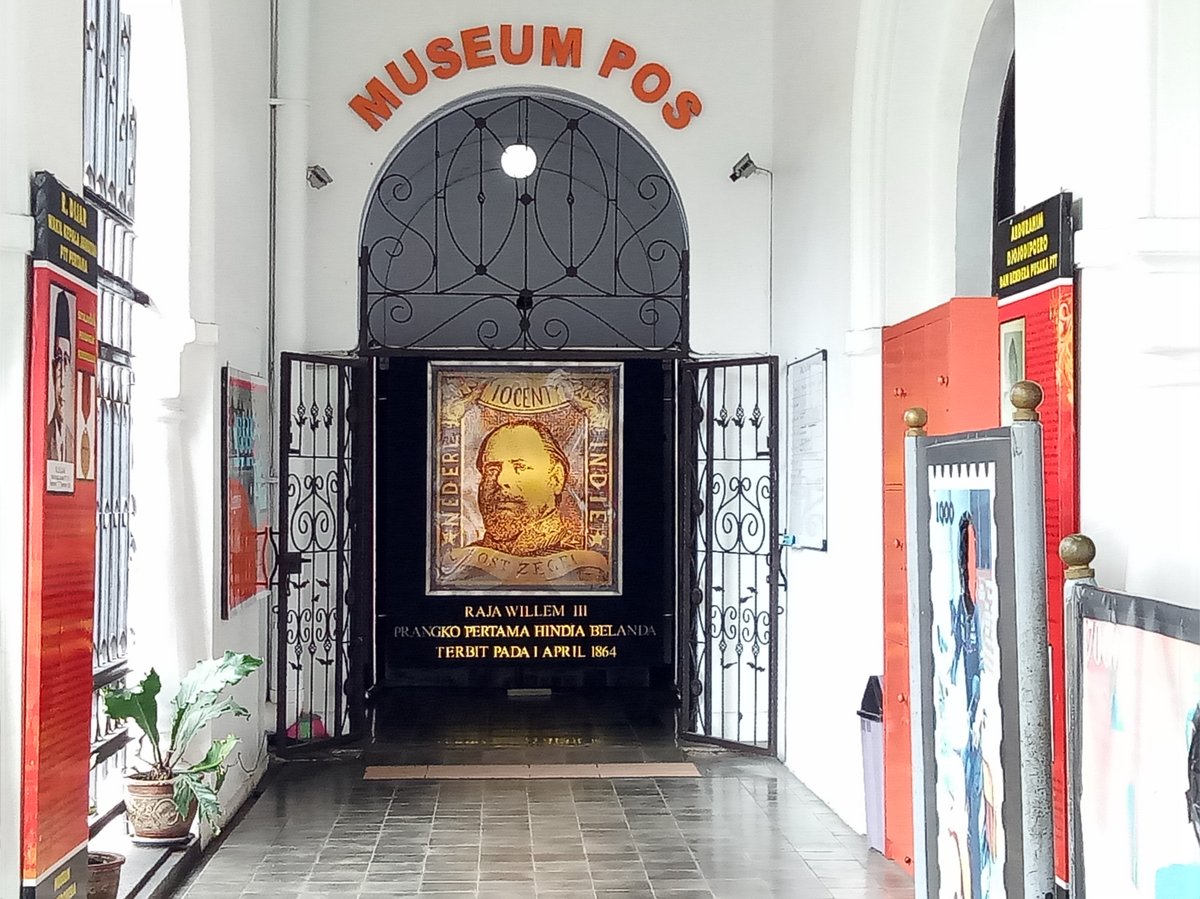
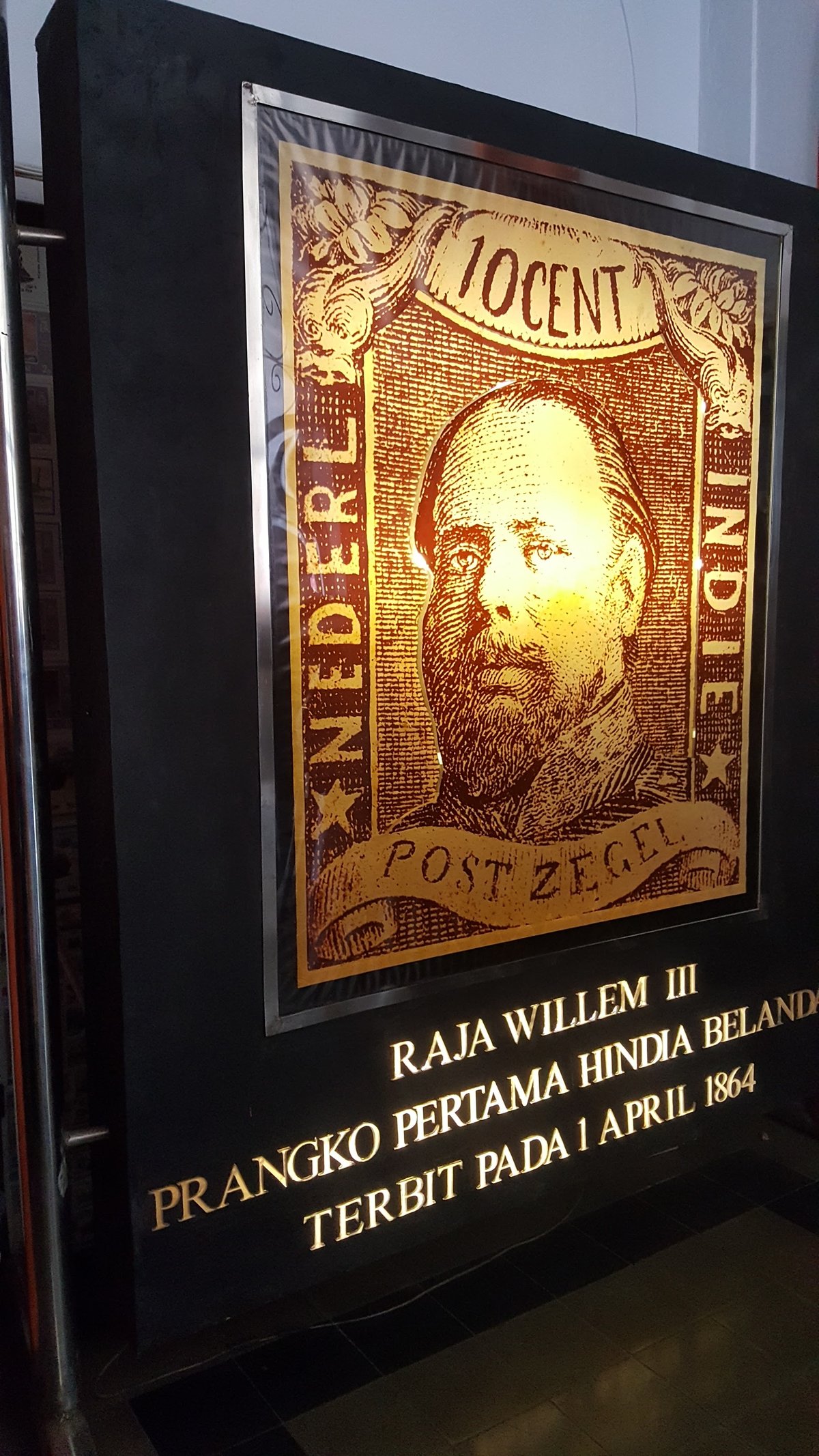
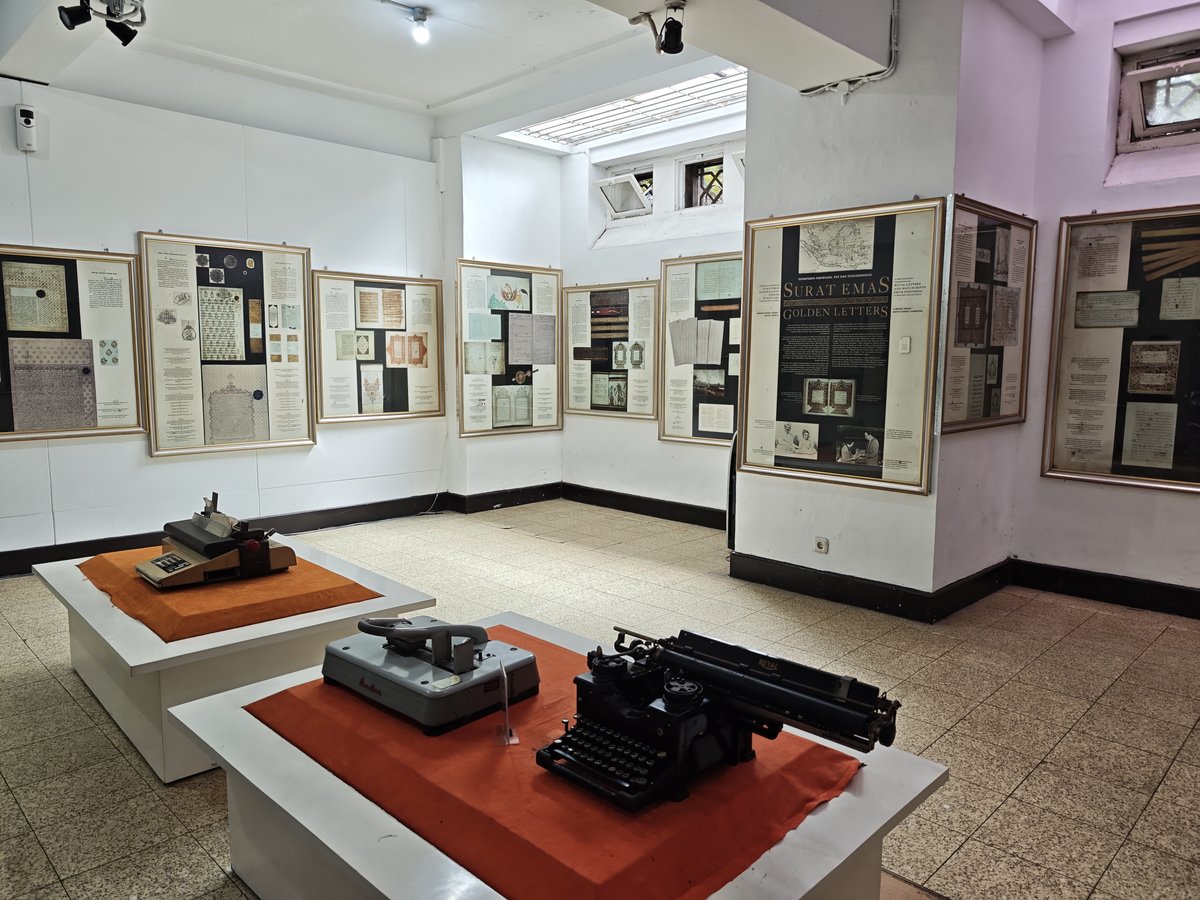
The museum's standout feature lies in its meticulous conservation of Indonesian postal archives. Visitors will discover stamp collections spanning various eras, including rare editions that reflect the nation's social evolution. The historically preserved building maintains a distinct colonial atmosphere, allowing you to experience firsthand how postal operations functioned in the past. Furthermore, the museum offers significant educational value through its structured guided tour program. Educators deliver historical content with clear, accessible language, even translating ancient manuscripts written in Sanskrit and Arabic. Consequently, your visit extends beyond merely viewing collections; it provides a comprehensive understanding of Indonesia's communication system evolution.
Experiences to Enjoy
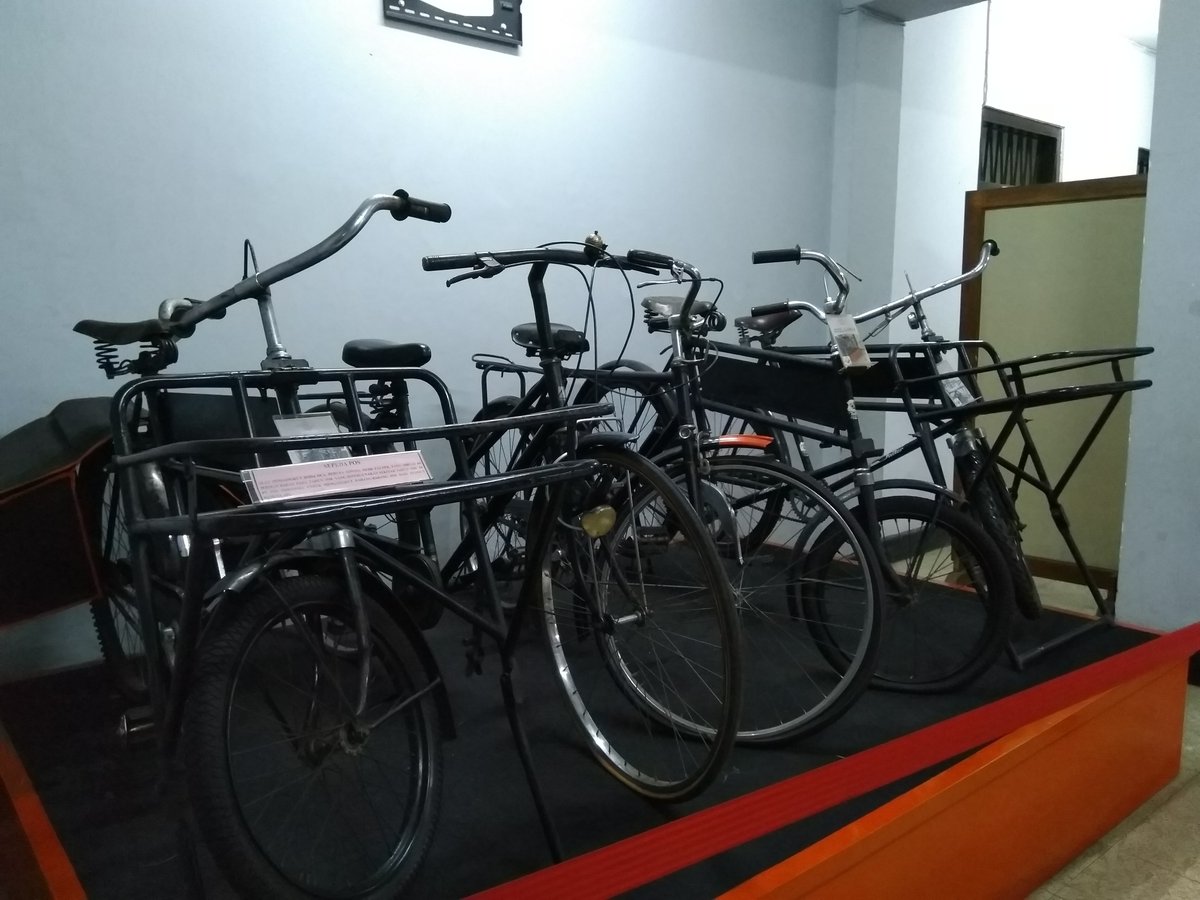
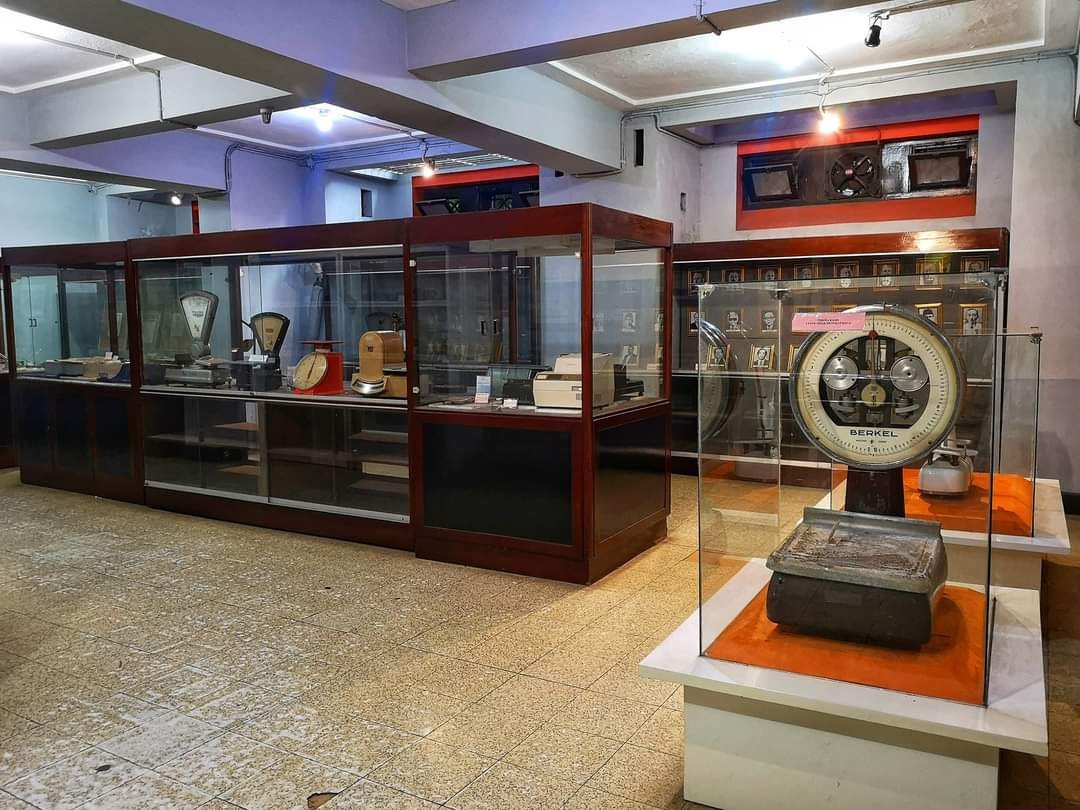
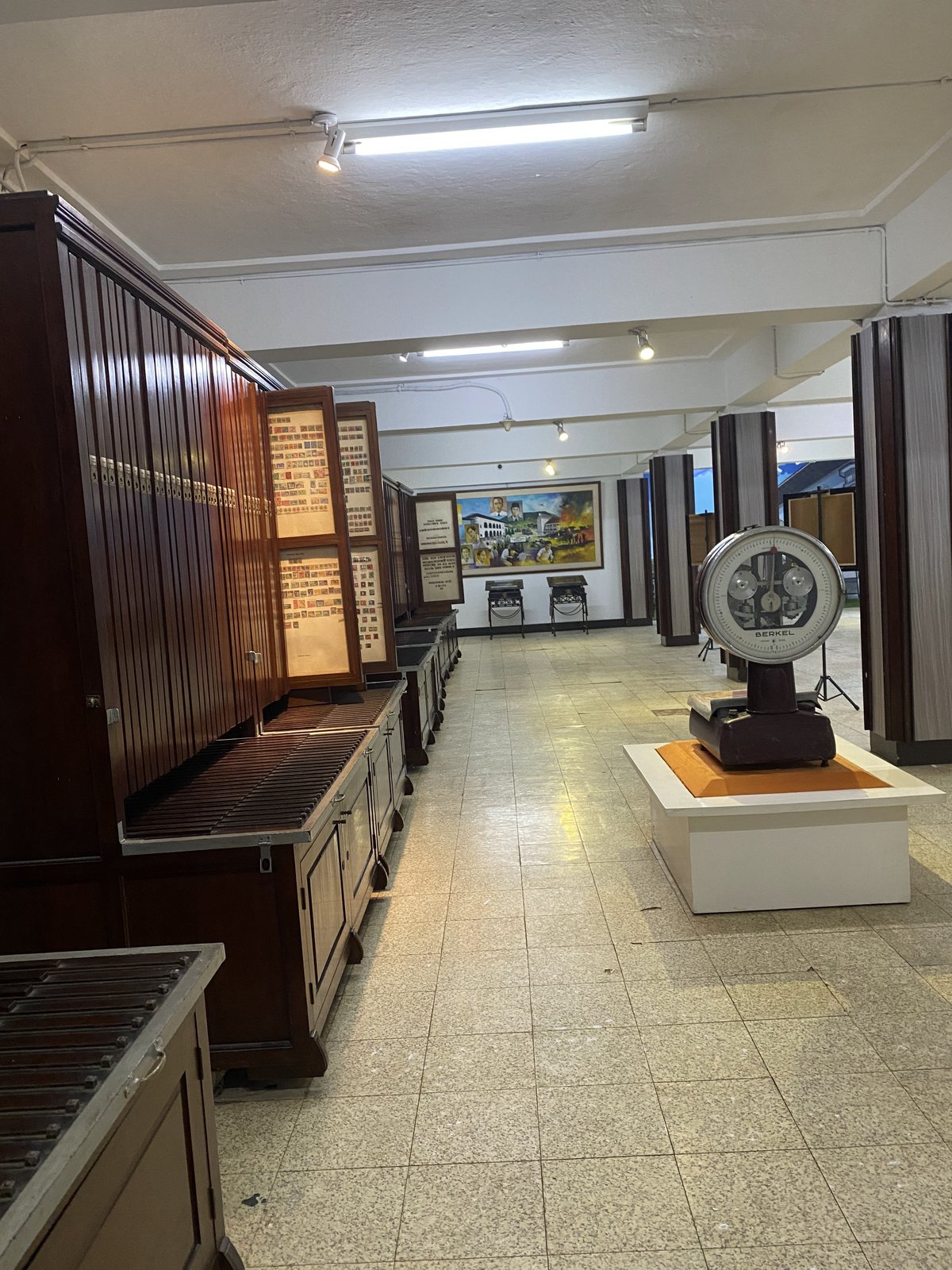
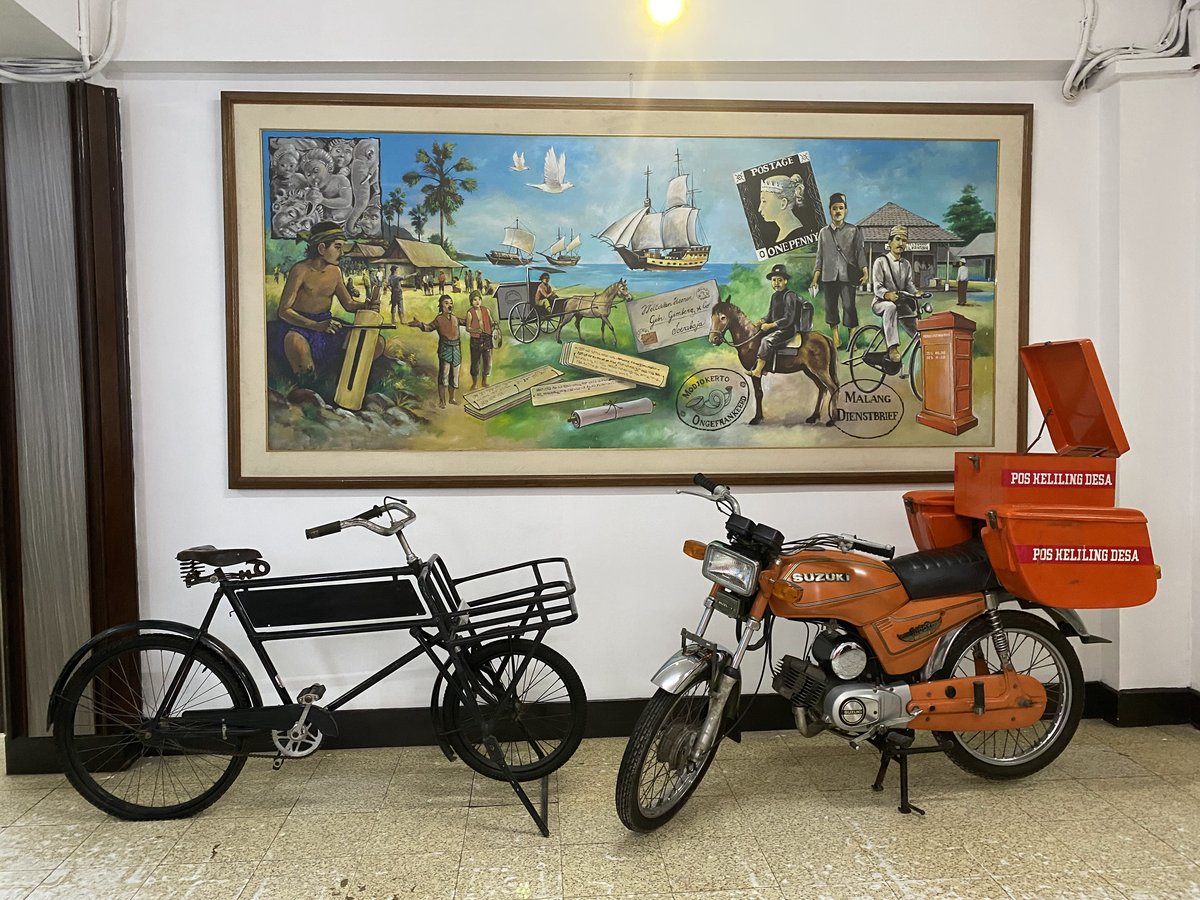
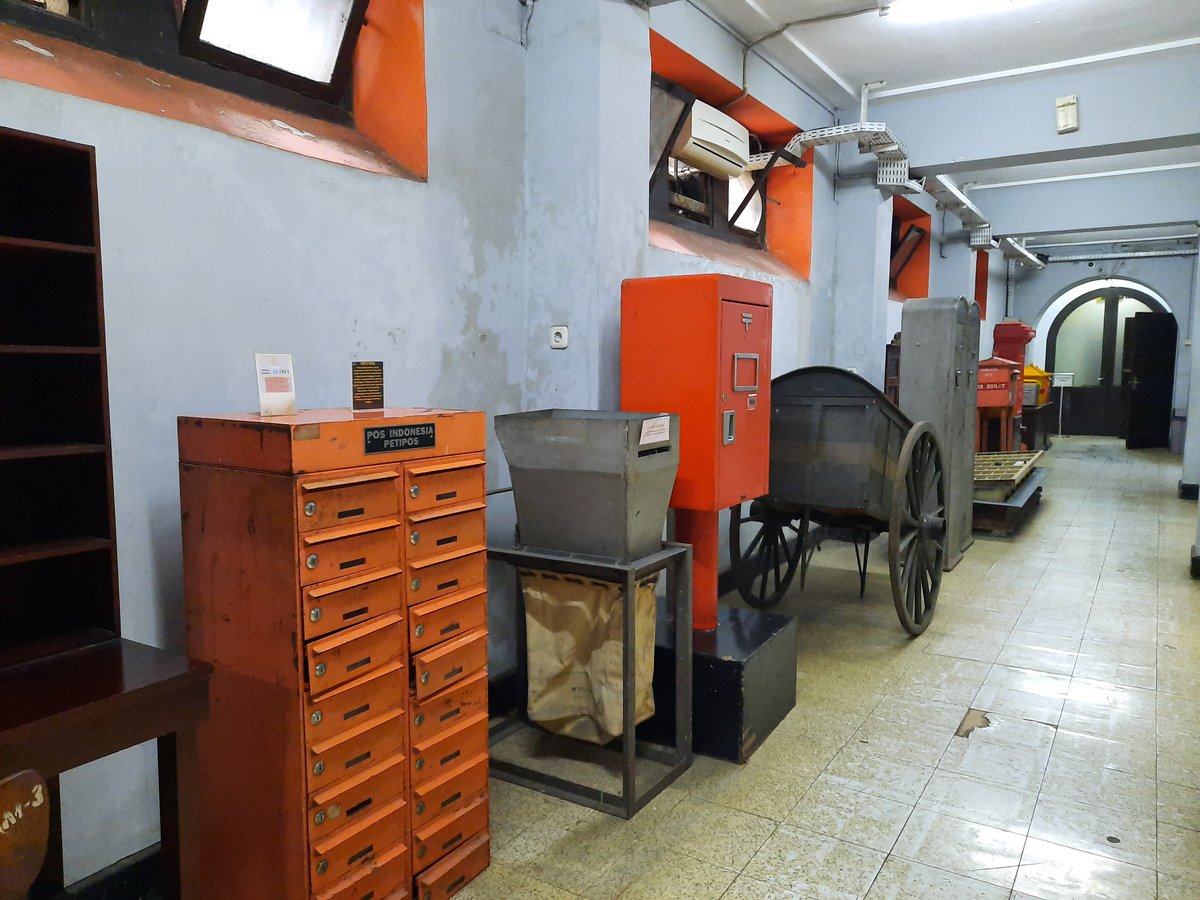
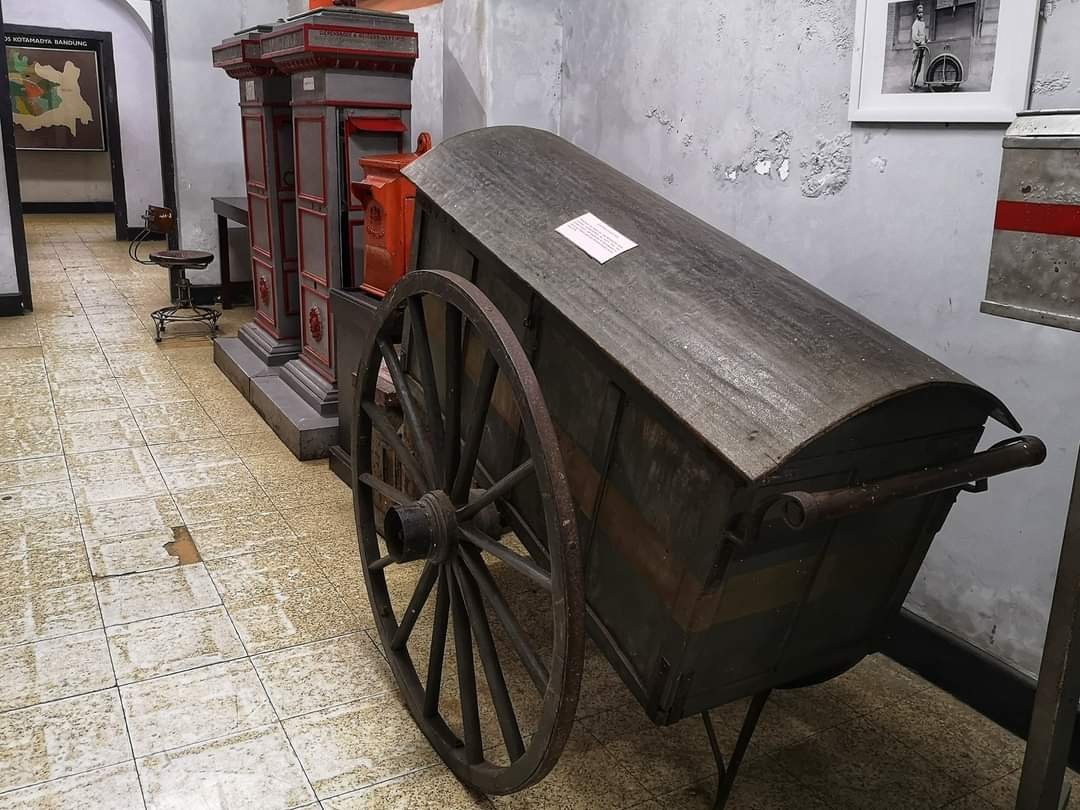
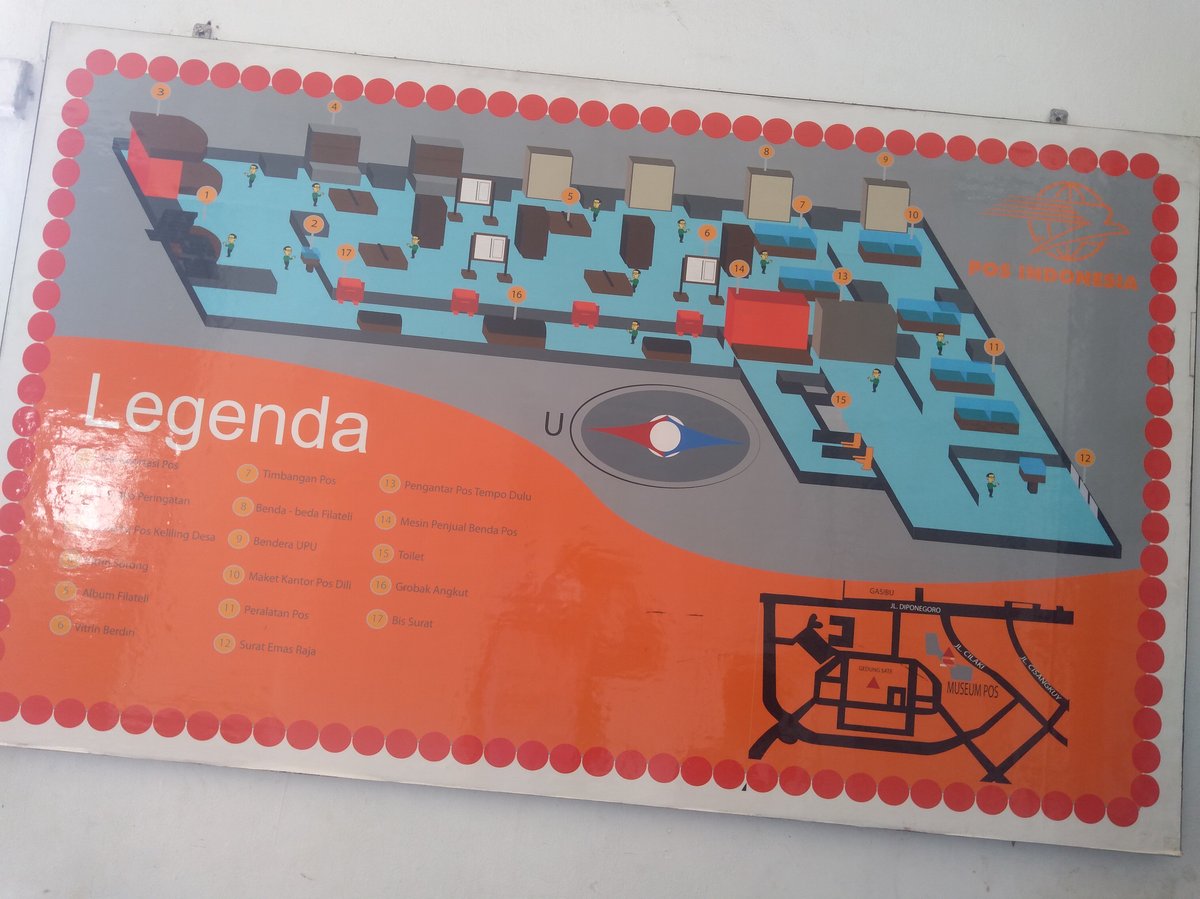
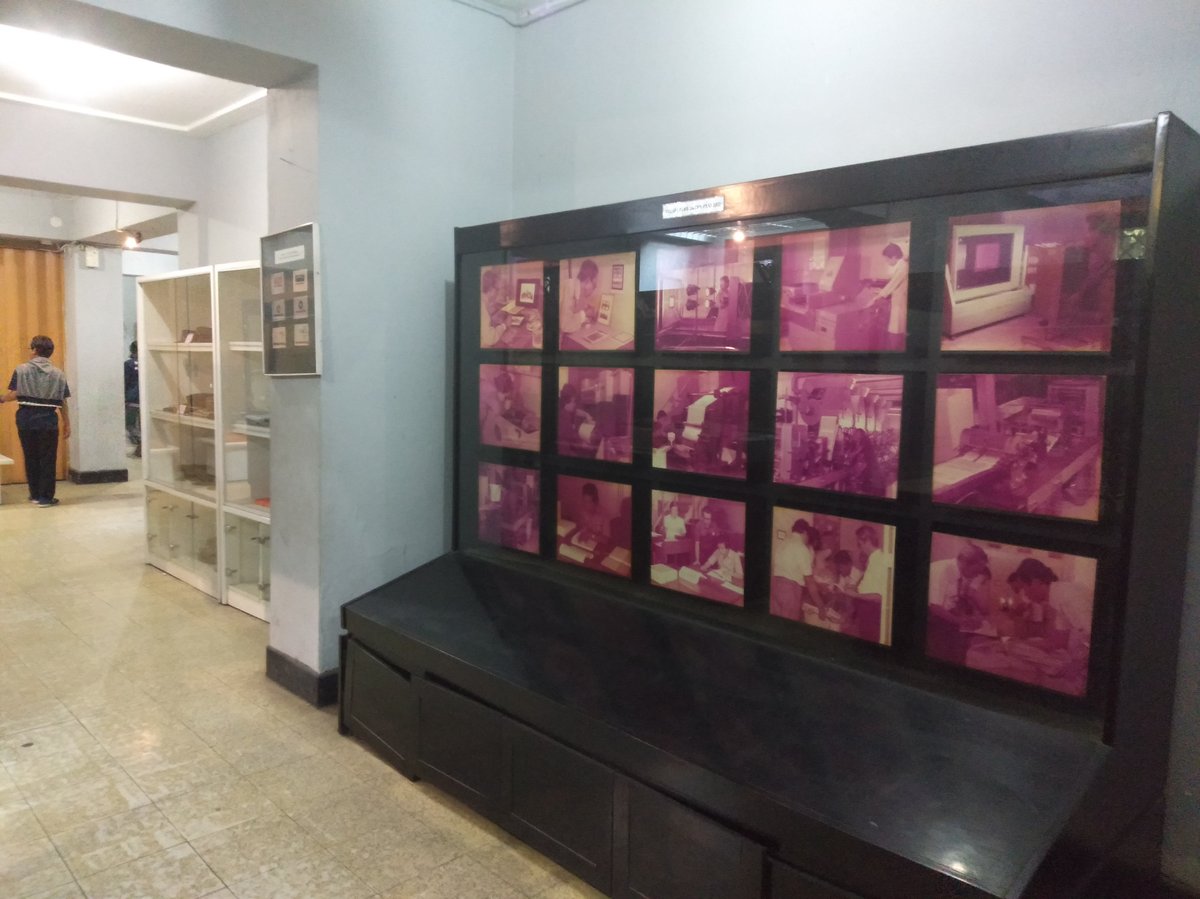
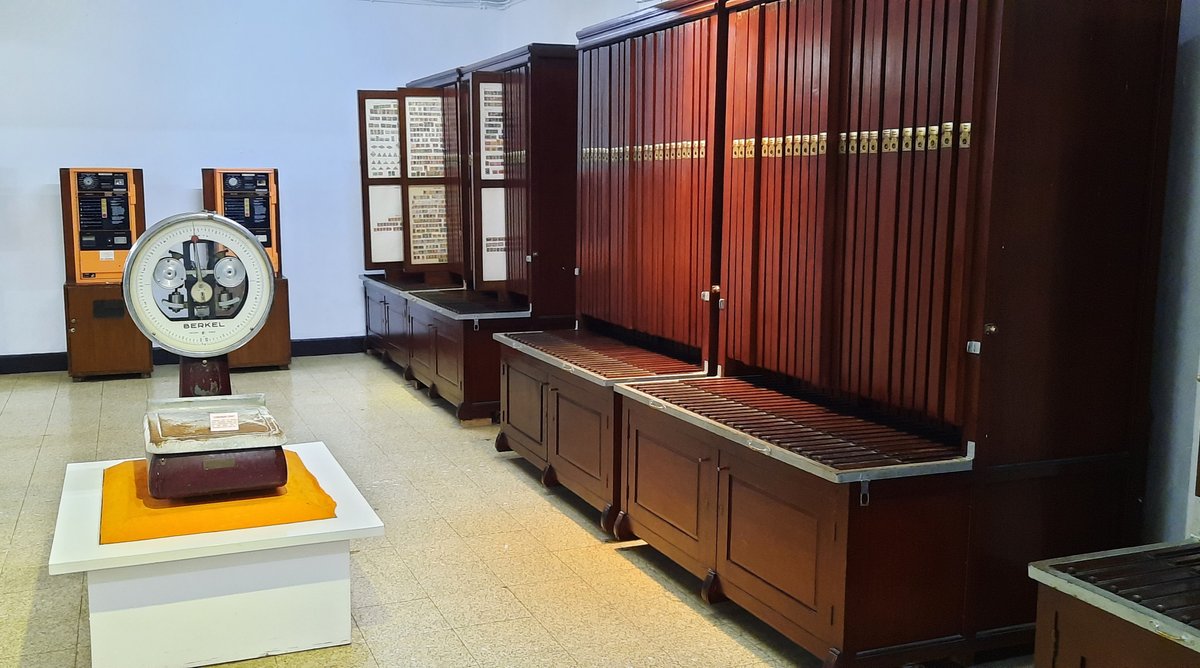
As you wander through the museum's corridors, you are guided through the history of typewriters, classic postage scales, and its intricate yet fascinating distribution systems. Interactive programs are a major highlight, where visitors can answer questions posed by educators to receive special stamp souvenirs. The displayed collection of historical letters offers valuable insights into how past societies communicated. You can also enjoy an exhibition featuring a wide variety of stamps in the final area, which simultaneously serves as a retail space for limited-edition collections aimed at serious collectors. The relatively quiet ambiance allows you to appreciate every exhibit at your own pace, ensuring a deeper and more high-quality learning experience.
Admission and Ticket Prices
You will not need to spend any money to enter this museum. Admission to the Indonesia Post Museum is completely free, with only one simple administrative requirement: filling out the guest book at the main gate. This policy greatly enhances accessibility for students, collectors, and travelers who wish to explore the history of Indonesian postal services without any financial burden.
Operating Hours
The museum is open from Tuesday to Saturday on a structured schedule. You may visit on Tuesdays, Wednesdays, Thursdays, and Fridays between 09:00 and 15:00 WIB. On Saturdays, operating hours close earlier at 13:00 WIB. Please note that the museum is closed on Sundays, while Mondays are open with the same hours as regular working days. It is advisable to verify the latest schedule before departure to avoid any operational disruptions.
Getting There
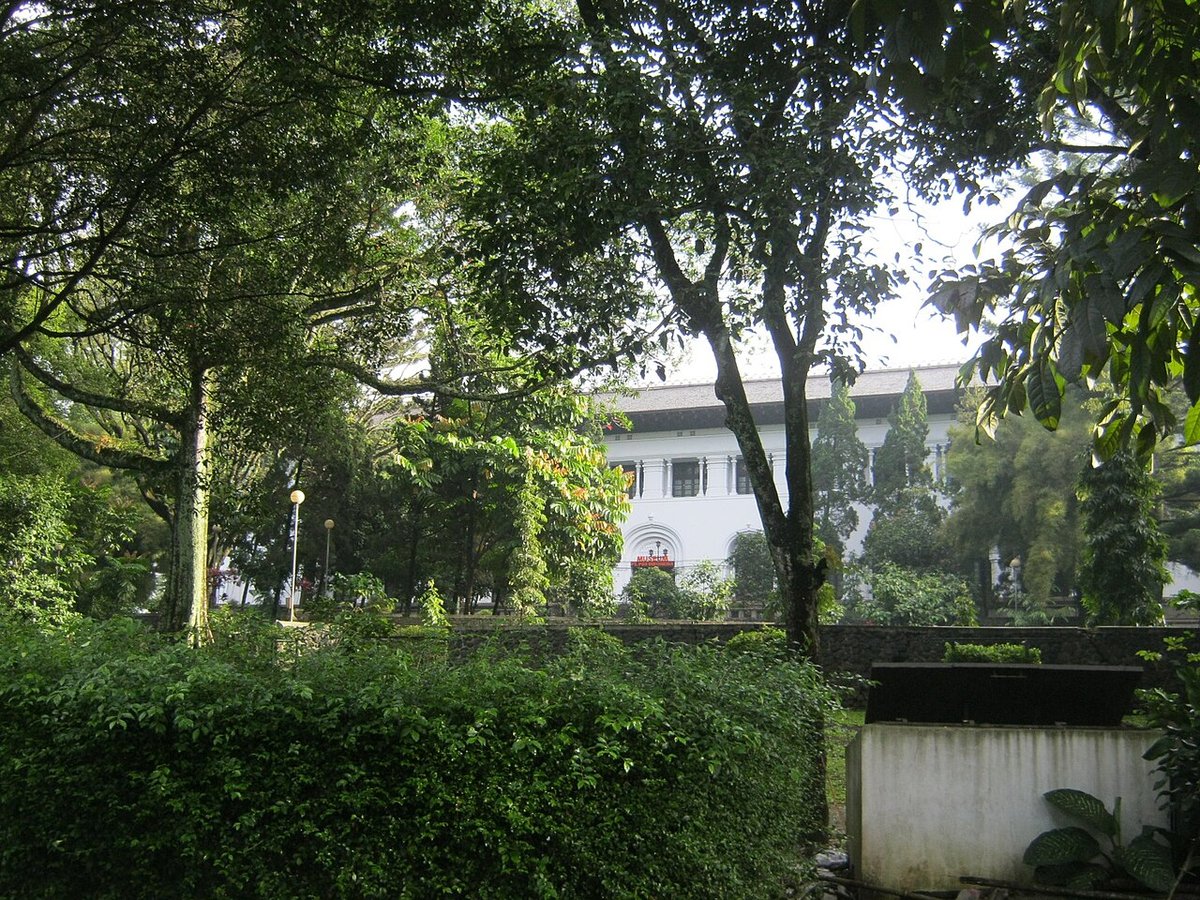
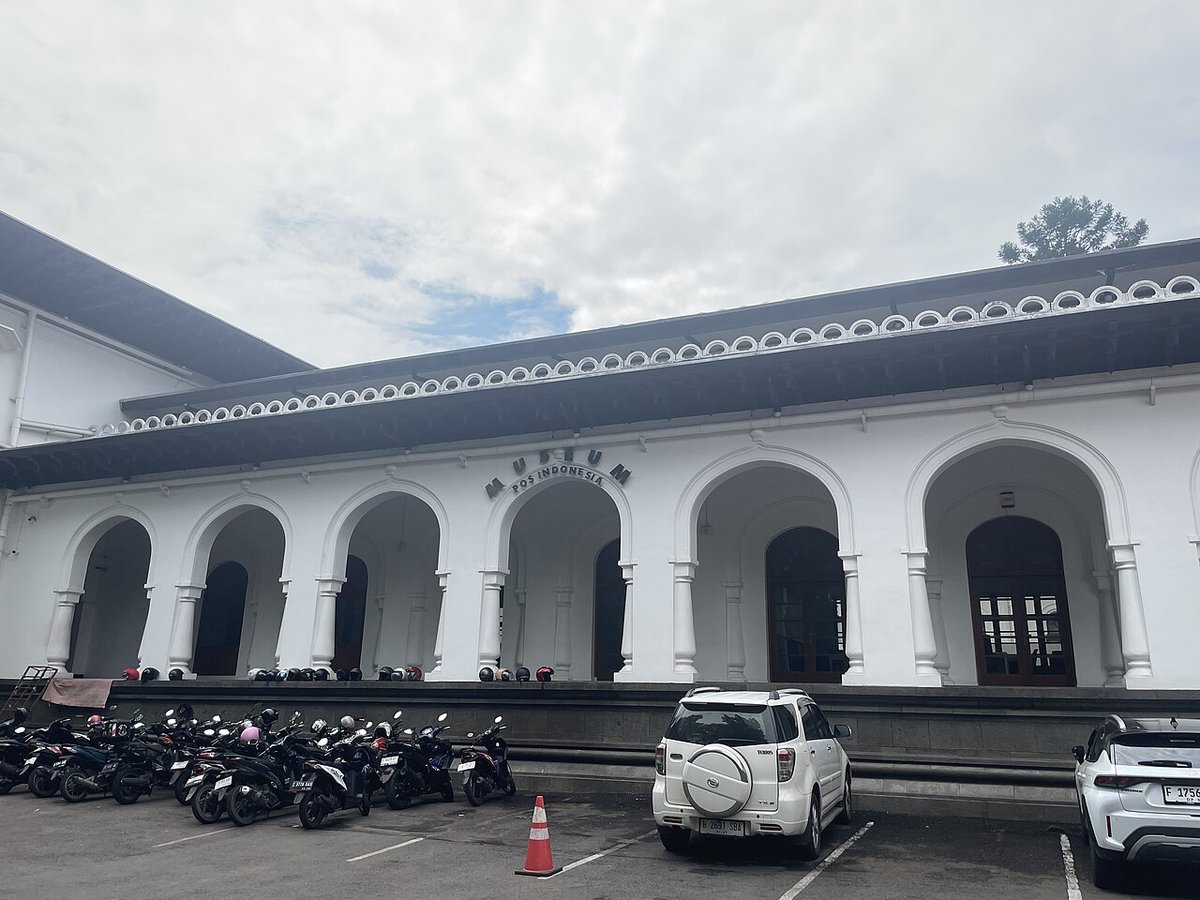
The museum is located at Jl. Cilaki No.73, Citarum, Bandung Wetan District, Bandung City, West Java 40115. You can easily reach this location using private vehicles or public transportation, given its strategic position in the city center. Spacious and free parking facilities are available in the surrounding area. Visitors arriving from the Gedung Sate direction may experience slight confusion regarding the main entrance. It is recommended to walk toward the rear of the building, where the actual entrance is located. The museum's vicinity also offers comfortable open spaces for resting after exploring the historical collections.
Practical Tips for Visitors
To ensure a comfortable visit, it is recommended to wear comfortable footwear, as the extensive collection area requires considerable walking. Please maintain order by refraining from eating or drinking within the exhibition zones, and avoid touching any displayed collection items. Visit on weekdays to avoid crowds and enjoy a more tranquil experience. If touring with a group, pay close attention to the educators' instructions and refrain from placing personal belongings on display items. Finally, conserve your energy, as the historical journey through this museum will yield highly valuable knowledge.
Visitor Reviews
"The historical narratives delivered by the educators are exceptionally clear and easy to understand, with well-structured and articulate language. They also translated letters written in Sanskrit and Arabic. At the end, three of us who correctly answered the educator's questions were gifted special stamp souvenirs."
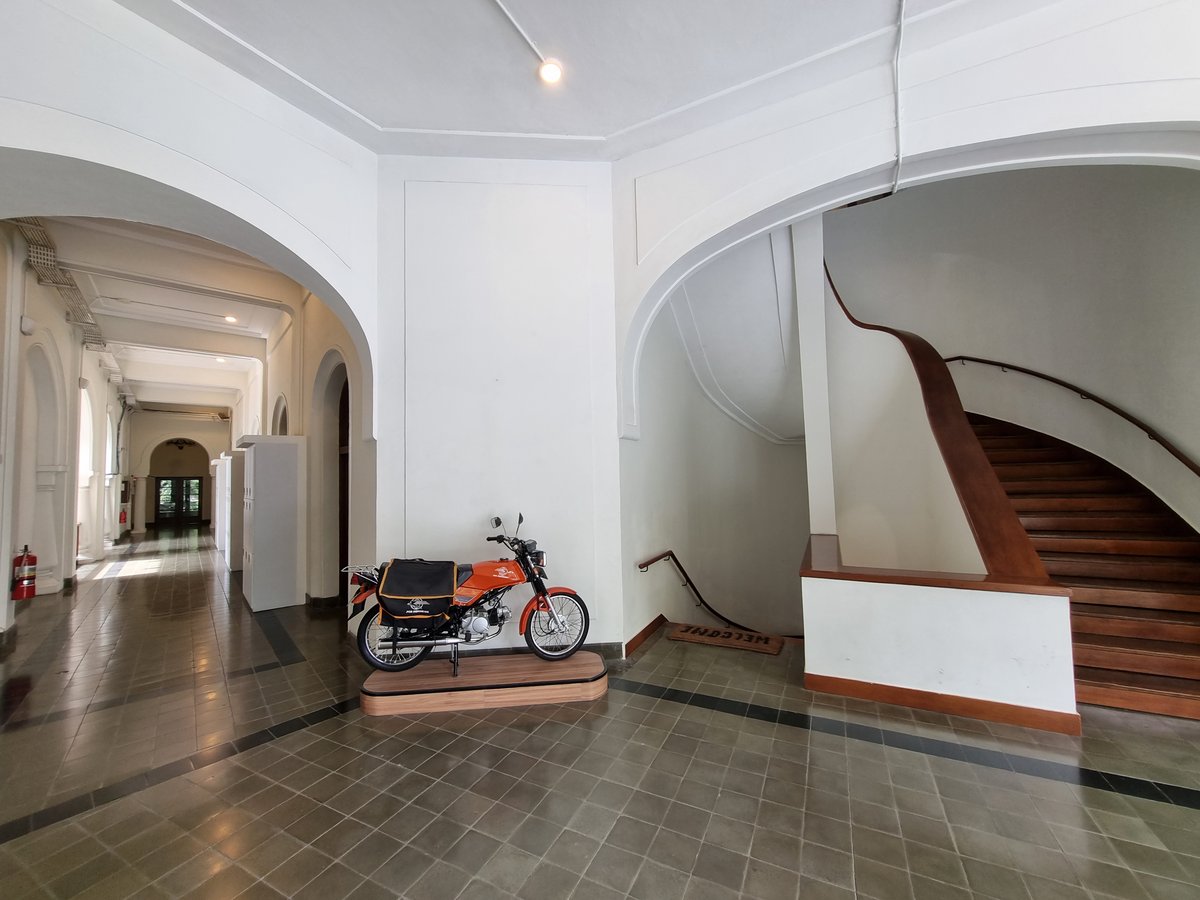
"A highly enjoyable experience. I was initially confused about which entrance to use, as I arrived from the Gedung Sate direction. It is free, so I walked past the guard post nearby, only to realize the actual entrance is at the back. However, the place is quite cool and pleasant. The colonial Dutch architecture remains very prominent, and it is well-maintained and preserved."
"Tickets are free; you only need to fill out the guestbook. There is no queue to enter, and the atmosphere tends to be quiet. When I visited, there were several families, couples, and school groups. The museum's interior retains a vintage appearance. Some displayed items are in glass cases, while others are not. The historical explanations and other information are easy to understand."
"We were quite lucky to find a free museum, and the journey concludes with a diverse stamp exhibition. Entry is through the back; you wander through the interior and exit at this stamp gallery, where you can purchase items. You can buy various period toys and currency, or simply gain knowledge from the exhibits. While the interior size is not as vast as the Geology Museum, it is equally rich in information. It features the history of typewriters and various types of stamps from different eras."
"No entrance fee, and the stamp collection is quite good. As a visitor, my hope is for more detailed descriptions of the existing exhibits. What stands out are the several historical letters on display."
The Indonesia Post Museum demonstrates that the history of national communication still holds a special place in the public's heart. With well-preserved collections, an educational atmosphere, and open access for all demographics, this site has established itself as a must-visit cultural destination in Bandung. You should make time to explore these historic corridors, comprehend the passage of time through vintage stamps and letters, and take away a profound appreciation for the evolution of postal services across the Indonesian archipelago.