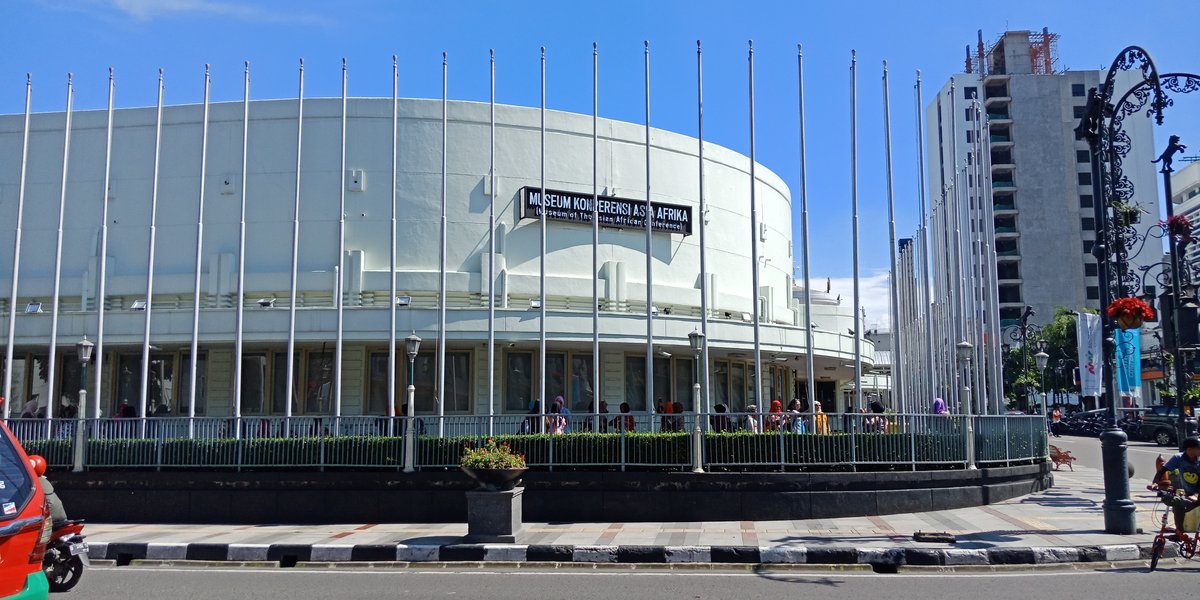
The Asia-Africa Museum stands tall in the heart of Bandung City, specifically at Jalan Asia Afrika No. 65, Braga Village, Sumur Bandung District. As an invaluable historical site, this building is more than just a well-preserved colonial structure; it is an authentic witness to the birth of Asia-African diplomacy, which reshaped the global political landscape in the mid-20th century. With a rating of 4.7 from over 11,000 public reviews, the museum is consistently recognized as a mandatory educational destination for history enthusiasts, researchers, and both domestic and international tourists. Its orderly atmosphere, meticulously documented collections, and highly strategic location elevate it beyond a mere tourist attraction; it serves as a collective memory space that keeps the spirit of international cooperation alive.
📸 Photo Gallery
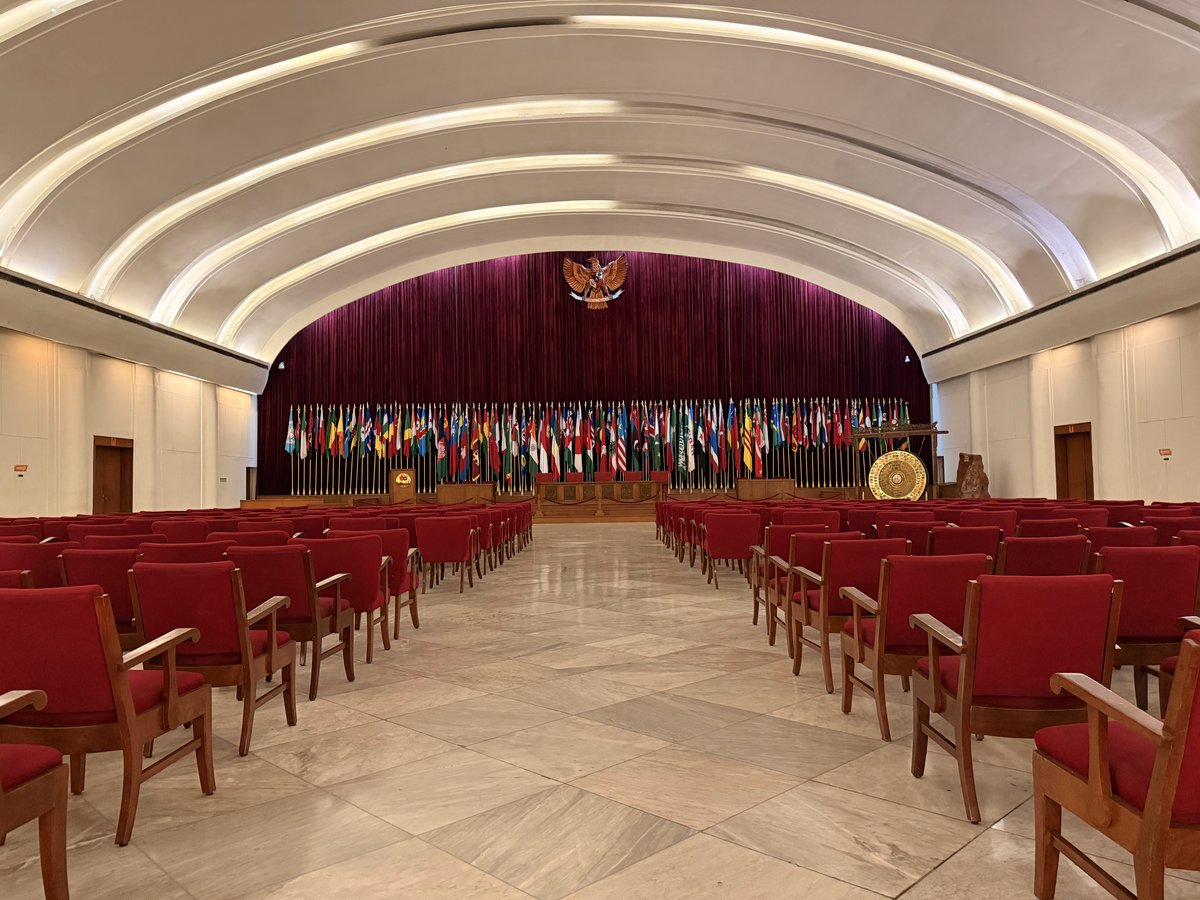
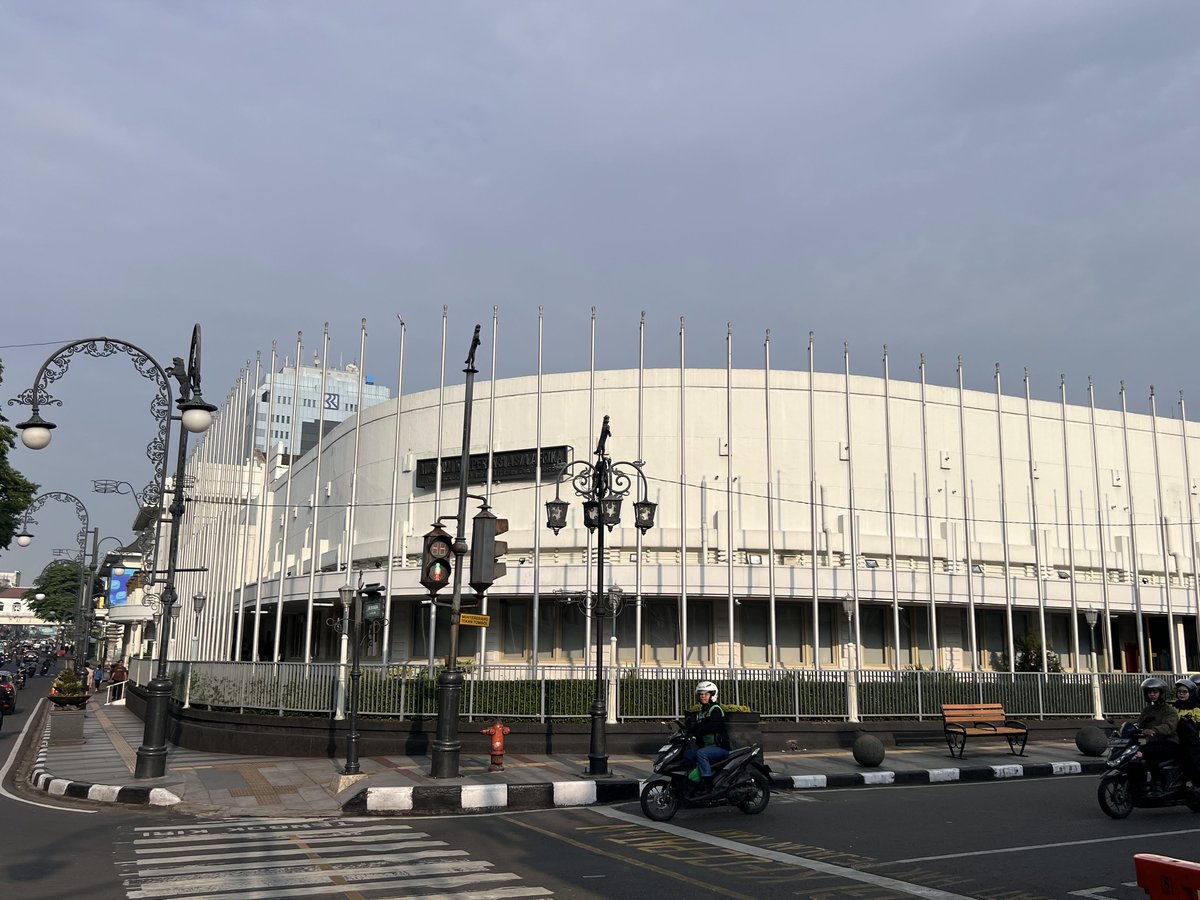
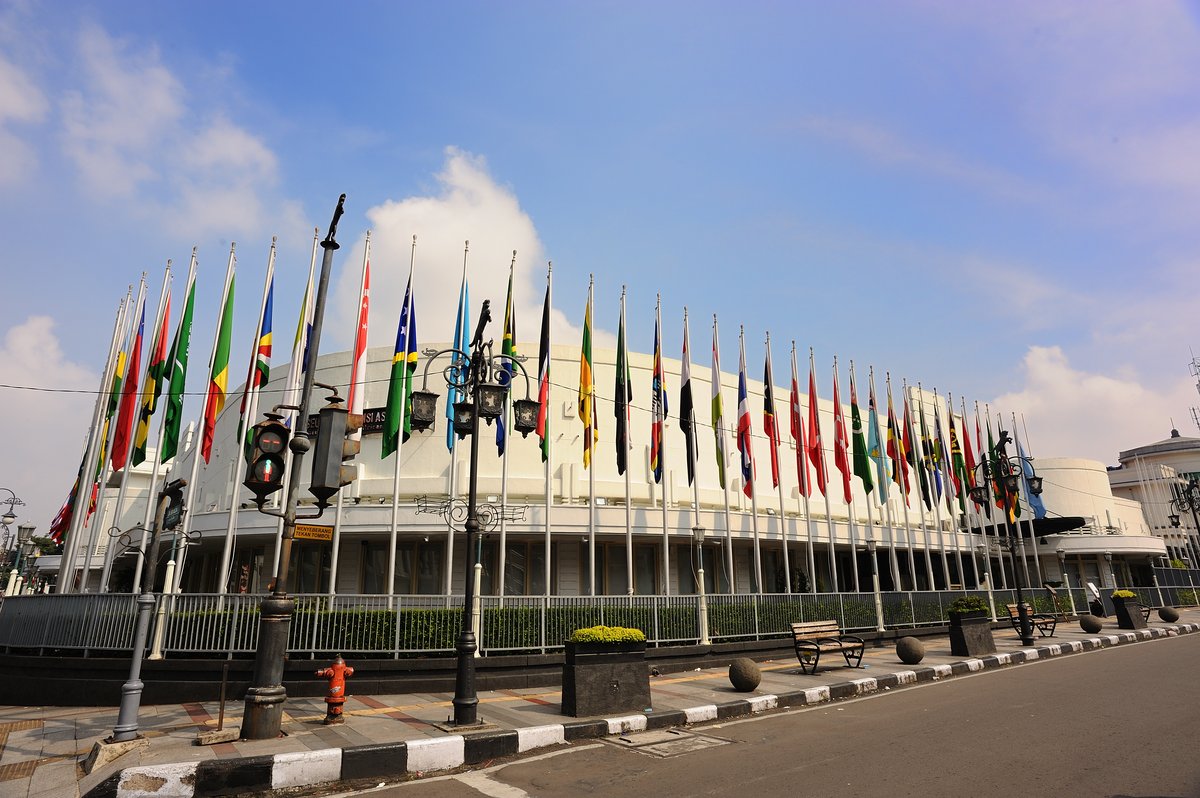
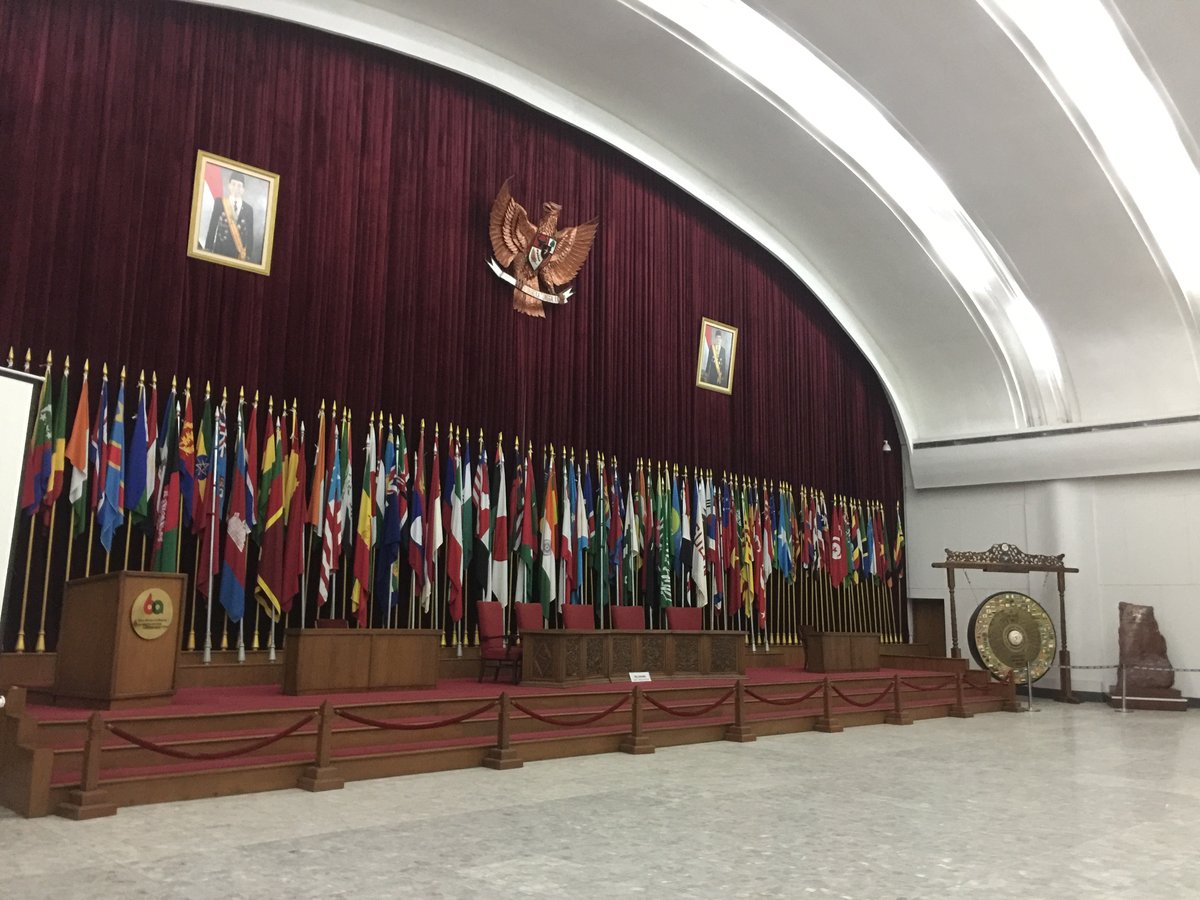
Why Visit This Site
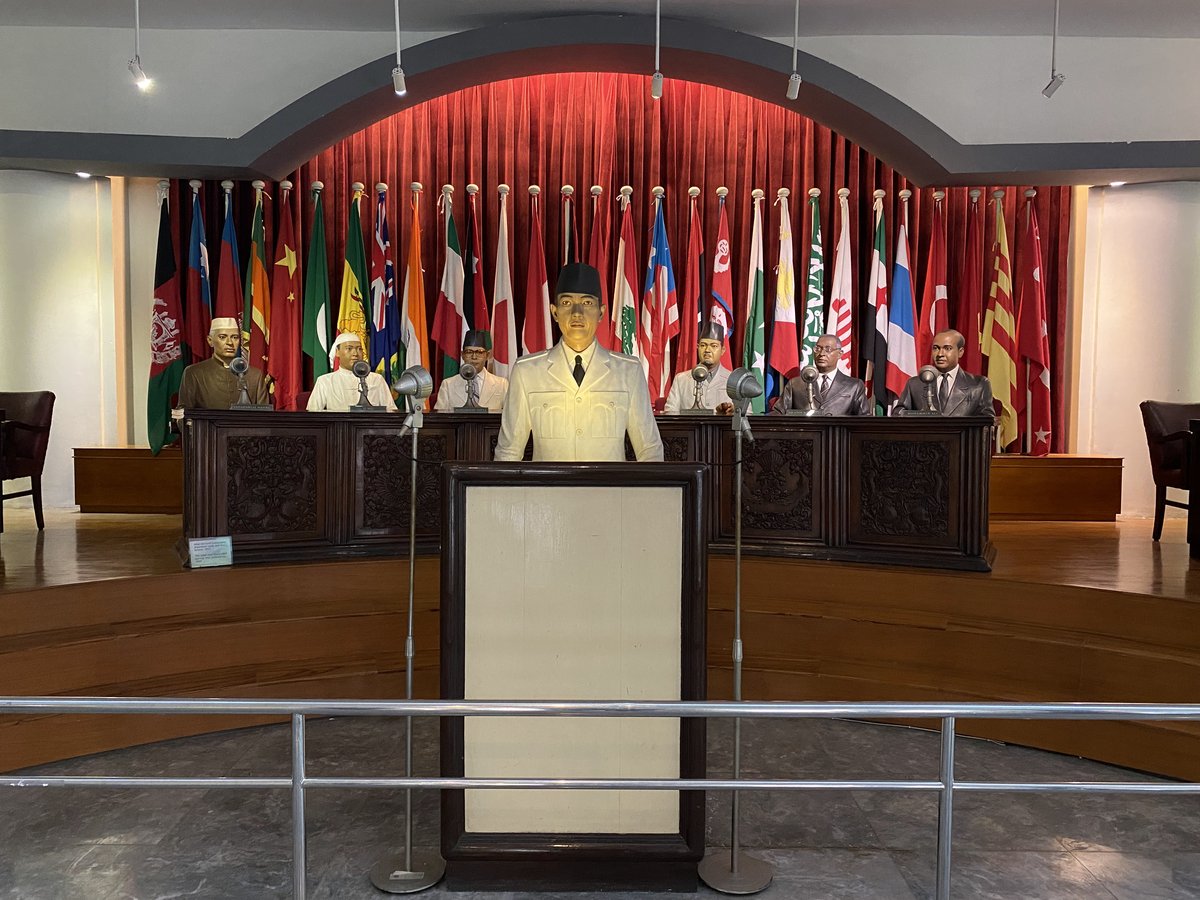
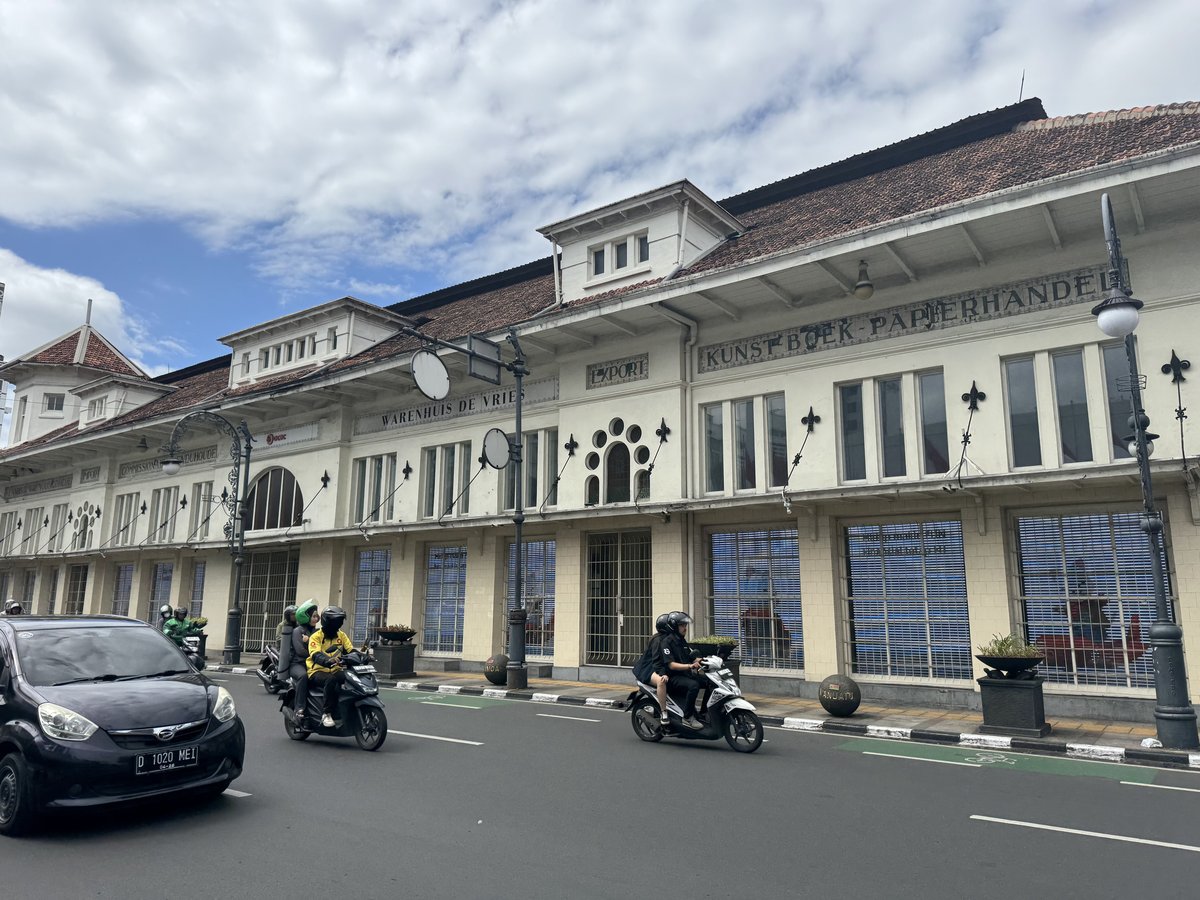
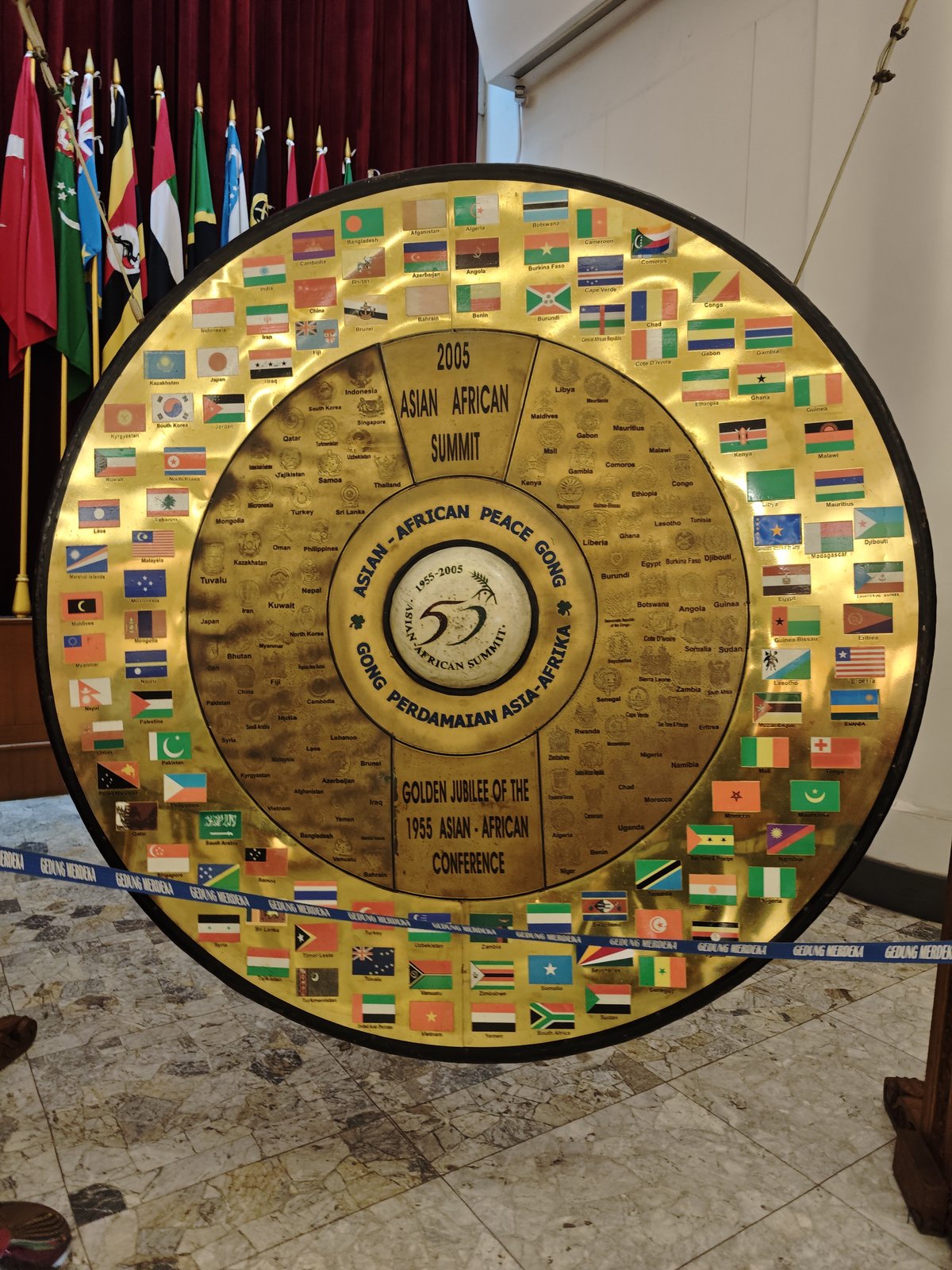
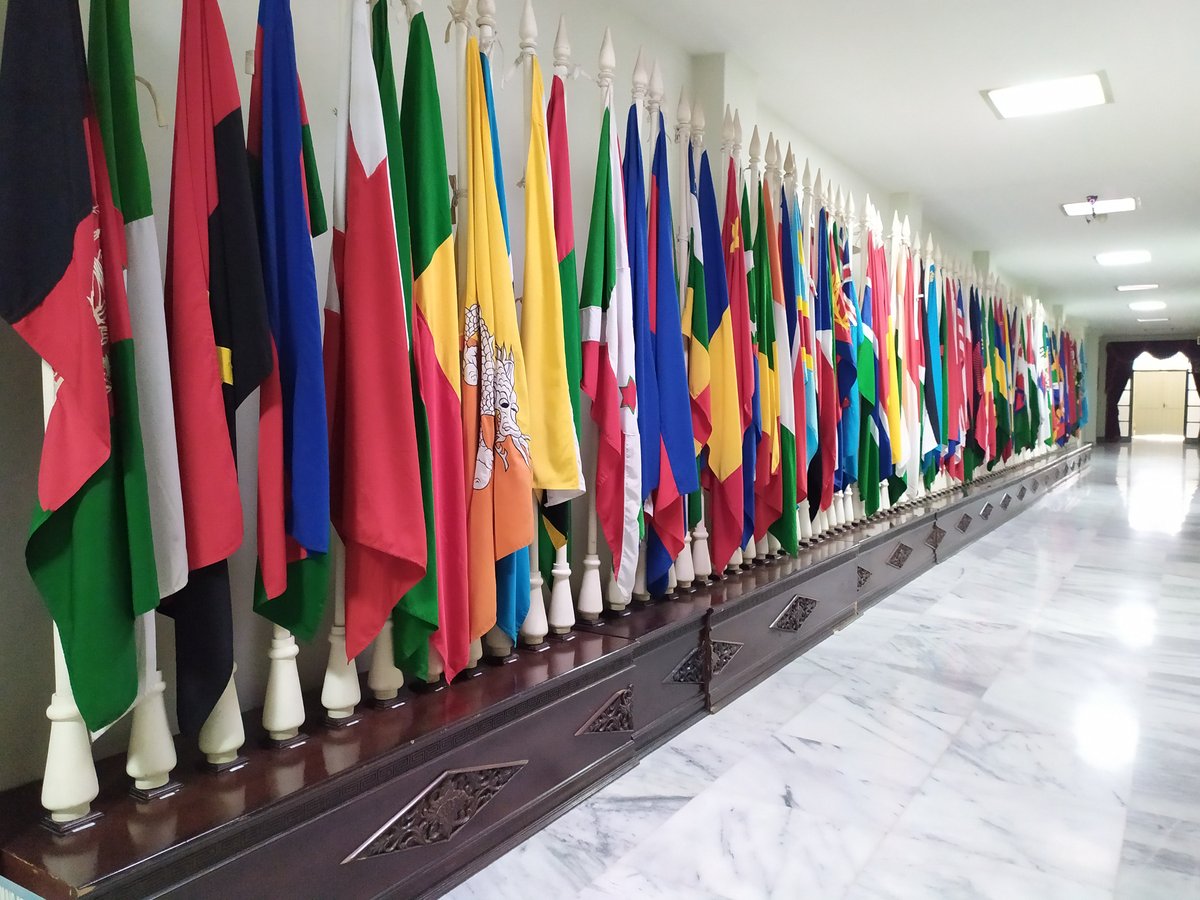
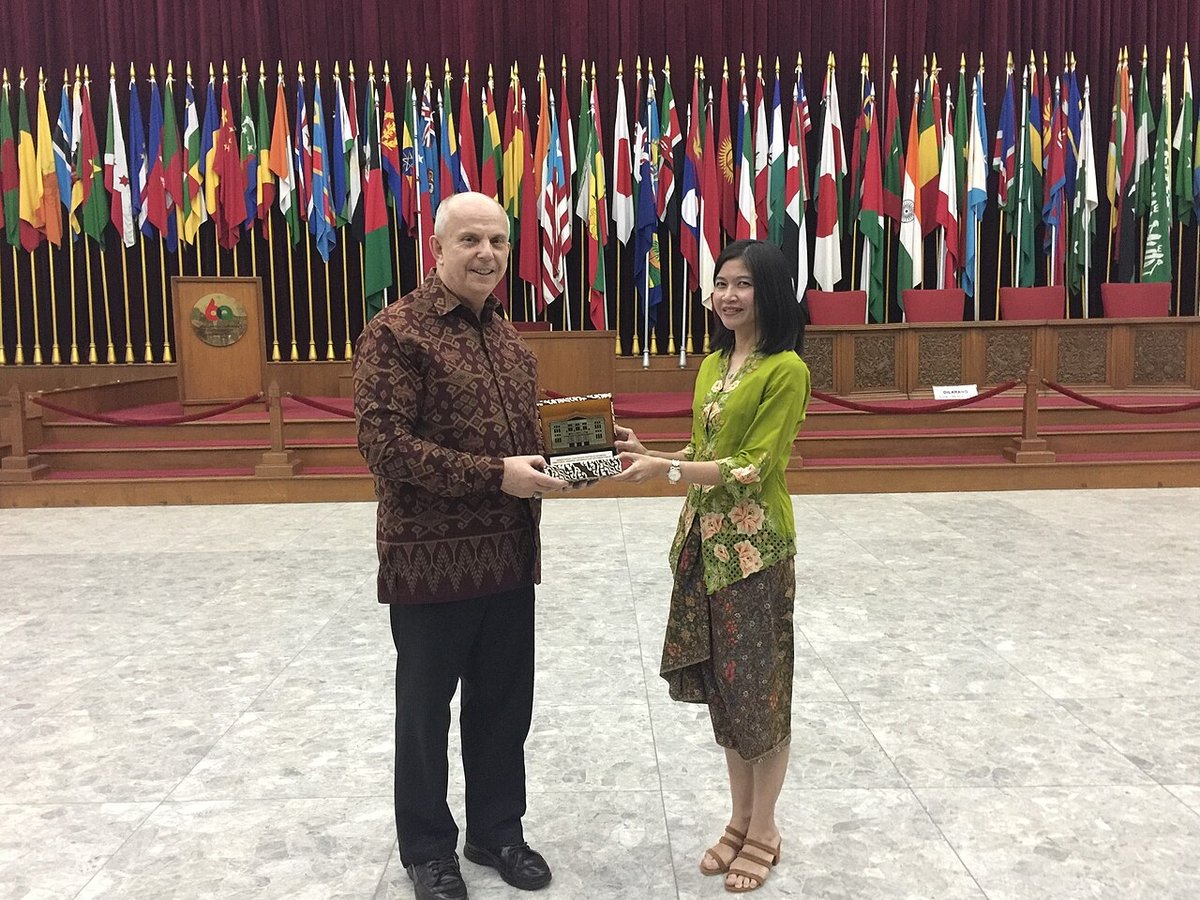
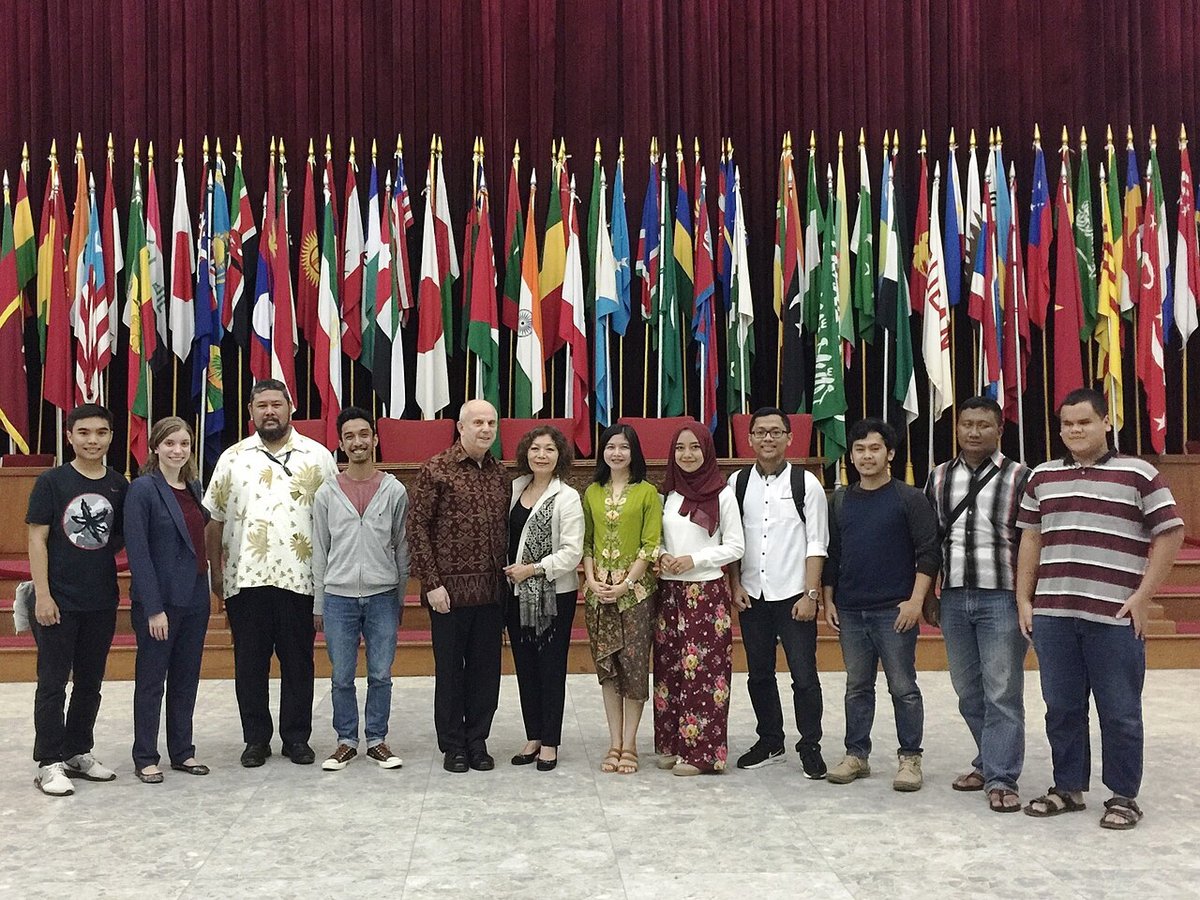
Choosing to visit the Asia-Africa Museum means stepping into the space where the history of modern diplomacy was first formulated. Historically, this building served as the venue for the 1955 Asia-Africa Conference, attended by 29 nations from the Asian and African continents. Its primary distinction lies in the preserved authenticity of its architecture and geographical context. You will gain insight into how the foundational principles of international relations, non-alignment, and South-South cooperation emerged from the discussions held in the very rooms now housing the exhibition collections. Beyond its historical significance, the museum operates as an educational hub that bridges the past with contemporary issues regarding the equality of newly independent nations. Its presence in the heritage-rich Braga district further enriches the experience, as the location serves as a historical corridor connecting the colonial era to Indonesia’s independence.
Visitor Experience
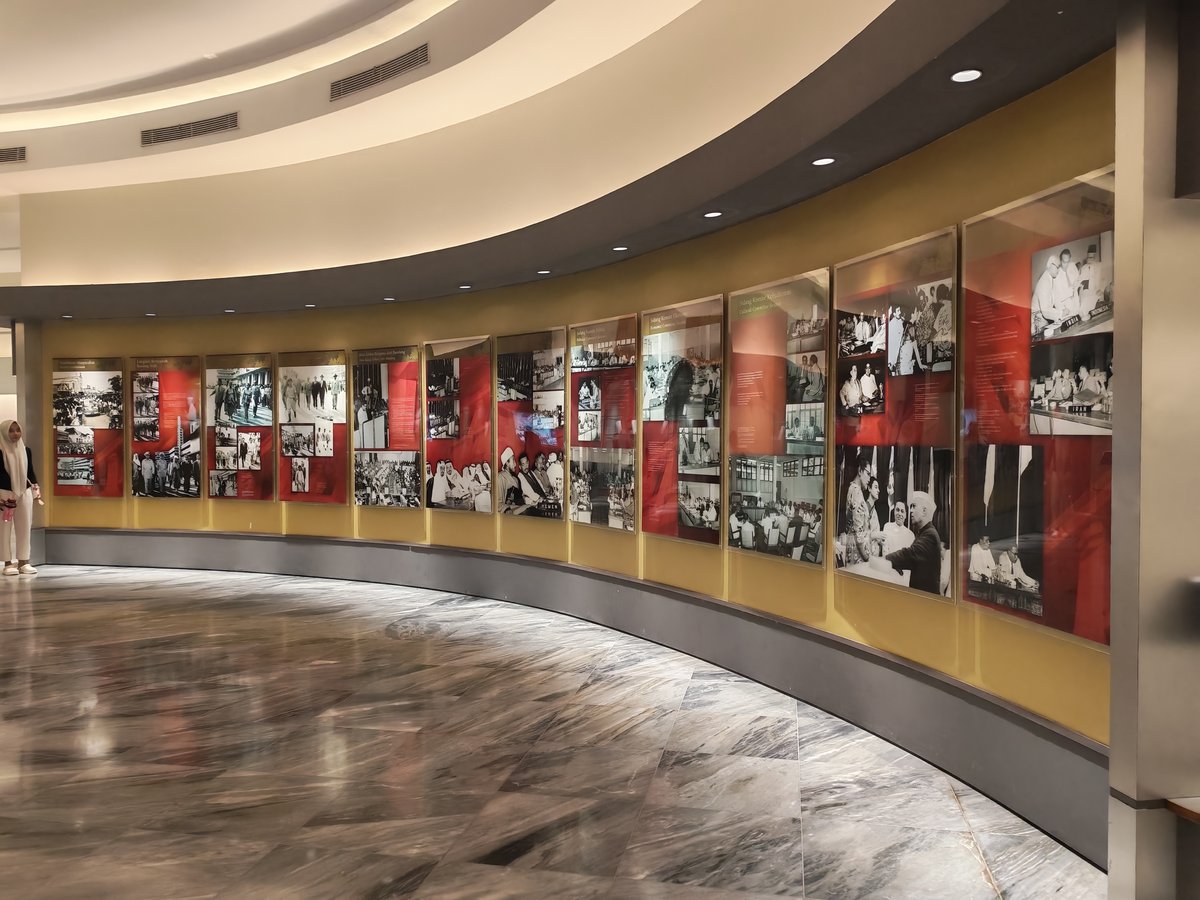
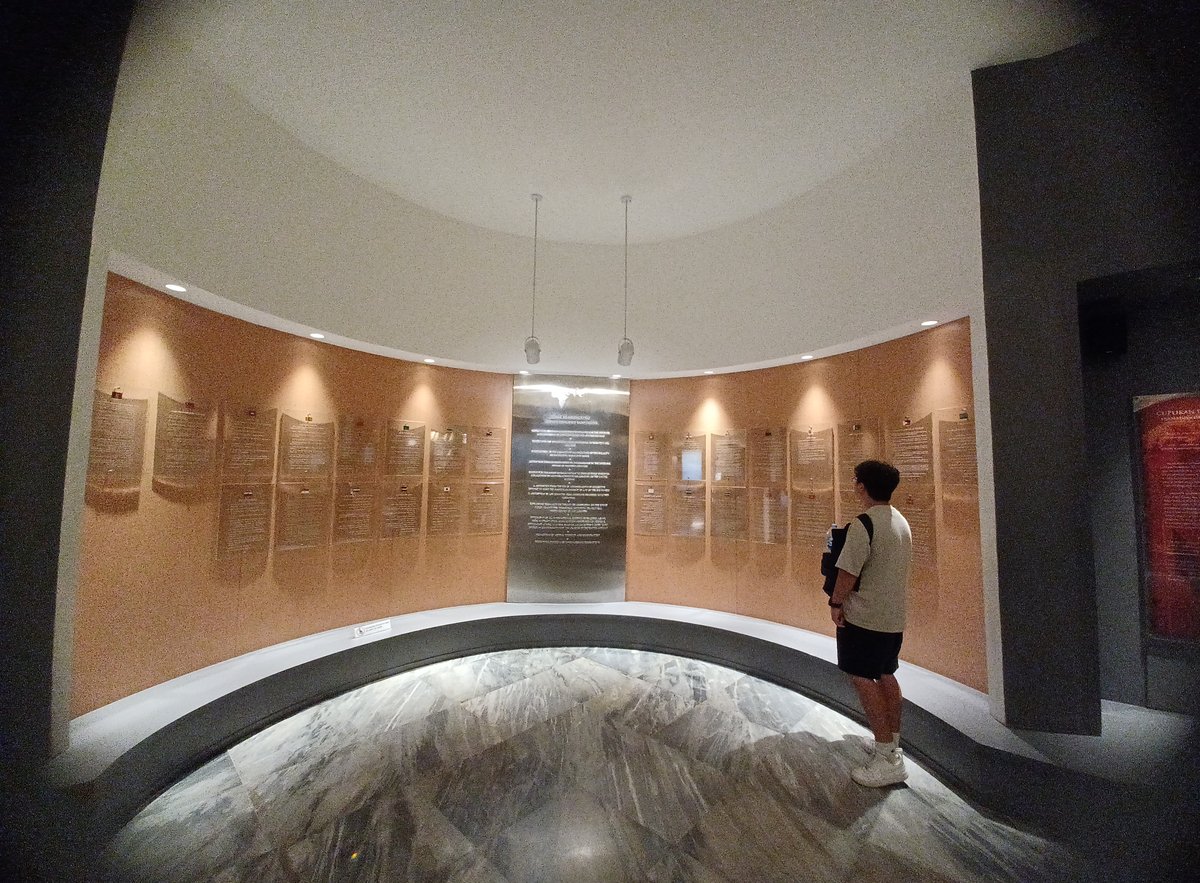
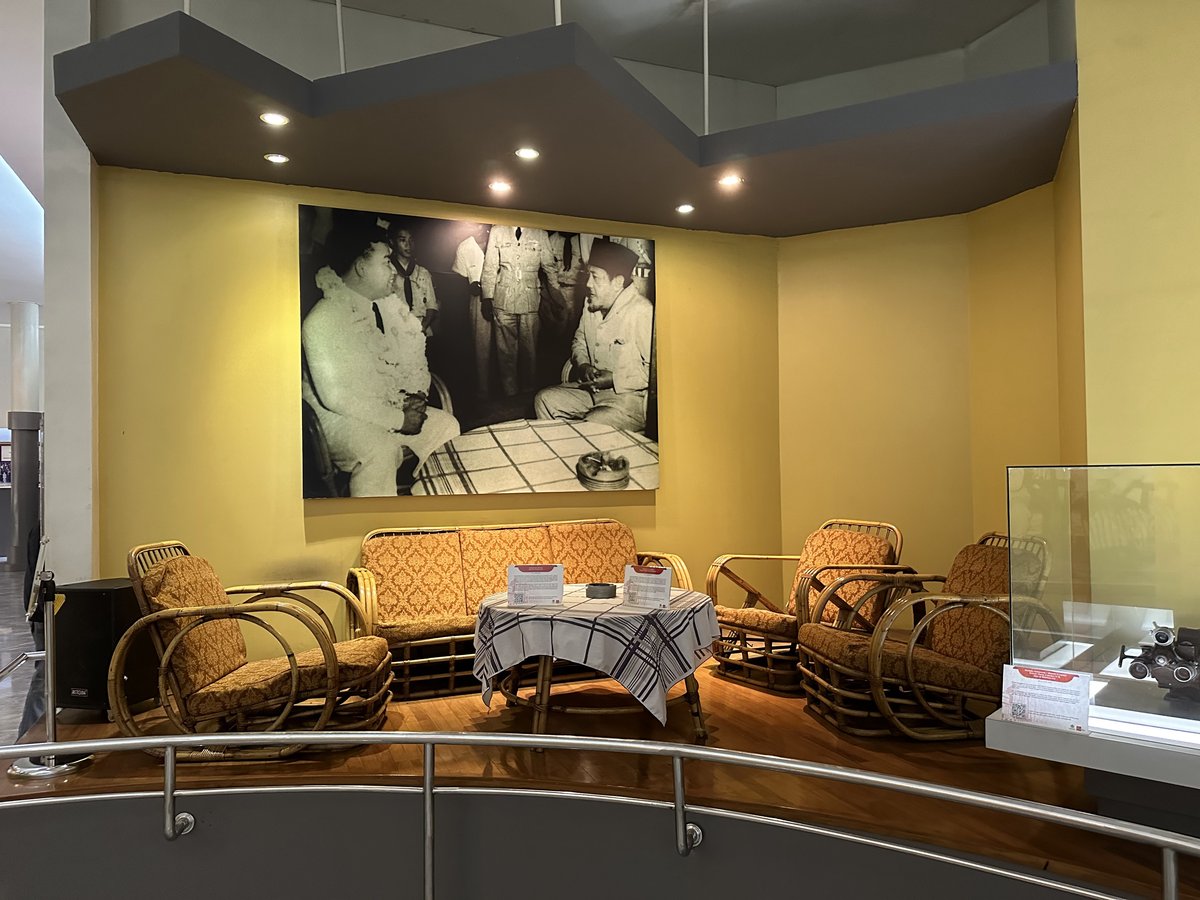
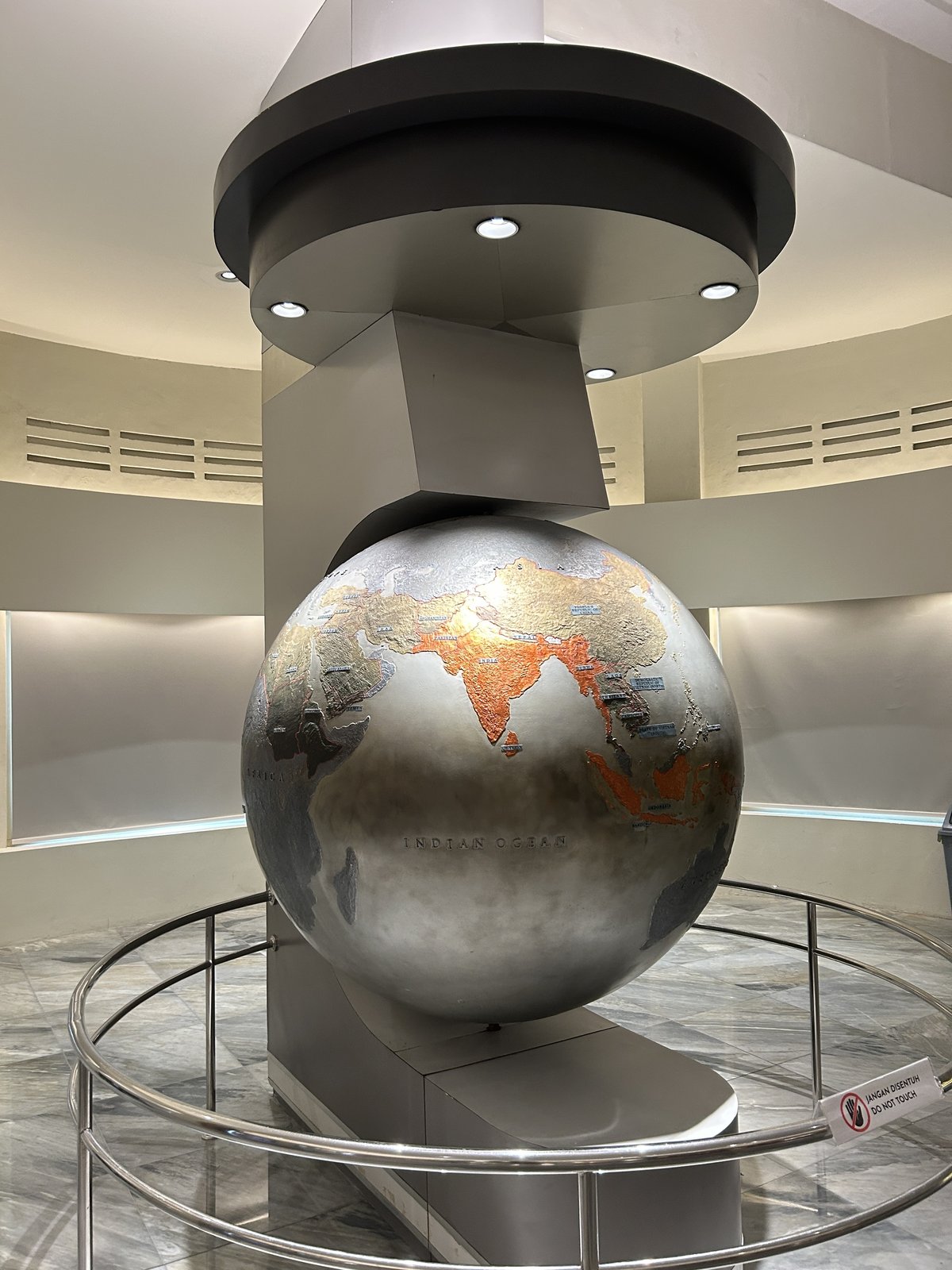
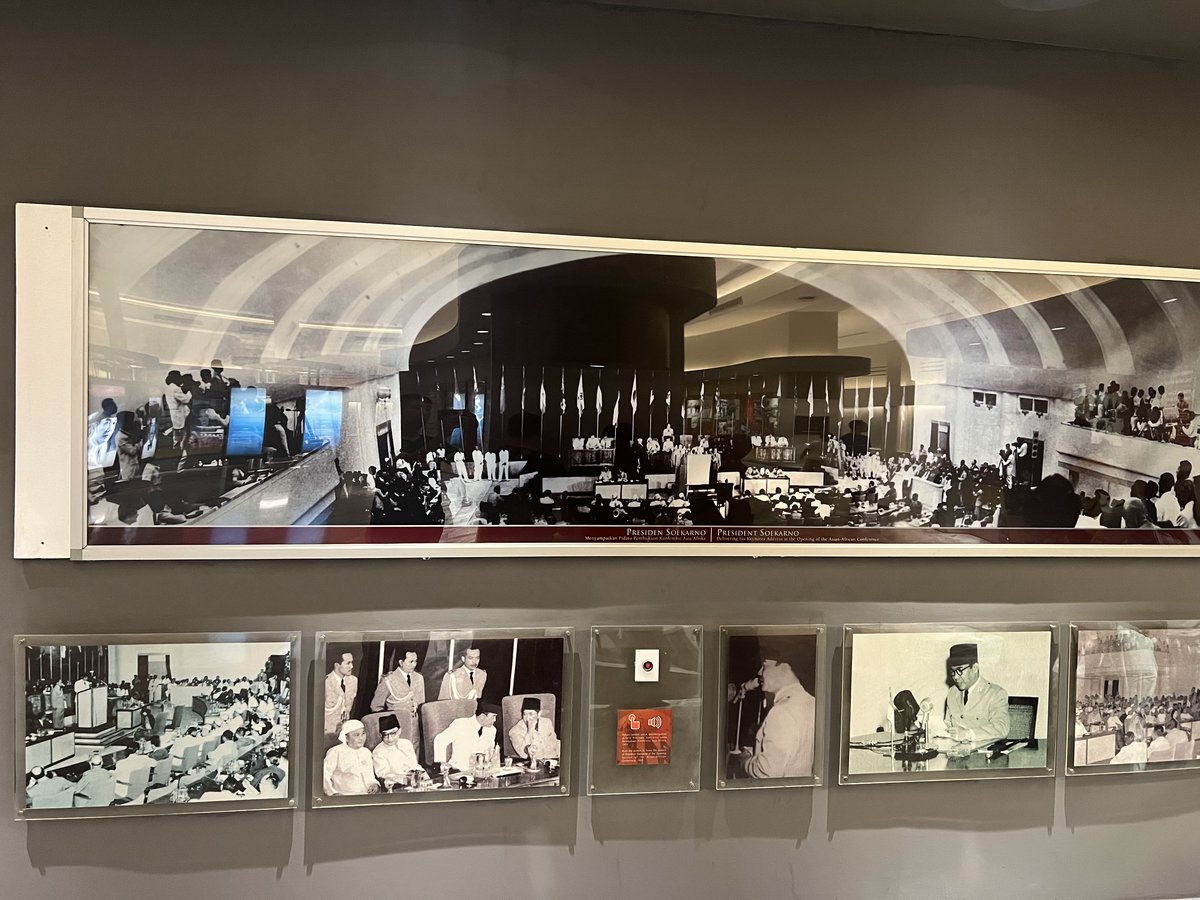
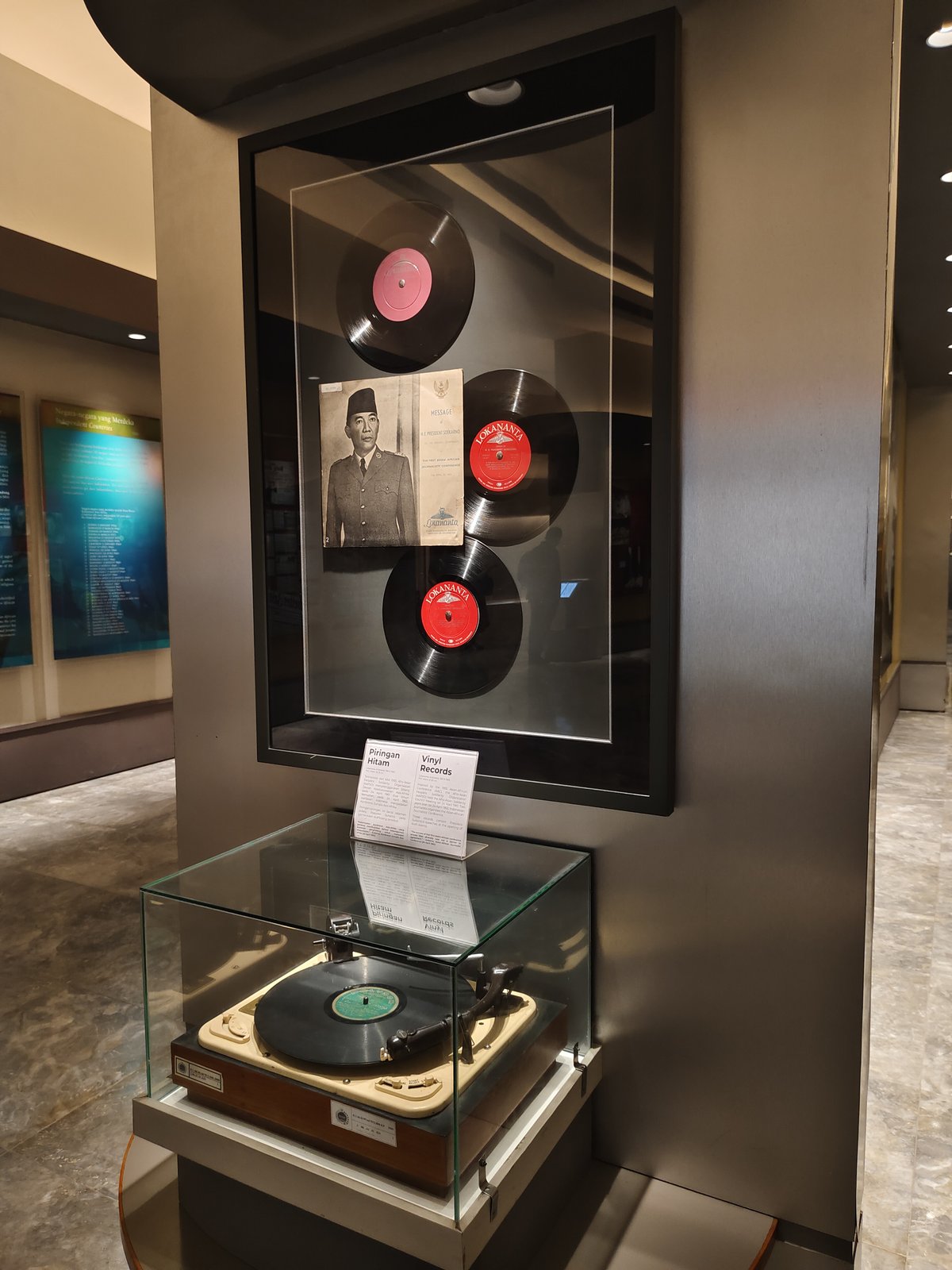
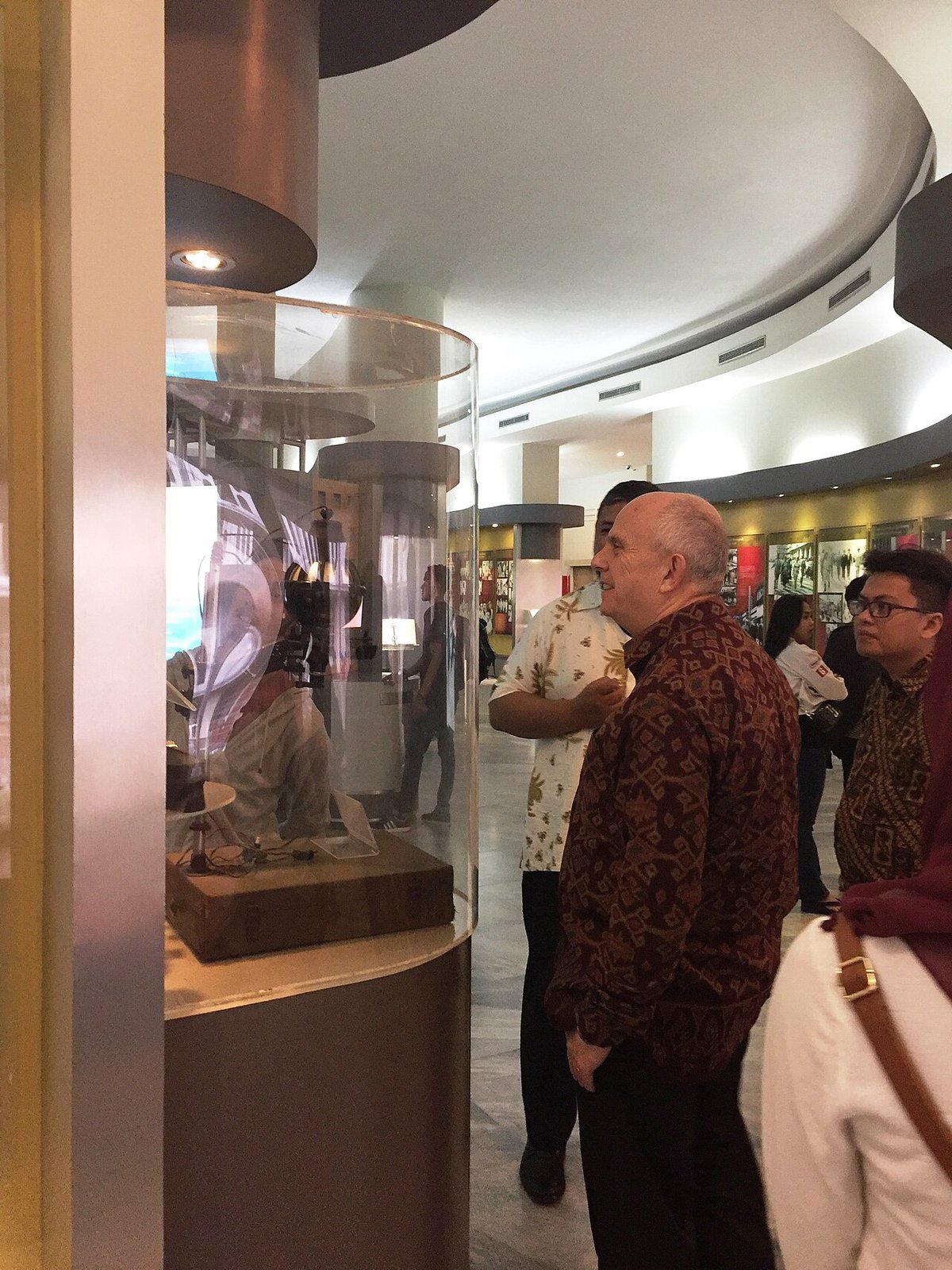
Visitors will be treated to a structured, serene, and immersive learning experience. The majority of the museum’s collection consists of historical photographic documentation, diplomatic manuscripts, replica meeting chairs, regional maps, and artifacts from prominent national figures of the 1950s. The current visitation system is highly organized, requiring prior registration to select an entry time slot. This ensures visitor comfort and educational quality, as attendance is capped per session to maintain the tranquility of the exhibition halls. While touring, you will be guided through a chronological narrative detailing the conference preparations, key agendas, the courage of the delegates, and its long-term impact on global politics. Additionally, every April, the museum frequently hosts special events such as stamp rallies, encouraging visitors to collect commemorative stamps in dedicated booklets, thereby adding an interactive dimension to the educational experience.
Admission and Ticket Pricing
There is no admission fee to visit this museum. Access to learn about and explore the history of international diplomacy is entirely free for the public, reflecting the spirit of openness and education that forms the core of this site. However, due to the free admission, museum management implements a strict reservation system to manage visitor flow. You can register online via the museum’s official website or utilize the QR code scanner available on-site. This system caps the number of participants per session, recommending that you schedule your visit at least a few days in advance. This policy not only preserves the collection but also guarantees a calm and focused experience for every guest.
Operating Hours
The museum is open on Wednesdays, Thursdays, Fridays, and Saturdays. Operating hours are divided into two sessions to accommodate visitors with flexible scheduling. The first session runs from 09:00 to 12:00, while the second session begins at 13:00 and concludes at 15:00. Please note that the museum is closed on Mondays, Tuesdays, and Sundays for collection maintenance and operational preparation. To ensure a smooth visit, it is highly recommended to always check for schedule updates on the official museum website before departing, especially if you plan to visit on public holidays or during special commemorative events. You may also contact 0851-7343-1955 for further confirmation regarding session availability.
Getting There
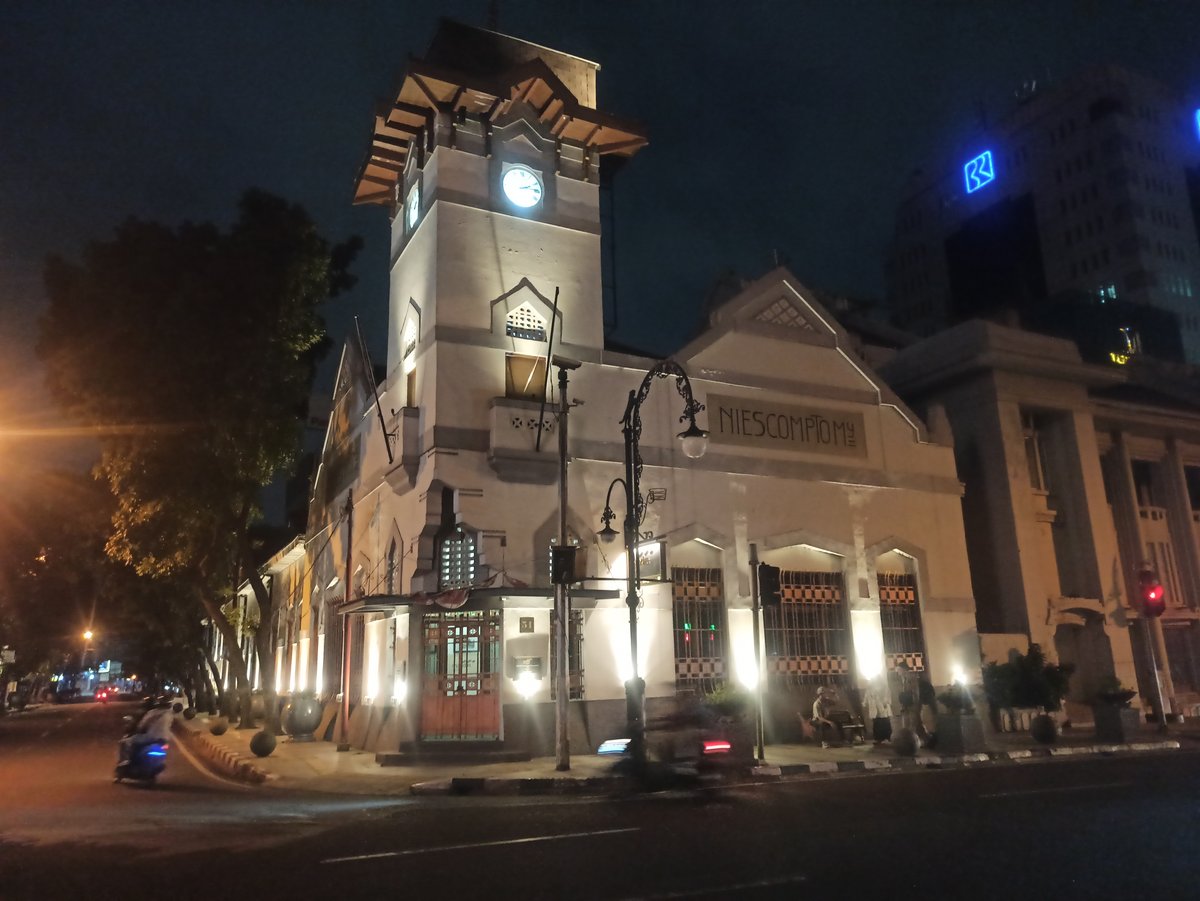
The museum is strategically located at Jalan Asia Afrika No. 65, Bandung City, West Java 40111. Access to the site is easily reachable by various modes of transportation. Public transport users can take the Trans Metro Bandung bus or a shared taxi (angkot) along the Jalan Asia Afrika corridor, then walk a few hundred meters toward the Braga district. Private drivers can use mapping applications or GPS with the search term "Museum Konferensi Asia Afrika". Although the surrounding area is a busy main road, you can utilize parking spaces available nearby or leave your vehicle at the nearest public parking facility on Jalan Braga. The location is also highly pedestrian-friendly, allowing you to enjoy a historical journey while strolling through Bandung’s iconic heritage district, easily accessible from various points in the city center.
Practical Tips for Visitors
To ensure an optimal visit, consider the following practical recommendations. First, schedule your visit online through the museum’s official website, as session quotas are limited and often fill up quickly. Second, arrive at the site ten minutes before your session begins to facilitate identity verification and guide reception. Third, wear comfortable and modest attire, as the museum environment requires a quiet and focused atmosphere. Fourth, allocate approximately one to one and a half hours to explore the entire exhibition space at a leisurely pace. Fifth, take advantage of the April events to participate in special activities like the stamp rally, but ensure you register well in advance due to the limited availability of stamp booklets. Finally, maintain area cleanliness, refrain from using camera flashes during photography, and avoid excessive whispering to ensure the comfort of fellow visitors.
Visitor Reviews
"This was my first time visiting the Asia-Africa Museum, and it wasn’t particularly crowded. It got slightly busier when we entered at the same time as a school group, but it was still manageable. You must register before entering and can select your preferred time slot. Each session is limited to only a few people."
"For a museum, this place is relatively small, but the building was historically quite large, making it perfectly suitable for a conference. Most of the collection consists of photographs, and there is no admission fee. Registration is required beforehand via the website or by scanning a barcode on-site."
"A must-visit destination when in Bandung, completely free of charge. Entry only requires scanning a barcode, filling out a form, and selecting your arrival time. It is highly impressive and excellent for expanding your historical knowledge."
"The museum is strategically located on a main road. There is no entrance fee; you only need to register online according to your visit time. The space is cool and clean, featuring a substantial amount of infographics."
"The reservation process is now handled directly through the website. If the schedule is fully booked, you can only secure a slot in the final 15:00 session. Due to the limited time, the touring experience becomes somewhat less comprehensive."
The Asia-Africa Museum stands as undeniable proof that Bandung is recognized not only as the City of Flowers but also as a pioneer of Asia-African diplomacy that inspired colonized nations worldwide. With meticulously documented collections, a modern visitation system, and free admission accessible to all, the museum effectively bridges the past and the present. You will gain a fresh perspective on the importance of international cooperation, tolerance, and historical awareness—values that remain highly relevant today. Plan your visit to Jl. Asia Afrika No. 65 without delay, and let this inspiring history guide your steps toward a deeper understanding of Indonesia’s role on the global stage.