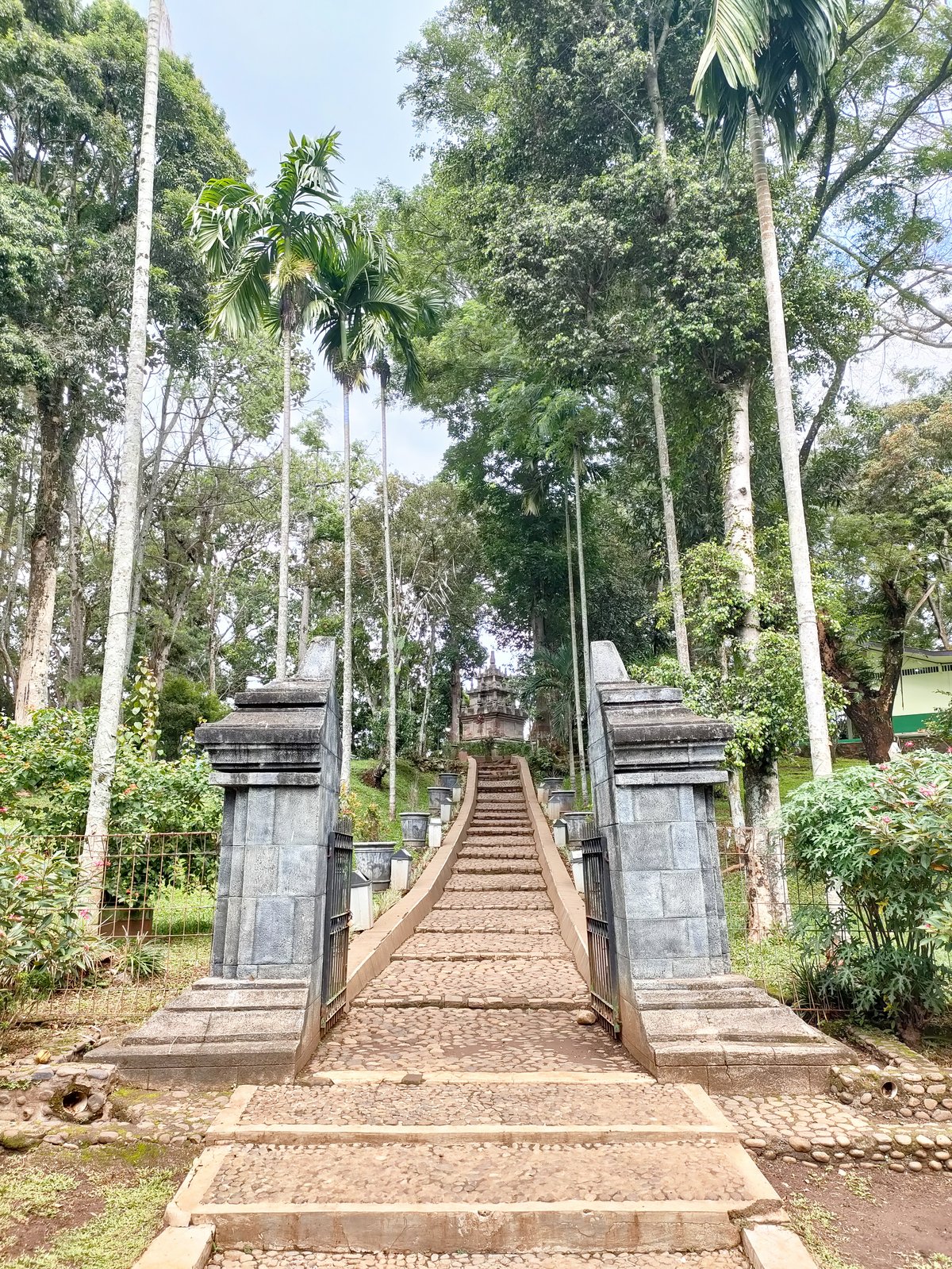
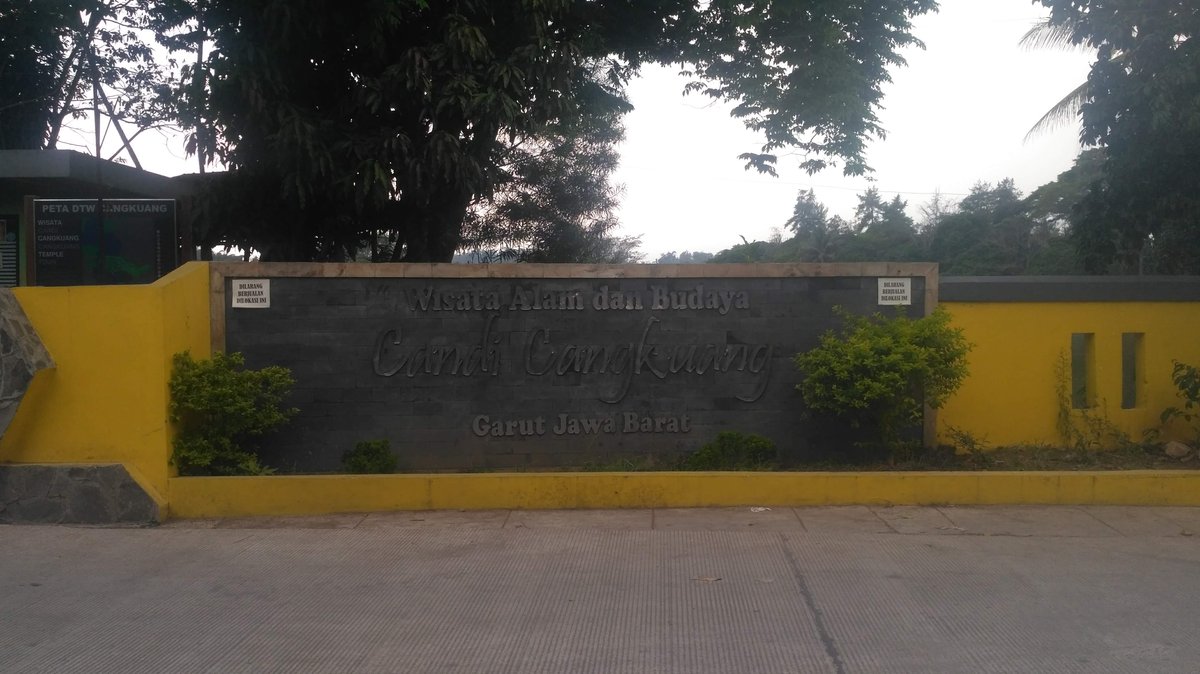
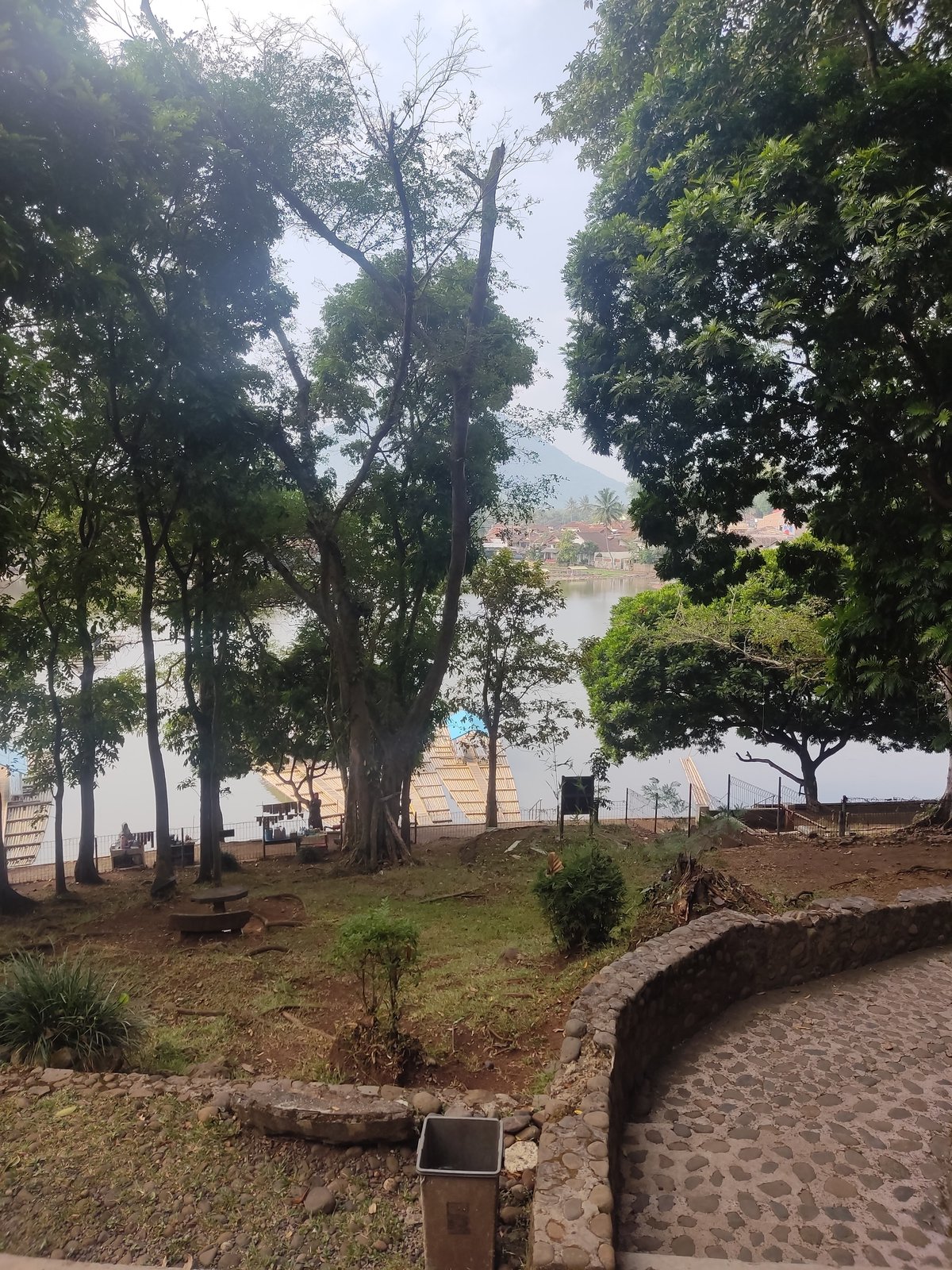
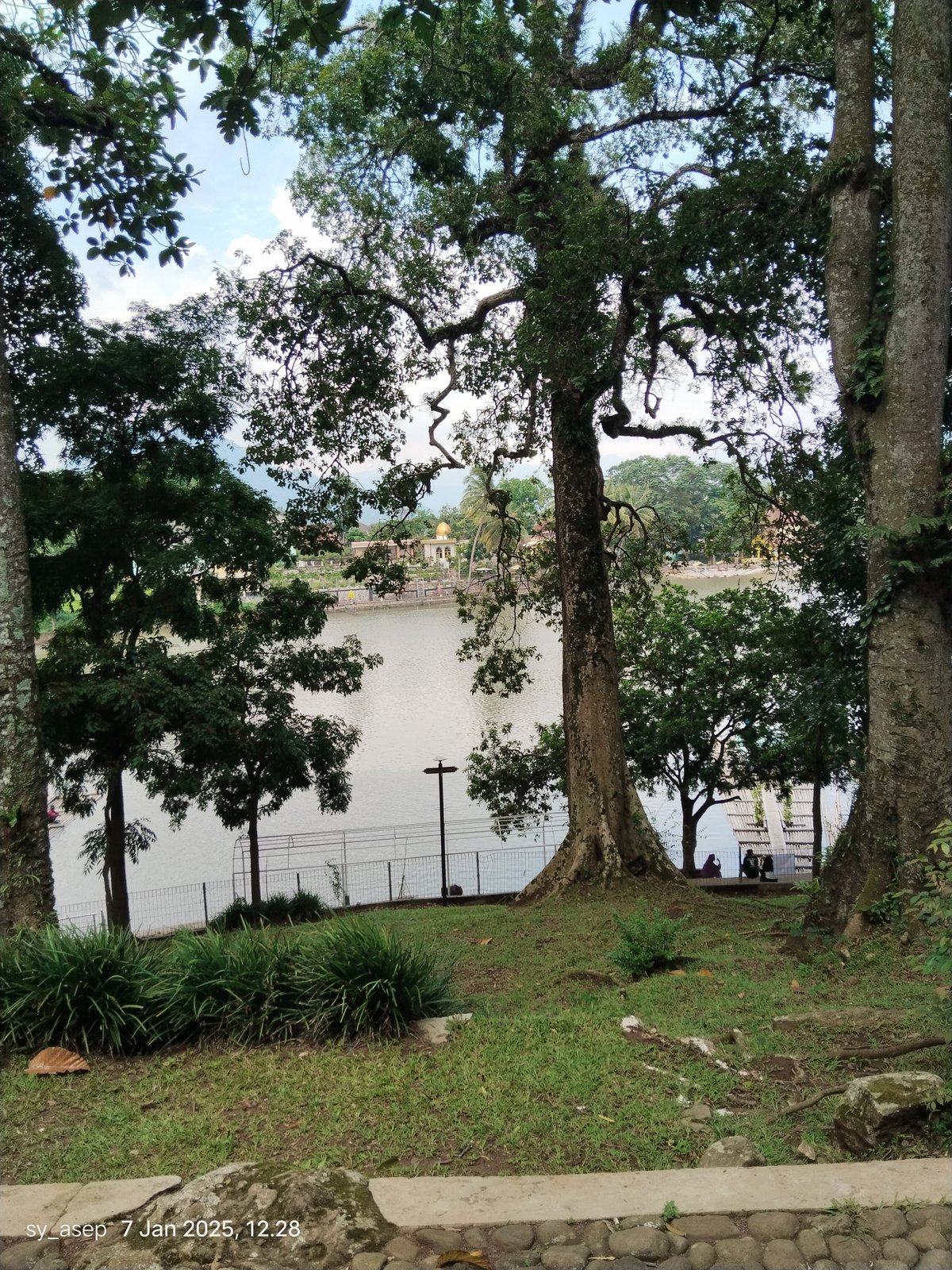
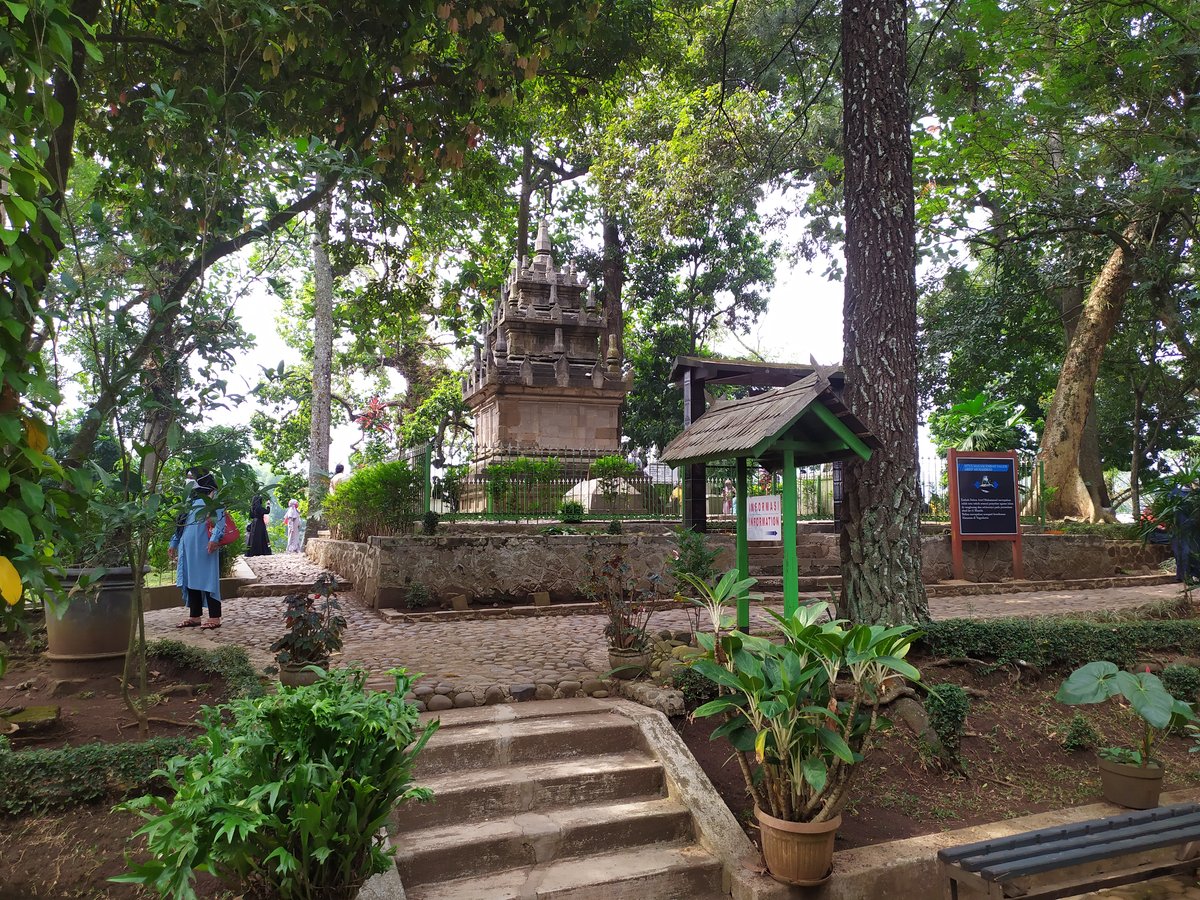
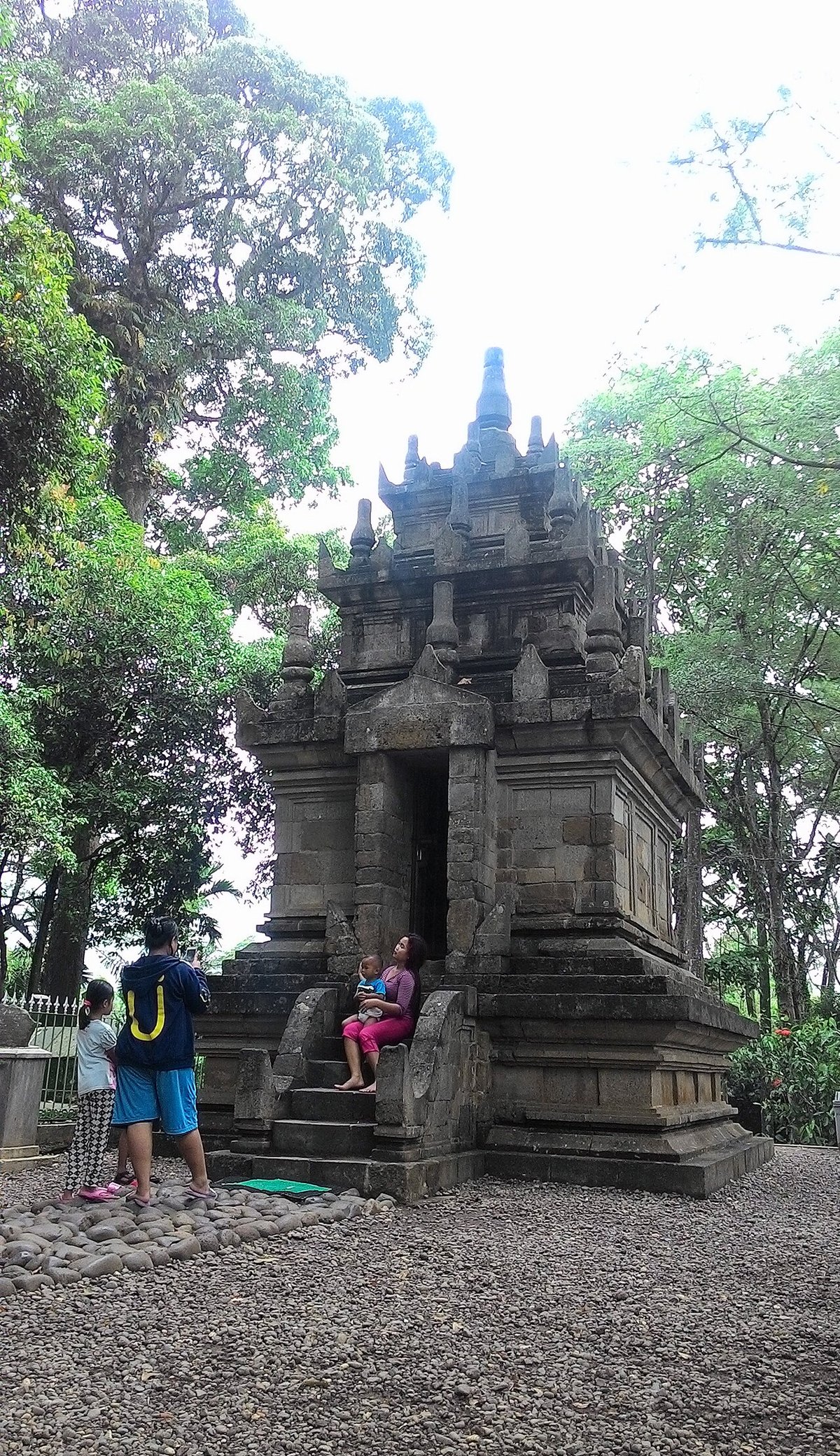
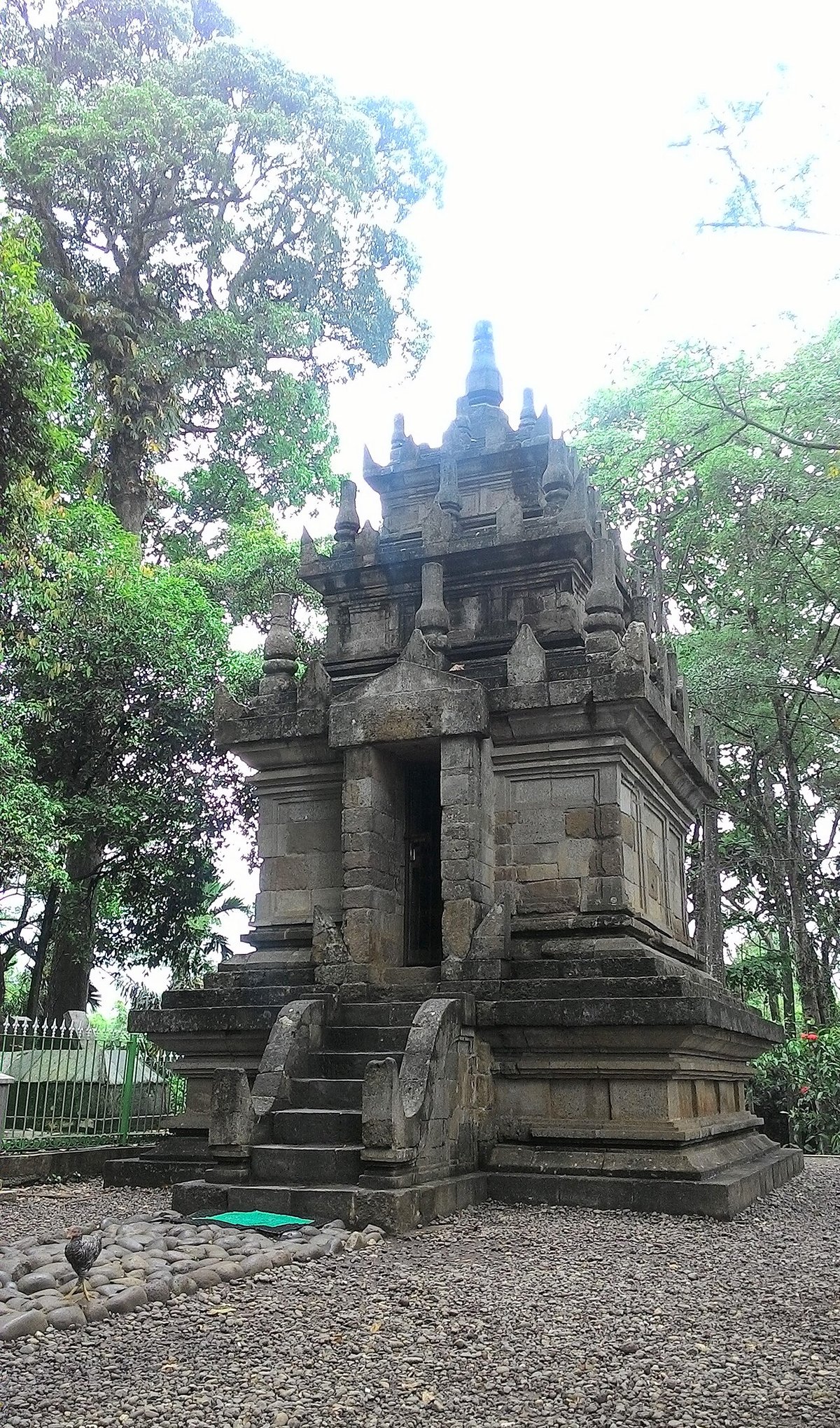
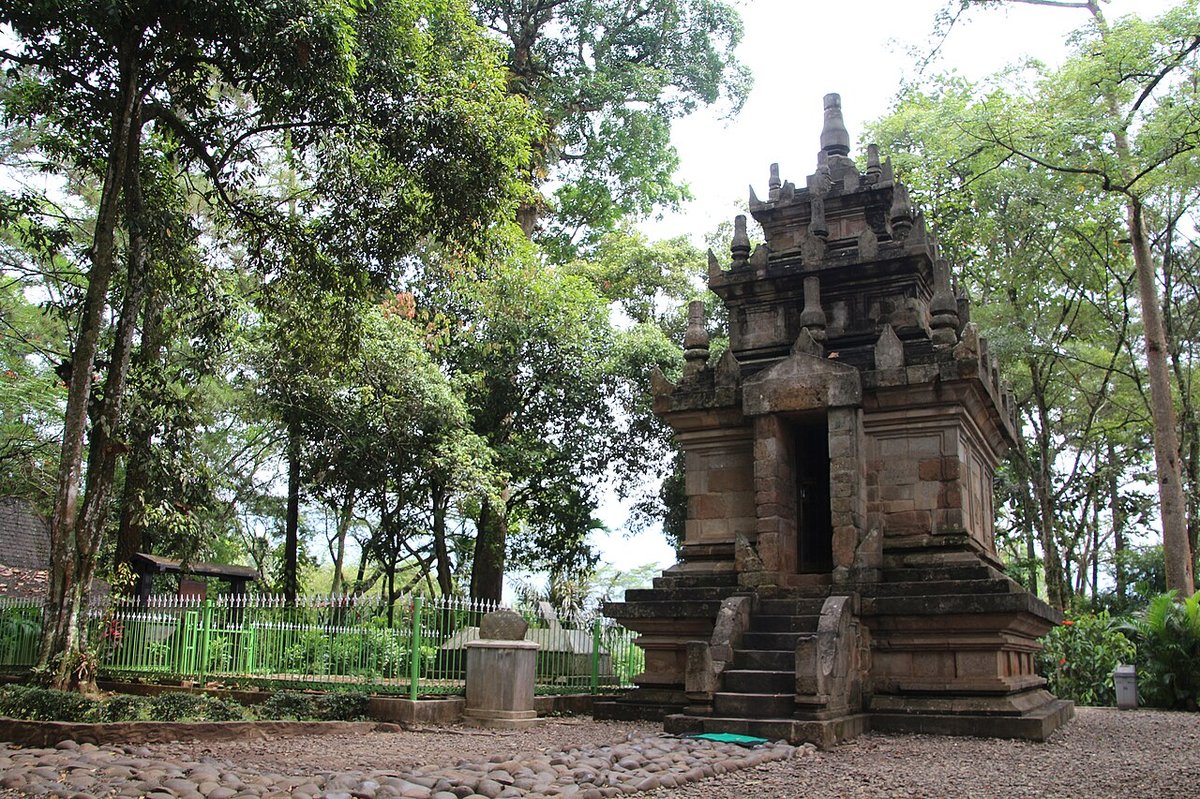
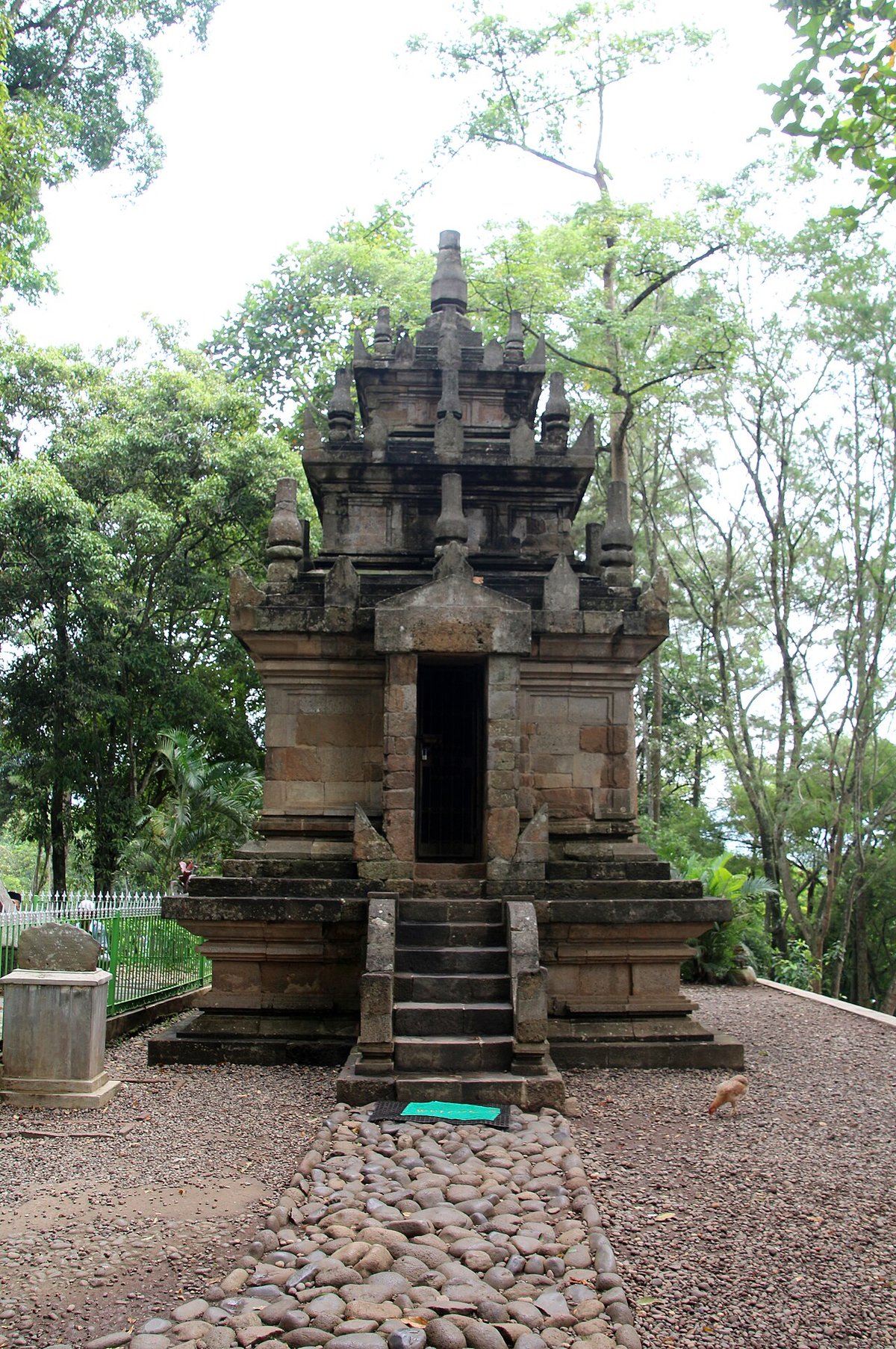
Situated along the tranquil shores of Situ Cangkuang Lake, Candi Cangkuang offers a harmonious blend of ancient historical heritage and the serene natural landscapes of West Java. Boasting a rating of 4.5 from over 3,900 reviews, the site has become a compelling destination for travelers seeking authentic cultural experiences. The presence of this Hindu-era temple, now carefully preserved by the indigenous community of Kampung Pulo, creates a deeply spiritual atmosphere. Visitors are greeted by lush, sprawling canopies that provide respite from the midday heat, while the crystal-clear waters of the lake enhance the area's tranquil ambiance. This site is far more than a mere photo opportunity; it serves as a contemplative space that connects you with the enduring legacy of ancestral civilization.
📸 Photo Gallery
Why Visit This Destination
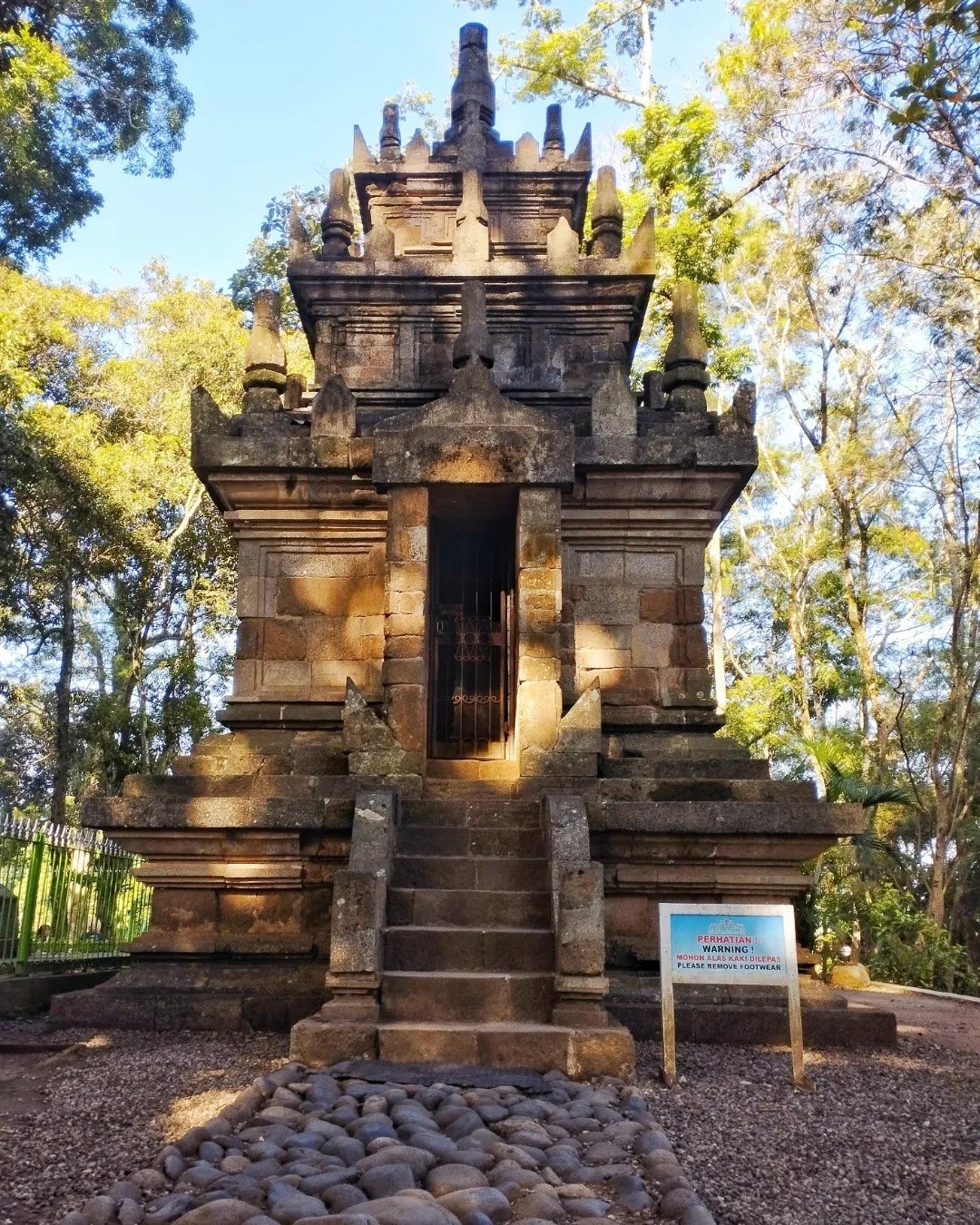
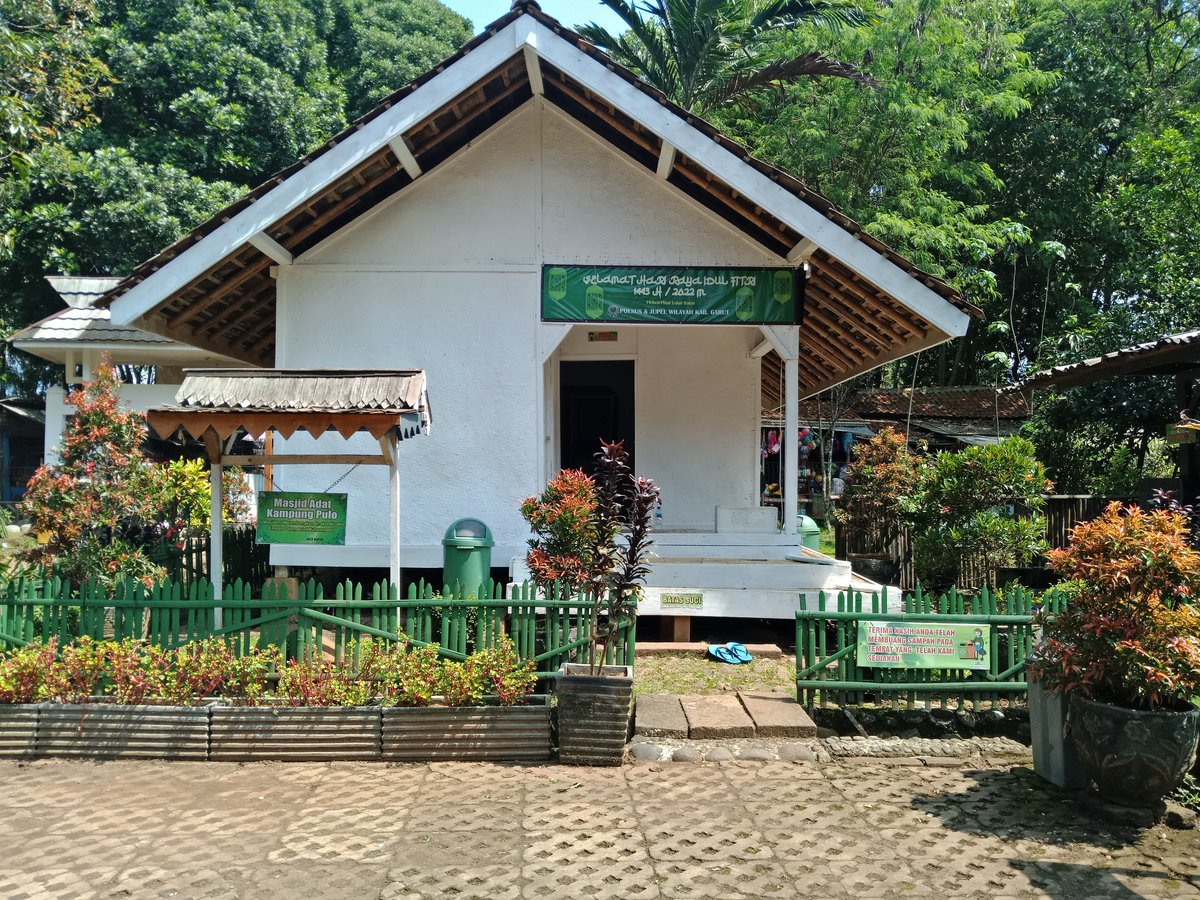
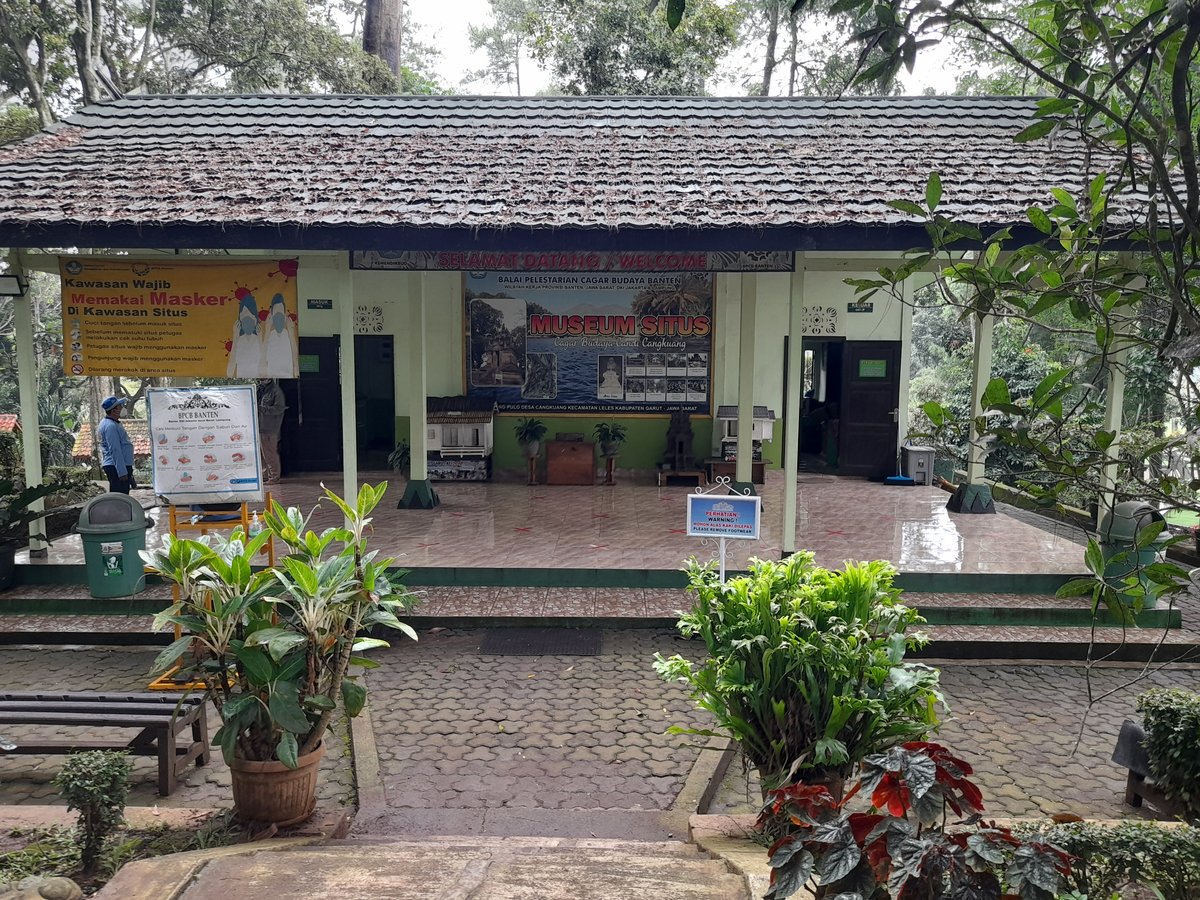
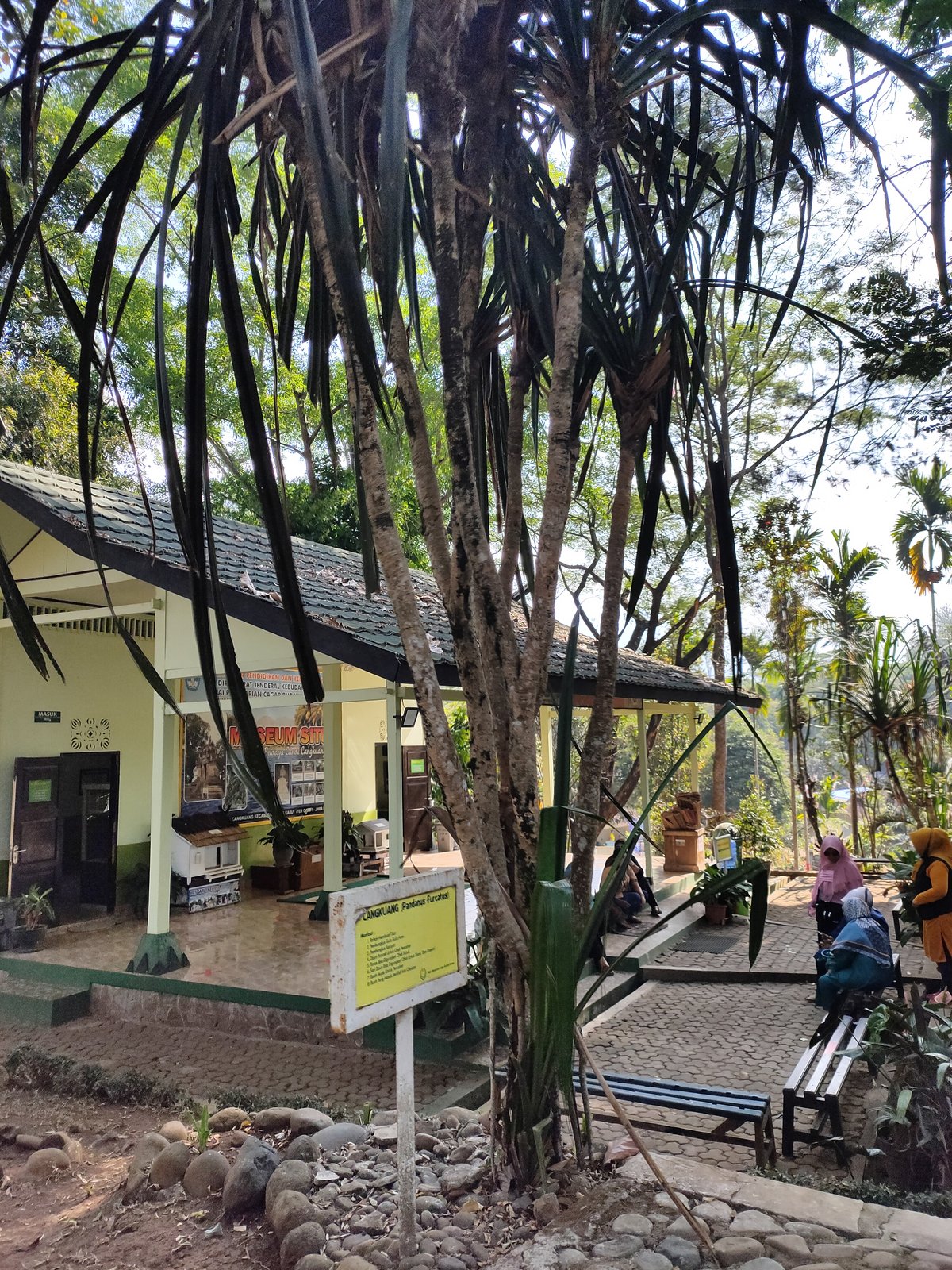
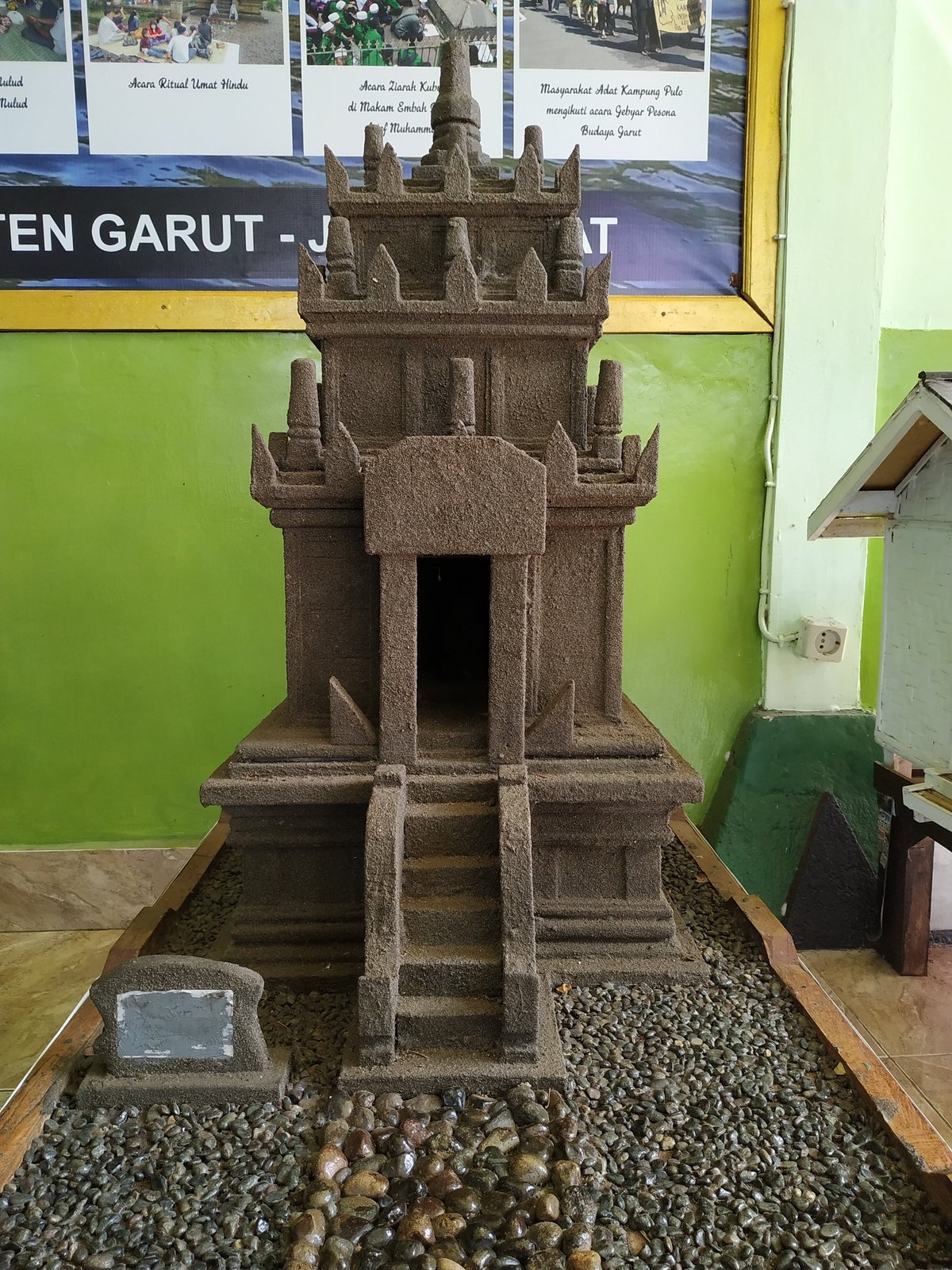
Your visit to Candi Cangkuang will be enriched by a profound understanding of the historical religious transition that shaped the Priangan highlands. This heritage site stands as tangible proof that prior to the 17th century, the local population adhered to Hindu beliefs. Following the influence of the Mataram Kingdom, Islam gradually integrated into the region without eradicating deeply rooted indigenous traditions. This unique cultural synthesis is evident in the site's management, which remains under the stewardship of village elders, allowing visitors to observe firsthand how cultural harmony is woven into the daily lives of Kampung Pulo residents. In addition to the main temple, which has undergone extensive reconstruction, the area houses a small museum preserving archives and ancient manuscripts dating from the 16th to 17th centuries. Its strong preservation standards make it a highly valuable educational destination for students, university scholars, and general travelers alike.
Experiences to Enjoy
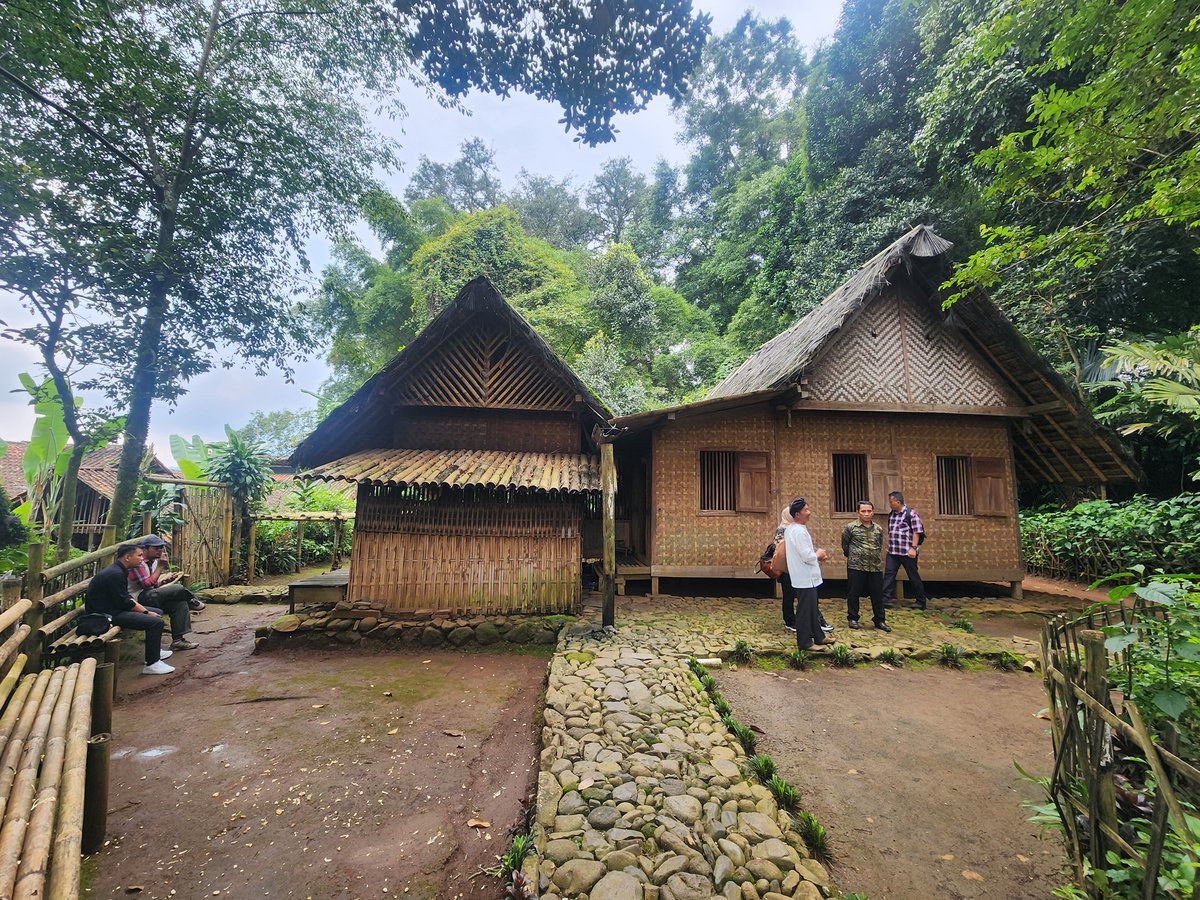
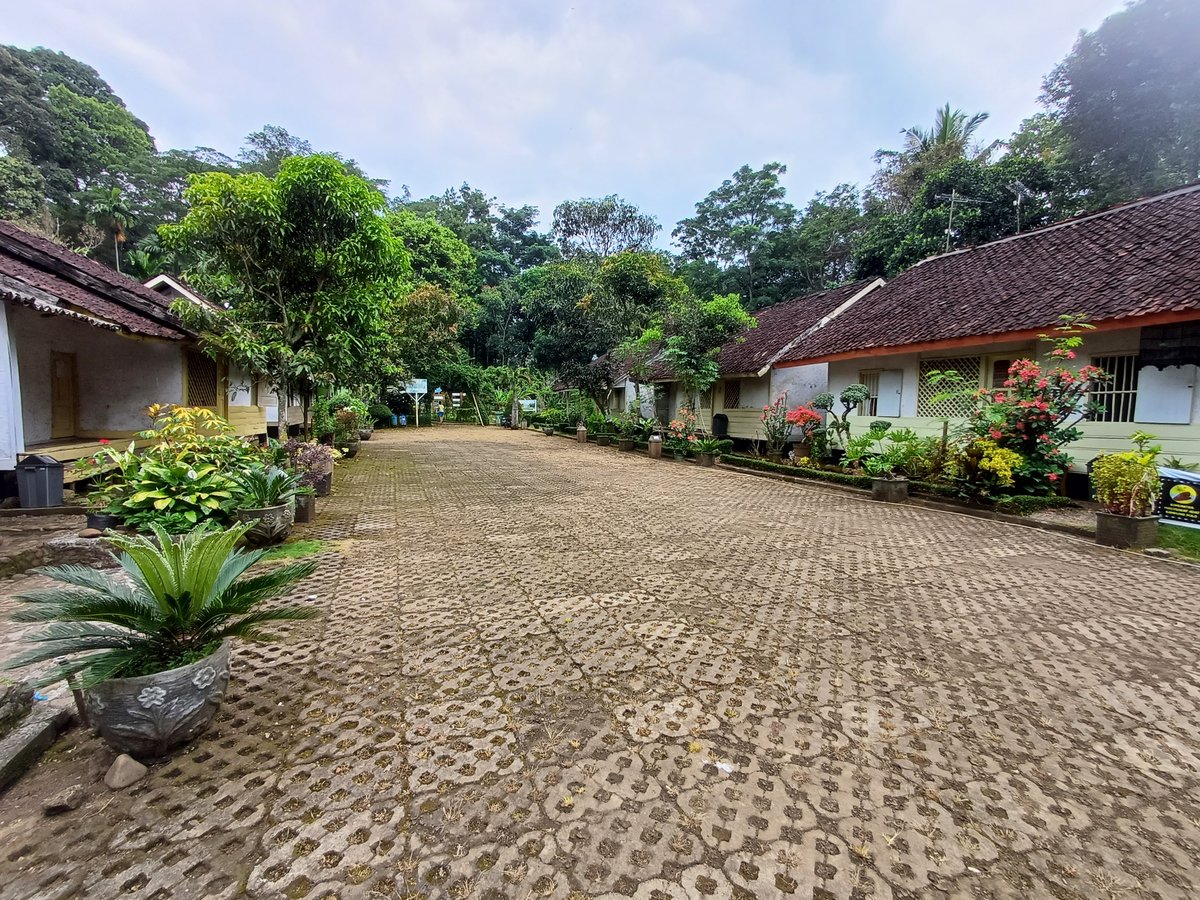
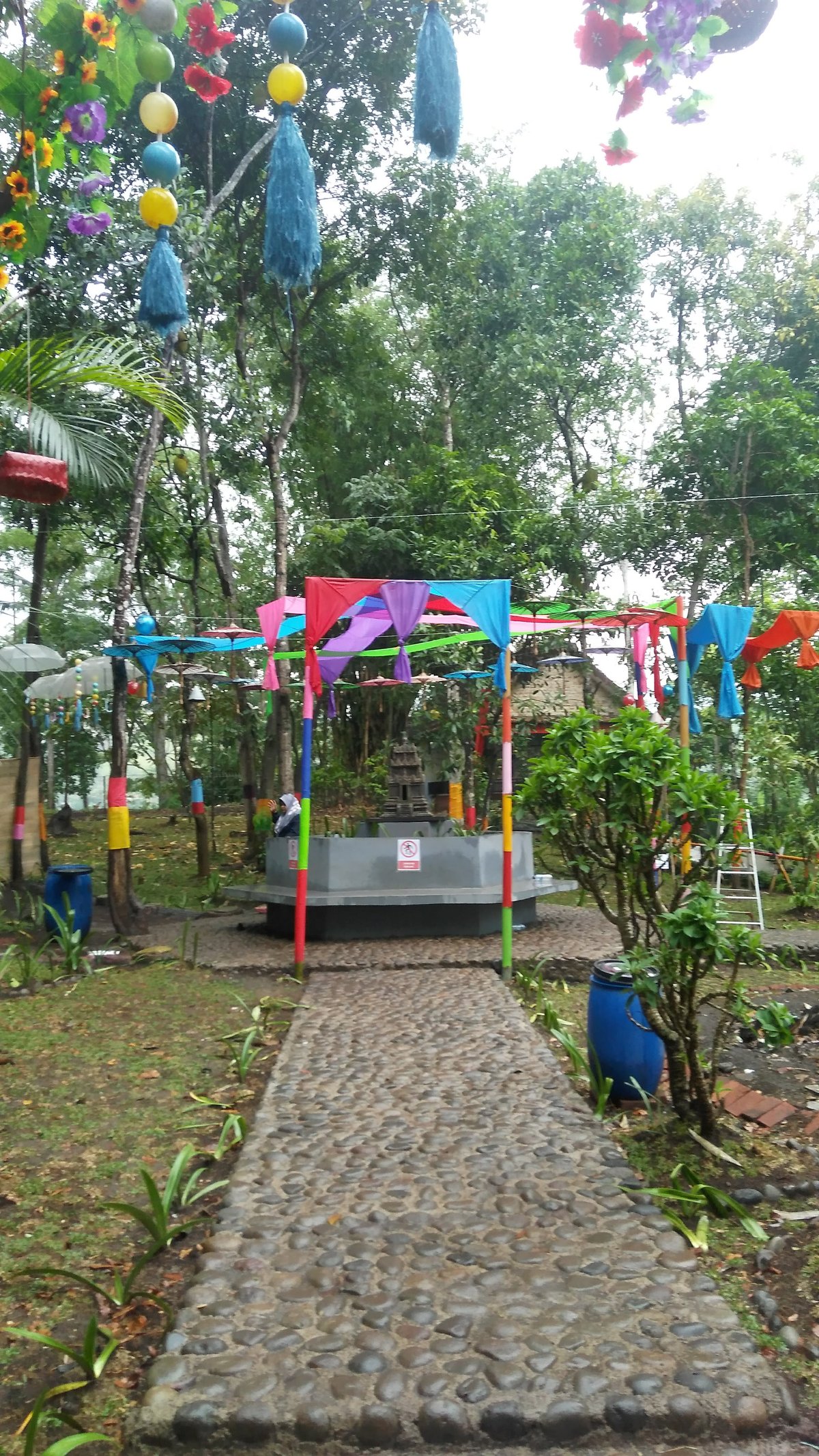
You will experience a traditional crossing to reach the temple grounds via a wooden raft on Situ Cangkuang. This activity is more than mere infrastructure; it is an integral part of a time-honored ritual welcoming visitors to a sacred site passed down through generations. Upon reaching the small island, you can explore the temple complex, characterized by its red brick and andesite stone structures, complete with statues and inscriptions that recount historical narratives. Surrounding the temple, you may also visit a communal cemetery and the indigenous village settlement, which continues to preserve traditional architectural styles. The cool shade provided by the canopy of mature trees offers a comfortable environment for leisurely strolls or simply sitting to enjoy the natural coolness. For photography enthusiasts, the soft morning or late afternoon light is ideal for capturing the temple's silhouette against the backdrop of the lake and verdant foliage.
Dining and Culinary Options
The area does not feature modern restaurants or cafes, meaning your culinary experience will be self-directed and traditional. At the entrance gate, you will find local vendors offering affordable snacks, refreshing beverages, and regional souvenirs. Many visitors bring their own meals to enjoy a picnic lunch in the temple grounds or along the lakeshore. It is highly recommended to pack food from home to fully immerse yourself in the surroundings while supporting the eco-friendly tourism principles maintained by the site.
Admission Fees and Tickets
The cost of visiting Candi Cangkuang is highly reasonable, aligning with its budget-friendly tourism classification. Individual admission tickets are priced at approximately Rp 15,000 per person, particularly on weekends. Additionally, you should budget an extra Rp 10,000 per person for the raft crossing service, along with a vehicle parking fee of Rp 10,000 per unit. Please note that all transactions at the site are cash-only, as QRIS or EDC payment terminals are not yet available. The raft ferry operates with a maximum capacity of 15 passengers per vessel, requiring visitors to wait until the boat is full before departure.
Operating Hours
Candi Cangkuang is open every day without exception, from 07:30 to 17:00 Western Indonesia Time (WIB). Plan your visit for the early morning to avoid crowds and enjoy cooler temperatures, or in the late afternoon following the Asr prayer to experience a more tranquil and mystical atmosphere. Ensure you arrive before 16:30 to allow sufficient time to explore the entire grounds and return via the raft crossing.
Getting There
Candi Cangkuang is located at Jalan Darajat Leuwigoong, Jl. Raya Cangkuang, Cangkuang, Leles District, Garut Regency, West Java 44119. Traveling from central Bandung by road takes approximately two to three hours, depending on traffic conditions. It is advisable to use a private vehicle or hire a car with a driver familiar with the Garut route. Upon arrival at the tourist area, ample parking space is available for both cars and motorcycles. The access road to the site is fully paved and sufficiently wide for comfortable travel. You can also easily locate the venue using digital mapping applications by searching for "Candi Cangkuang Garut."
Practical Visitor Tips
As a travel writer, I recommend carrying small-denomination cash to facilitate ticket and raft fare payments. If traveling with only one or two companions, it is advisable to wait until the passenger limit is reached to ensure a timely departure. Wear comfortable, sturdy footwear suitable for walking on uneven dirt and stone surfaces. Respect local customary regulations, such as refraining from bringing food into the main temple area and dressing modestly. Additionally, bring sunscreen and a personal water bottle to maintain comfort while exploring the expansive grounds.
Visitor Reviews
"Entry fee is 15,000 IDR per person on weekends. Payment must be in cash since there's no QRIS or EDC. We were then directed to take a sampan to the temple. Oh, it's actually paid. I wondered why it was so troublesome to take the same raft and wait for other passengers. The management is amusing—there's an entry fee for the temple, but the access is privately managed? Meaning you have no choice but to take the paid raft."
"Arrived right after Asr prayer. Not too crowded, peaceful and mystical atmosphere, and the air was cool due to the many trees. To reach the temple, you take a boat, paying 10,000 IDR per person. Each boat requires at least 15 passengers, so if you're only going as a pair, it's better to find companions to speed up the process and enjoy the ride together."
"Candi Cangkuang is one of the Hindu heritage temples in West Java. To enter the temple, you must first cross Situ Cangkuang by raft. The temple surroundings are very comfortable, shady, and lush. Next to the temple lies the cemetery of the Kampung Pulo elders. There is also a museum storing archives and ancient manuscripts from the 16th and 17th centuries."
"It is said that prior to the 17th century, the local community practiced Hinduism, as evidenced by the temple ruins. Post-17th century, Islam, brought by Mataram Kingdom officials, gradually entered the area and transformed the environment into an Islamic one, yet it never completely erased the local ancestral customs."
"Nature and cultural heritage tourism, perfect for family vacations and students/university scholars. Budget-friendly but truly enjoyable. Don't forget to take the raft crossing, and bringing your own lunch makes it even better."
Candi Cangkuang proves that historical heritage does not need to stand as a monumental ruin to remain deeply respected. With its tranquil atmosphere, community-led management, and strong educational value, the site offers a profoundly meaningful travel experience for every visitor. You will leave with a renewed understanding of cultural acculturation in West Java and a lasting impression of how tradition endures amidst modernity. Plan your visit with careful preparation, respect all prevailing regulations, and allow the serenity of this area to provide the peace you seek.