Nestled in the bustling urban heart of Yogyakarta, the Rejawinangun Pesanggrahan Site stands as a silent witness to the former glory of the Mataram Sultanate. This location offers an unexpected journey through time, where distinctive Javanese architecture blends seamlessly with a tranquil atmosphere amid residential neighborhoods. Boasting a 4.4 rating from over 6,400 reviews, the site is widely recognized as a worthy historical destination. Visitors will encounter a cultural heritage building that retains its authentic form, alongside the rich narratives preserved within every brick wall and ancient *plengkung* (traditional Javanese wooden gate).
📸 Fotogalerie
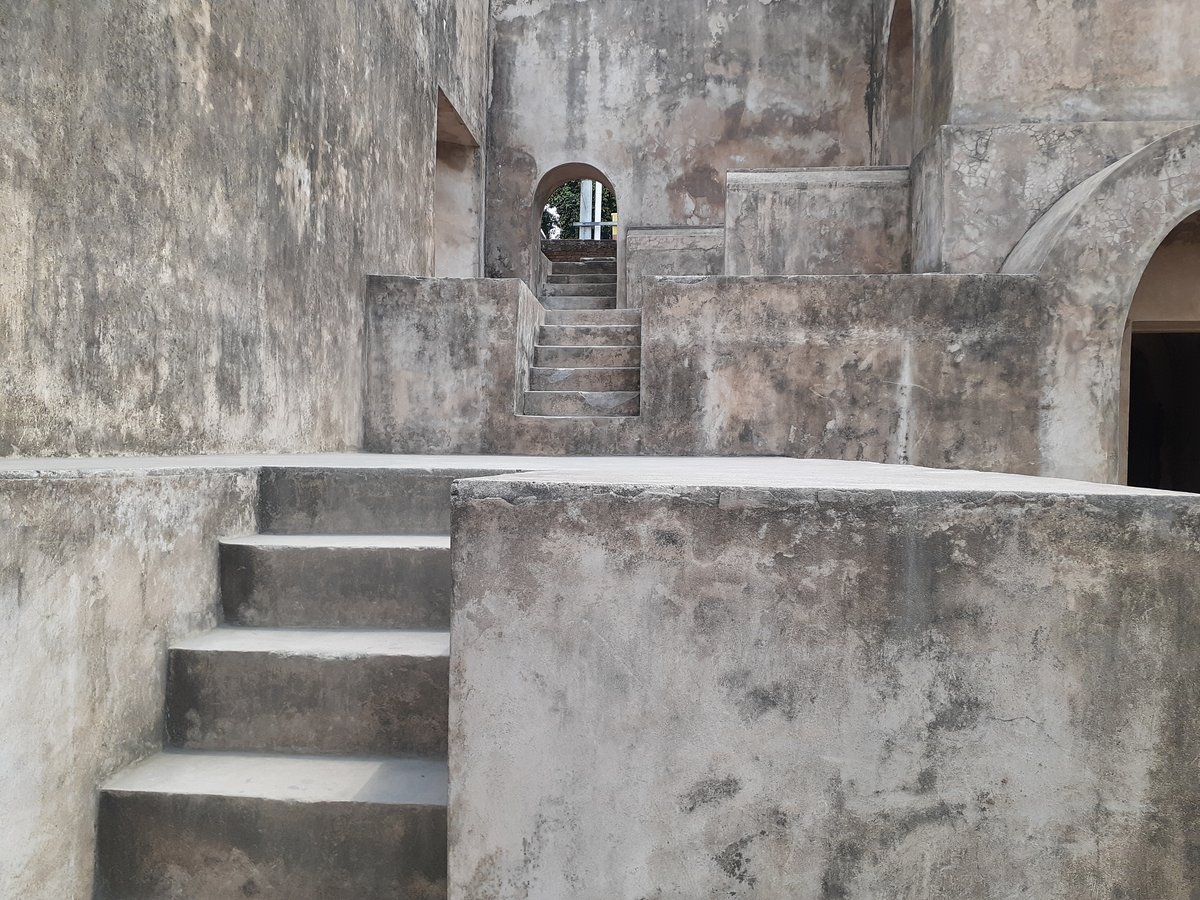
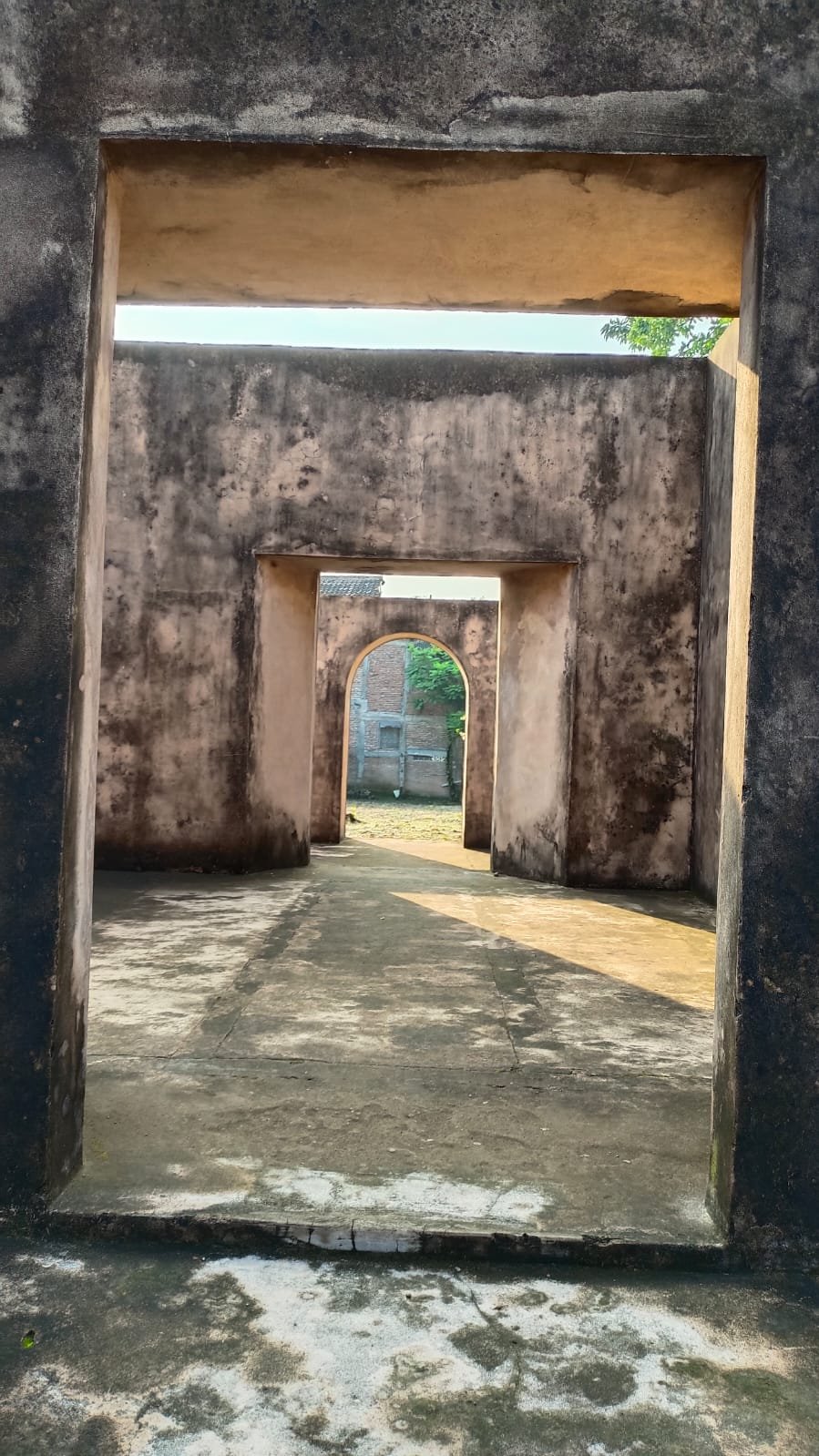
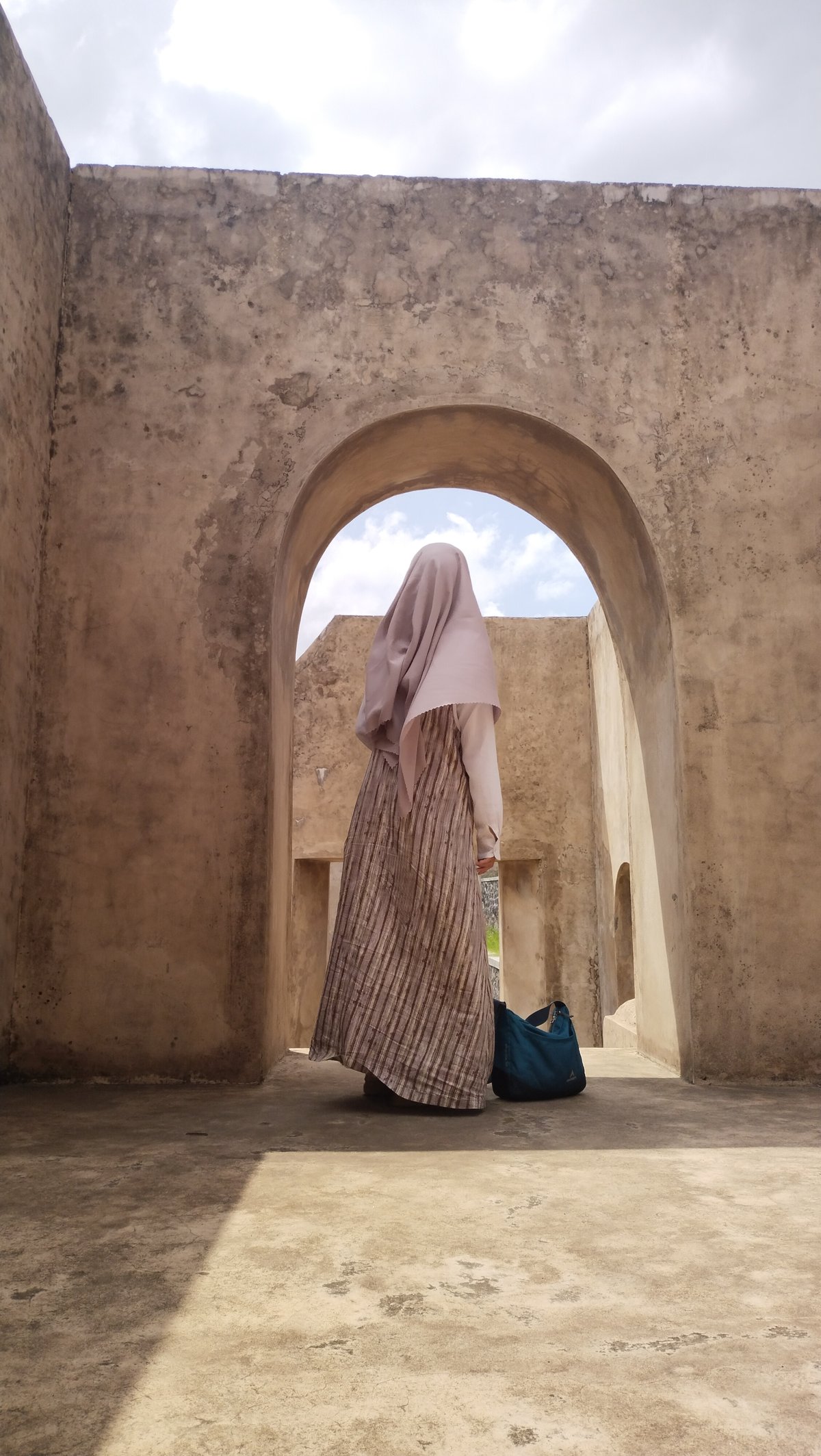
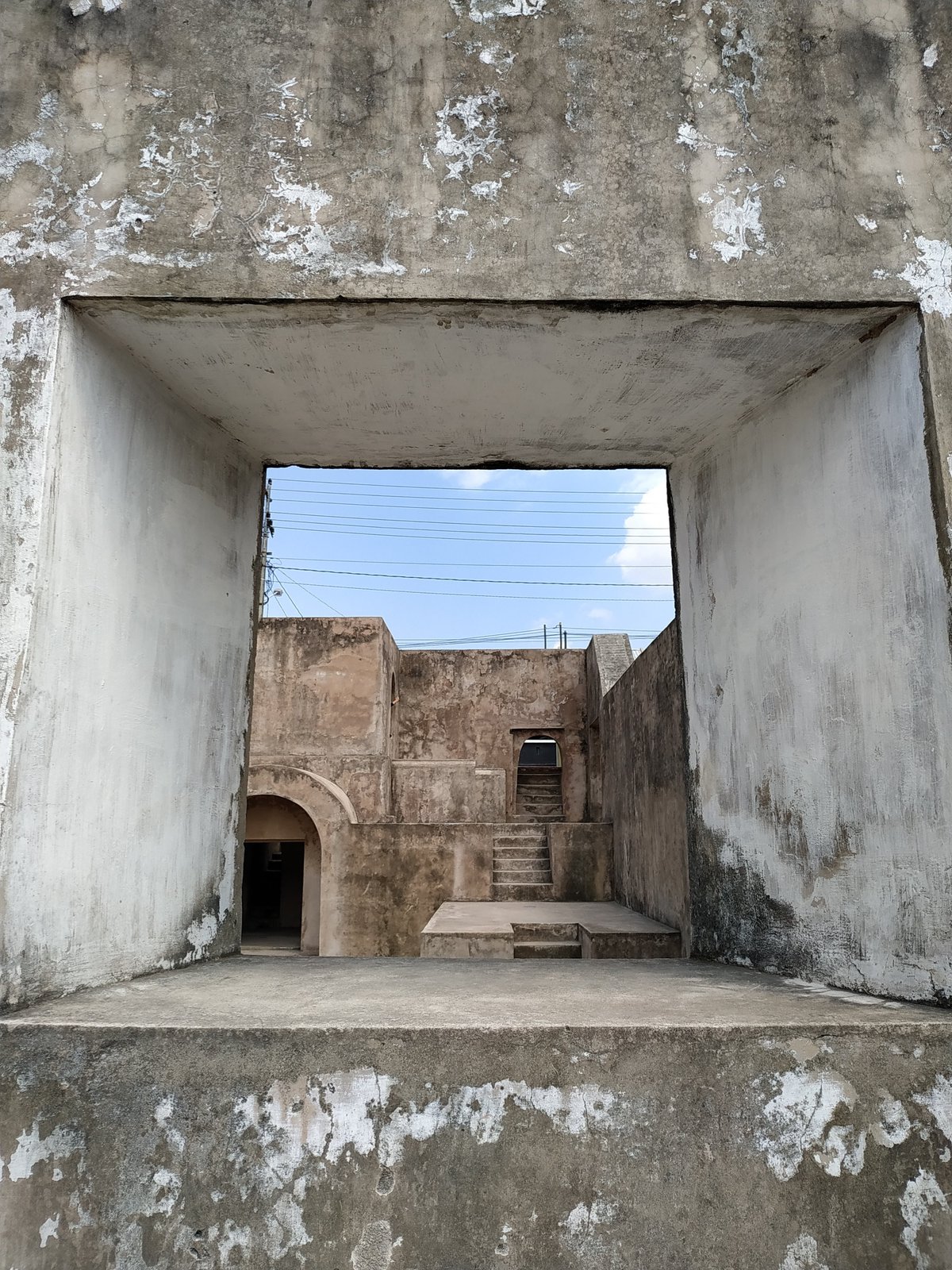
Why Visit This Site
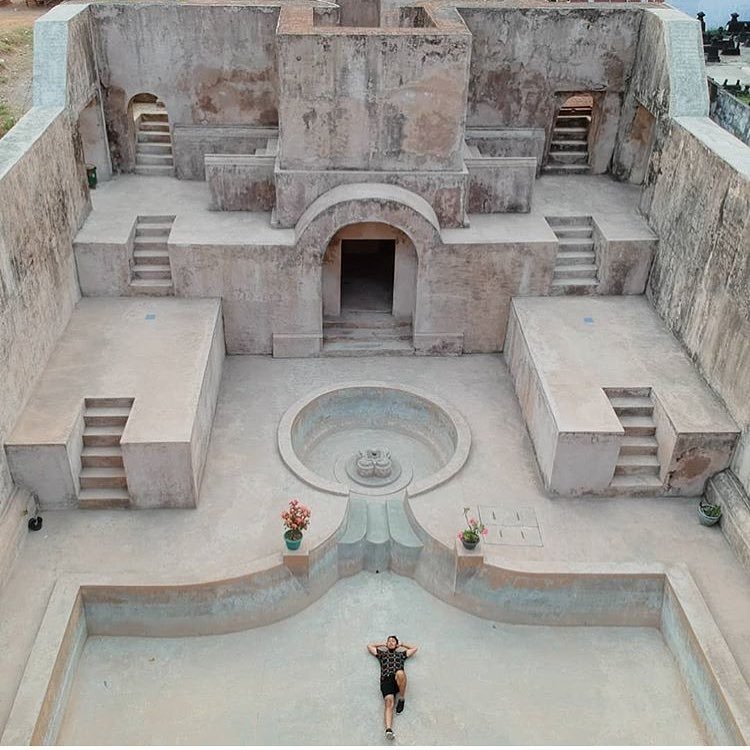
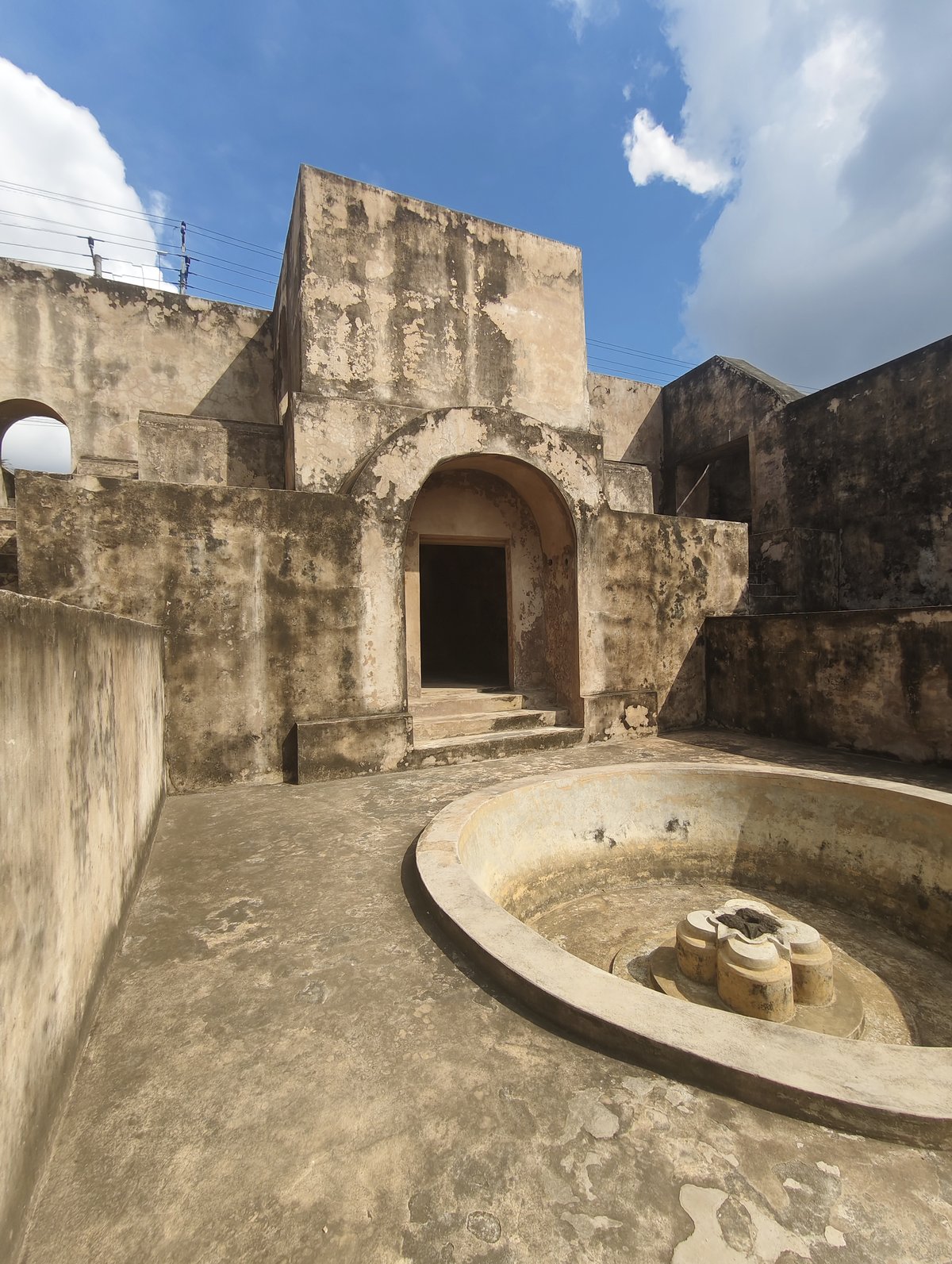
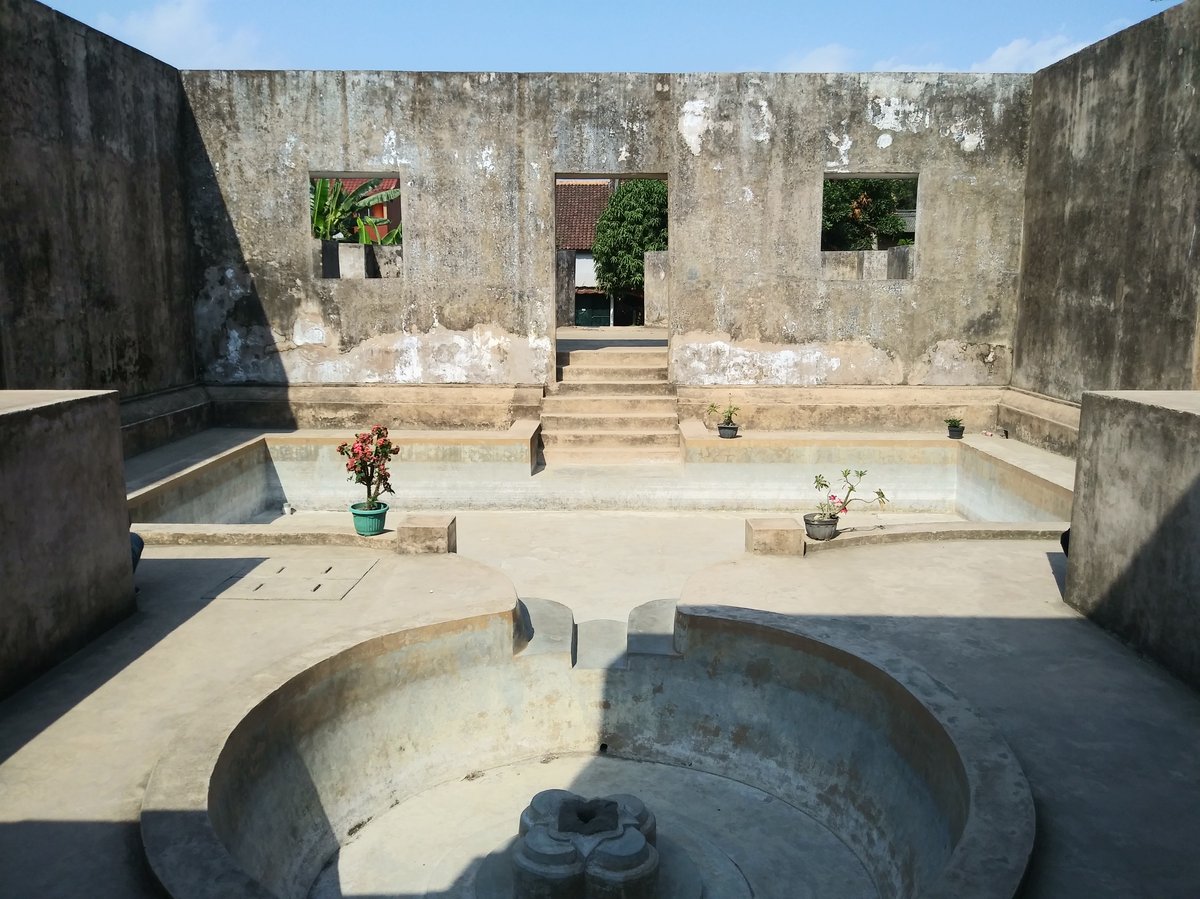
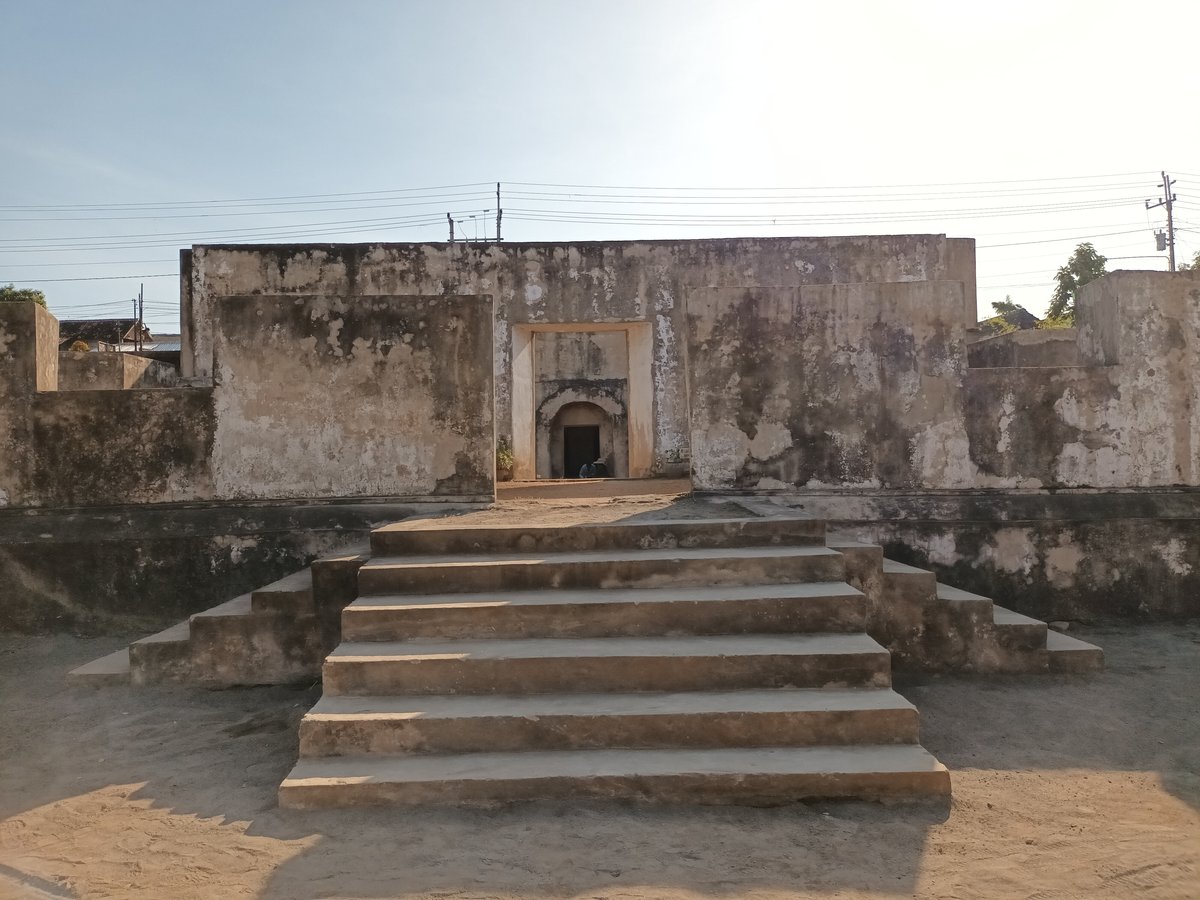
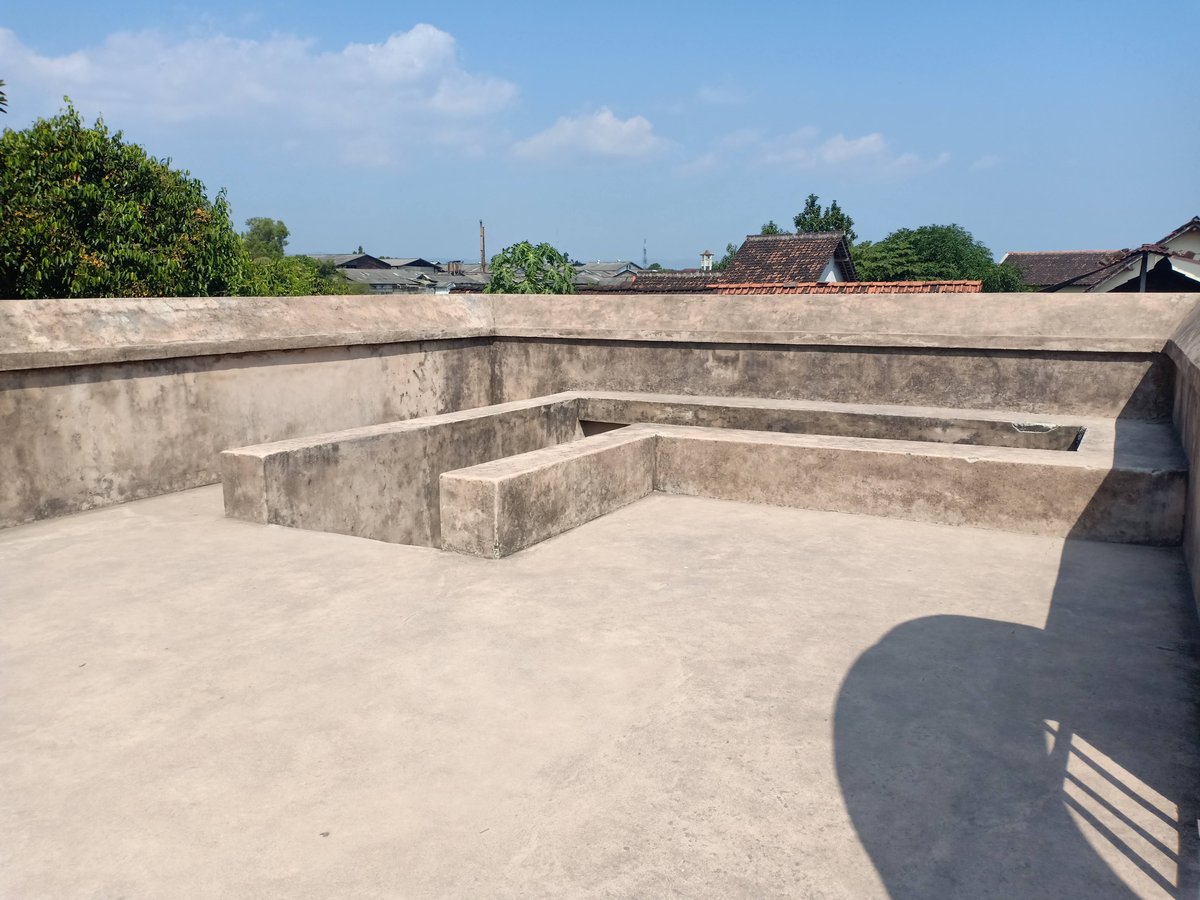
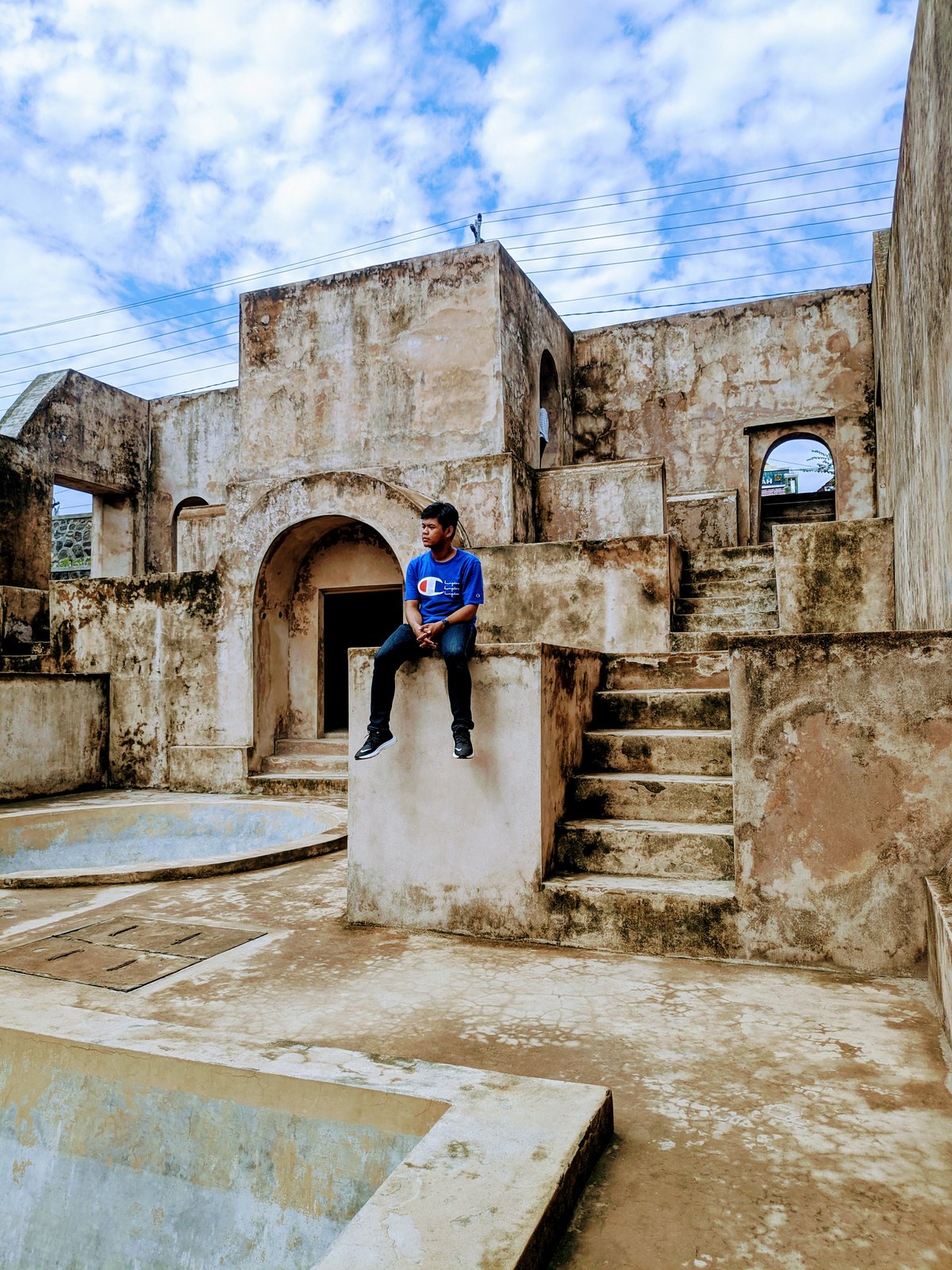
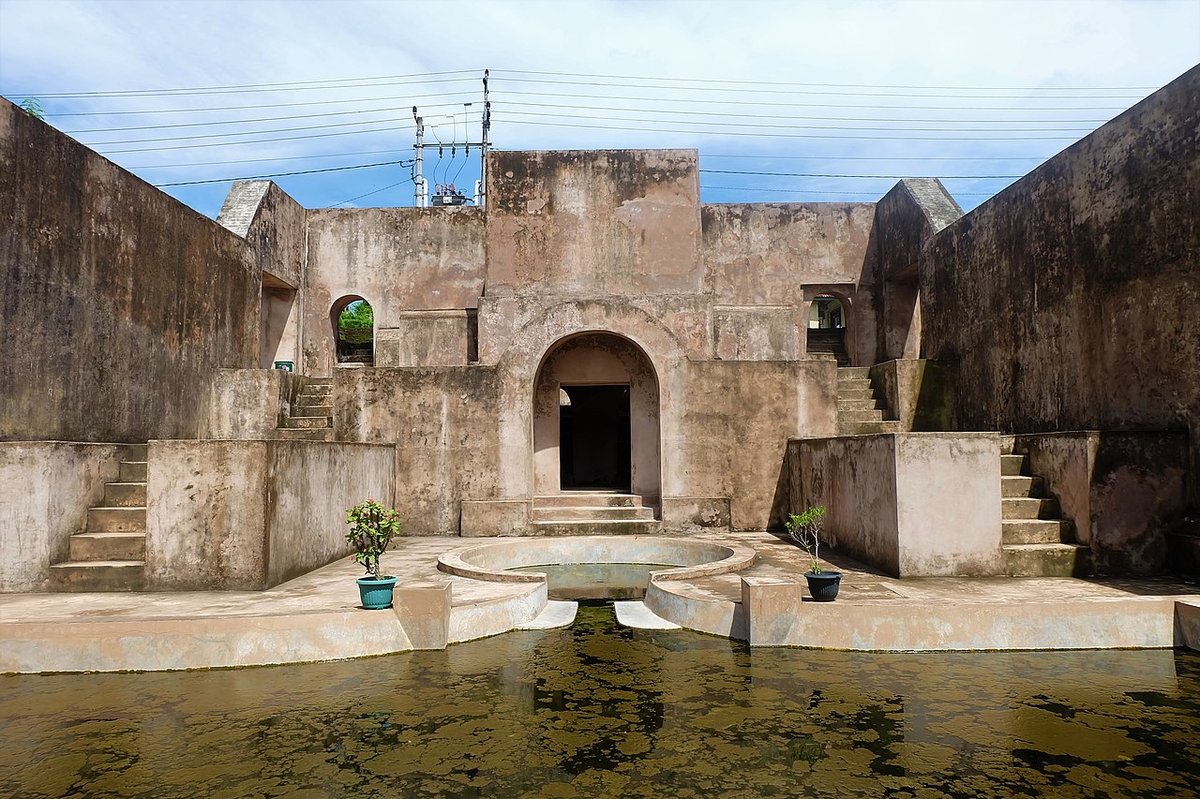
The distinctive appeal of the Rejawinangun Pesanggrahan Site lies in its exceptionally high historical value. According to inscriptions displayed on-site, the structure was originally constructed in 1711 CE by order of Sultan Hamengkubuwono I, and later expanded during the reign of Sultan Hamengkubuwono II around 1729. Historically, the area served as an official royal retreat and bathing facility for the royal family. Unlike the broader and more renowned Taman Sari complex, which functioned as a public bathing ground, Rejawinangun operates on a more intimate scale while preserving its architectural grandeur. Visitors can directly observe how ancient Javanese hydrological engineering and spatial planning were integrated into a pilgrim complex designed for tranquility and court rituals.
Experiences to Enjoy
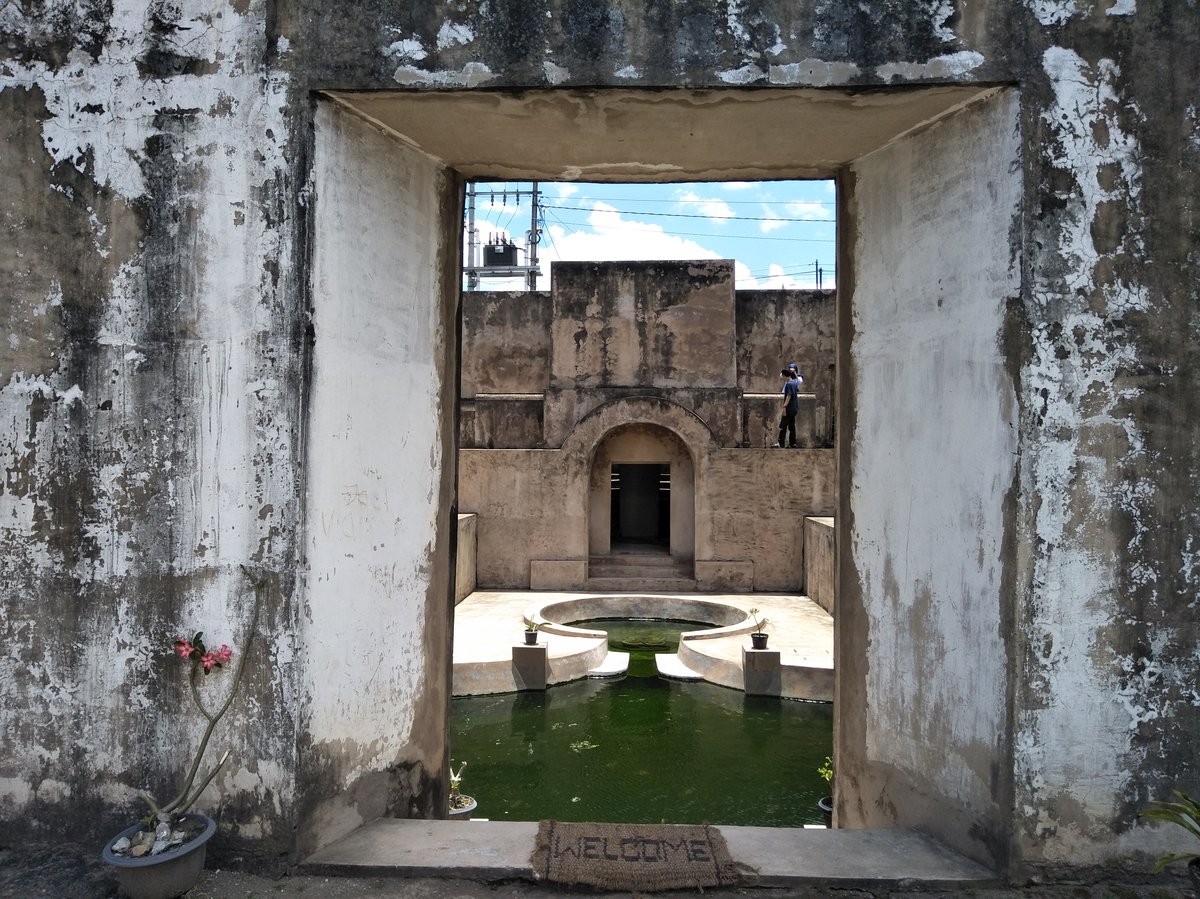
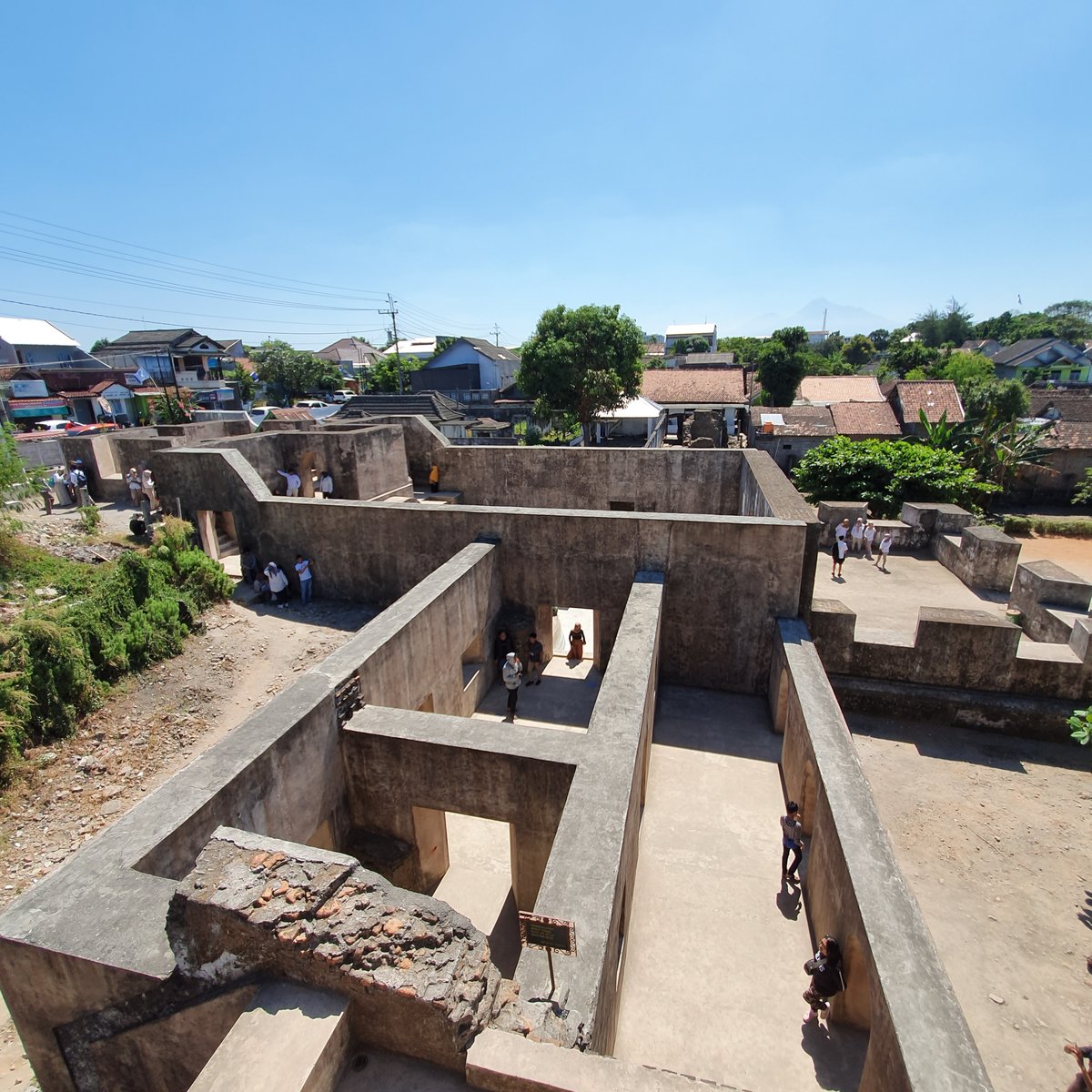
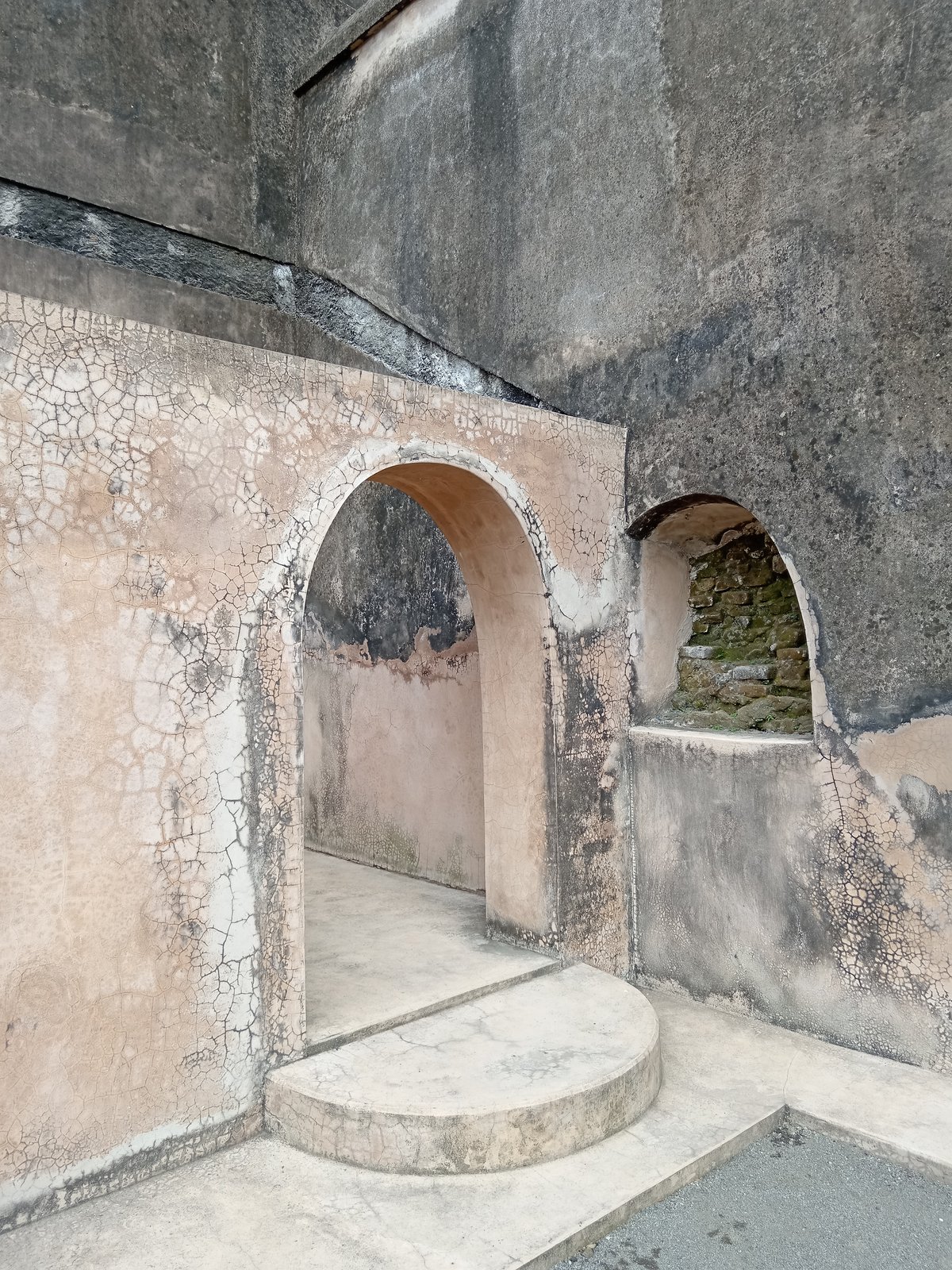
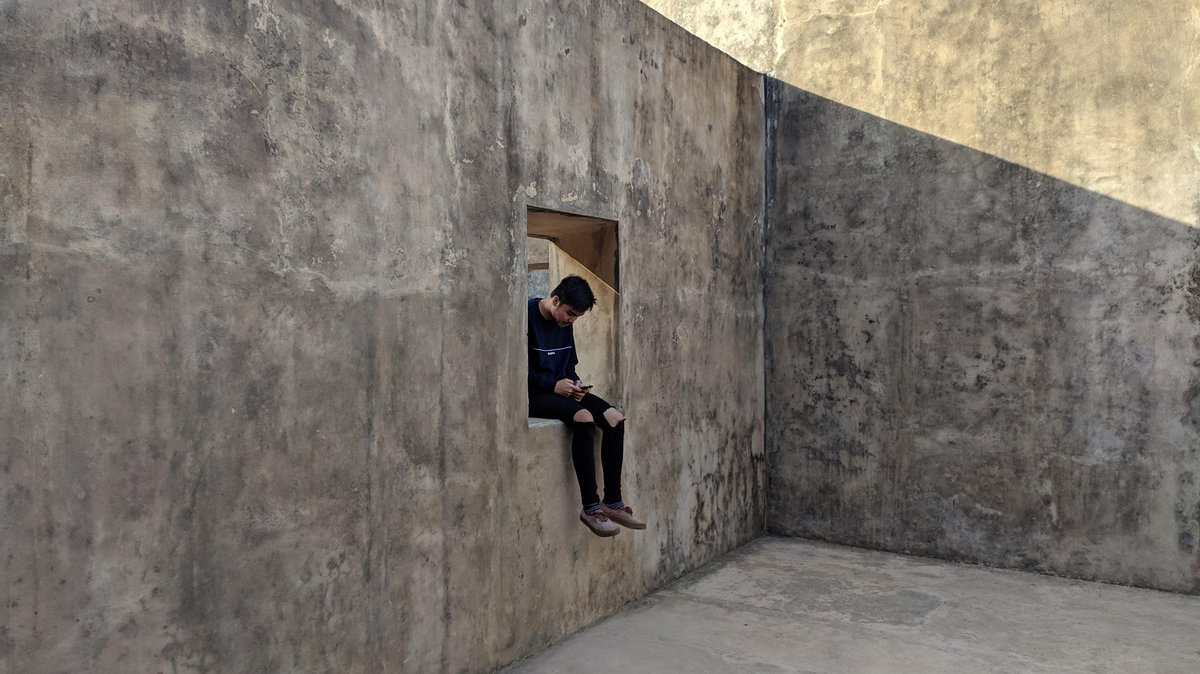
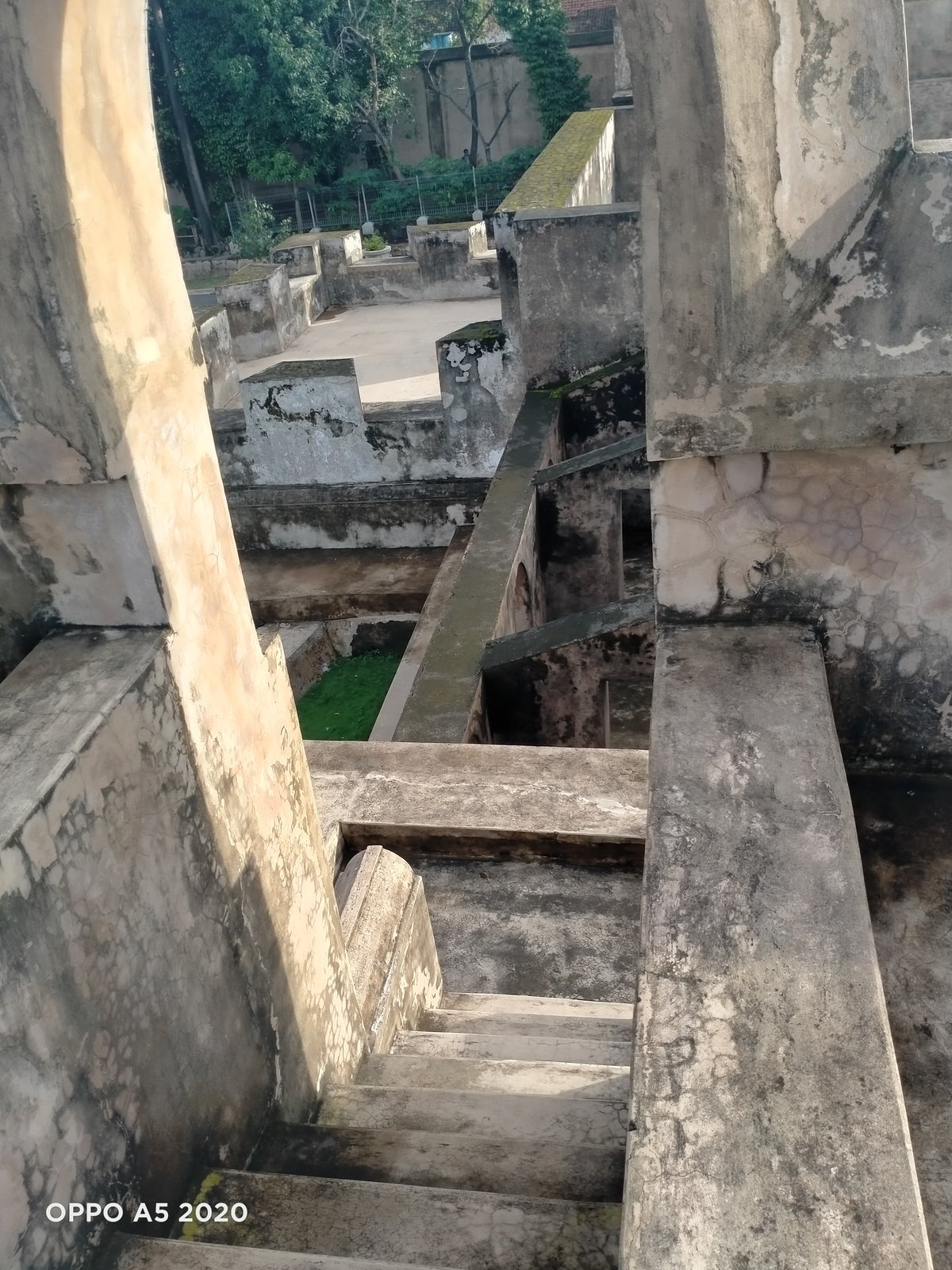
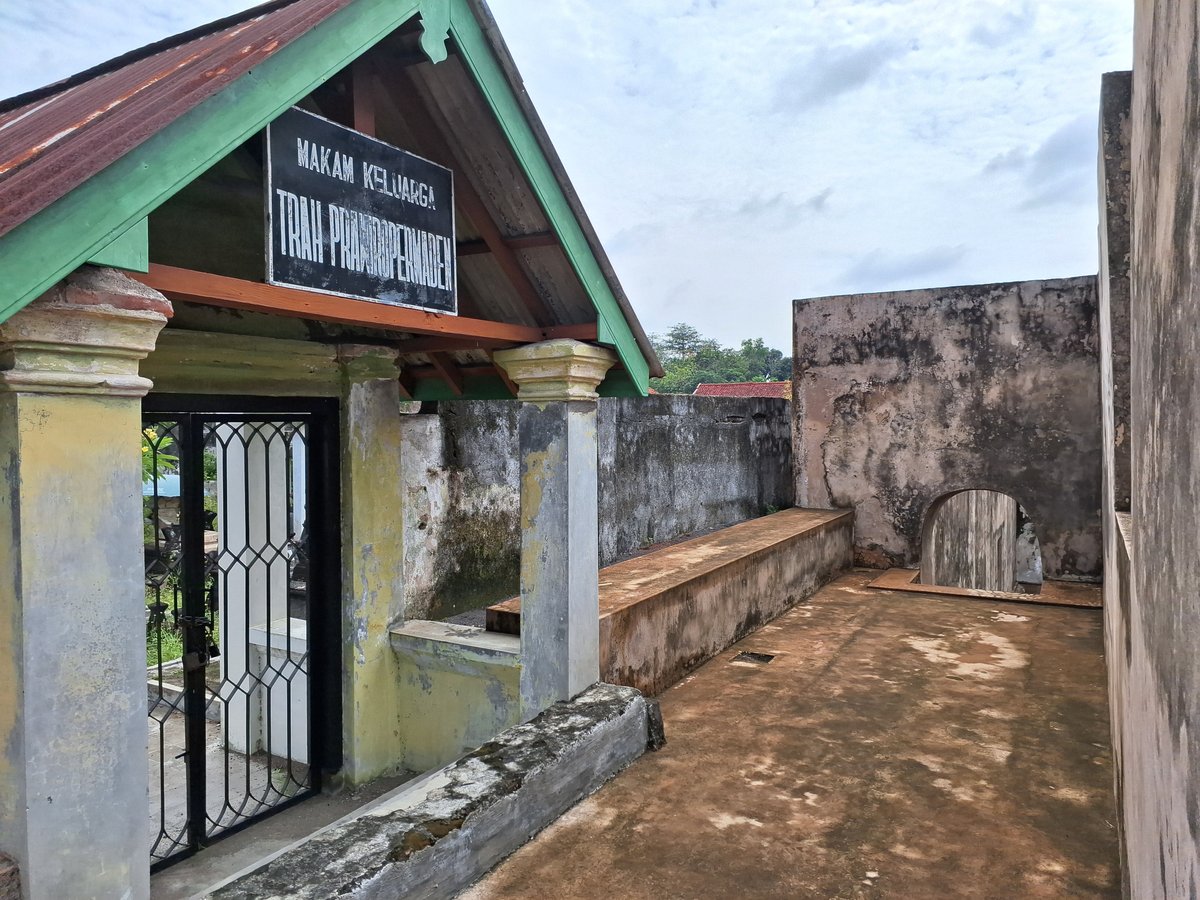
As you explore the site grounds, you will experience a sensation akin to wandering through a historical labyrinth. A series of rooms, narrow corridors, and *plengkung* (traditional Javanese wooden gates) are meticulously arranged, creating a guided pathway that allows you to glimpse every corner of the structure. With no staff stationed at every checkpoint, you enjoy complete freedom to explore and capture moments at your own pace. The relatively quiet atmosphere, particularly in the mornings, provides an ideal environment to closely study the intricate carvings, brick foundations, and ancient drainage systems that remain fully functional today. The building has also undergone revitalization as a protected cultural heritage site, ensuring the preservation of its original structural integrity.
Admission Fees and Tickets
One of the site's primary attractions is its highly accessible pricing policy. Admission to the entire cultural heritage area is completely free of charge. Visitors are only required to budget for vehicle parking fees. Bicycle parking typically ranges from Rp 3,000 to Rp 5,000, while four-wheeled vehicles and motorcycles incur a modest operational fee managed by local administrators. This payment model ensures that everyone, from students to international tourists, can access this historical legacy without significant financial barriers.
Operating Hours
The Rejawinangun Pesanggrahan Site is open to visitors every day without exception. Management provides full access from 08:00 to 17:00 Western Indonesian Time (WIB). This schedule is highly ideal for exploring the open grounds, particularly during the cooler morning hours before temperatures rise. With consistent and extended operating hours, you can plan your visit flexibly without concern for sudden closures. Arrive punctually to ensure sufficient time to quietly explore every corner of the structure.
Getting There
The site is located at Jl. Veteran No.77, Warungboto, Umbulharjo District, Yogyakarta City, Special Region of Yogyakarta 55164. Access to the area is highly convenient due to its location within a dense urban zone. If using public transportation, you can disembark at the nearest stop along Veteran Street or utilize an online ride-hailing service that will direct you straight to the entrance. Externally, the location blends seamlessly into the residential neighborhood, requiring you to walk along a pathway or through a residential alley to reach the main grounds. Street parking is available, alongside a paid parking area managed by local residents. Clear GPS coordinates and directional signage will assist you in locating the site without difficulty.
Practical Tips for Visitors
For an optimal experience, it is recommended to visit in the morning or on weekdays when visitor numbers are low. This allows you to take photographs freely without crowd interference. Wear comfortable footwear, as you will be walking on uneven brick and soil surfaces in certain areas. Carry drinking water and sun protection, given that the site is open and directly exposed to midday sunlight. Additionally, always maintain site cleanliness and respect cultural heritage regulations by avoiding contact with or climbing on fragile wall structures. Plan your visit duration carefully to avoid rushing as the sun sets.
Visitor Reviews
"According to the information on the front board, this was historically a leisure and bathing retreat built by Sultan HB I starting in 1711 Javanese calendar. The place is beautiful, similar to Taman Sari but smaller. It feels like a labyrinth with rooms and many plengkung gates. No entry ticket is required; just pay into the collection box and cover the parking fee."
"I was honestly a bit surprised to find the location tucked right next to a residential area. The access route feels like entering a housing complex, with parking available at a resident's home for just Rp 3,000. The concept is left entirely unstaffed and unmanaged, which makes it a fantastic photo spot. It is especially suitable for history enthusiasts and lovers of old architecture, as it offers not just aesthetic appeal but also a compelling historical narrative."
"A historical site that must be well preserved. It is situated right in the middle of a residential neighborhood, though I initially assumed it was far from housing. This place offers a highly authentic atmosphere for history lovers. The architecture remains well-maintained despite being located in a densely built-up area."
"I visited very early in the morning when there were no other visitors, only the parking attendant. There is no entry fee, and bicycle parking costs Rp 5,000. Upon entering, it immediately reminded me of Taman Sari, and I learned it was actually built by the son of Sultan HB I. It is incredibly pleasant when quiet, allowing for unrestricted photography and exploration."
"The Warungboto Site, or Pesanggrahan Rejowinangun, was constructed during the reign of Sultan Hamengkubuwono II around 1729. The building was used for royal family rest and bathing. It is now officially recognized as a cultural heritage building and has been revitalized as a tourist destination. Its historical significance is deeply embedded and meticulously maintained."
The Rejawinangun Pesanggrahan Site proves that history does not always require a remote location to leave a profound impact. With easy access, affordable pricing, and well-preserved heritage value, this destination is a perfect addition to your Yogyakarta travel itinerary. You will depart with a deeper understanding of Javanese culture and a renewed appreciation for cultural heritage preservation efforts. Seize this opportunity to further explore a living royal legacy thriving in the heart of a modern city.